
How energy-efficient are modern digital dimmer packs?
|
- Beyond Basic On/Off: How Do Modern Digital Dimmer Packs Actually Achieve Precise Dimming for Both Incandescent and LED Fixtures Without Flickering or Buzzing?
- Is Upgrading to a Digital Dimmer Pack Truly Cost-Effective for an Existing Venue Primarily Using Incandescent Fixtures, Considering the Initial Investment Versus Long-Term Energy Savings and Maintenance?
- What Specific Energy-Saving Technologies or Features Differentiate a Truly Energy-Efficient Digital Dimmer Pack from a Standard One, Especially Concerning Standby Power and Heat Generation?
- When Integrating Digital Dimmer Packs into a DMX-Controlled Stage Lighting System, What Are the Common Pitfalls Beginners Face Regarding Addressing, Patching, and Signal Integrity That Can Lead to System Malfunctions?
- How Do the Different Dimming Curves (e.g., Linear, S-Curve, Square Law) Available in Modern Digital Dimmer Packs Impact the Perceived Brightness and Overall Aesthetic of a Stage Lighting Design, and Which Is Best for Specific Applications?
- Given the Rise of LED Fixtures, What Are the Critical Considerations for Selecting a Digital Dimmer Pack That Can Reliably Handle Both Traditional Tungsten Loads and Modern Low-Wattage, Phase-Dimmable LED Fixtures Without Performance Degradation or Premature Failure?
Modern digital dimmer packs are essential components in contemporary stage lighting control systems, offering unparalleled precision and efficiency. For beginners navigating the complexities of theatrical lighting systems, understanding these sophisticated devices is crucial. This guide addresses common, often overlooked questions about digital dimmer packs, focusing on their energy efficiency, technical capabilities, and integration challenges.
Beyond Basic On/Off: How Do Modern Digital Dimmer Packs Actually Achieve Precise Dimming for Both Incandescent and LED Fixtures Without Flickering or Buzzing?
Modern digital dimmer packs represent a significant leap from older analog systems, offering granular control and addressing the complexities of diverse lamp types. The key to their precision and silent operation lies in advanced electronic switching technologies and sophisticated control algorithms.
For traditional incandescent fixtures, which are resistive loads, digital dimmer packs primarily utilize phase-cut dimming. Historically, this was achieved with Silicon Controlled Rectifiers (SCRs) in a leading-edge configuration. Modern digital dimmer packs, however, often employ more advanced switching devices like Insulated Gate Bipolar Transistors (IGBTs). IGBT dimming offers a trailing-edge cut, which is generally smoother, generates less electrical noise, and is more forgiving for certain loads. The digital aspect comes from the precise timing control of these switching devices, driven by microcontrollers that interpret DMX signals. This allows for extremely fine adjustments to the phase angle, resulting in smooth, flicker-free dimming transitions across the entire dimming curve, from 0-100%, virtually eliminating the audible buzz associated with older, less precise SCR dimmers.
For LED compatibility, the challenge is greater. Most phase-dimmable LED fixtures are designed to mimic resistive loads but have internal power supplies that react differently to phase-cut waveforms. Modern digital dimmer packs address this through several mechanisms:
- Advanced Filtering: Built-in filters minimize electromagnetic interference (EMI) and radio frequency interference (RFI) that can cause flickering or buzzing in sensitive LED drivers.
- Adaptive Load Sensing: Some high-end digital dimmer packs can analyze the connected load and adjust their dimming waveform to optimize performance for specific LED drivers, preventing issues like pop-on (sudden jump in brightness at low levels) or drop-out (LEDs turning off prematurely).
- Minimum Load Adjustments: Many digital dimmer packs allow users to set a minimum output voltage or current, ensuring that low-wattage LED fixtures receive enough power to remain stable at their lowest dimmable levels.
- Hybrid Dimming Modes: Some units offer specific modes optimized for LED loads, potentially using a combination of phase-cut and constant current regulation within the dimmer pack itself to ensure stable dimming.
The integration of these technologies ensures that a well-designed digital dimmer pack can provide seamless, silent, and precise stage lighting control for a mixed inventory of theatrical lighting systems, from traditional PAR cans to modern LED washes.
Is Upgrading to a Digital Dimmer Pack Truly Cost-Effective for an Existing Venue Primarily Using Incandescent Fixtures, Considering the Initial Investment Versus Long-Term Energy Savings and Maintenance?
Upgrading to digital dimmer packs in a venue still heavily reliant on incandescent dimming can indeed be highly cost-effective, though the return on investment (ROI) depends on several factors. The initial investment might seem substantial, but the long-term benefits often outweigh it.
- Energy Savings: While incandescent lamps themselves are inherently inefficient, modern digital dimmer packs contribute to energy savings in ways older dimmers couldn't. They typically feature significantly lower standby power consumption. Older analog dimmers, even when not actively dimming, could draw considerable power. Digital units, with their efficient power supplies and intelligent controls, drastically reduce this parasitic load. Furthermore, advanced power factor correction (PFC) circuitry, common in high-quality digital dimmer packs, optimizes the electrical load, reducing reactive power and potentially lowering utility bills, especially in commercial settings with demand charges. While the lamp consumes the most energy, reducing the dimmer's own operational losses adds up.
- Reduced Maintenance and Increased Lamp Life: The smoother dimming curves and precise control offered by digital dimmer packs reduce thermal shock on incandescent lamp filaments, significantly extending lamp life. This means fewer lamp replacements, saving on both material costs and labor for maintenance crews, especially for hard-to-reach fixtures.
- Future-Proofing and Flexibility: Even if a venue primarily uses incandescent now, the transition to LED is inevitable. A modern digital dimmer pack designed with robust LED compatibility ensures that as fixtures are gradually replaced with phase-dimmable LEDs, the existing dimming infrastructure remains viable. This avoids a complete rip-and-replace scenario down the line, saving future capital expenditure.
- Improved Performance and Control: Beyond energy, the enhanced control, silent operation, and advanced features (like configurable dimming curves and DMX RDM capabilities) improve the overall quality of stage lighting control, leading to better productions and a more professional aesthetic.
- Troubleshooting and Diagnostics: Many digital dimmer packs include onboard diagnostics and reporting, making it easier to identify and resolve issues, reducing downtime and maintenance costs.
To calculate the specific ROI, a venue should consider its current electricity rates, hours of operation, the number and wattage of existing fixtures, and the estimated lifespan of lamps. However, the combined benefits of energy efficiency, reduced maintenance, and future-proofing generally make the upgrade a sound financial decision for long-term operational sustainability in theatrical lighting systems.
What Specific Energy-Saving Technologies or Features Differentiate a Truly Energy-Efficient Digital Dimmer Pack from a Standard One, Especially Concerning Standby Power and Heat Generation?
A truly energy-efficient digital dimmer pack goes beyond simply controlling light levels; it actively minimizes wasted energy, particularly concerning standby power and heat dissipation. Several key technologies and features distinguish these advanced units:
- Ultra-Low Standby Power Consumption: This is a critical differentiator. Standard dimmers, even when all channels are off, can draw significant quiescent current to power their control circuitry. Energy-efficient digital dimmer packs employ highly optimized power supplies and intelligent sleep modes for their microcontrollers and DMX receivers, reducing standby draw to mere watts or even milliwatts. This might seem minor per unit, but across a large stage lighting control system, it can result in substantial annual savings.
- High-Efficiency Switching Devices (IGBTs over SCRs): While both SCRs and IGBTs are used for phase-cut dimming, IGBTs generally offer higher efficiency, especially at lower dimming levels. They have lower on-state voltage drop and faster switching times, which translates to less power dissipated as heat within the dimmer pack itself. This reduction in internal heat generation means less energy is wasted, and the dimmer runs cooler, potentially extending its lifespan.
- Advanced Power Factor Correction (PFC): This is a crucial feature for optimizing power consumption. Non-PFC loads (like many older dimmers) draw current in a non-sinusoidal way, leading to a poor power factor. This means the utility company has to supply more apparent power (VA) than actual real power (W) being consumed, which can result in higher electricity bills, especially for commercial users subject to demand charges. Energy-efficient digital dimmer packs with active PFC circuitry shape the input current waveform to be more sinusoidal and in phase with the voltage, achieving power factors close to 0.95 or higher. This reduces reactive power, minimizes harmonic distortion on the electrical grid, and ensures the venue pays only for the real power it consumes.
- Intelligent Cooling Systems: While reducing heat generation is paramount, efficient cooling is also vital. Energy-efficient dimmers often feature smart fan control systems that only activate when necessary, reducing auxiliary power consumption and noise. Some even employ passive cooling designs for lower-power units.
- Load-Adaptive Control: Some sophisticated digital dimmer packs can sense the connected load type (resistive, inductive, capacitive) and adjust their dimming algorithms accordingly to optimize efficiency and performance, further reducing energy waste and improving LED compatibility.
- Remote Device Management (RDM) and Monitoring: While not directly an energy-saving feature, RDM allows for remote configuration and monitoring of dimmer pack status, including power consumption data. This enables venue managers to identify and address inefficiencies promptly, contributing to overall energy efficiency management of the theatrical lighting systems.
By incorporating these features, an energy-efficient digital dimmer pack not only saves money on electricity bills but also reduces the environmental footprint of stage lighting control, making it a smarter choice for modern venues.
When Integrating Digital Dimmer Packs into a DMX-Controlled Stage Lighting System, What Are the Common Pitfalls Beginners Face Regarding Addressing, Patching, and Signal Integrity That Can Lead to System Malfunctions?
Integrating digital dimmer packs into a DMX-controlled stage lighting system can be straightforward, but beginners often encounter specific pitfalls related to addressing, patching, and signal integrity. Understanding these common issues is crucial for smooth operation and effective lighting control.
- DMX Addressing Mismatch:
- Pitfall: Assigning duplicate DMX addresses to multiple dimmer channels or fixtures, or assigning an address that conflicts with other devices on the same DMX universe. Conversely, forgetting to set an address or setting it incorrectly can result in channels not responding.
- Solution: Each dimmer channel (or fixture) on a single DMX universe must have a unique starting address. Always double-check the physical address settings on the dimmer pack (DIP switches, digital display) against your lighting console's patch list. A common practice is to assign addresses in blocks (e.g., Dimmer 1 starts at DMX 1, Dimmer 2 starts at DMX 25, etc., depending on the number of channels per pack).
- Incorrect DMX Patching on the Console:
- Pitfall: The lighting console's internal patch (mapping DMX channels to console faders/parameters) doesn't match the physical DMX addresses set on the dimmer packs. For example, console fader 1 is patched to DMX channel 10, but the dimmer pack channel is set to DMX channel 1.
- Solution: Meticulously create a patch sheet that lists each dimmer channel, its physical DMX address, and its corresponding console fader/parameter. Verify this patch sheet against both the dimmer pack settings and the console's internal programming.
- DMX Signal Integrity Issues:
- Pitfall: This is a broad category but includes using incorrect cabling, daisy-chaining too many devices, missing DMX terminators, or having excessive cable lengths. Symptoms include flickering lights, erratic behavior, or complete loss of control.
- Cabling: Using standard microphone cables (XLR-3 pin) instead of proper DMX cables (XLR-5 pin, 120-ohm impedance) is a frequent error. While XLR-3 can work for short runs, it's not designed for DMX's differential data signal and can lead to reflections and data corruption.
- Daisy-Chaining: DMX is designed for a maximum of 32 devices in a single daisy chain. Exceeding this can weaken the signal.
- Termination: The last device in a DMX chain must have a 120-ohm terminator plugged into its DMX output. This prevents signal reflections that can corrupt data. Forgetting this is a very common beginner mistake.
- Cable Length: While DMX can run up to 1,000 feet (300 meters), exceeding this or using poor quality cable can degrade the signal.
- Solution: Always use proper 120-ohm DMX-512 compliant cables (typically 5-pin XLR, though 3-pin DMX cables exist and are distinct from mic cables). Use DMX splitters/optically isolated buffers for large systems or long runs to maintain signal strength and isolate devices. Crucially, always install a 120-ohm DMX terminator at the end of every DMX chain.
- Pitfall: This is a broad category but includes using incorrect cabling, daisy-chaining too many devices, missing DMX terminators, or having excessive cable lengths. Symptoms include flickering lights, erratic behavior, or complete loss of control.
- Power and Data Grounding Issues:
- Pitfall: Ground loops can occur if different pieces of equipment are grounded at different potentials, leading to noise on the DMX line, flickering, or even equipment damage.
- Solution: Ensure all equipment in the stage lighting control system is properly grounded to a common earth point. Using DMX isolators can help break ground loops on the data line.
- RDM (Remote Device Management) Misunderstanding:
- Pitfall: While RDM is a powerful tool for configuring and monitoring digital dimmer packs, beginners might not realize that not all DMX controllers support RDM, or they might struggle with the RDM discovery and configuration process.
- Solution: Verify that your lighting console and digital dimmer packs are RDM compliant if you intend to use RDM features. Familiarize yourself with the RDM menu structure on your console and dimmer packs.
By meticulously planning the DMX layout, using correct cabling, ensuring proper termination, and carefully addressing and patching all devices, beginners can avoid most integration headaches and achieve reliable theatrical lighting systems control.
How Do the Different Dimming Curves (e.g., Linear, S-Curve, Square Law) Available in Modern Digital Dimmer Packs Impact the Perceived Brightness and Overall Aesthetic of a Stage Lighting Design, and Which Is Best for Specific Applications?
The dimming curve, or dimmer profile, is a crucial feature in modern digital dimmer packs that dictates how the output intensity changes in response to the DMX input value. It's not just a technical specification; it profoundly impacts the perceived brightness and the overall aesthetic of a stage lighting design. Understanding these curves allows lighting designers to achieve specific visual effects and smooth transitions.
Linear Curve:
- Description: A linear curve provides a direct, one-to-one relationship between the DMX input value and the dimmer's output power. If DMX is at 50%, the output power is 50%.
- Impact: While mathematically straightforward, human perception of light is not linear. A linear curve often results in a noticeable jump in brightness at lower DMX values (e.g., 0-20%) and then a less perceptible change at higher values (e.g., 80-100%). This can make subtle fades difficult to achieve at the low end.
- Best for: Technical applications where precise power output is more important than visual smoothness, or for fixtures where the lamp itself has a non-linear response that needs to be compensated for. Less common for general theatrical dimming.
Square Law (or Inverse Square Law / Incandescent) Curve:
- Description: This curve is designed to compensate for the non-linear response of incandescent lamps and human vision. It applies a mathematical function (often an inverse square root) that increases the output power more rapidly at lower DMX values and more slowly at higher values.
- Impact: This curve creates a visually smooth, perceptually linear fade for incandescent fixtures. A 50% DMX value will appear to be roughly half as bright as 100%, making fades and crossfades much more natural and aesthetically pleasing. It effectively stretches the lower end of the dimming range where human eyes are most sensitive.
- Best for: Almost exclusively for incandescent dimming in theatrical lighting systems and general stage applications where smooth, natural-looking fades are paramount. It's the default choice for traditional tungsten fixtures.
S-Curve (or Soft-Start/Soft-Stop) Curve:
- Description: The S-curve is a variation that offers a very gentle ramp-up and ramp-down at the extreme ends of the dimming range, with a more linear response in the middle. It essentially softens the beginning and end of a fade.
- Impact: This curve is excellent for creating very subtle, almost imperceptible transitions into and out of darkness. It can prevent sudden pop-on or snap-off effects, which are particularly jarring. It also helps to prolong lamp life by reducing the thermal shock of sudden power changes.
- Best for: Dramatic theatrical cues, architectural lighting where gentle transitions are desired, or any application where extremely smooth and elegant fades are critical. It can also be beneficial for some LED dimming applications where the LED driver might exhibit abrupt behavior at very low levels.
Custom Curves (User-Defined):
- Description: Many advanced digital dimmer packs allow users to create or modify their own dimming curves, often via a graphical interface or by adjusting multiple breakpoints.
- Impact: Offers flexibility to perfectly match specific fixture responses, compensate for unique environmental factors, or achieve highly specialized artistic effects.
- Best for: Expert users, specialized lighting design projects, or situations where off-the-shelf curves don't provide the desired visual outcome, especially when dealing with challenging LED compatibility issues.
Choosing the correct dimming curve is a fundamental aspect of effective lighting control. For mixed systems, some digital dimmer packs allow different curves to be assigned per channel, optimizing performance for both traditional and modern fixtures.
Given the Rise of LED Fixtures, What Are the Critical Considerations for Selecting a Digital Dimmer Pack That Can Reliably Handle Both Traditional Tungsten Loads and Modern Low-Wattage, Phase-Dimmable LED Fixtures Without Performance Degradation or Premature Failure?
The shift towards LED fixtures presents a significant challenge for digital dimmer packs designed primarily for traditional tungsten loads. Selecting a pack that excels at LED compatibility while still reliably handling incandescent dimming requires careful consideration of several critical factors to avoid performance degradation or premature failure.
Dimming Technology (Trailing Edge/IGBT Preferred):
- Consideration: While leading-edge (SCR) dimmers work for incandescents, many phase-dimmable LED drivers perform much better with trailing-edge dimming (reverse phase-cut). Trailing-edge dimming, typically achieved with IGBT dimming technology, is smoother, generates less electrical noise, and is less prone to causing flicker or buzzing in sensitive LED drivers.
- Recommendation: Prioritize digital dimmer packs that explicitly state trailing edge or reverse phase dimming capabilities, or ideally, offer universal dimming that can adapt to both leading and trailing edge requirements, sometimes configurable per channel.
Minimum Load Requirements:
- Consideration: Traditional dimmers are designed for higher wattage incandescent loads. Low-wattage LED fixtures often fall below the minimum load threshold required by older dimmers, leading to flickering, instability, or the LEDs not turning on at all.
- Recommendation: Choose digital dimmer packs with very low or adjustable minimum load ratings. Some advanced packs can even operate with no minimum load, making them ideal for single, low-wattage LED fixtures. Look for specifications like minimum load per channel.
Load Type Compatibility (Resistive, Inductive, Capacitive):
- Consideration: Incandescent lamps are resistive. LED drivers, however, can present capacitive or inductive loads, which behave differently and can stress dimmer components not designed for them.
- Recommendation: Select digital dimmer packs that are rated for a wide range of load types. High-quality units will specify compatibility with resistive, inductive, and capacitive loads, ensuring robust performance across diverse fixture types.
Flicker-Free Performance and Noise Suppression:
- Consideration: LEDs are highly susceptible to flicker, especially at lower dimming levels, and can also generate audible noise if the dimmer introduces electrical interference.
- Recommendation: Look for features like advanced filtering, smooth dimming algorithms, and high switching frequencies (if applicable) to ensure flicker-free dimming and silent operation with LED loads. User reviews and manufacturer specifications regarding LED performance are key.
Configurable Dimming Curves:
- Consideration: As discussed, different dimming curves are optimal for different fixture types. A single square law curve designed for incandescents might not yield the best visual result for an LED fixture.
- Recommendation: Opt for digital dimmer packs that offer multiple selectable dimming curves (e.g., linear, square law, S-curve, and potentially LED-specific curves) or even custom curve creation, ideally assignable per channel. This allows for fine-tuning performance for each connected fixture.
Power Factor Correction (PFC):
- Consideration: While important for energy efficiency generally, PFC is also crucial for stability with multiple LED drivers. Poor power factor from many LED fixtures can create harmonic distortion on the electrical system, potentially affecting other equipment.
- Recommendation: Dimmers with active power factor correction help maintain a clean electrical supply, which is beneficial for the longevity and stable operation of both the dimmer pack and the connected LED fixtures.
Thermal Management and Protection:
- Consideration: Overheating can lead to premature failure. While LEDs generate less heat at the fixture, the dimmer itself still dissipates heat.
- Recommendation: Ensure the digital dimmer pack has robust thermal management (e.g., intelligent fan control, ample heatsinking) and comprehensive over-current, over-voltage, and over-temperature protection for each channel.
By carefully evaluating these considerations, venues can select digital dimmer packs that provide reliable, high-performance stage lighting control for their current mix of fixtures and future-proof their theatrical lighting systems for the ongoing transition to LED technology.
Modern digital dimmer packs are far more than simple power regulators; they are sophisticated components of any professional stage lighting control system. Their advanced features, from precise, flicker-free dimming and robust LED compatibility to significant energy efficiency and enhanced diagnostics, offer unparalleled control, reliability, and long-term cost savings. Investing in high-quality digital dimmer packs ensures your theatrical lighting systems are not only capable of stunning artistic effects but also operate with optimal performance, reduced maintenance, and a minimized environmental footprint.
Ready to elevate your lighting control system with cutting-edge digital dimmer technology? Contact us today for a personalized quote and expert consultation.
Website: www.rgbsystem.comEmail: info@rgbsystem.com
Latest News
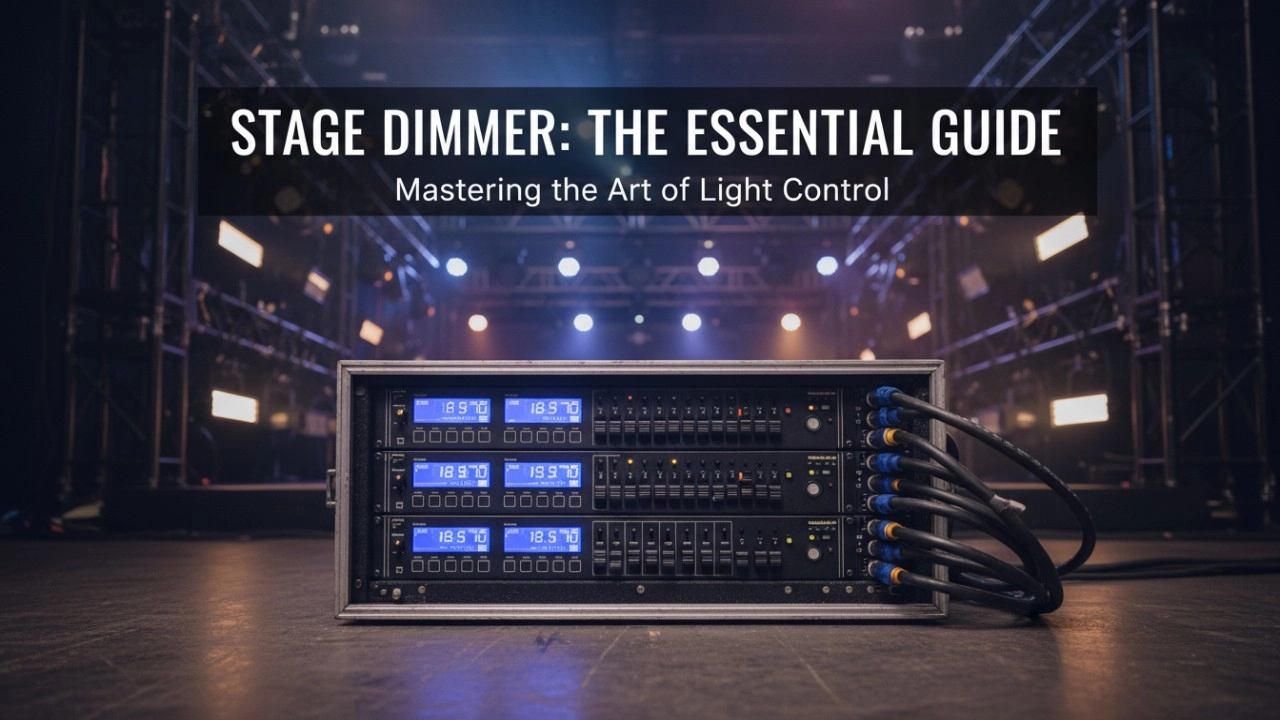
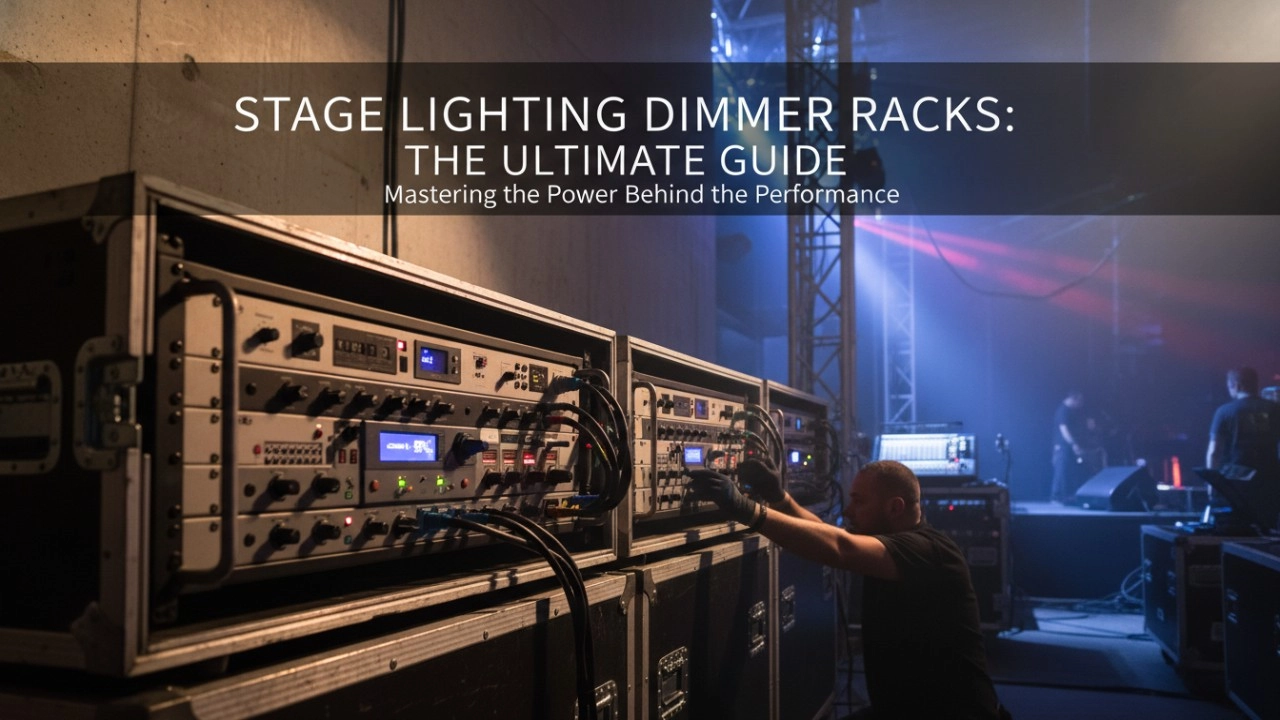
A comprehensive 2026 guide to selecting high-performance stage lighting dimmer racks. We review top hybrid systems, explore SCR vs sine wave technology, and analyze essential features like ThruPower for modern venues.
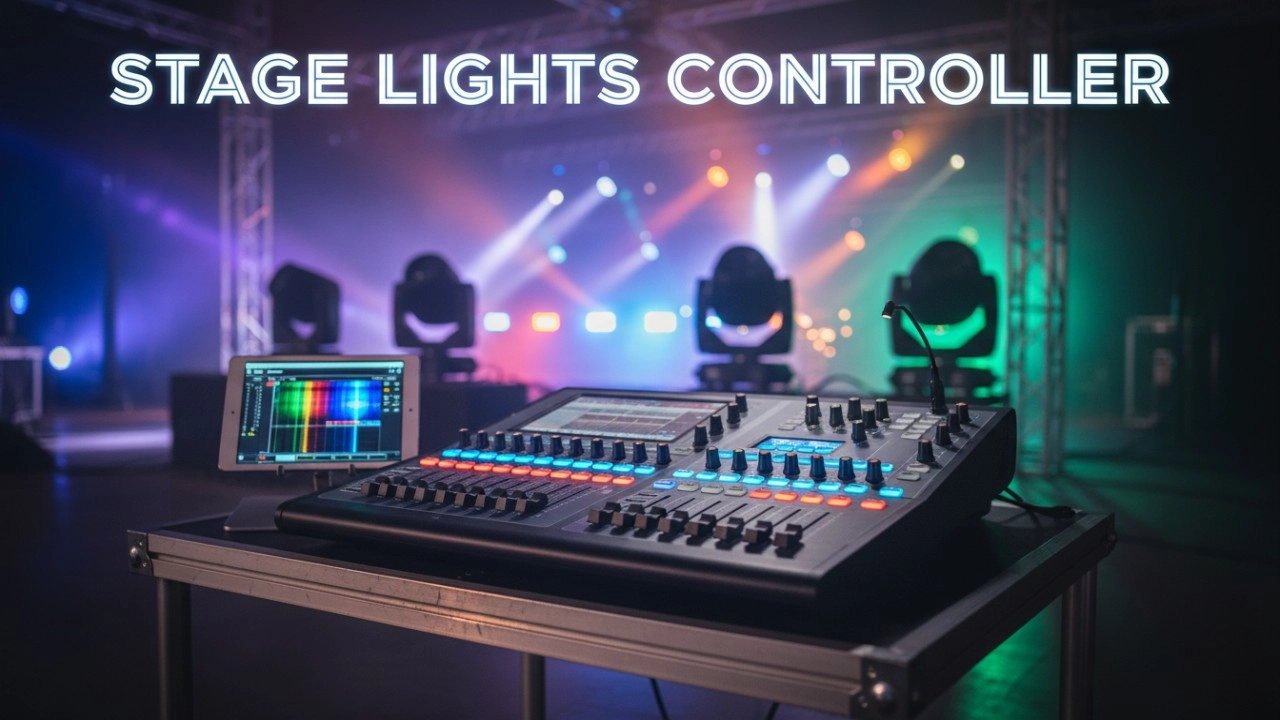
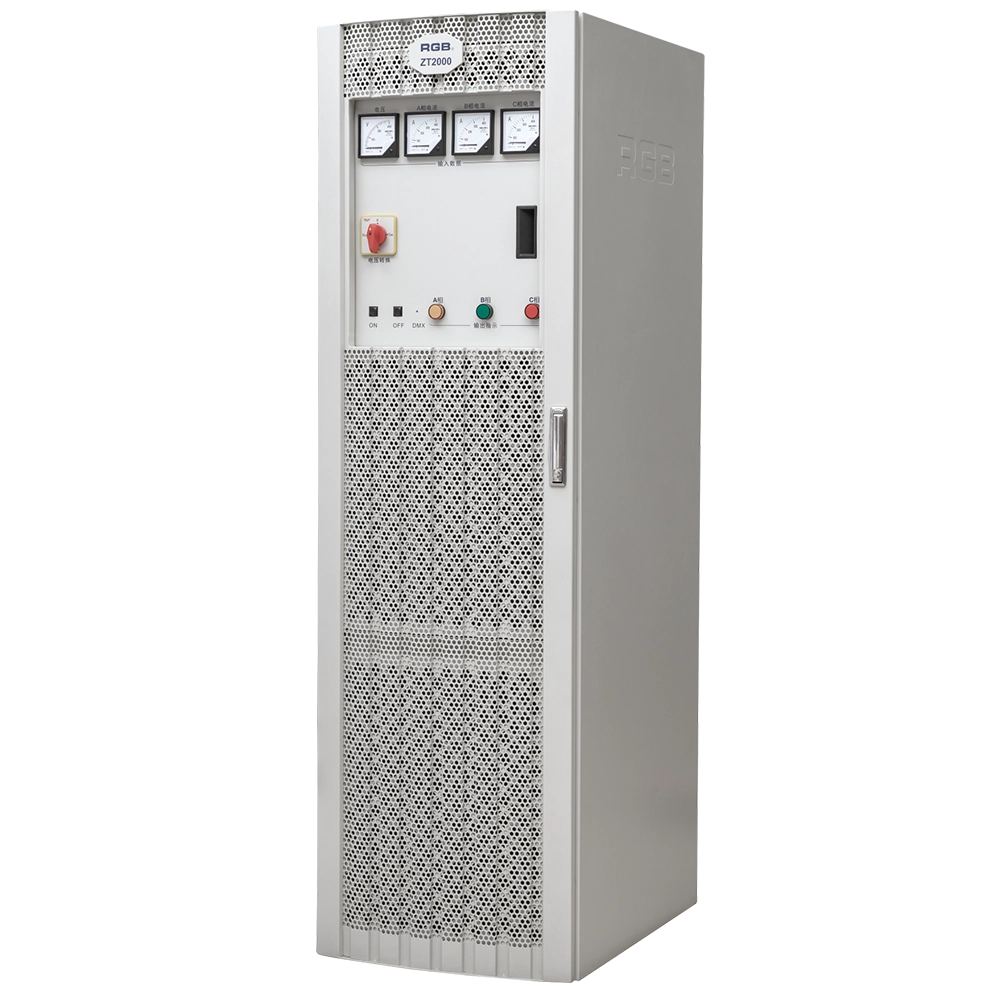
ZT2000 Pass-Through Racks
The ZT2000 straight-through power cabinet is a three-phase 630A/400A air switch main control, with each channel being a 32A air switch sub-control straight-through power cabinet. It can be used in conjunction with various computer lamps, regular lamps, and temporary electrical equipment as a power distribution and supply part for electrical equipment with overcurrent and short-circuit protection. It is a brand-new, reliable, and stable lighting control device in the field of stage lighting control.
It is widely applied in theaters, concert halls, multi-functional halls, cultural and tourism performances, TV stations, gymnasiums, auditoriums, commercial art lighting, and other performance and cultural venues.
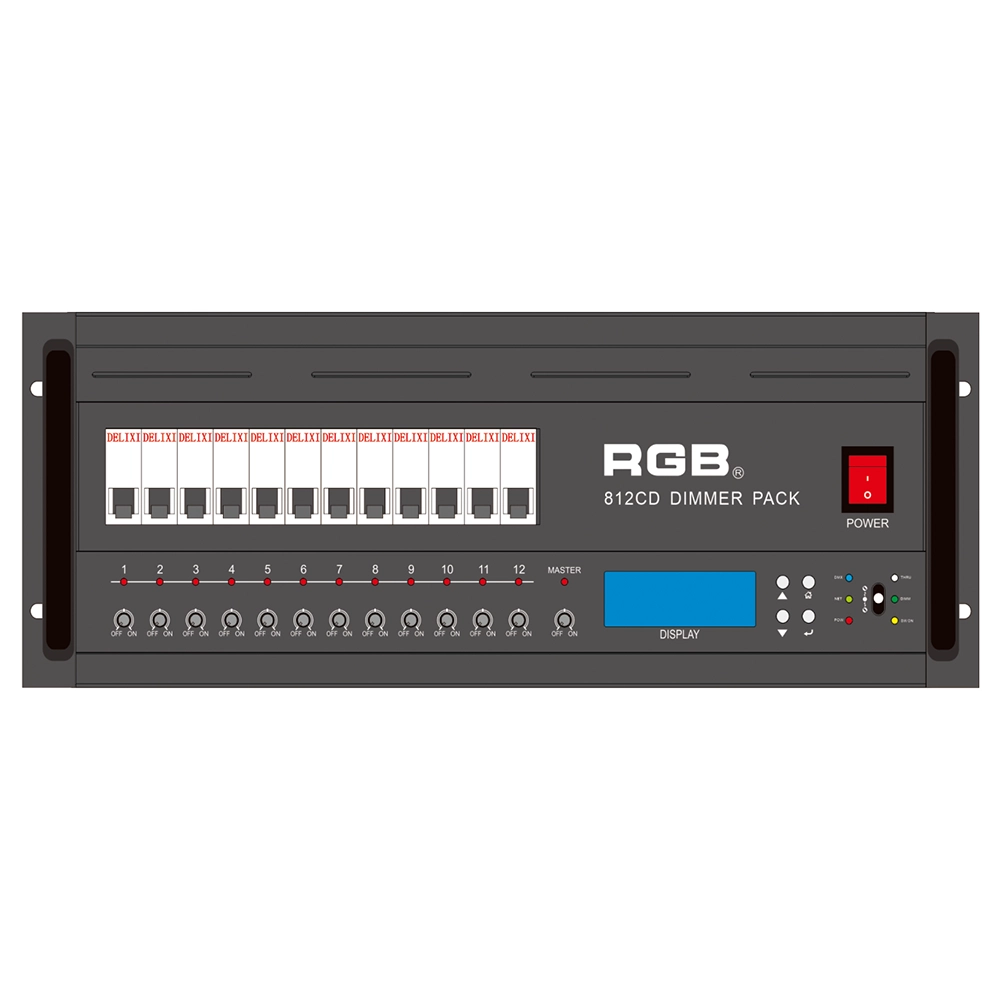
8 Series Intellight Dimmer/Relay Packs
RGB is the latest development and production of all digital, intelligent, and network dimming through the hybrid silicon box. It comes with six channels (806 silicon box), twelve channels (812 silicon box) with analog knob dimming, 49 DMX field recordings and replays (field backup function), and self-programming and recording field. RGB-8 silicon box with DMX512 digital signal input and RJ45 network input interface, with various types of dimming stations at home and abroad used. It is a powerful, stable performance and reliable work of a new generation of intelligent digital dimming through a hybrid silicon box.
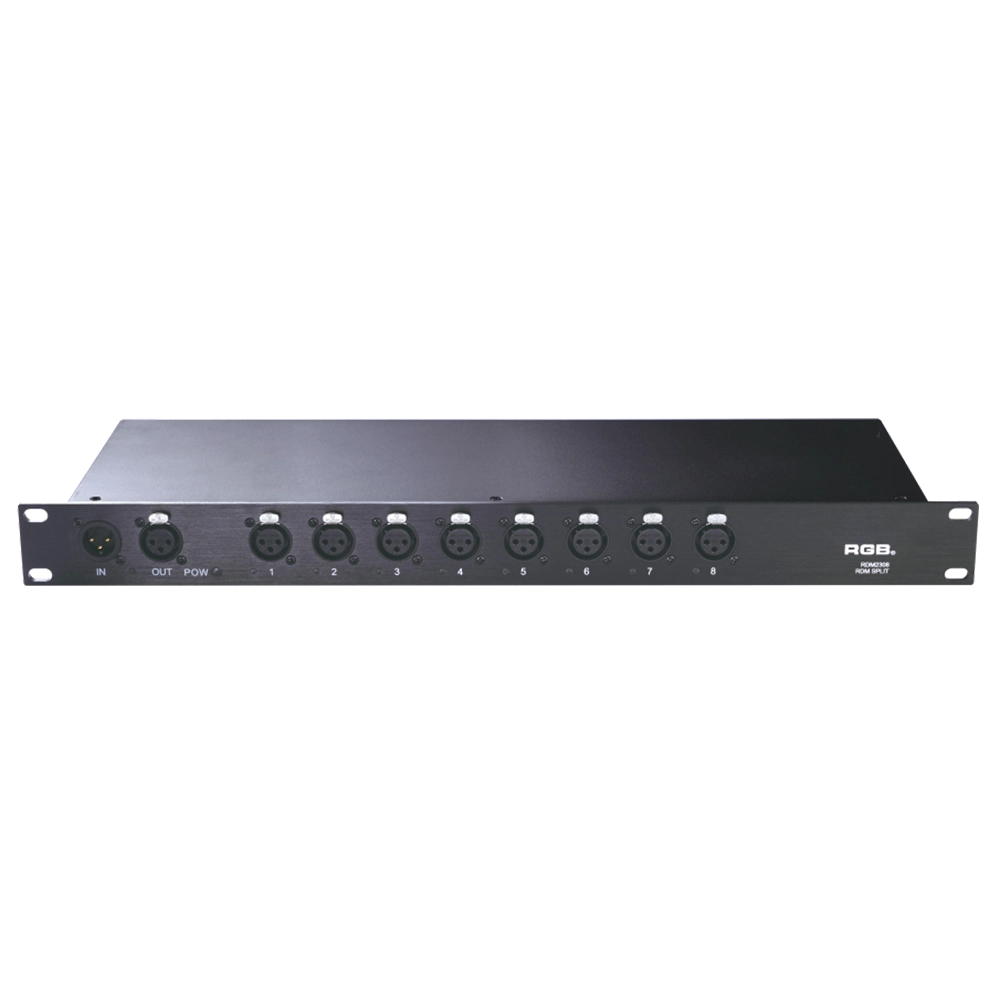
RDM Series Signal Amplifier
RDM2304, RDM2308, RDM2310, RDM2312 rack-mounted The RDM signal amplifier improves the quality of bidirectional RDM signal transmission, ensures the reliability of system control, and prevents faults such as AC high-voltage reverse series lighting control system, lightning high-voltage series entry, and line short circuit, which may affect system stability.
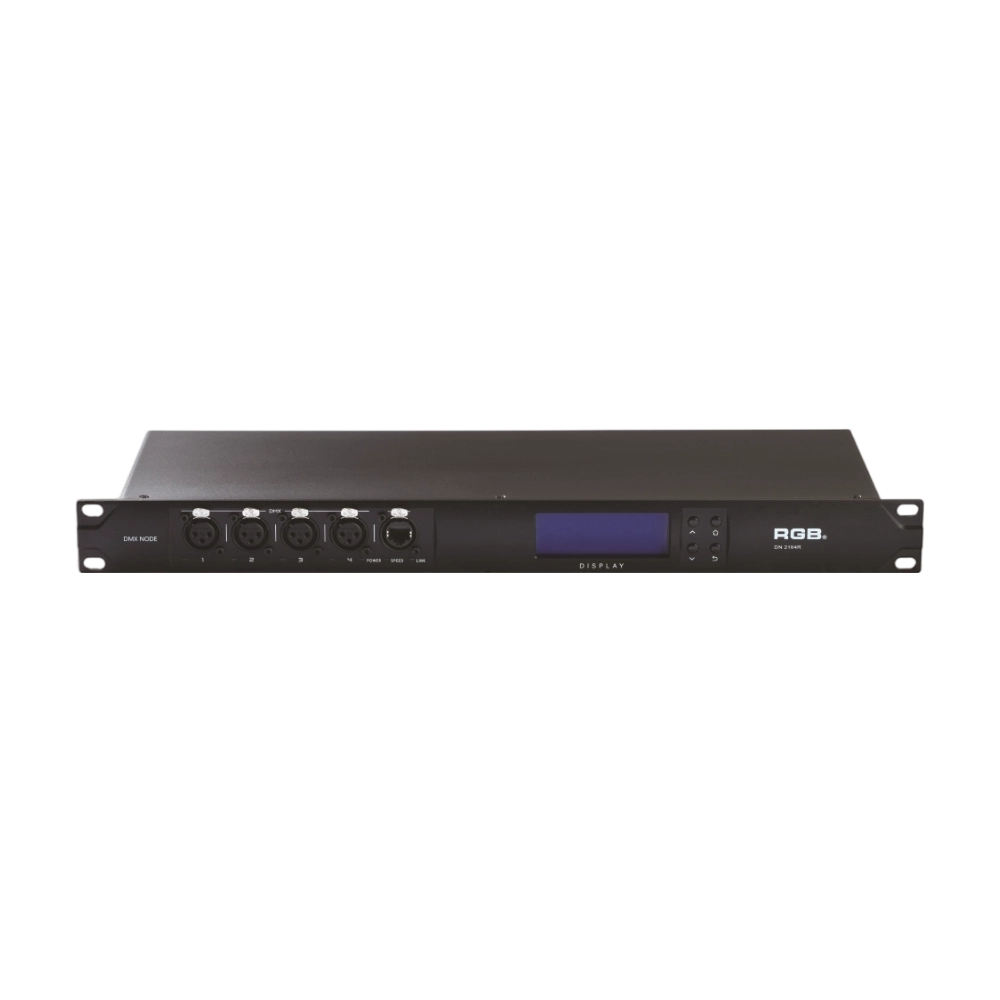
DMX, RDM Nodes
The DN series dual network port network decoder is a lighting control system product independently developed by RGB, featuring completely independent core technology and software copyright. It seamlessly connects and decodes the sACN and ART-Net network protocols based on TCP/IP with the DMX-512 and RDM communication protocols, achieving gigabit communication with dual independent physical address codes. Supports a visual lighting control system, intuitively displaying the online and offline status of the DN series network decoders, and enabling remote monitoring, editing, and setting of corresponding parameters.
It is widely applied in theaters, concert halls, multi-functional halls, cultural and tourism performances, TV stations, gymnasiums, auditoriums, commercial art lighting, and other performance and cultural venues.
Expert Support
Interested in learning more or need expert guidance related to this article? Fill in your details, and our team will provide tailored support.
Intelligent Control. Brilliant Performance.
RGB specializes in stage lighting control systems, delivering intelligent, reliable, and high-performance solutions for theaters and performance spaces worldwide.
Contact
Email:
Tel:
+86 20 3928 0245
+86 20 3928 0247
Address:
No.3, Huashan Road, Shilou Town, Panyu, Guangzhou, China.
Whatsapp: +8615975520131