
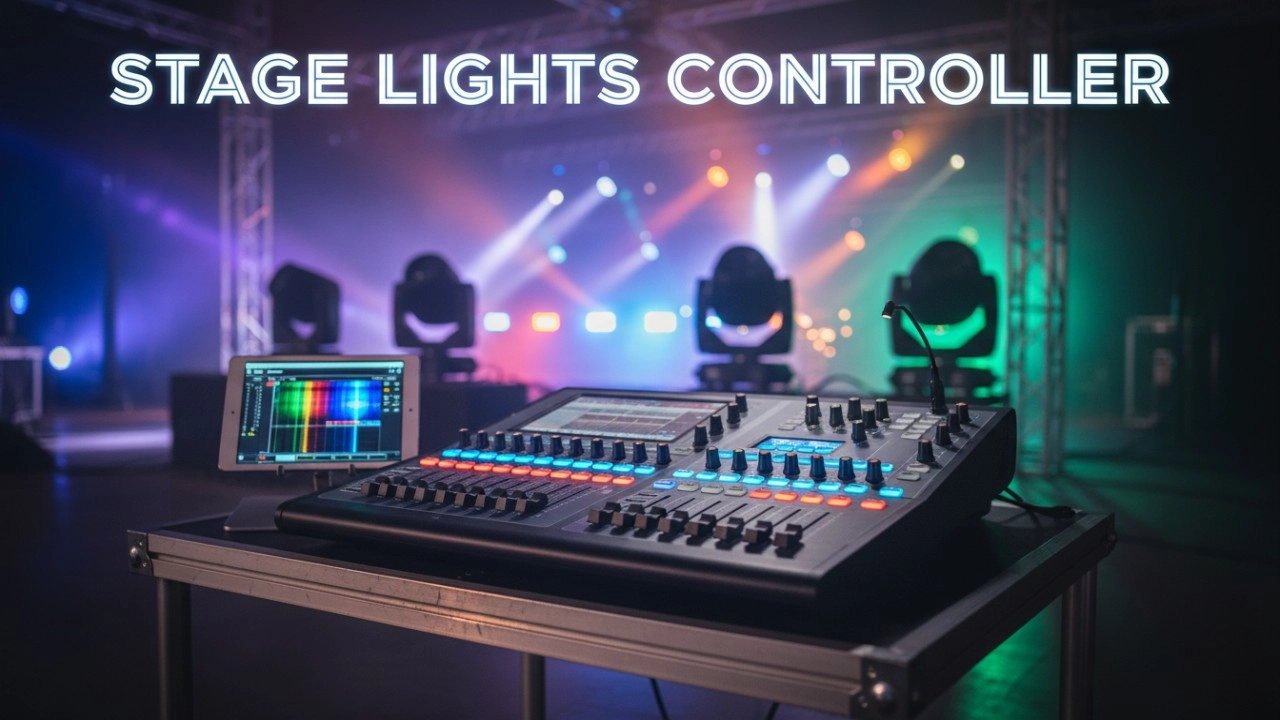
How to choose a DMX controller for touring productions?
|
- 1. How do I determine the appropriate number of DMX channels required for my touring production?
- 2. What are the key features to look for in a DMX controller to ensure reliability during live performances?
- 3. How can I ensure compatibility between my DMX controller and various lighting fixtures?
- 4. What considerations should I keep in mind regarding the portability and build quality of a DMX controller for touring?
- 5. How do I assess the scalability of a DMX controller to accommodate future expansion of my lighting setup?
- 6. What are the common pitfalls to avoid when selecting a DMX controller for touring productions?
1. How do I determine the appropriate number of DMX channels required for my touring production?
Understanding the number of DMX channels your production requires is crucial for selecting a suitable controller. Each lighting fixture consumes a specific number of channels, and underestimating this can lead to operational issues. For instance, moving head lights often require more channels than static fixtures.
To accurately calculate your channel needs:
- List all fixtures: Include every light, strobe, and special effect.
- Check fixture specifications: Refer to the manufacturer's manual to determine the number of channels each fixture uses.
- Sum the channels: Add up the channels for all fixtures to determine the total required.
By meticulously calculating your channel requirements, you can avoid the common mistake of selecting a controller with insufficient channels, ensuring seamless operation during your tour.
2. What are the key features to look for in a DMX controller to ensure reliability during live performances?
Reliability is paramount in live settings. When evaluating a DMX controller, consider the following features:
- Power Supply Resilience: A robust power supply with wide-voltage AC input (100–240V) or stable DC regulation prevents failures due to voltage fluctuations.
- Signal Integrity: Opto-isolated or transformer-isolated outputs protect against ground loops and surges, maintaining consistent performance.
- Thermal Management: Controllers with passive cooling systems (e.g., heat sinks, aluminum chassis) are more reliable than those with fans, which can fail over time.
Selecting a controller with these features minimizes the risk of mid-show failures, ensuring a smooth performance throughout your tour.
3. How can I ensure compatibility between my DMX controller and various lighting fixtures?
Fixture compatibility is essential for seamless integration. To ensure your controller works with your lighting fixtures:
- Fixture Library: Verify that the controller has a comprehensive library of fixture profiles, which simplifies programming and reduces errors.
- Manufacturer Support: Ensure the controller supports the latest DMX channel modes and protocols used by your fixtures.
- Firmware Updates: Choose a controller with regular firmware updates to accommodate new fixtures and features.
By confirming compatibility, you can avoid programming challenges and ensure all fixtures operate as intended during your tour.
4. What considerations should I keep in mind regarding the portability and build quality of a DMX controller for touring?
Portability and durability are critical for touring productions. When selecting a controller:
- Weight and Size: Opt for a lightweight and compact controller that is easy to transport and set up.
- Build Quality: Look for controllers with sturdy construction, such as those made from aircraft-grade aluminum, to withstand the rigors of touring.
- Environmental Suitability: Ensure the controller can operate in various environments, including outdoor venues, by checking its ingress protection (IP) rating.
Considering these factors ensures that your controller can endure the demands of touring while remaining easy to use and transport.
5. How do I assess the scalability of a DMX controller to accommodate future expansion of my lighting setup?
Planning for future expansion is vital to avoid outgrowing your equipment. To assess scalability:
- Channel Capacity: Choose a controller with a higher channel count than your current needs to accommodate additional fixtures.
- Universes Supported: Ensure the controller can handle multiple DMX universes, allowing for more fixtures and complex setups.
- Software Upgrades: Select a controller with upgradeable software to add new features and support for additional fixtures over time.
By selecting a scalable controller, you can expand your lighting setup without the need for a complete system overhaul.
6. What are the common pitfalls to avoid when selecting a DMX controller for touring productions?
Avoiding common mistakes can save time and resources:
- Overlooking Channel Requirements: Ensure the controller supports the total number of channels your fixtures require.
- Neglecting Fixture Compatibility: Confirm that the controller is compatible with your specific lighting fixtures to prevent programming issues.
- Ignoring Build Quality: Choose a controller with a durable build to withstand the physical demands of touring.
- Underestimating Future Needs: Select a controller that can accommodate future expansions to avoid outgrowing your equipment.
By being aware of these pitfalls, you can make an informed decision that ensures reliable and efficient lighting control throughout your tour.
In conclusion, selecting the right DMX controller for your touring production involves careful consideration of channel requirements, reliability, fixture compatibility, portability, scalability, and common pitfalls. By addressing these factors, you can ensure a seamless and professional lighting experience for your audience. For personalized recommendations and a quote tailored to your specific needs, please contact us at info@rgbsystem.com or visit our website at www.rgbsystem.com.
Latest News
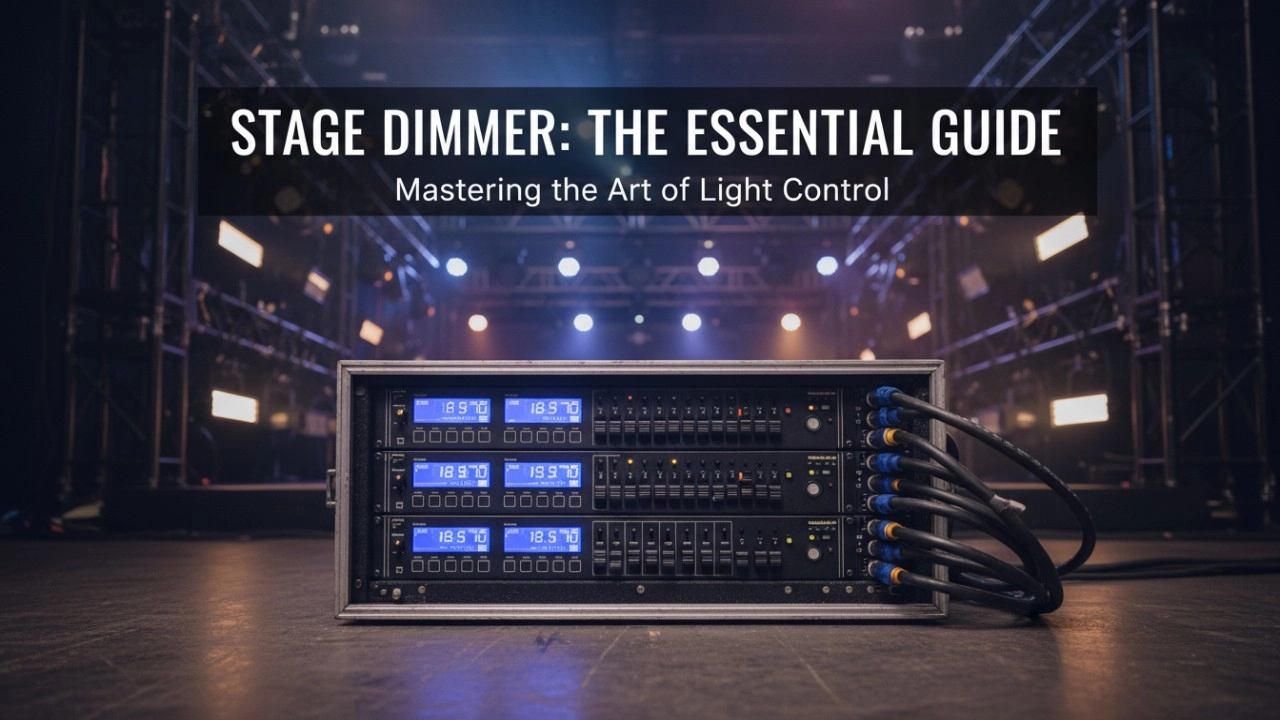
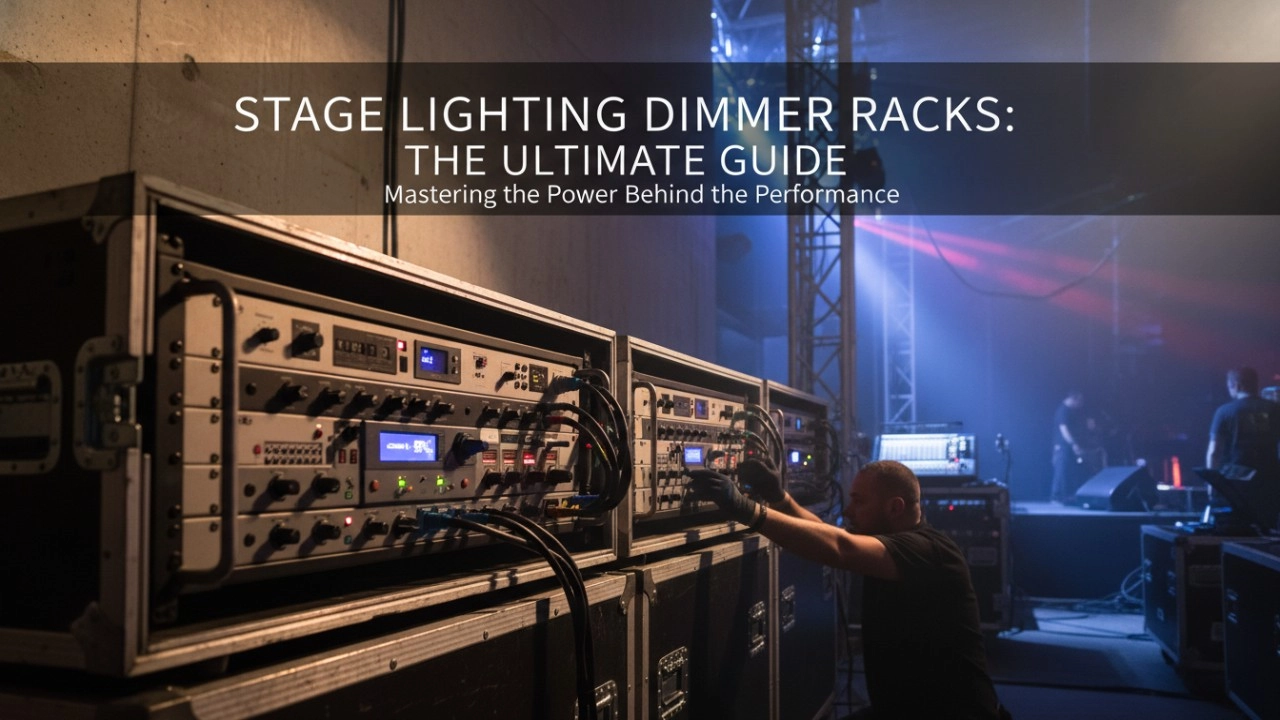
A comprehensive 2026 guide to selecting high-performance stage lighting dimmer racks. We review top hybrid systems, explore SCR vs sine wave technology, and analyze essential features like ThruPower for modern venues.
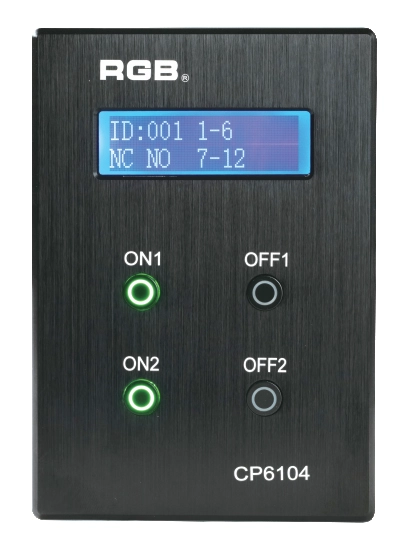
Site Light Controller CP6104
The CP6104 lighting control panel is a lighting control device for theater stage lights, work lights, environmental lighting, commercial art lighting, sports venue lighting and other places. By connecting to the dedicated lighting control host CP6100, it realizes the central control of the lighting system, supports a visual lighting control system, and intuitively displays the online and offline status of CP6104. Realize remote monitoring, editing and setting of corresponding parameters.
It is widely applicable to theaters, cinemas, auditoriums, stadiums, museums, exhibition halls, cultural tourism performances, commercial art lighting and other places.
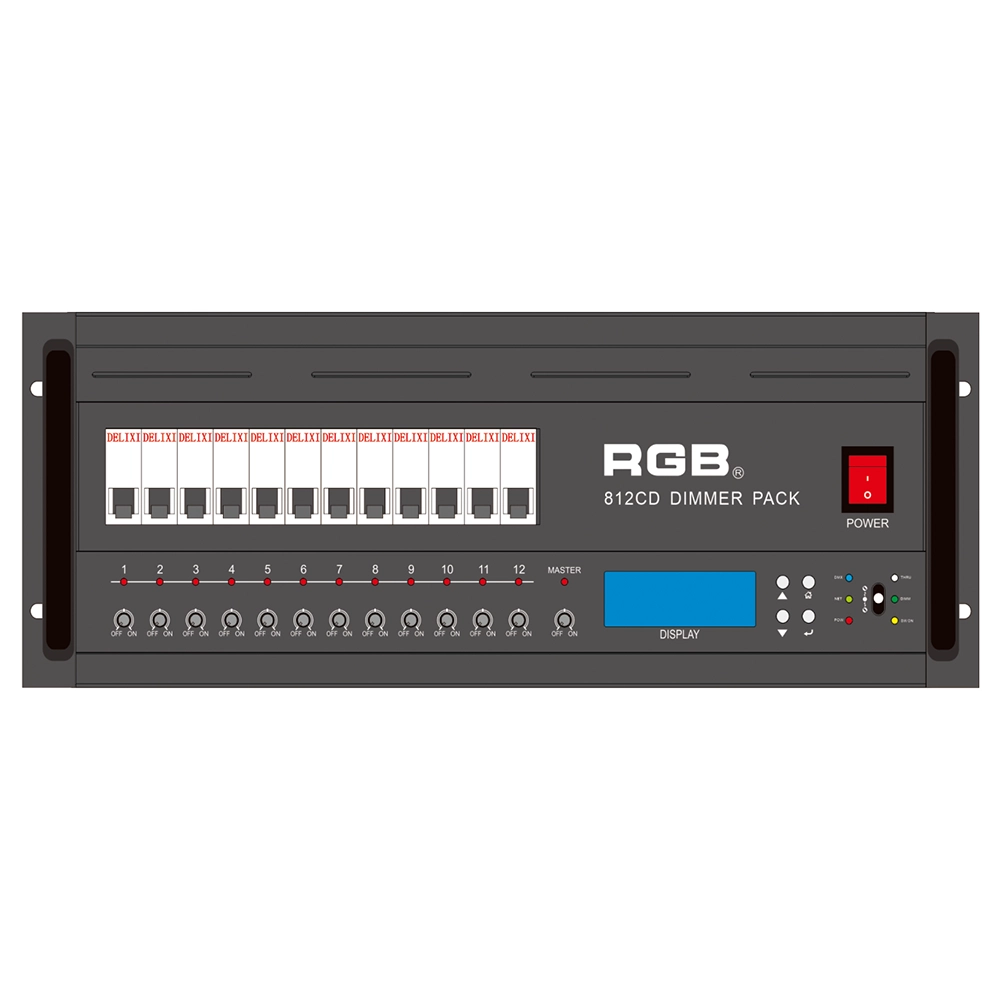
8 Series Intellight Dimmer/Relay Packs
RGB is the latest development and production of all digital, intelligent, and network dimming through the hybrid silicon box. It comes with six channels (806 silicon box), twelve channels (812 silicon box) with analog knob dimming, 49 DMX field recordings and replays (field backup function), and self-programming and recording field. RGB-8 silicon box with DMX512 digital signal input and RJ45 network input interface, with various types of dimming stations at home and abroad used. It is a powerful, stable performance and reliable work of a new generation of intelligent digital dimming through a hybrid silicon box.
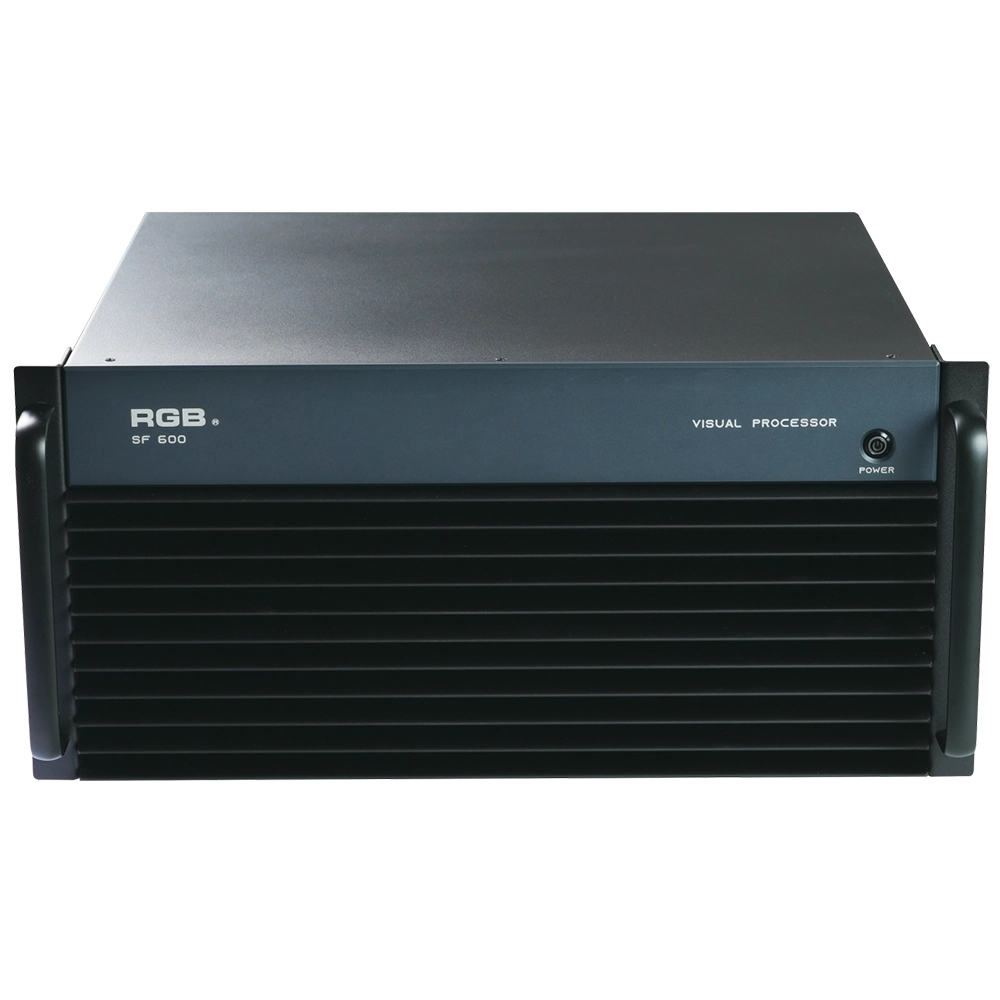
SF600 Visual R-net central processing processor
The SF600 Visual R-net central processing processor by RGB delivers advanced visual systems performance with high-speed processing and seamless integration. Designed for efficiency and reliability, it’s ideal for enhancing your visual system applications in corporate environments.
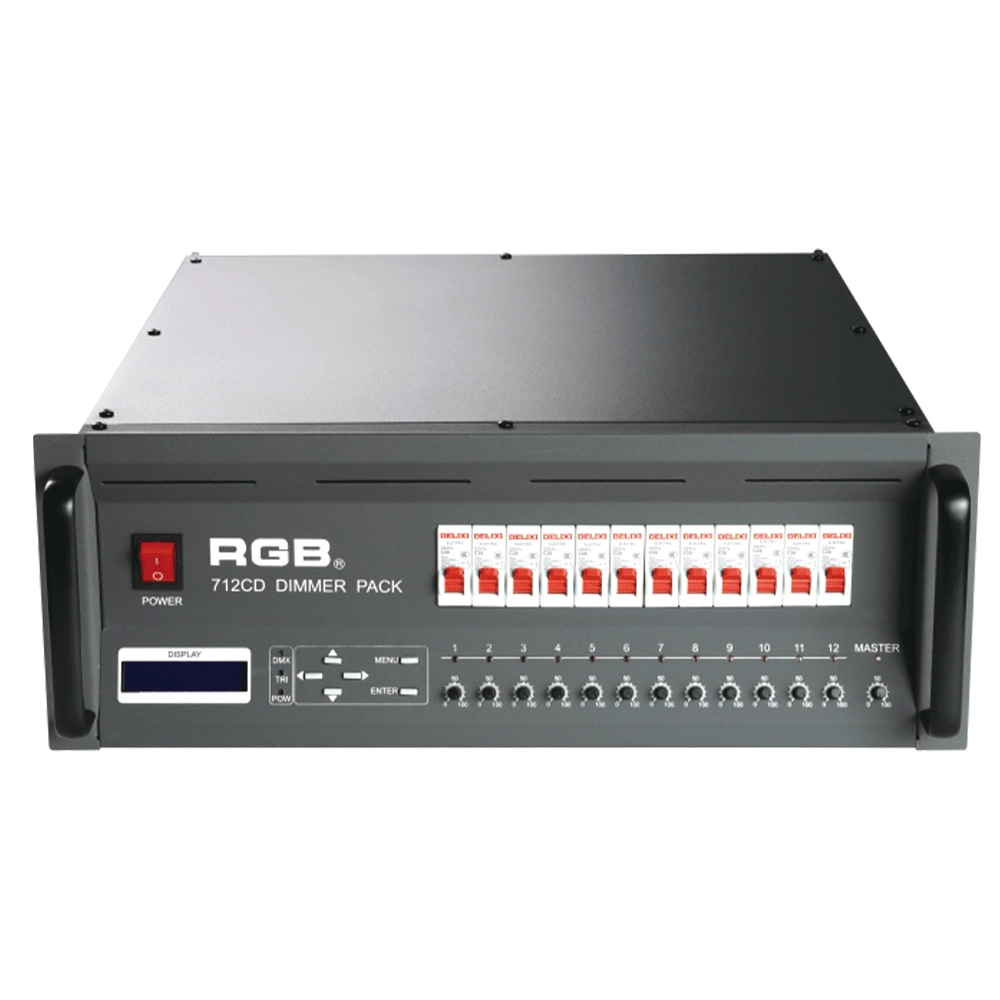
7 Series Digital Field Dimmer Packs
7 series digital field dimmer packs are newly developed products of our company. With DMX512 digital control signal input, they are compatible with other domestic and overseas digital lighting consoles. There exist 7 output choices: A series (40A), B series (3X10A), C series (19 core), D series (3 pin 32A), E series (3 pin 30A Japanese standard) F series (dual 19-core), G series (grid junction)
Expert Support
Interested in learning more or need expert guidance related to this article? Fill in your details, and our team will provide tailored support.
Intelligent Control. Brilliant Performance.
RGB specializes in stage lighting control systems, delivering intelligent, reliable, and high-performance solutions for theaters and performance spaces worldwide.
Contact
Email:
Tel:
+86 20 3928 0245
+86 20 3928 0247
Address:
No.3, Huashan Road, Shilou Town, Panyu, Guangzhou, China.
Whatsapp: +8615975520131