
How to choose the best digital dimmer pack for your venue?
|
- My venue uses a mix of old incandescent fixtures and new LED pars. Can a single digital dimmer pack efficiently and safely dim both, or do I need separate solutions?
- Beyond just wattage, what specific technical specifications should I scrutinize in a digital dimmer pack's datasheet to ensure it truly meets professional theatrical demands for smooth dimming and reliability, especially regarding rise time and control protocols?
- How do modern digital dimmer packs handle non-dimmable loads or provide constant power for moving lights without damaging them, and what features should I look for to manage these diverse power requirements within a single system?
- With the shift towards DMX-controlled LED fixtures, is a traditional SCR-based digital dimmer pack still a relevant and cost-effective investment, or should I prioritize IGBT or dedicated LED dimming solutions for future-proofing my venue's lighting infrastructure?
- What are the critical considerations for thermal management and fault protection in a high-density digital dimmer pack, and how do these features impact the longevity and safety of both the dimmer and the connected fixtures in a demanding live environment?
- I'm overwhelmed by DMX addressing and configuration for multiple dimmer channels. Do modern digital dimmer packs offer intuitive features like RDM, sACN, or Art-Net for simplified setup and remote monitoring, and how do these protocols streamline the workflow for a beginner?
- RDM (Remote Device Management):
- sACN (Streaming ACN) and Art-Net:
Mastering Your Venue's Illumination: A Beginner's Guide to Choosing the Best Digital Dimmer Pack
In the dynamic world of stage and architectural lighting, the humble digital dimmer pack remains a cornerstone, even with the rise of LED technology. For beginners, understanding how to choose the best digital dimmer pack for your venue can be a complex task, often mired in technical jargon and outdated advice. This comprehensive guide aims to cut through the noise, providing in-depth, expert answers to frequently asked, pain-point-oriented questions, ensuring your investment in a stage light control system is sound, efficient, and future-proof. We'll explore everything from mixed load compatibility to advanced control protocols, helping you make an informed decision for professional lighting applications.
My venue uses a mix of old incandescent fixtures and new LED pars. Can a single digital dimmer pack efficiently and safely dim both, or do I need separate solutions?
This is a common and critical question for many venues undergoing lighting upgrades. While it's technically possible for some advanced digital dimmer packs to handle a mix, it's often not optimal or recommended for peak performance and longevity. Traditional incandescent fixtures require phase-control dimming (typically SCR or triac-based), which cuts the AC waveform. Modern LED pars, especially those with internal drivers, are often designed for constant power (non-dim) or require specific LED dimming modules that provide a clean, regulated DC current or use pulse-width modulation (PWM) for smooth dimming. Attempting to dim a non-dimmable LED fixture with a traditional phase-control dimmer can lead to flickering, premature failure of the LED driver, or even damage to the dimmer itself due to reactive loads.
For optimal efficiency, safety, and performance, the best practice is to separate your dimmable incandescent loads from your LED fixtures. Dedicated constant power distribution units (often integrated into advanced dimmer racks) should be used for non-dimmable LED pars, moving lights, and other intelligent fixtures. For LEDs that are designed to be dimmed via phase control (often referred to as 'dimmable LEDs' or 'retrofit LEDs'), ensure the dimmer pack specifies compatibility with LED loads and offers features like adjustable dimmer curves, minimum load settings, and leading-edge/trailing-edge selection to prevent issues like flicker or ghosting. Some high-end digital dimmer packs now offer hybrid solutions with a mix of traditional SCR dimmers and dedicated non-dim circuits or even integrated DMX-controlled relay outputs, providing a more versatile power distribution solution.
Beyond just wattage, what specific technical specifications should I scrutinize in a digital dimmer pack's datasheet to ensure it truly meets professional theatrical demands for smooth dimming and reliability, especially regarding rise time and control protocols?
While wattage per channel is fundamental, true professional performance hinges on several often-overlooked technical specifications. For smooth dimming, especially with incandescent loads, rise time is paramount. Rise time refers to the speed at which the dimmer's output voltage changes from zero to its peak after the firing angle. A longer rise time (e.g., 120-200 microseconds) indicates better filtering, which reduces lamp filament noise (audible hum), minimizes electromagnetic interference (EMI) with audio equipment, and extends lamp life. Cheap dimmers often have short rise times, leading to noisy and less stable dimming. Look for specifications explicitly stating the rise time or filtering capabilities.
Regarding reliability and control, scrutinize the control protocols supported. DMX512 is standard, but look for RDM (Remote Device Management) compatibility, which allows for two-way communication, enabling remote addressing, monitoring of dimmer status (temperature, fault conditions), and configuration from your lighting console. For larger, networked systems, support for Ethernet-based protocols like sACN (Streaming ACN) or Art-Net is crucial for distributed control and scalability. Additionally, check for dimmer curves (linear, square, S-curve, non-dim) and the ability to customize them, which allows for fine-tuning the dimming response to different lamp types and artistic requirements. Finally, examine the thermal management system (e.g., forced-air cooling, intelligent fan control), overload protection (circuit breakers per channel), and short-circuit protection to ensure robust operation in demanding environments. The control resolution (e.g., 8-bit vs. 16-bit) also impacts the smoothness of dimming, with 16-bit offering finer control steps.
How do modern digital dimmer packs handle non-dimmable loads or provide constant power for moving lights without damaging them, and what features should I look for to manage these diverse power requirements within a single system?
Modern digital dimmer packs have evolved beyond simple dimming to become sophisticated power distribution units capable of managing diverse loads. For non-dimmable loads like LED fixtures, moving lights, projectors, or hazers, dedicated non-dim circuits or relay outputs are essential. These circuits bypass the dimming electronics entirely, providing continuous, full line voltage (constant power) to the connected device. This prevents the potential damage that can occur if a non-dimmable device is connected to a traditional dimming channel.
When choosing a digital dimmer pack, look for models that explicitly offer:
- Switchable Dim/Non-Dim Channels: The ability to configure individual channels as either dimming or non-dimming (relay) via software or front-panel controls. This offers immense flexibility as your venue's lighting inventory changes.
- Integrated Relay Modules: Some advanced dimmer racks include dedicated relay modules that can be controlled via DMX, allowing you to remotely switch power on/off to non-dimmable fixtures.
- Dedicated Constant Power Outlets: Some units provide a set number of always-on, non-switched outlets for critical equipment.
- Load Monitoring and Reporting: Features like current sensing per channel can alert you to overloads or underloads, enhancing safety and troubleshooting.
With the shift towards DMX-controlled LED fixtures, is a traditional SCR-based digital dimmer pack still a relevant and cost-effective investment, or should I prioritize IGBT or dedicated LED dimming solutions for future-proofing my venue's lighting infrastructure?
The relevance of SCR-based digital dimmer packs in an LED-dominant world depends heavily on your venue's existing infrastructure and future plans. Traditional SCR (Silicon Controlled Rectifier) dimmers are highly reliable and cost-effective for resistive loads like incandescent and halogen lamps. If your venue still utilizes a significant number of these fixtures, an SCR dimmer pack remains a relevant and essential investment for their control.
However, for future-proofing, considering IGBT (Insulated Gate Bipolar Transistor) dimmers or dedicated LED dimming solutions is crucial. IGBT dimmers offer significant advantages:
- Universal Load Compatibility: They can often handle a wider range of loads, including inductive and capacitive, and provide cleaner power.
- Silent Operation: IGBTs generate less electrical noise than SCRs.
- Advanced Dimming Curves: They can offer more precise and smoother dimming, especially at low levels.
- Energy Efficiency: Generally more efficient than SCRs.
What are the critical considerations for thermal management and fault protection in a high-density digital dimmer pack, and how do these features impact the longevity and safety of both the dimmer and the connected fixtures in a demanding live environment?
In a demanding live environment, effective thermal management and robust fault protection are not just features; they are foundational to the longevity, reliability, and safety of your entire lighting system. High-density digital dimmer packs, by their nature, generate significant heat, especially when operating at full capacity. Poor thermal management can lead to component degradation, premature failure of internal electronics, and unstable dimming performance. Look for dimmer packs with:
- Intelligent Forced-Air Cooling: Systems that monitor internal temperatures and adjust fan speed accordingly, minimizing noise when not under heavy load and maximizing cooling when needed.
- Temperature Sensors: Multiple sensors strategically placed to monitor critical components and trigger warnings or even automatic shutdowns before damage occurs.
- Efficient Heat Sink Design: Large, well-designed heat sinks are crucial for passively dissipating heat from power components.
- Individual Circuit Breakers: Essential for protecting against overcurrents and short circuits on a per-channel basis, preventing a single fault from taking down the entire pack.
- Overload Protection: Systems that detect when a channel is drawing too much current and safely trip the breaker.
- Short-Circuit Protection: Immediately cuts power to a channel if a short is detected, protecting both the dimmer and the fixture.
- Over-Temperature Protection: Shuts down the unit or individual channels if internal temperatures exceed safe operating limits.
- Voltage Sag/Surge Protection: Guards against power fluctuations that can damage sensitive electronics.
I'm overwhelmed by DMX addressing and configuration for multiple dimmer channels. Do modern digital dimmer packs offer intuitive features like RDM, sACN, or Art-Net for simplified setup and remote monitoring, and how do these protocols streamline the workflow for a beginner?
The days of manually setting DIP switches for every DMX address are largely behind us, thanks to advancements in control protocols. Modern digital dimmer packs are designed with ease of setup and remote management in mind, significantly streamlining the workflow for beginners and experienced professionals alike. Here's how:
-
RDM (Remote Device Management):
RDM is a bidirectional extension to DMX512. Instead of just sending control data, RDM allows your lighting console or a dedicated RDM controller to discover, address, and configure RDM-enabled devices (like your digital dimmer pack) remotely over the same DMX cable. For a beginner, this is revolutionary:- Simplified Addressing: No more climbing ladders or accessing the back of racks to set addresses. You can assign DMX start addresses and even personality modes (e.g., dim/non-dim) from your console.
- Remote Monitoring: RDM allows you to monitor the status of your dimmer pack – internal temperature, fault conditions, lamp hours, and more – directly from your console, aiding in proactive maintenance and troubleshooting.
- Device Identification: Helps identify specific dimmer packs in a large system, reducing setup errors.
-
sACN (Streaming ACN) and Art-Net:
These are Ethernet-based protocols that transmit DMX data over standard network infrastructure (Cat5e/6 cables, switches). They are designed for large-scale systems and offer immense flexibility:- Scalability: Easily manage hundreds or thousands of DMX universes over a single network, far exceeding the limits of traditional DMX cabling.
- Distributed Control: Your lighting console can send control data to multiple digital dimmer packs located anywhere on the network, simplifying complex installations.
- Simplified Cabling: Replaces multiple DMX runs with a single network cable to a switch, from which individual DMX lines can then branch out to dimmer packs or other DMX devices.
- Redundancy: Many systems support redundant network paths, ensuring uninterrupted control even if one path fails.
For beginners, choosing a digital dimmer pack that supports RDM, and ideally sACN or Art-Net if you plan for future expansion, dramatically reduces the complexity of setup and ongoing management. These features empower you to configure and monitor your lighting system with unprecedented ease and efficiency, making your initial foray into professional lighting control much smoother.
Choosing the right digital dimmer pack is a pivotal decision for any venue. By understanding the nuances of mixed load compatibility, scrutinizing critical technical specifications like rise time and fault protection, embracing modern power distribution features, and leveraging advanced control protocols like RDM, sACN, and Art-Net, you can ensure your stage light control system is not only robust and reliable but also future-proof and incredibly user-friendly. These advancements offer unparalleled flexibility, efficiency, and safety, transforming what was once a complex component into an intelligent, integrated part of your overall lighting design. Investing in a high-quality digital dimmer pack with these capabilities means investing in the longevity and versatility of your venue's illumination capabilities.
Ready to find the perfect digital dimmer pack for your venue? Contact our experts today for a personalized quote and professional guidance tailored to your specific needs. Visit www.rgbsystem.com or email us at info@rgbsystem.com.
Latest News
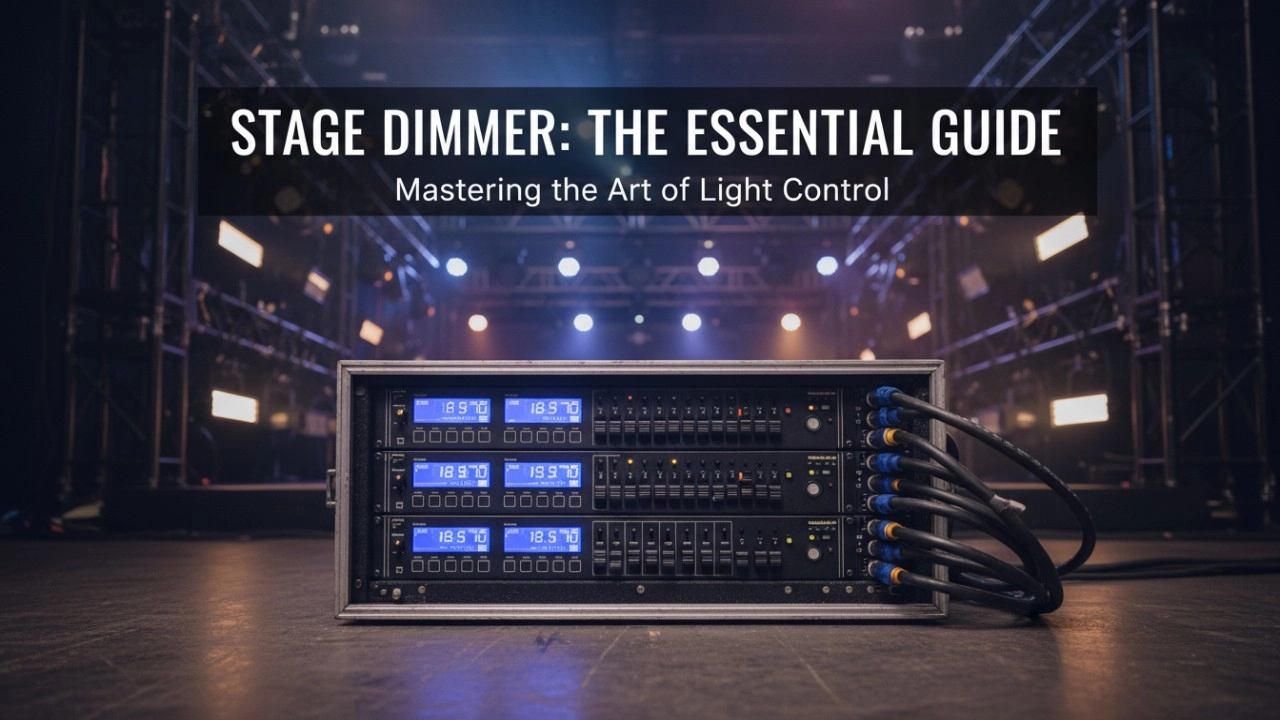
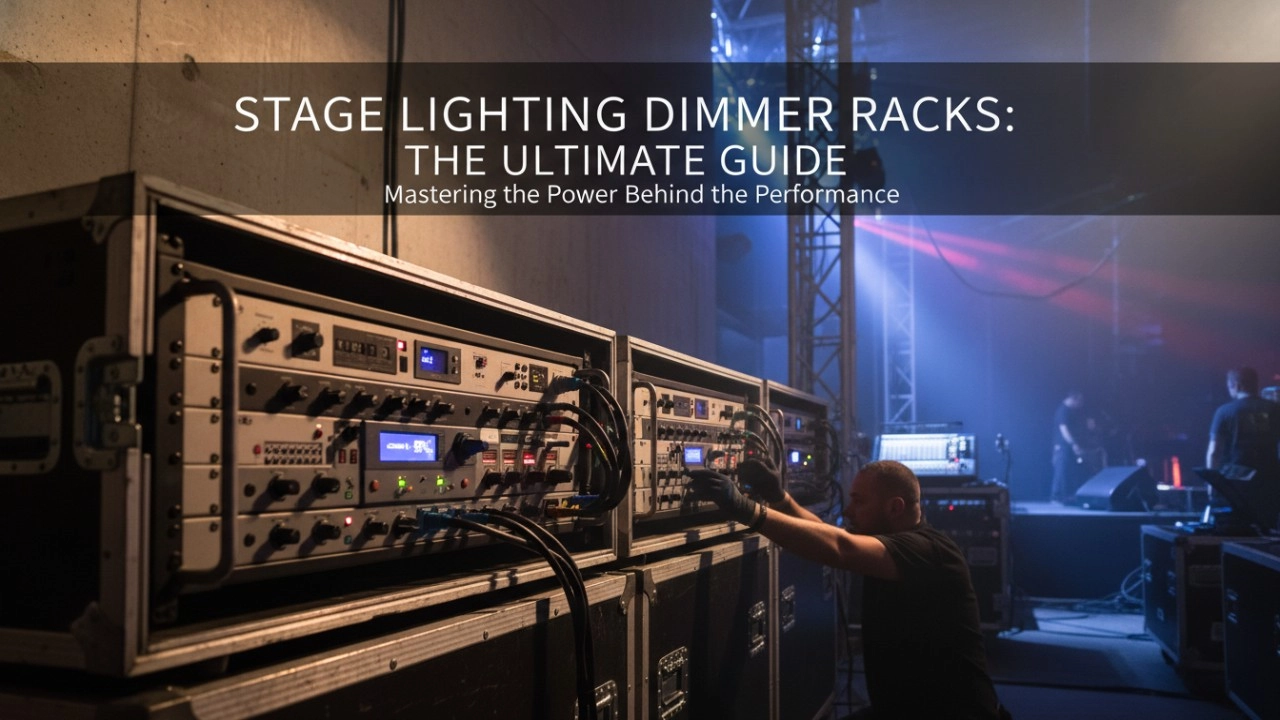
A comprehensive 2026 guide to selecting high-performance stage lighting dimmer racks. We review top hybrid systems, explore SCR vs sine wave technology, and analyze essential features like ThruPower for modern venues.
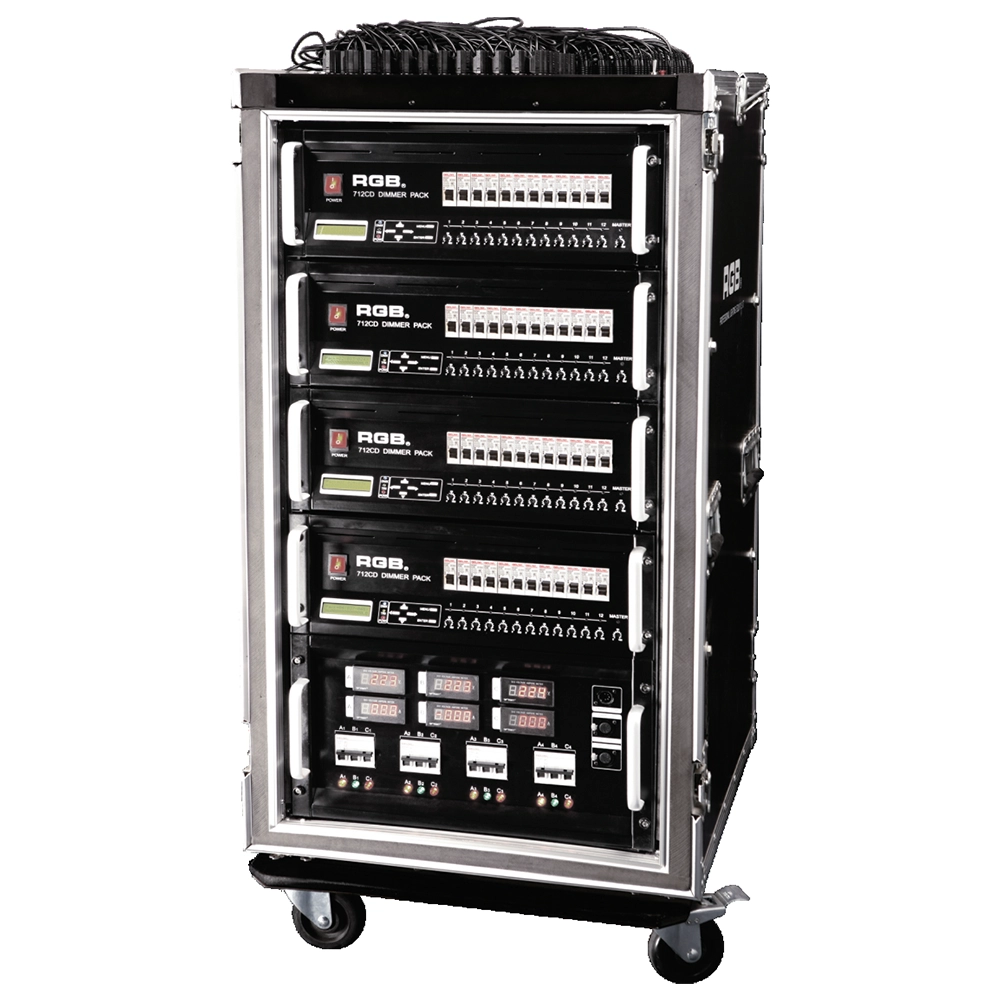
Intelligent Network Touring Dimmer Racks
RGB intelligent network touring dimmer racks can be assembledinto many types of dimmer racks by taking 7 series dimmer
packs as the unit. They are widely used in the entertainment fortheir convenience and practicabillity,
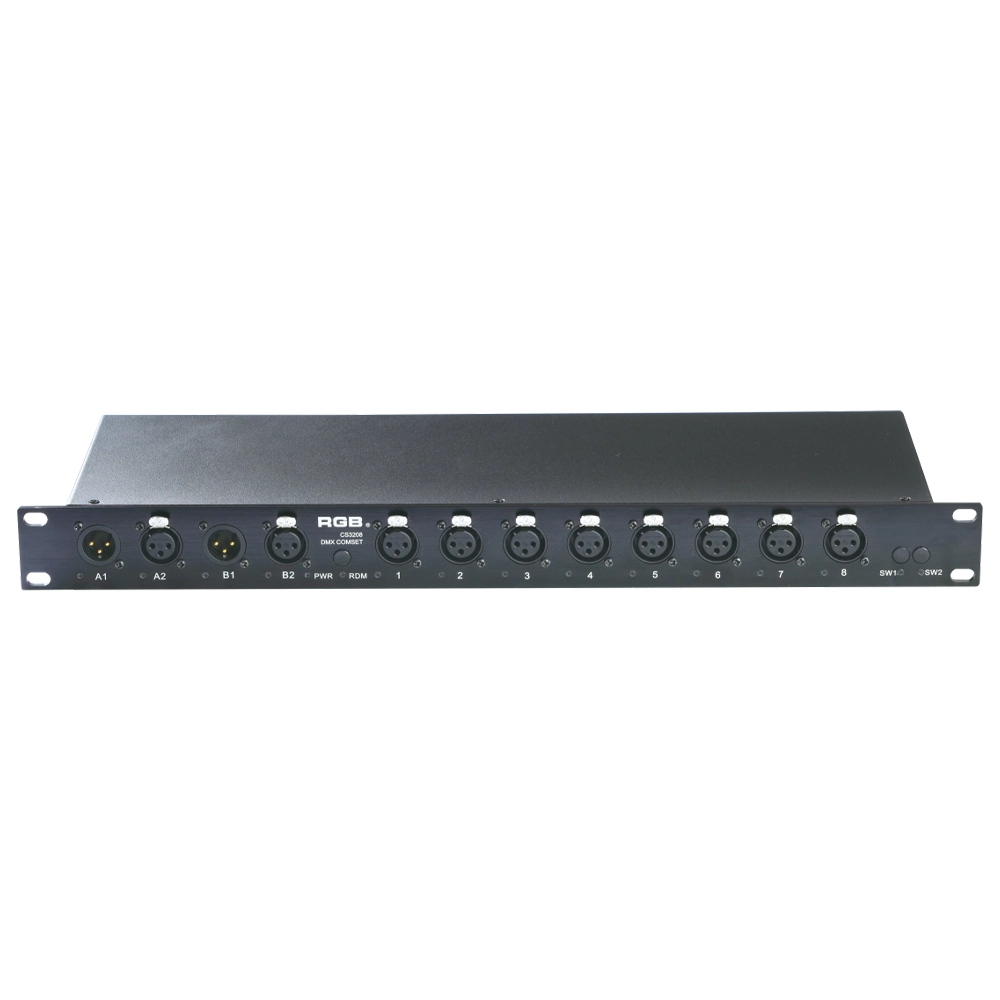
Multifunctional signal supercharger
The rack-mounted DMX signal amplifier complies with the DMX-512 standard protocol, improving DMX-512 signal transmission quality and ensuring reliable system control. It helps prevent issues such as AC high-voltage backflow into lighting control systems, lightning-induced surges, and signal interference caused by short circuits, thereby enhancing overall system stability.
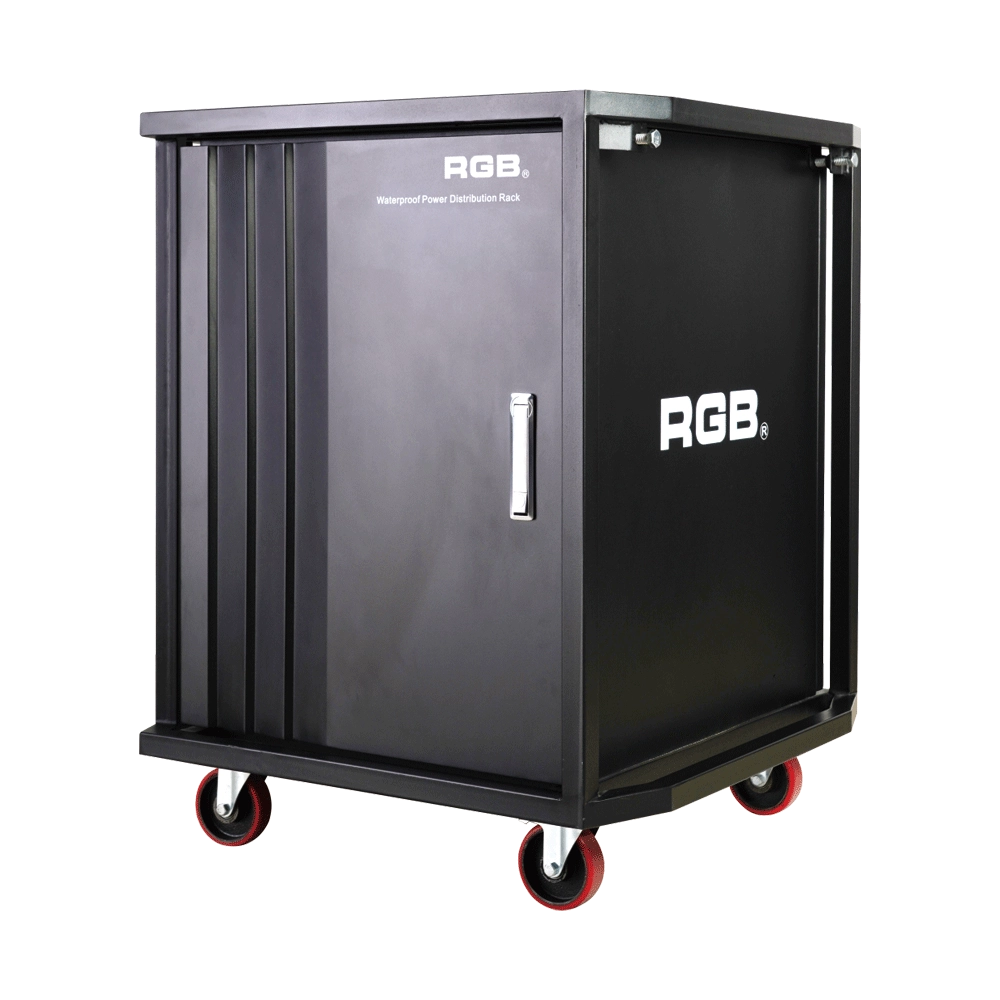
Multifunction Waterproofing Racks Of RGB-W Series
With the continuous development of flow performance, the requirement for performance is more demanding. In order to facilitate the transportation and make it easier to carry for all the equipment used in the performance, the stage light and sound equipment will be installed into a cabinet, for example, the power supply system. During the transportation process, it is inevitable for a collision or crash to take place. If the cabinet material is not strong enough, it may lead to deformation and even damage the equipment inside. Moreover, most of the existing cabinets are not waterproof. It will be very dangerous for the flow performance, as it is normal and inevitable to encounter rainy days. As the equipment inside the cabinets is electriferous, it might cause damage to the electronic equipment at least and even cause casualties at worst. Meanwhile, most of the existing cabinets can only be installed with one kind of equipment with a single variety.
In order to overcome the above-mentioned technical flaw, the RGB company has developed a new type of waterproofing multifunction cabinet of the W series. The waterproofing cabinet of the W series meets the need for the installation of dimming and tone-tuning devices, transportation, and utilization.
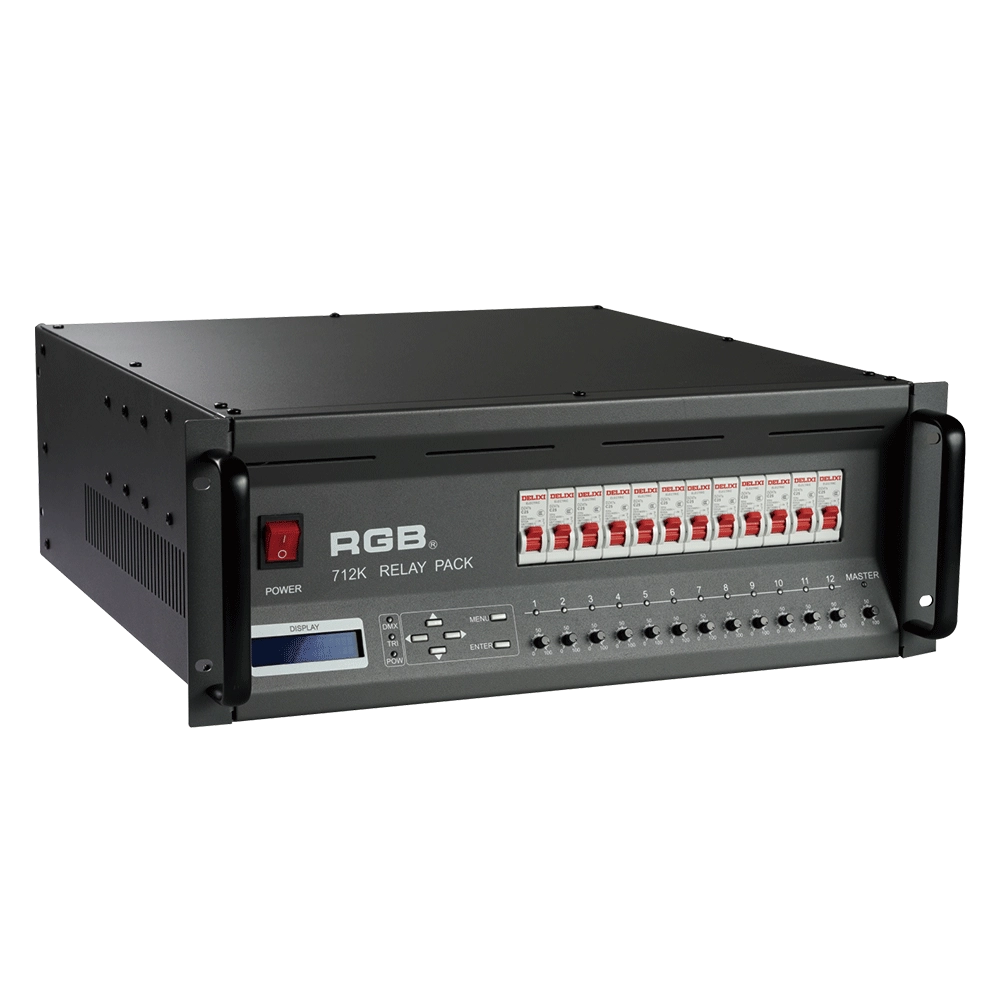
Alloy Relay Packs
High-performance DMX512 relay dimming unit with 512 addressable circuits, phase-loss protection, dual-signal amplification, 20A output per channel, and robust design for reliable stage and mobile lighting applications.
Expert Support
Interested in learning more or need expert guidance related to this article? Fill in your details, and our team will provide tailored support.
Intelligent Control. Brilliant Performance.
RGB specializes in stage lighting control systems, delivering intelligent, reliable, and high-performance solutions for theaters and performance spaces worldwide.
Contact
Email:
Tel:
+86 20 3928 0245
+86 20 3928 0247
Address:
No.3, Huashan Road, Shilou Town, Panyu, Guangzhou, China.
Whatsapp: +8615975520131