
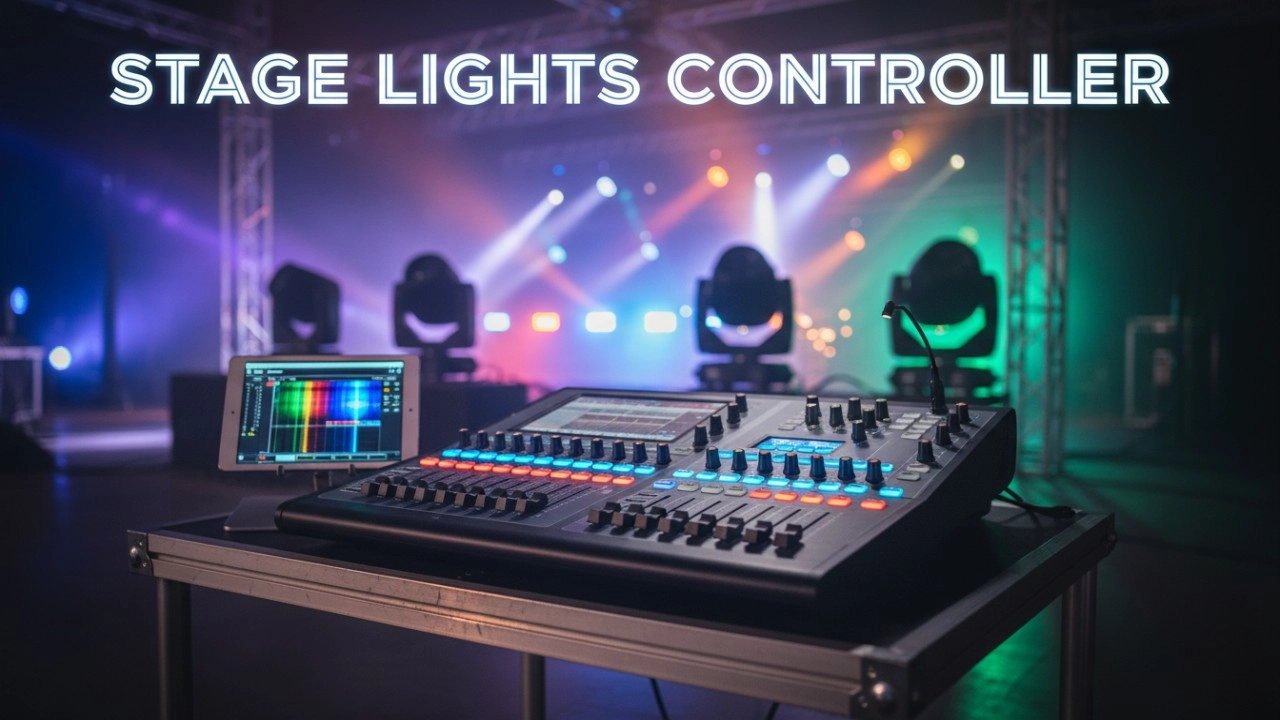
Which stage light controller is best for small theaters?
|
- 1. What are the key features to consider when selecting a stage light controller for a small theater?
- 2. How do I determine the appropriate number of DMX channels required for my theater's lighting setup?
- 3. What are the advantages of using software-based lighting control systems over hardware controllers in small theaters?
- 4. How can I ensure compatibility between my lighting fixtures and the chosen controller?
- 5. What are the maintenance requirements for stage light controllers in small theaters?
- 6. How do I balance cost and functionality when selecting a stage light controller for a small theater?
1. What are the key features to consider when selecting a stage light controller for a small theater?
When choosing a stage light controller for a small theater, it's crucial to evaluate several key features:
Channel Capacity: Ensure the controller can handle the number of fixtures you plan to use. For instance, a 512-channel DMX controller can manage a mix of PAR lights, wash fixtures, and moving heads.
User Interface: Opt for controllers with intuitive interfaces, such as the Chauvet DJ Obey 70, which offers hands-on flexibility without a steep learning curve.
Software Compatibility: Consider controllers that support software integration for advanced programming. The NA Intelligent DMX512 Interface, for example, works seamlessly with software like Easy Stand Alone (ESA), allowing for both live control and standalone operation.
Expandability: Choose controllers that allow for future expansion, accommodating additional fixtures or more complex setups as your theater's needs grow.
Budget Considerations: Controllers range from budget-friendly options like the Chauvet DJ Obey 70 to more advanced systems. Assess your theater's financial constraints and prioritize features that offer the best value.
2. How do I determine the appropriate number of DMX channels required for my theater's lighting setup?
Calculating the necessary DMX channels involves:
Fixture Count: List all lighting fixtures, including PAR lights, moving heads, and special effects.
Channel Allocation: Each fixture has a specific channel count. For example, a moving head may require 16–20 channels.
Total Channel Calculation: Multiply the number of each fixture type by its channel count and sum the totals.
Buffer for Future Expansion: Add extra channels to accommodate future additions or unforeseen requirements.
Ensure the chosen controller supports the total channel count, considering both current and future needs.
3. What are the advantages of using software-based lighting control systems over hardware controllers in small theaters?
Software-based lighting control systems offer several benefits:
Cost-Effectiveness: Many software solutions are free or low-cost, reducing initial investment.
Flexibility: Software allows for complex programming and real-time adjustments, offering greater creative control.
Integration: Software can integrate with various hardware interfaces, providing a customizable setup.
User-Friendly Interfaces: Modern software often features intuitive interfaces, making it accessible for beginners.
However, consider the learning curve and the need for a reliable computer system to run the software.
4. How can I ensure compatibility between my lighting fixtures and the chosen controller?
To ensure compatibility:
Fixture Manuals: Review the DMX channel modes and protocols specified by the fixture manufacturers.
Controller Specifications: Verify that the controller supports the required protocols and channel modes.
Manufacturer Support: Consult with manufacturers or authorized dealers for compatibility information.
Community Forums: Engage with online communities or forums where professionals share their experiences and advice.
Ensuring compatibility prevents operational issues and facilitates smoother integration.
5. What are the maintenance requirements for stage light controllers in small theaters?
Maintenance considerations include:
Regular Software Updates: Keep software-based controllers updated to benefit from new features and security patches.
Hardware Inspection: Periodically check hardware controllers for signs of wear or damage.
Cleaning: Dust and clean controllers to prevent overheating and ensure optimal performance.
Training: Ensure staff are trained in basic troubleshooting and maintenance procedures.
Proper maintenance extends the lifespan of the equipment and ensures reliable operation during performances.
6. How do I balance cost and functionality when selecting a stage light controller for a small theater?
Balancing cost and functionality involves:
Prioritizing Essential Features: Focus on features that directly impact your theater's needs, such as channel capacity and ease of use.
Considering Future Needs: Invest in equipment that can accommodate future growth or changes in your theater's lighting requirements.
Evaluating Total Cost of Ownership: Consider not only the initial purchase price but also maintenance costs, software updates, and potential training expenses.
Seeking Expert Advice: Consult with lighting professionals or experienced users to gain insights into the best value options.
By carefully evaluating these factors, you can select a stage light controller that offers the best balance between cost and functionality for your small theater.
In conclusion, selecting the right stage light controller for a small theater involves careful consideration of features, compatibility, maintenance, and budget. By addressing these aspects, you can ensure a lighting system that enhances performances and meets your theater's specific needs.
For personalized recommendations and a detailed quote, please contact us at info@rgbsystem.com or visit our website at www.rgbsystem.com.
Latest News
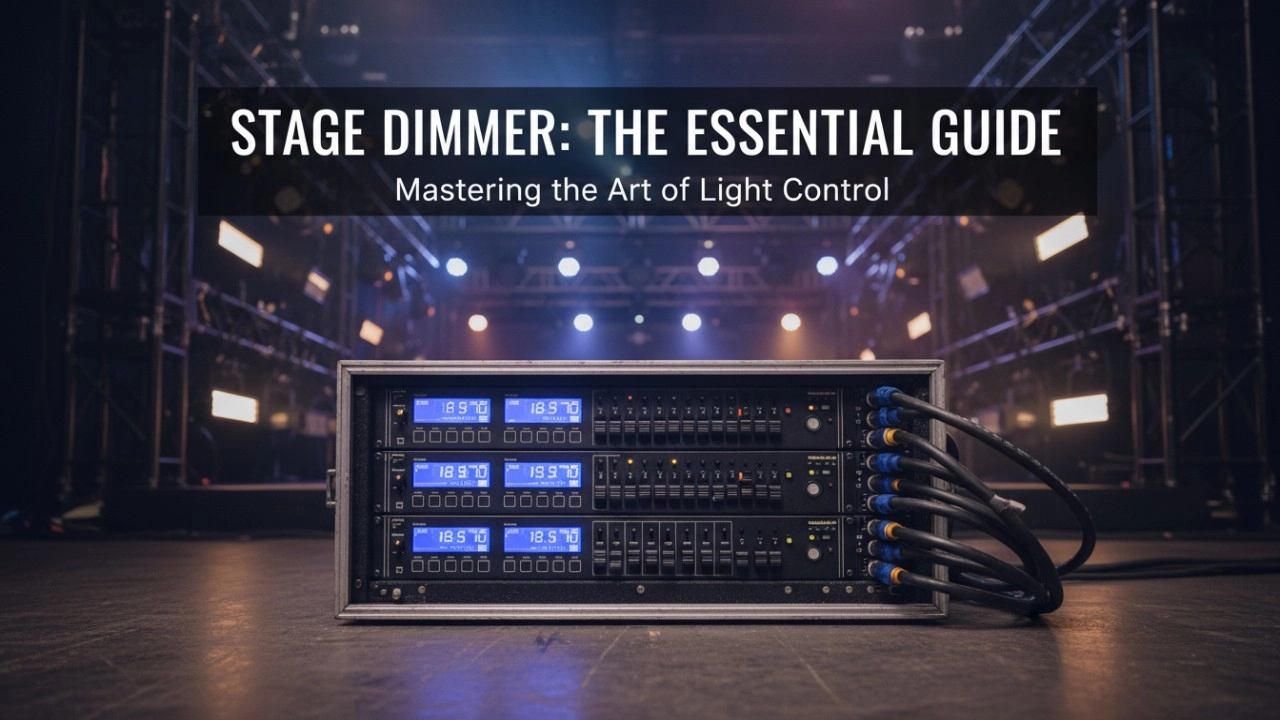
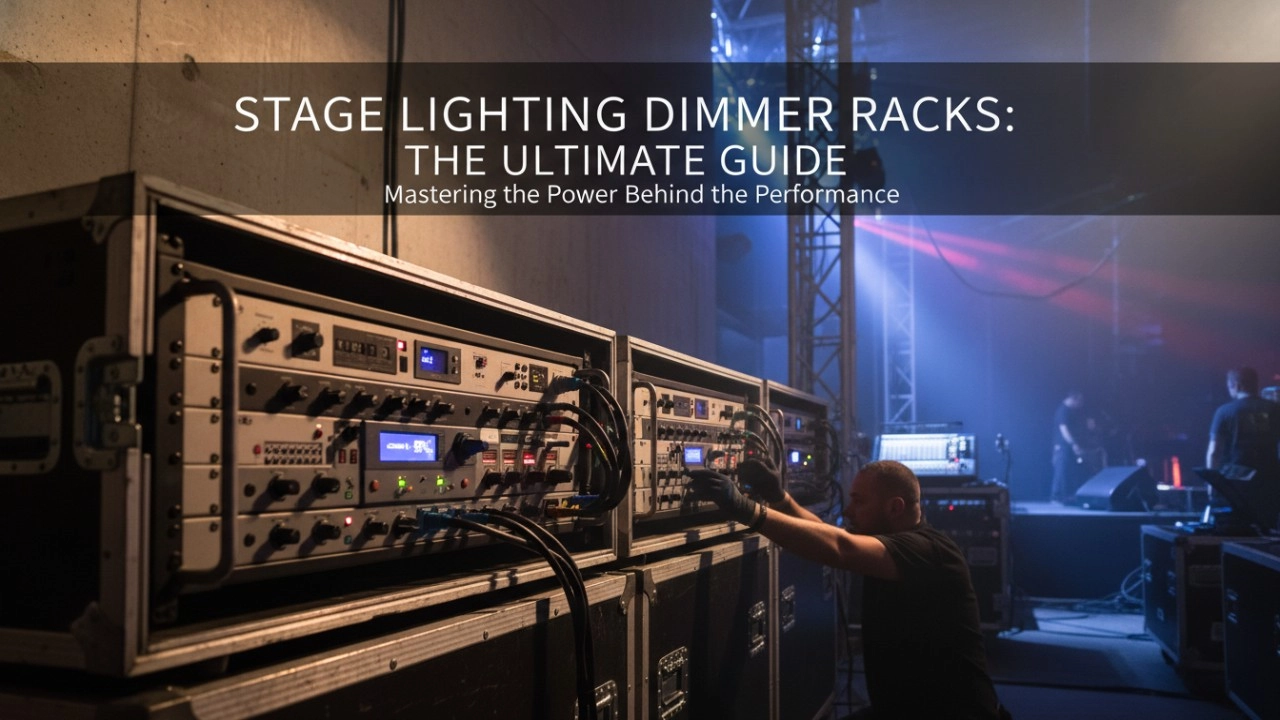
A comprehensive 2026 guide to selecting high-performance stage lighting dimmer racks. We review top hybrid systems, explore SCR vs sine wave technology, and analyze essential features like ThruPower for modern venues.
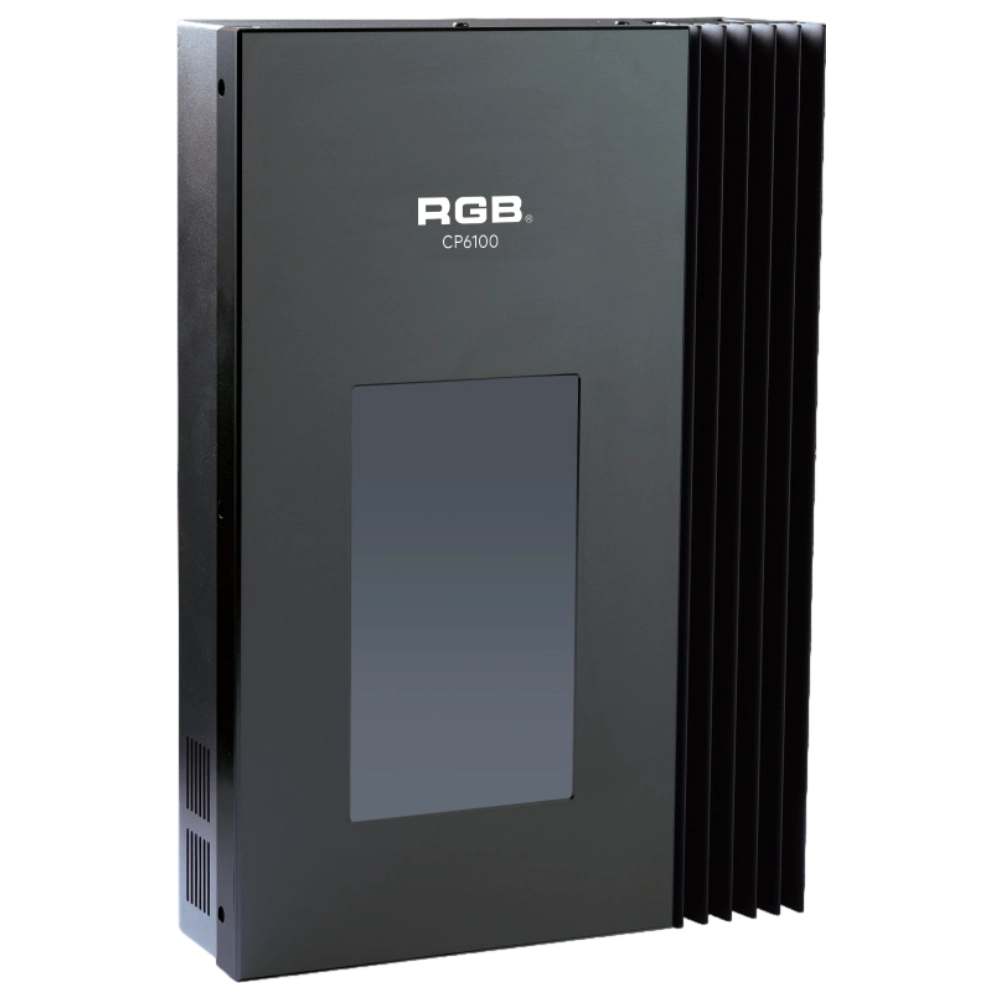
CP6100 Light Control System
The lighting control host is the main control device for theater stage lights, work lights, environmental lighting, commercial art lighting, sports venue lighting, and other places. By connecting the dedicated lighting control panels CP6104 and CP6108, it realizes the central control of the lighting system, supports a visual lighting control system, and intuitively displays the online and offline status of CP6100. Realize remote monitoring, editing, and setting of corresponding parameters.
It is widely applicable to theaters, cinemas, auditoriums, stadiums, museums, exhibition halls, cultural tourism performances, commercial art lighting, and other places.
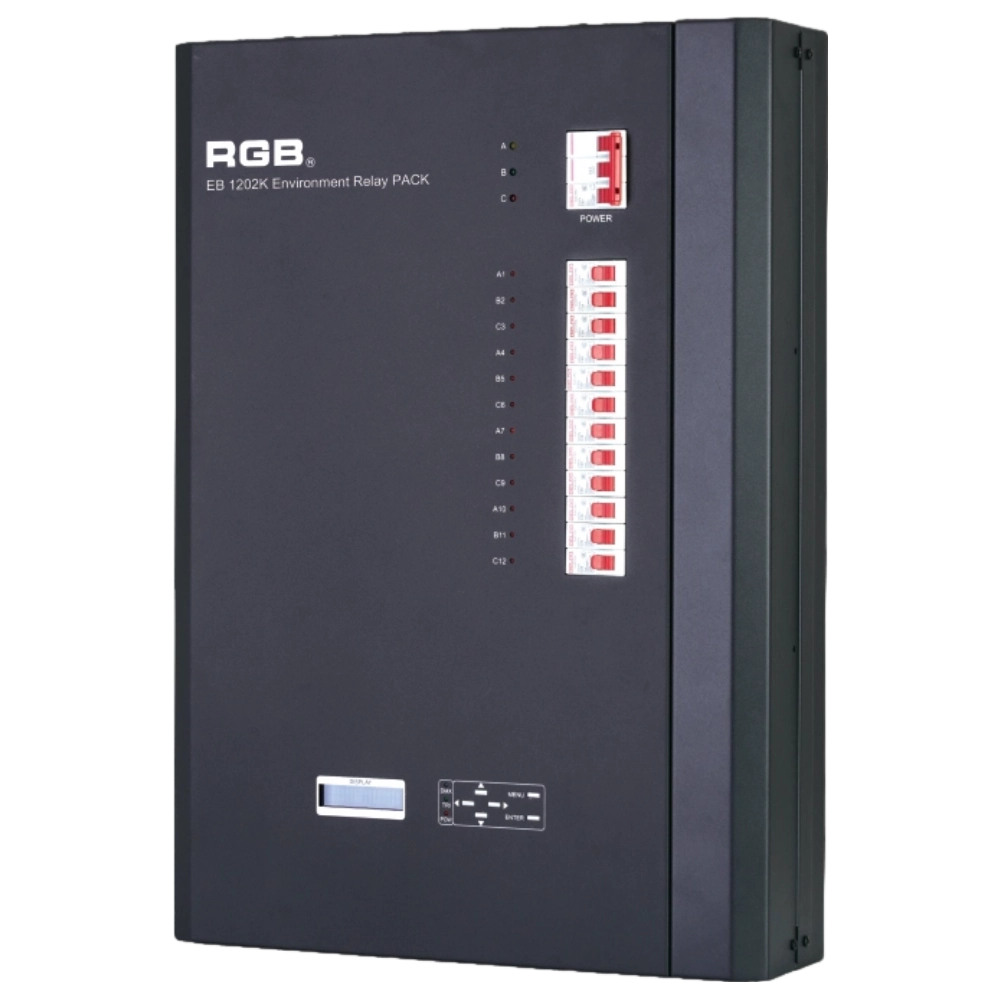
EB1202 Wall-Mounted Smart Site Light Control Series
Wall-mounted smart lighting controller with CE certification, DMX512 compatibility, flexible 12/24-channel output, scene backup, intelligent interface, and multiple dimming curves for precise professional lighting control.
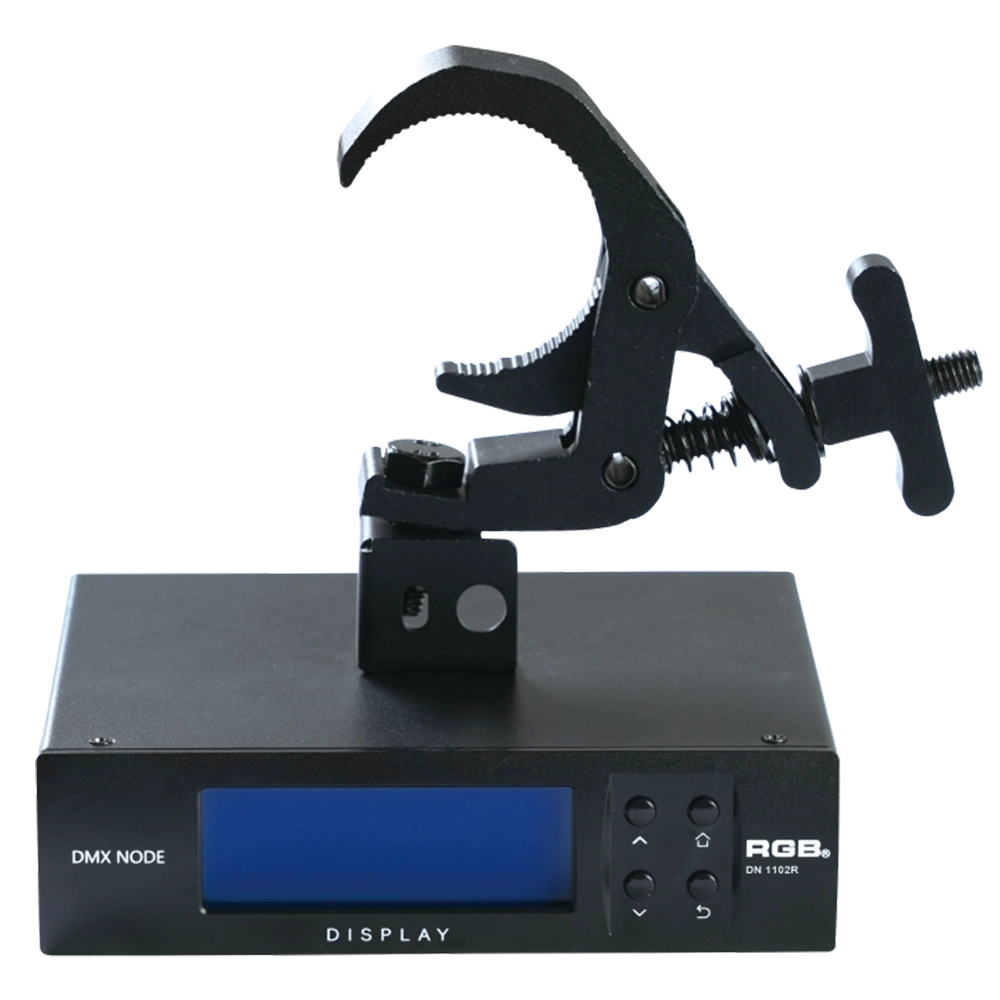
RDM Nodes
The DN series network decoder is a product of the lighting control system independently developed by RGB, featuring completely independent core technology and obtaining software copyrights. It seamlessly connects and decodes the sACN and Art-Net network protocols based on TCP/IP with the DMX-512 and RDM communication protocols. Supports a visual lighting control system, intuitively displaying the online and offline status of the DN series network decoders, and enabling remote monitoring, editing, and setting of corresponding parameters.
It is widely applied in theaters, concert halls, multi-functional halls, cultural and tourism performances, TV stations, gymnasiums, auditoriums, commercial art lighting, and other performance and cultural venues.
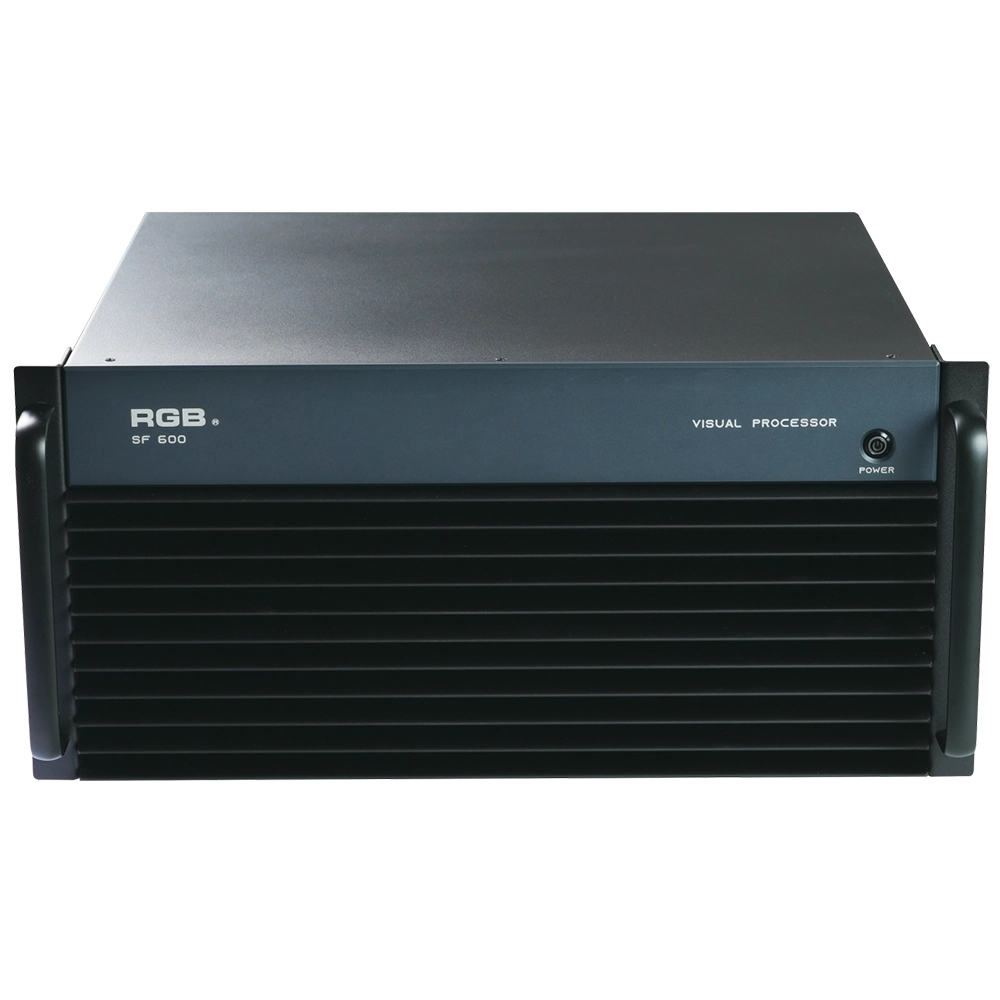
SF600 Visual R-net central processing processor
The SF600 Visual R-net central processing processor by RGB delivers advanced visual systems performance with high-speed processing and seamless integration. Designed for efficiency and reliability, it’s ideal for enhancing your visual system applications in corporate environments.
Expert Support
Interested in learning more or need expert guidance related to this article? Fill in your details, and our team will provide tailored support.
Intelligent Control. Brilliant Performance.
RGB specializes in stage lighting control systems, delivering intelligent, reliable, and high-performance solutions for theaters and performance spaces worldwide.
Contact
Email:
Tel:
+86 20 3928 0245
+86 20 3928 0247
Address:
No.3, Huashan Road, Shilou Town, Panyu, Guangzhou, China.
Whatsapp: +8615975520131