
Unlock Professional Lighting Control: Why Investing in a Stage Light Controller Can Transform Your Productions
|
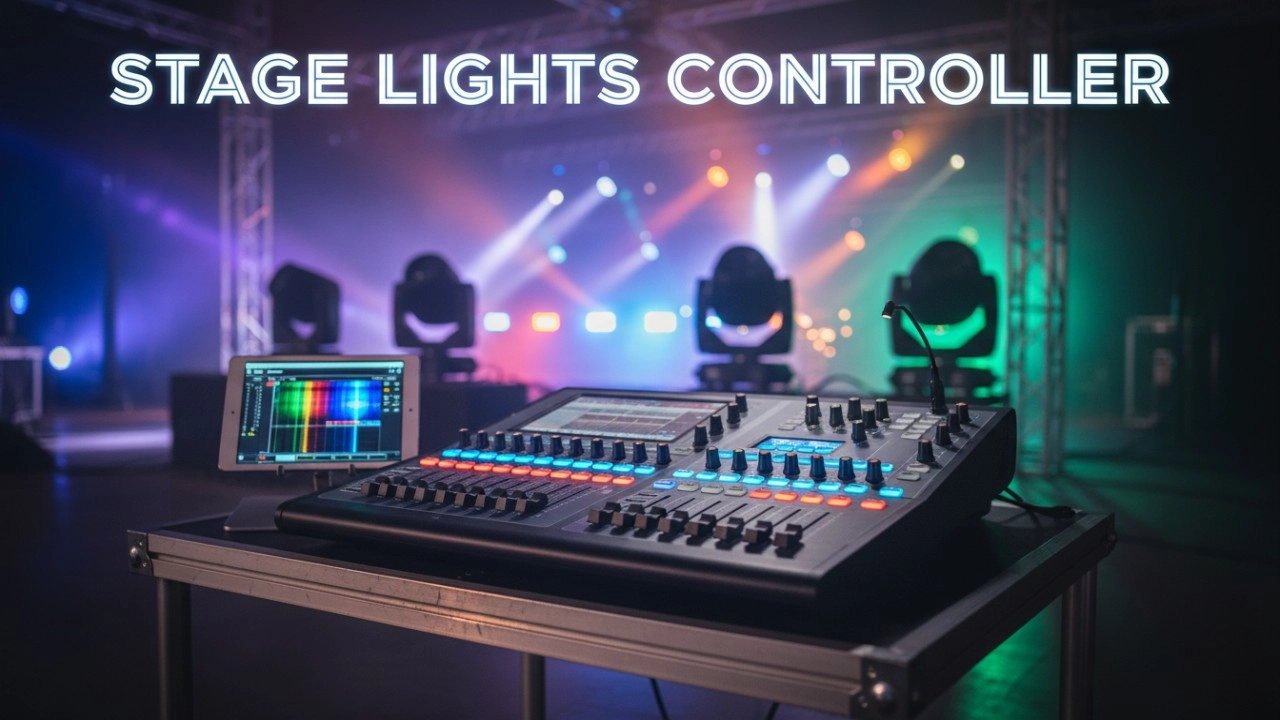
- Quick Summary: The Value of Professional Lighting Control
- What is a Stage Light Controller and Why Do You Need One?
- Why You Need Dedicated Control:
- How a Dedicated Controller Transforms Your Production Quality
- Hardware Consoles vs. Software Solutions: Choosing Your Weapon
- Hardware Consoles
- Software-Based Control
- Hybrid Systems
- Key Features to Look for in a Modern Lighting Desk
- Essential Features Checklist:
- Future-Proofing Your Rig: Lighting Control Trends for 2026
- Emerging Trends to Watch:
- Expert Tips: 5 Mistakes to Avoid When Investing
- Avoid These Pitfalls:
- FAQ: Common Questions About Stage Light Controllers
- Conclusion
Quick Summary: The Value of Professional Lighting Control
A professional stage light controller is the critical interface that converts static fixtures into a dynamic, synchronized visual performance. It allows you to program complex cues, manage multiple universes of data, and scale your production value far beyond simple manual switching.
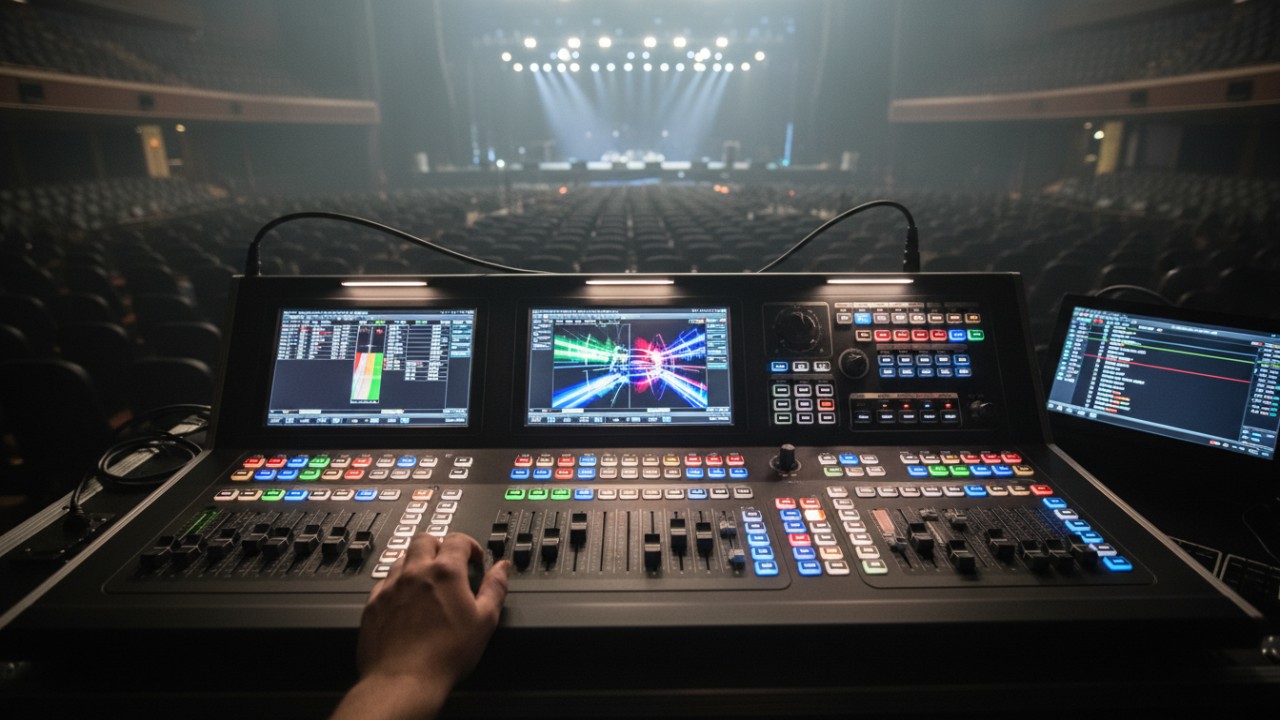
- Dynamic Storytelling: Bridges the gap between basic illumination and emotional visual impact.
- Efficiency: Drastically reduces setup time through saved scenes and automated patching.
- Scalability: Essential for managing the DMX512 protocol across moving heads and intelligent fixtures.
- Future-Readiness: Prepares your rig for the advanced automation standards expected in 2026.
What is a Stage Light Controller and Why Do You Need One?
A stage light controller (often called a lighting board or console) is the central command unit that transmits digital instructions to lighting fixtures, dictating parameters like color, intensity, beam angle, and movement. It acts as the "brain" of your lighting rig, replacing manual dimmer switches with precise, programmable logic.
At its core, professional lighting relies on the DMX512 protocol. According to the United States Institute for Theatre Technology (USITT), DMX512 is the industry-standard digital communication protocol that allows controllers to "talk" to equipment, enabling the coordination of up to 512 channels per universe. Without a dedicated controller, your intelligent lights are effectively useless, capable only of running in chaotic "sound-active" modes rather than a cohesive show.
Why You Need Dedicated Control:
- Unification: It synchronizes diverse fixture types (LEDs, spots, washes) into a single ecosystem.
- Repeatability: You can program specific "scenes" or "cues" that look exactly the same every night.
- Complexity: It handles the math required for complex movements, such as circle effects or color chases, which are impossible to execute manually.
How a Dedicated Controller Transforms Your Production Quality
Investing in a professional controller creates a streamlined stage lighting workflow where visual effects are perfectly synchronized with audio cues and performance dynamics. This synchronization is the primary factor that distinguishes a high-end professional show from an amateur production.
When you upgrade from basic fader wings to a robust system, you unlock:
- Precision and Timing: Execute complex cues perfectly in sync with the music or speaker, eliminating the awkward pauses common in manual operation.
- Mood Management: Instantly shift the room's atmosphere from high-energy strobe sequences to subtle theatrical washes with a single button press.
- Scalability: Unlike basic dimmer packs, professional controllers allow you to easily add new fixtures to existing universes without rewiring the entire system.
- Brand Perception: A polished, programmed light show signals high production value. At Guangzhou RGB Lighting Equipment Co., Ltd., we have observed that venues upgrading to intelligent control systems often justify higher client fees due to the enhanced visual experience.
Hardware Consoles vs. Software Solutions: Choosing Your Weapon
The choice between hardware consoles and DMX automation software depends largely on your need for tactile control versus visual programming power. While hardware offers stability for live busking, software often provides superior visualization tools for complex design.
Hardware Consoles
- Best For: Live concerts, clubs, and busking (improvising) shows.
- Pros: Tactile faders and buttons allow for muscle-memory operation; no risk of computer OS crashes or updates interrupting a show.
- Cons: Higher initial cost; fixed number of physical playbacks.
Software-Based Control
- Best For: Pre-programmed theater shows, complex architectural installs, and budget-conscious users.
- Pros: Drag-and-drop interfaces; powerful DMX automation software features like 3D visualizers; easy updates.
- Cons: Requires a reliable computer and distinct USB-to-DMX interface; lack of physical faders can slow down live adjustments.
Hybrid Systems
- The Gold Standard: Many professionals now use a PC running powerful software connected to a physical "command wing." This offers the processing power of a computer with the tactile reliability of a console.
Key Features to Look for in a Modern Lighting Desk
When selecting a controller, prioritize channel count, connectivity standards, and an integrated effects engine to ensure your investment lasts. Modern lighting console features have evolved significantly, moving beyond simple intensity control to full media integration.
To ensure your setup meets professional standards, look for compliance with protocols maintained by ESTA (Entertainment Services and Technology Association), such as sACN and Art-Net, which allow for network-based data distribution.
Essential Features Checklist:
- Universe Count: Ensure the board handles your current fixture library with room for at least 20% expansion. A single "Universe" handles 512 channels.
- Effects Engine (FX): Built-in generators for movements (circles, figure-8s) and color chases save hours of manual programming time.
- Connectivity: Look for Art-Net, sACN, and MIDI integration capabilities. This allows your lighting to sync with sound desks or video servers.
- User Interface: Touchscreens and motorized faders significantly speed up the workflow during live events, allowing for instant corrections.
Future-Proofing Your Rig: Lighting Control Trends for 2026
Future-proofing your lighting rig requires adopting intelligent lighting control systems that support AI integration, wireless connectivity, and extended reality (XR) workflows. The industry is moving rapidly toward systems that assist the programmer rather than just obeying commands.
Emerging Trends to Watch:
- AI-Assisted Programming: New controllers are beginning to offer predictive cue suggestions and auto-patching features, drastically reducing the time needed to set up a show.
- Wireless DMX Integration: We are moving away from heavy copper cabling toward stable, battery-backed wireless control ecosystems that reduce load-in times.
- VR Visualization: The ability to pre-visualize stages in virtual reality before the gear even arrives at the venue is becoming standard workflow for high-end corporate events.
Expert Tips: 5 Mistakes to Avoid When Investing
The most common mistake when buying a controller is purchasing for current needs rather than future growth, leading to immediate obsolescence. Drawing from our experience at RGB, where we have supported major projects like the Beijing Olympics and Asian Games, we recommend a long-term strategy.
Avoid These Pitfalls:
- Buying for Now, Not Later: Avoid purchasing a controller that maxes out your channels immediately. If you have 10 moving heads, don't buy a 192-channel board; you will run out of space instantly.
- Ignoring Library Updates: Ensure the manufacturer frequently updates their fixture profiles (SSL libraries). A console that cannot recognize new fixtures is useless.
- Overlooking the Learning Curve: Don't buy a complex grandMA-style console for a volunteer-run church setup without a dedicated training plan.
- Cheap Cables: Never use standard XLR audio cables for DMX data. The impedance mismatch causes signal reflection and flickering.
- Forgetting Backup: Professional environments require a backup solution (such as a USB dongle or secondary console) to ensure the show goes on if the main unit fails.
FAQ: Common Questions About Stage Light Controllers
What is the main function of a stage light controller? It acts as the central interface to program and execute lighting commands (color, movement, intensity) across multiple fixtures simultaneously via digital signals.
Do I need a hardware controller, or is software better? Hardware provides tactile reliability for live operation, while software offers powerful visualization and lower costs; hybrid setups are often the best middle ground.
What is DMX512, and why does it matter? DMX512 is the industry-standard digital communication protocol that allows controllers to "talk" to lighting fixtures, managing up to 512 channels per universe.
How many DMX channels do I need for my setup? Calculate the total channel usage of all your fixtures (e.g., a moving head might use 16 channels) and add a 20% buffer for future expansion.
Can I use a microphone cable for DMX lighting? No, microphone cables have different impedance (Hi-Z vs. 110-120 ohm for DMX), which can cause signal reflection, flickering, and loss of control.
What are 'universes' in stage lighting? A universe consists of 512 unique channels of DMX data; large shows with many complex fixtures often require multiple universes to control everything.
Is it hard to learn how to program a lighting controller? Basic scene setting is easy to learn, but mastering moving lights, effects engines, and time-coded shows requires dedicated training and practice.
What is the advantage of using Art-Net or sACN? These are network-based protocols that allow DMX data to be sent over Ethernet cables, enabling much higher channel counts and longer distances than traditional DMX cables.
Conclusion
Investing in the right stage light controller is not just a hardware purchase—it is an investment in the emotional impact of your events. From smoother transitions to complex automated shows, the right tool unlocks creativity and efficiency. Don't let outdated gear hold back your creative vision.
Contact Guangzhou RGB Lighting Equipment Co., Ltd. today to discuss your specific needs and find the perfect, future-ready lighting control solution for your venue.
Latest News
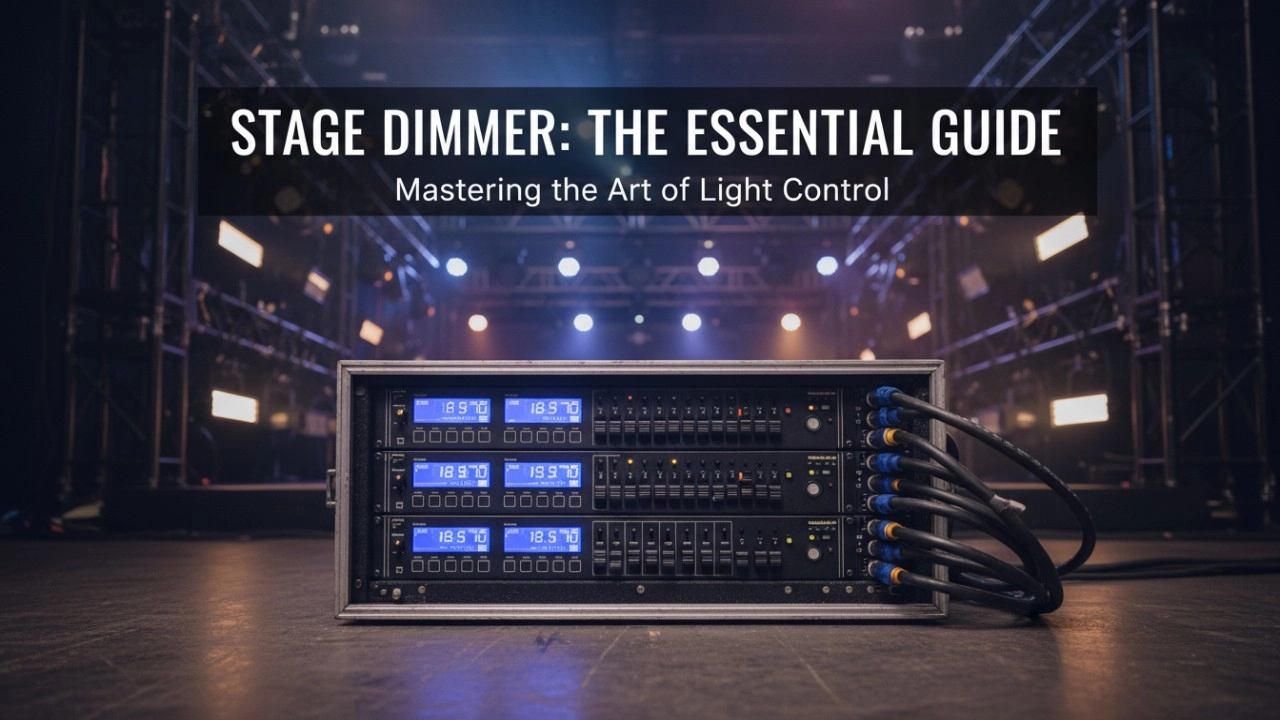
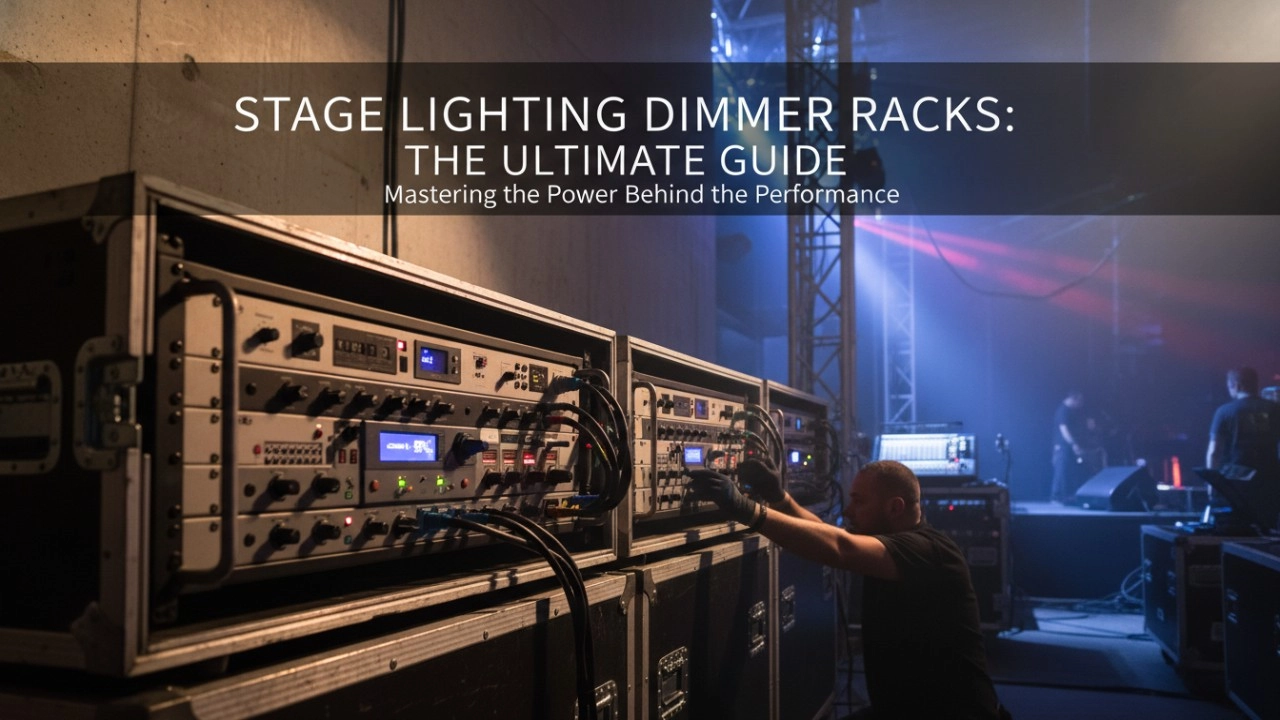
A comprehensive 2026 guide to selecting high-performance stage lighting dimmer racks. We review top hybrid systems, explore SCR vs sine wave technology, and analyze essential features like ThruPower for modern venues.
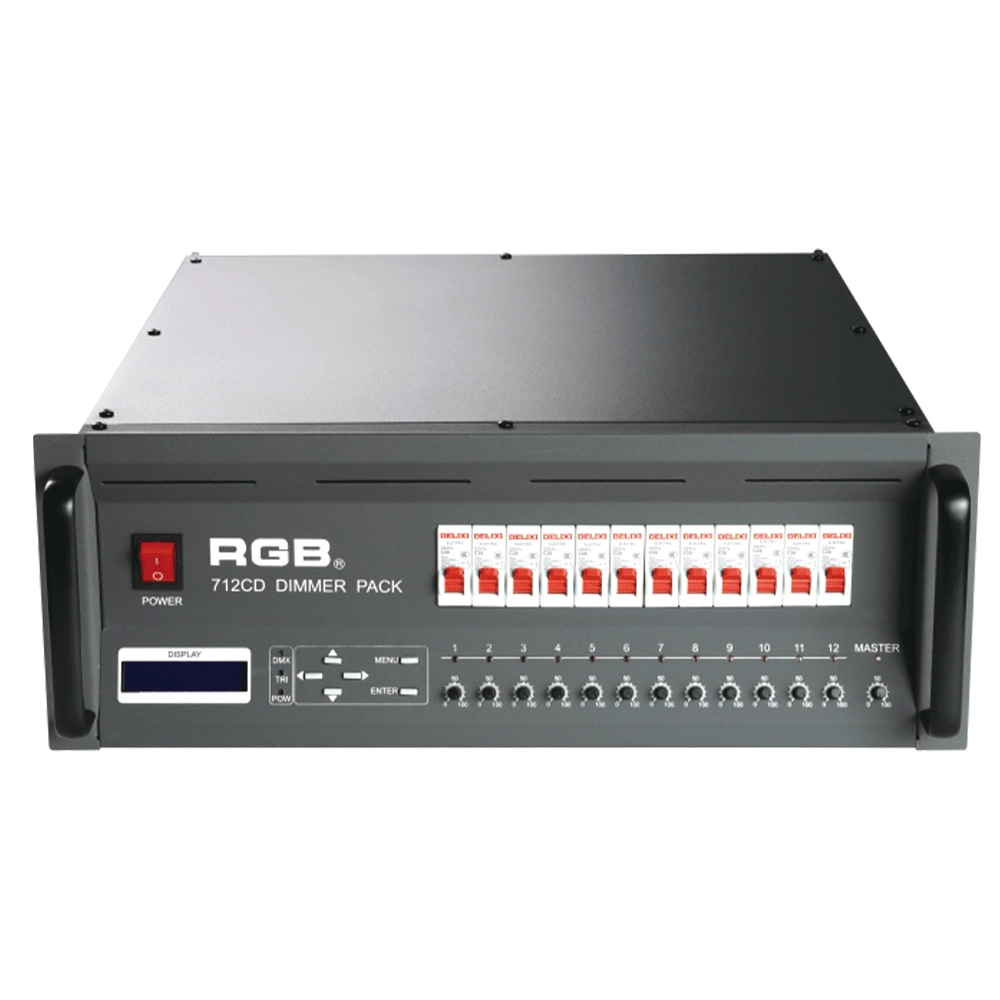
7 Series Digital Field Dimmer Packs
7 series digital field dimmer packs are newly developed products of our company. With DMX512 digital control signal input, they are compatible with other domestic and overseas digital lighting consoles. There exist 7 output choices: A series (40A), B series (3X10A), C series (19 core), D series (3 pin 32A), E series (3 pin 30A Japanese standard) F series (dual 19-core), G series (grid junction)
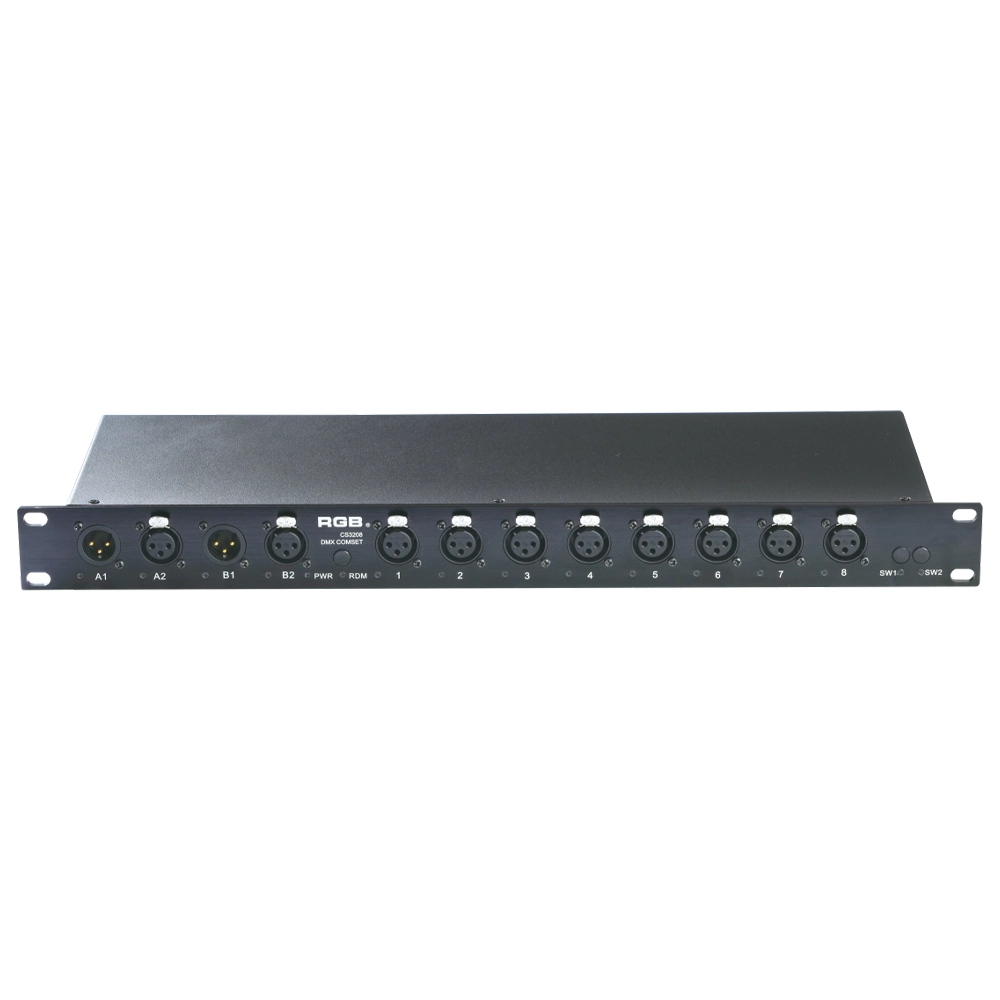
Multifunctional signal supercharger
The rack-mounted DMX signal amplifier complies with the DMX-512 standard protocol, improving DMX-512 signal transmission quality and ensuring reliable system control. It helps prevent issues such as AC high-voltage backflow into lighting control systems, lightning-induced surges, and signal interference caused by short circuits, thereby enhancing overall system stability.
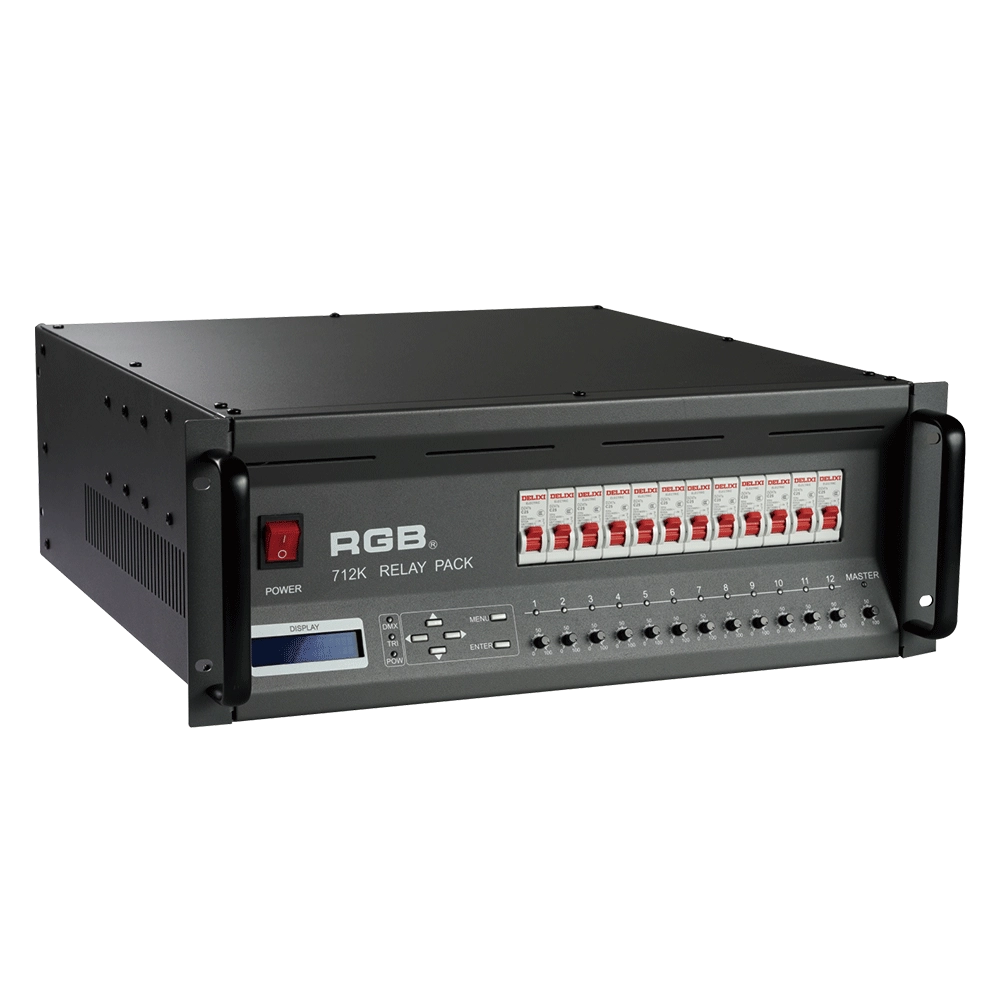
Alloy Relay Packs
High-performance DMX512 relay dimming unit with 512 addressable circuits, phase-loss protection, dual-signal amplification, 20A output per channel, and robust design for reliable stage and mobile lighting applications.
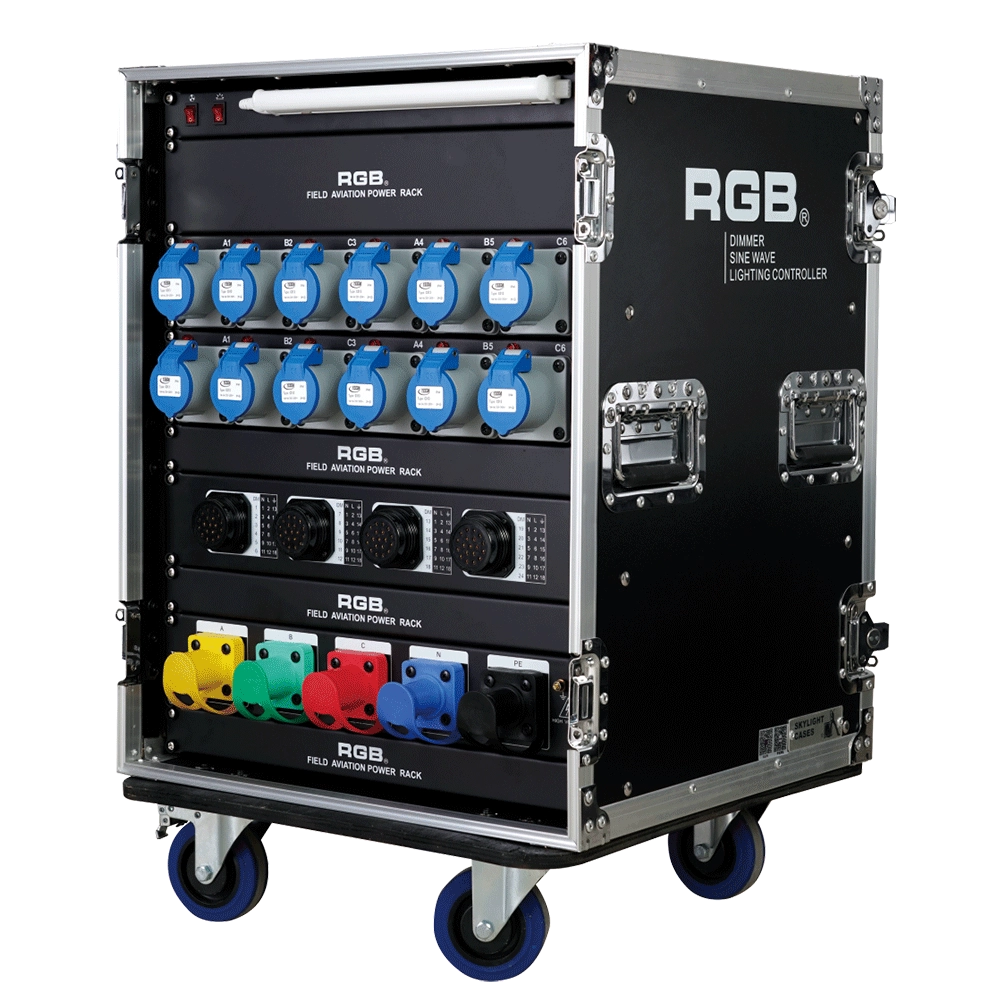
ZT2419+1216 Distribution Box
ZT2419+1216 features dual protection functions and is a power distribution product specifically designed for overcurrent and short circuits in electrical equipment. It is the best choice for mobile performance and is suitable for use in computer lamps, conventional lamps, and other equipment.
Expert Support
Interested in learning more or need expert guidance related to this article? Fill in your details, and our team will provide tailored support.
Intelligent Control. Brilliant Performance.
RGB specializes in stage lighting control systems, delivering intelligent, reliable, and high-performance solutions for theaters and performance spaces worldwide.
Contact
Email:
Tel:
+86 20 3928 0245
+86 20 3928 0247
Address:
No.3, Huashan Road, Shilou Town, Panyu, Guangzhou, China.
Whatsapp: +8615975520131