
Stage Dimmer Packs and Energy Efficiency: Saving Power in Your Lighting Setup
|
- Quick Summary: Key Takeaways for Efficient Dimming
- How Do Stage Dimmer Packs Impact Energy Efficiency?
- The Mechanics of Saving Power
- The Physics of Power: SCR vs. IGBT Technology
- SCR (Standard Efficiency)
- IGBT (High Efficiency)
- Hybrid Systems: Integrating LEDs with Traditional Dimmers
- Best Practices for Hybrid Patches
- Expert Tips: Optimizing Your Patch for Lower Loads
- Lighting Load Calculation Formula
- Common Mistakes That Waste Power and Damage Equipment
- Future Trends: Smart Dimming in 2026 and Beyond
- Innovations to Watch
- Conclusion
In the high-stakes world of live production, energy management is often the last thing on a lighting director's mind—until the generator bill arrives. While the industry has rapidly adopted LED fixtures, the stage dimmer pack remains a critical component for venues managing hybrid rigs of tungsten and intelligent lighting. Shifting from passive power distribution to active energy-efficient stage lighting strategies can reduce overhead costs by up to 30% while extending equipment lifespan.
Quick Summary: Key Takeaways for Efficient Dimming
- Dimmer Technology Matters: Modern IGBT dimmers significantly outperform older SCR models in efficiency and noise reduction.
- Ghost Loads: Unpatched or improperly parked DMX channels can bleed power silently.
- Hybrid Rigs: Using "Switch Mode" is essential when mixing LEDs with traditional dimmers to prevent hardware failure.
- Safety First: Adhering to the 80% load rule is not just about safety; it's about electrical efficiency.
How Do Stage Dimmer Packs Impact Energy Efficiency?
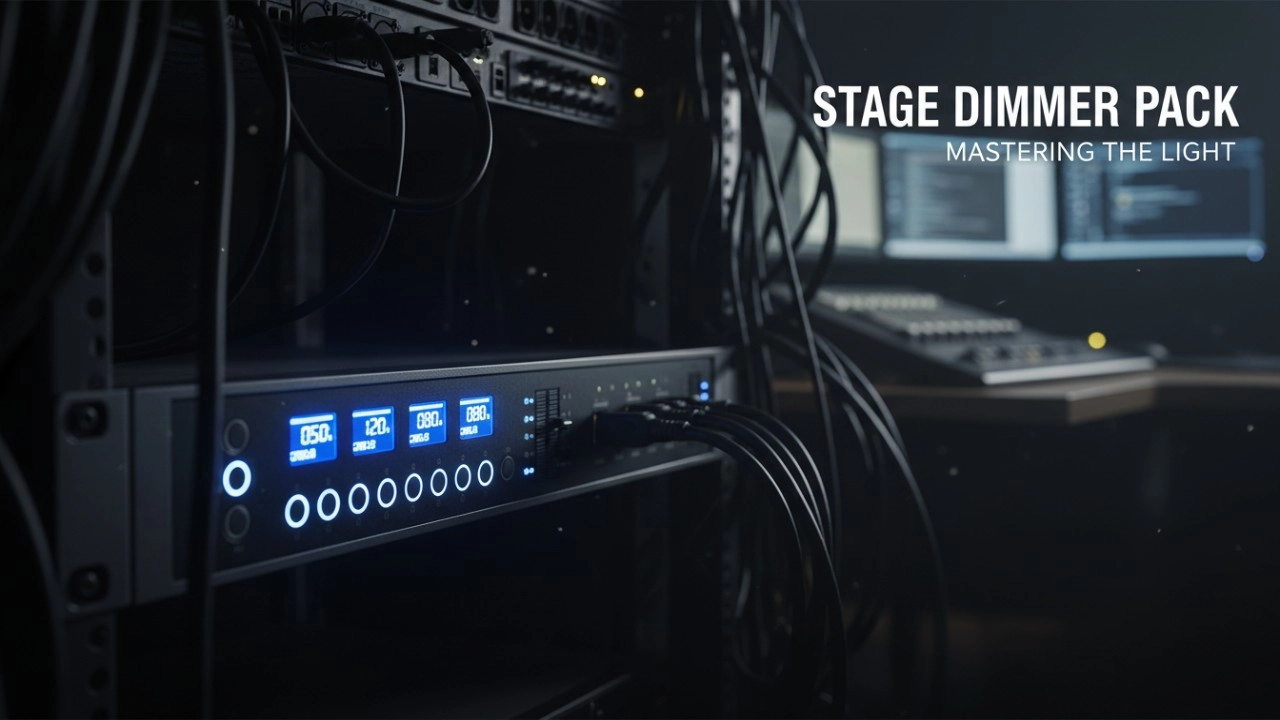
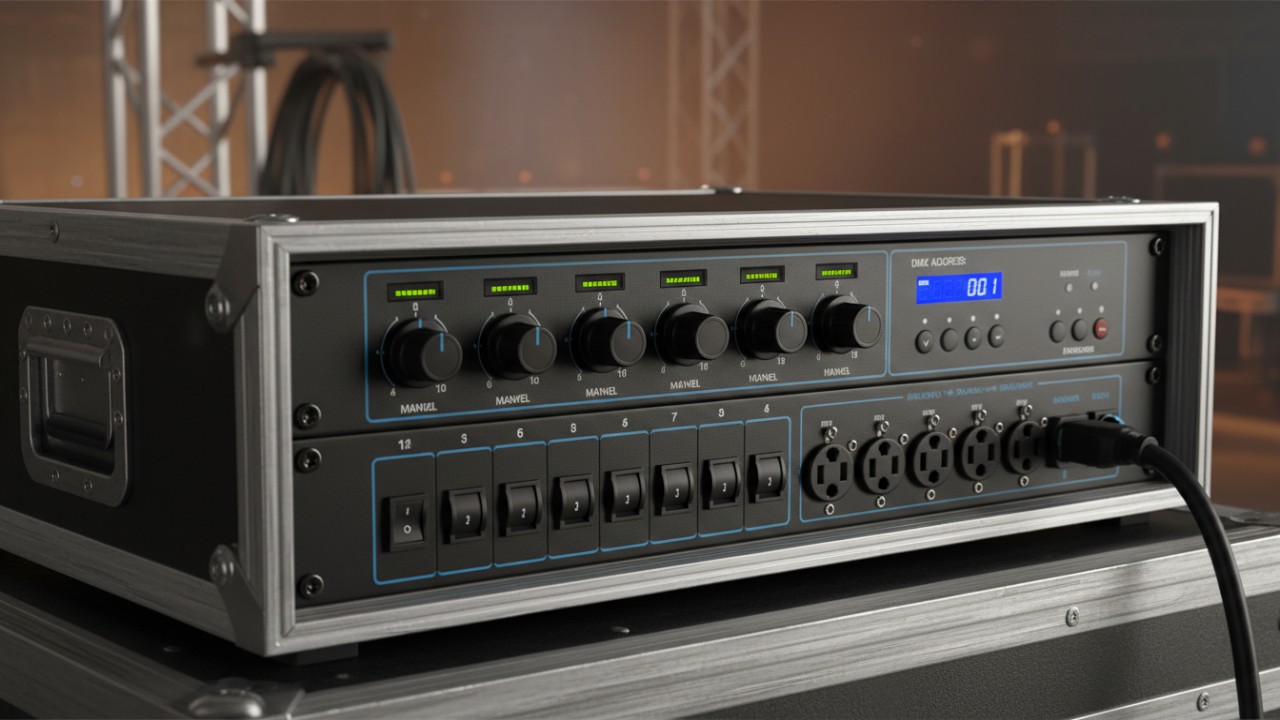
A stage dimmer pack regulates the voltage sent to lighting fixtures by rapidly chopping the AC waveform, allowing for precise control over intensity and power consumption.
Unlike early rheostat dimmers that wasted excess energy as heat, modern digital dimmer packs use thyristors to switch power on and off thousands of times per second. However, the efficiency of this process varies heavily based on the internal components and how the system is managed. For over two decades, Guangzhou RGB Lighting Equipment Co., Ltd. has observed that venues often overlook the "idle draw" of their dimmer racks. A poorly managed rack can consume significant amperage even when lights are at 0%, contributing to what is known as "vampire power."
The Mechanics of Saving Power
- Voltage Chopping: By reducing the duty cycle (the time the current is "on"), you directly reduce the wattage consumed by the bulb.
- Thermal Management: Efficient dimmers generate less internal heat, reducing the load on the venue's HVAC system.
- Digital Control: Advanced DMX power management allows specific channels to be fully killed when not in use, rather than sitting in a standby state.
The Physics of Power: SCR vs. IGBT Technology
While SCR (Silicon Controlled Rectifier) dimmers are the industry standard for durability, IGBT (Insulated-Gate Bipolar Transistor) dimmers offer superior energy efficiency and silent operation.
To make an informed decision for your venue, you must understand the trade-offs between these two dominant technologies. The choice often comes down to budget versus long-term operational costs.
SCR (Standard Efficiency)
- Pros: Extremely durable, handles high inrush currents, lower initial cost.
- Cons: Creates "dimmer hash" (harmonic noise) that can interfere with audio equipment; requires heavy copper chokes to smooth the current, which generates heat (wasted energy).
IGBT (High Efficiency)
- Pros: Operates in "reverse phase" (turning off the current mid-cycle), which naturally reduces filament sing and eliminates the need for heavy, heat-generating chokes. According to industry analysis, IGBTs can offer significant improvements in power factor correction compared to traditional thyristors.
- Cons: Higher upfront investment.
For venues aiming for green certifications, upgrading to IGBT technology is often a prerequisite. Professional bodies like ESTA (Entertainment Services and Technology Association) publish standards that help technicians understand the implications of power quality and equipment selection.
Hybrid Systems: Integrating LEDs with Traditional Dimmers
The most critical step in modern energy management is utilizing "Switch Mode" or "Relay Mode" to convert dimmer channels into hard power switches for non-dimmable LED fixtures.
Attempting to dim a standard LED fixture using a conventional curve is a recipe for disaster. It wastes energy, causes flickering, and can destroy the LED's power supply unit (PSU). A proper IGBT vs. SCR dimmer setup will allow you to bypass the dimming circuit entirely for specific channels.
Best Practices for Hybrid Patches
- Switch Mode: Configures the dimmer channel to snap to 100% power as soon as the DMX value passes 1%.
- Relay Mode: Physically disconnects the power using a mechanical relay inside the pack, ensuring zero ghost load when the fixture is off.
- Separate Universes: Ideally, separate your tungsten dimmers and LED hard-power lines onto different DMX universes to prevent accidental patching errors.
Expert Tips: Optimizing Your Patch for Lower Loads
To maximize efficiency, audit your "Parked" channels to ensure unused dimmers aren't bleeding power and verify that no single channel exceeds 80% of its rated capacity.
Calculating your load correctly is a fundamental safety skill that also impacts efficiency. Overloaded circuits run hotter, increasing resistance and voltage drop, which forces the system to work harder to deliver the same light output.
Lighting Load Calculation Formula
The standard safety formula used by entertainment electricians is
Watts / Volts = Amps
For a standard 2.4kW dimmer channel at 120V:
- Capacity: 2,400W / 120V = 20 Amps.
- Safety Margin: 20 Amps × 0.80 = 16 Amps (Maximum Continuous Load).
Running your dimmers at this "sweet spot" ensures cool operation and longevity. Furthermore, utilizing correct gauge cabling (e.g., Socapex) minimizes resistance. The Occupational Safety and Health Administration (OSHA) provides general electrical safety guidelines that emphasize the importance of preventing circuit overloads to maintain a safe and efficient workplace.
Common Mistakes That Waste Power and Damage Equipment
The most frequent error in stage lighting is treating a dimmer pack like a standard wall outlet, leading to poor power factor and waveform distortion.
- Mistake #1: The Waveform Issue. Plugging audio gear or motors into a dimmer pack—even one set to "full"—can damage the equipment because the AC waveform is often modified or "chopped" unless it is a true relay bypass.
- Mistake #2: Ignoring Minimum Loads. Some older dimmer packs require a "ghost load" (a small lamp plugged in off-stage) to function correctly. This is pure energy waste. Modern digital packs from manufacturers like Guangzhou RGB Lighting Equipment Co., Ltd. eliminate this need through advanced load sensing.
- Mistake #3: Pre-Heat Overuse. While preheating prolongs the life of tungsten lamps, leaving a global preheat on for the entire rig during rehearsal breaks is a massive power drain.
Future Trends: Smart Dimming in 2026 and Beyond
Future dimming systems will rely on networked power distribution and AI-driven load balancing to meet stricter international energy regulations.
As we look toward 2026, the European Union and North American regulatory bodies are tightening efficiency standards for entertainment lighting. The "Energy Efficiency First" principle is driving the development of smarter infrastructure. You can track these regulatory shifts via the European Commission Energy Efficiency Directive, which outlines the targets for reducing energy consumption across all sectors, including entertainment.
Innovations to Watch
- RDM (Remote Device Management): Allows dimmer racks to report real-time temperature and amp draw back to the lighting console.
- Wireless Dimming: Reduces the copper weight and transport costs for touring productions.
- Intelligent Network Dimming: Guangzhou RGB Lighting Equipment Co., Ltd., a National High-Tech Enterprise, is pioneering cloud-based management systems that allow venue managers to monitor power usage remotely. With a history of supporting landmark projects like the Beijing Olympics and Shanghai World Expo, RGB's R&D team is integrating ISO9001-certified stability with next-gen power-saving features.
Conclusion
Optimizing your stage dimmer packs is about more than just creative control; it is a critical component of sustainable and cost-effective production. By upgrading to modern IGBT technology, mastering lighting load calculation, and utilizing hybrid switching for LEDs, venues can drastically cut their carbon footprint and operational costs. Whether you are outfitting a massive theater or a touring rig, the efficiency of your power distribution is just as important as the brightness of your fixtures.
Contact Guangzhou RGB Lighting Equipment Co., Ltd. today to discuss your specific needs and modernize your lighting infrastructure.
Latest News
A comprehensive 2026 guide to selecting high-performance stage lighting dimmer racks. We review top hybrid systems, explore SCR vs sine wave technology, and analyze essential features like ThruPower for modern venues.
Multifunctional signal supercharger
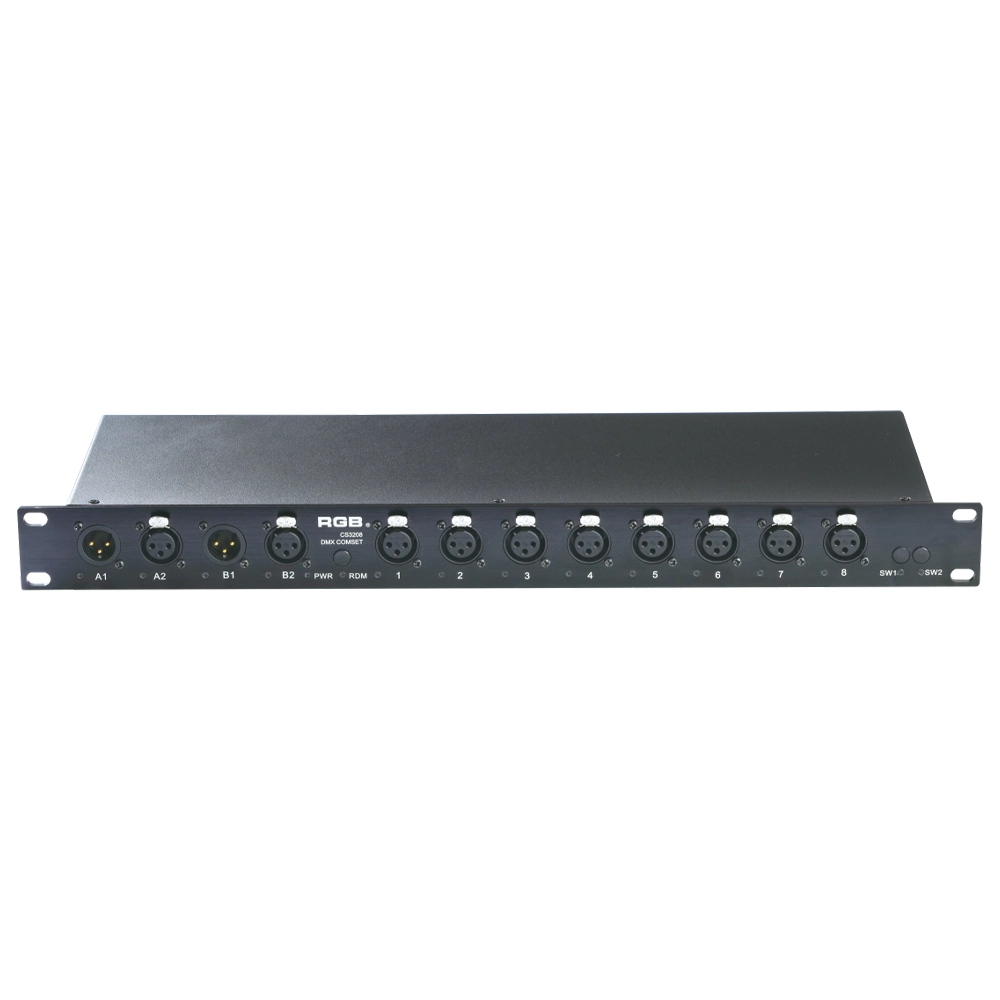
The rack-mounted DMX signal amplifier complies with the DMX-512 standard protocol, improving DMX-512 signal transmission quality and ensuring reliable system control. It helps prevent issues such as AC high-voltage backflow into lighting control systems, lightning-induced surges, and signal interference caused by short circuits, thereby enhancing overall system stability.
7 Series Digital Field Dimmer Packs
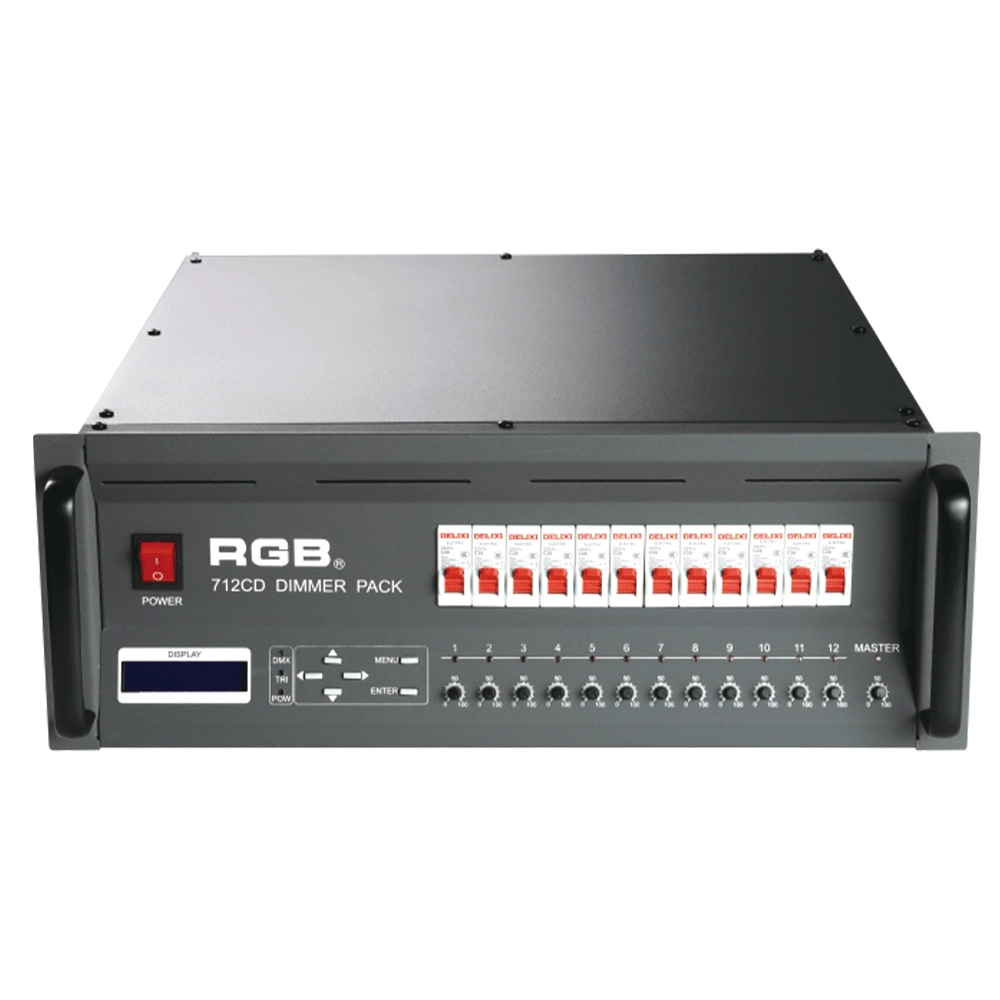
7 series digital field dimmer packs are newly developed products of our company. With DMX512 digital control signal input, they are compatible with other domestic and overseas digital lighting consoles. There exist 7 output choices: A series (40A), B series (3X10A), C series (19 core), D series (3 pin 32A), E series (3 pin 30A Japanese standard) F series (dual 19-core), G series (grid junction)
RDM Series Signal Amplifier
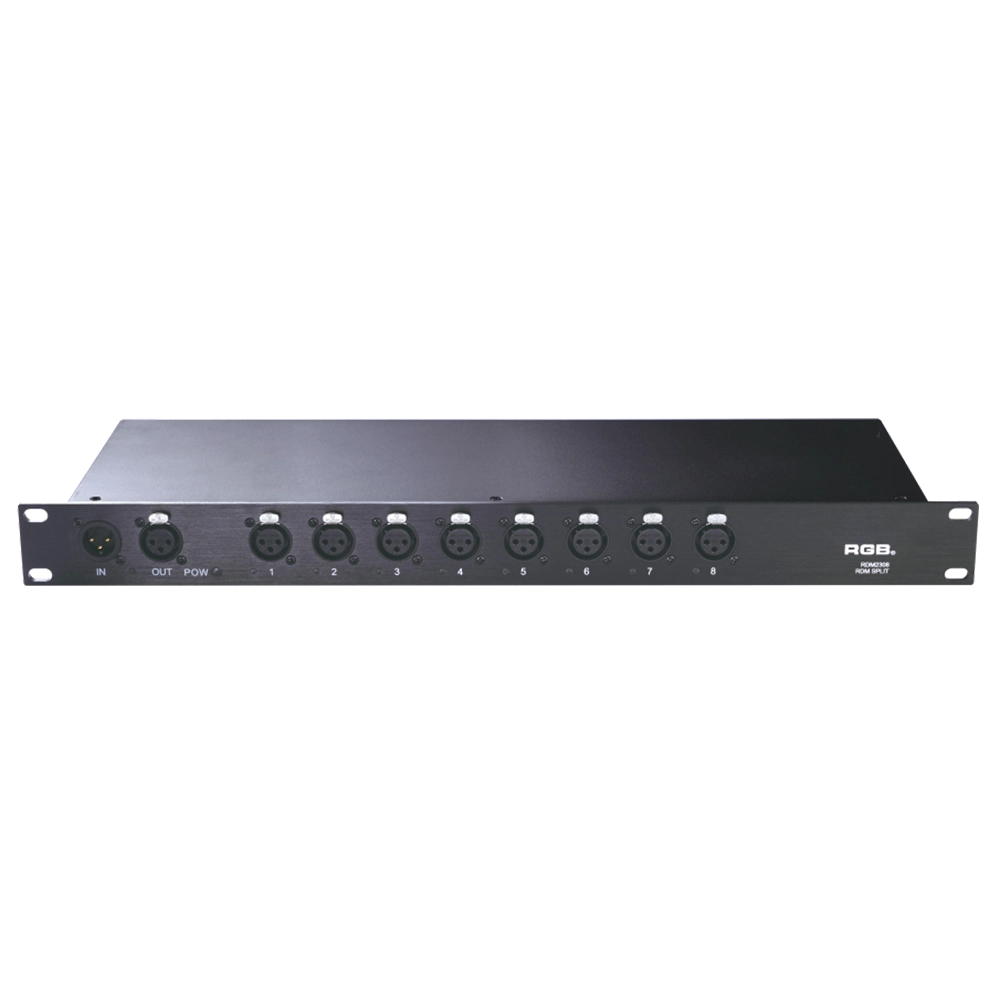
RDM2304, RDM2308, RDM2310, RDM2312 rack-mounted The RDM signal amplifier improves the quality of bidirectional RDM signal transmission, ensures the reliability of system control, and prevents faults such as AC high-voltage reverse series lighting control system, lightning high-voltage series entry, and line short circuit, which may affect system stability.
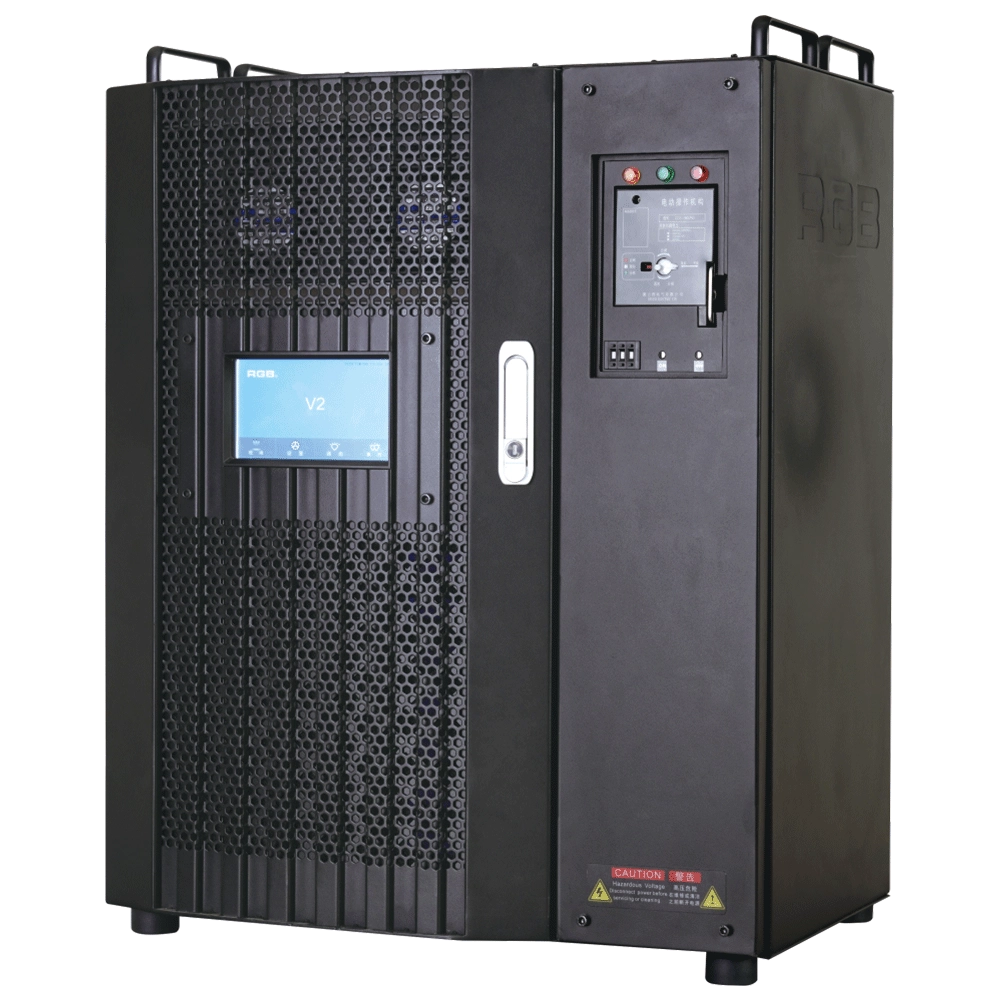
V2 Intelligent Network Dimmer/Relay Racks
V2 is an artificial intelligence dimming rack independently developed by RGB, which has completely independent core technology and obtained software copyrights. It is a fully digital electrodeless trigger and multi-backup independent CPU central processor technology. It has a variety of output configurations, such as sine wave, thyristor, relay, dimming relay, etc. It supports visual lighting control system and visually displays the online and offline status of dimming racks. Realize remote monitoring, editing, and setting of relevant parameters.
It is widely used in performing arts and cultural venues such as theaters, concert halls, multi-function halls, cultural travel and performing arts, TV stations, gymnasiums, auditoriums, commercial art lighting and so on.
Expert Support
Interested in learning more or need expert guidance related to this article? Fill in your details, and our team will provide tailored support.
Intelligent Control. Brilliant Performance.
RGB specializes in stage lighting control systems, delivering intelligent, reliable, and high-performance solutions for theaters and performance spaces worldwide.
Contact
Email:
Tel:
+86 20 3928 0245
+86 20 3928 0247
Address:
No.3, Huashan Road, Shilou Town, Panyu, Guangzhou, China.
Whatsapp: +8615975520131