
Ethernet DMX Node vs. DMX Splitters: Which is Best for Your Setup?
A definitive guide comparing DMX splitters and Ethernet nodes. Learn which device fits your rig, from simple 512-channel setups to complex multi-universe networks using sACN and Art-Net.
|
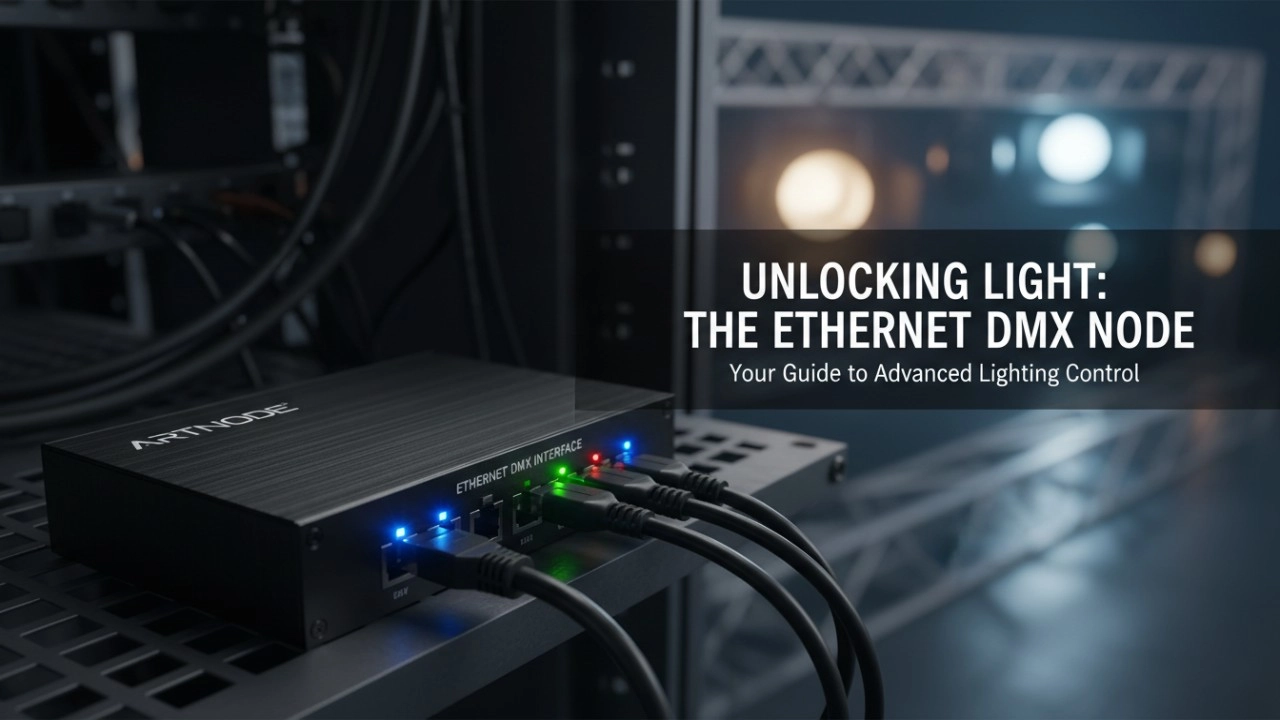
- Quick Summary: The Verdict in 30 Seconds
- What is the key difference between an Ethernet DMX node and a DMX splitter?
- The "Why" Behind the Difference
- The DMX Splitter: The 'Old Reliable' of Lighting
- Key Benefits of Splitters
- The Ethernet DMX Node: The Future-Proof Powerhouse
- Why Nodes are Essential for Modern Rigs
- Comparison: When to Upgrade to a Node?
- Comparison Highlights
- The Hybrid Setup: Using Nodes and Splitters Together
- Example Hybrid Workflow:
- Expert Tips & Common Mistakes to Avoid
- Conclusion & Call to Action
Are you struggling to decide whether your lighting rig needs a simple DMX splitter or a more advanced Ethernet DMX node? You are not alone. As lighting designs become more complex, the line between "signal distribution" and "network processing" often blurs. Choosing the wrong device can lead to signal dropouts, limited channel capacity, or unnecessary spending.
Quick Summary: The Verdict in 30 Seconds
If you are running a single Universe (512 channels) and just need to extend cable runs, a DMX splitter is the correct choice. However, if you need to control multiple universes (1024+ channels) or transmit data over long distances using network cables, you need an Ethernet DMX node.
- Single Universe Limit: Splitters keep you trapped within 512 channels.
- Scalability: Nodes allow for DMX universe expansion via Ethernet.
- Professional Standard: Most large-scale tours use a "hybrid" topology—nodes for main distribution and splitters for local truss distribution.
What is the key difference between an Ethernet DMX node and a DMX splitter?
A DMX splitter (or opto-isolator) takes one physical DMX input and creates identical, electrically isolated copies of that signal, whereas an Ethernet DMX node converts network protocols (like Art-Net or sACN) into distinct DMX universes.
Think of a DMX splitter as a "power strip" for data—it gives you more outlets but doesn't add more power (channels). In contrast, a node is like a "modem"—it translates a high-speed digital language into the physical DMX signal your lights can understand.
The "Why" Behind the Difference
- Splitters are purely physical layer devices. They clean and boost the electrical signal to prevent degradation over copper cables.
- Nodes are processing devices. They listen to network traffic and decode specific "universes" of data to output to 5-pin XLR ports.
The DMX Splitter: The 'Old Reliable' of Lighting
A DMX splitter is a hardware device designed to split a single DMX512 daisy chain into multiple branches while providing electrical isolation.
For decades, the DMX opto-isolator has been the backbone of rock shows and theater productions. Its primary job is safety and signal integrity. Without a splitter, a voltage spike in one cheap fixture could travel back up the data line and fry your expensive lighting console.
Key Benefits of Splitters
- Fault Protection: According to Wikipedia's technical definition, opto-isolators use light to transfer signals, ensuring there is no direct electrical connection between input and output. This prevents ground loops from destroying equipment.
- Cable Management: Splitters allow you to create a "star topology," sending cables in different directions rather than running one giant circle around the stage.
- Signal Boosting: They regenerate the square wave of the DMX signal, allowing you to run cables another 300+ feet (100 m) from the splitter outputs.
Best Use Case: Small bands, wedding DJ setups, or single-truss applications where the total channel count is under 512.
The Ethernet DMX Node: The Future-Proof Powerhouse
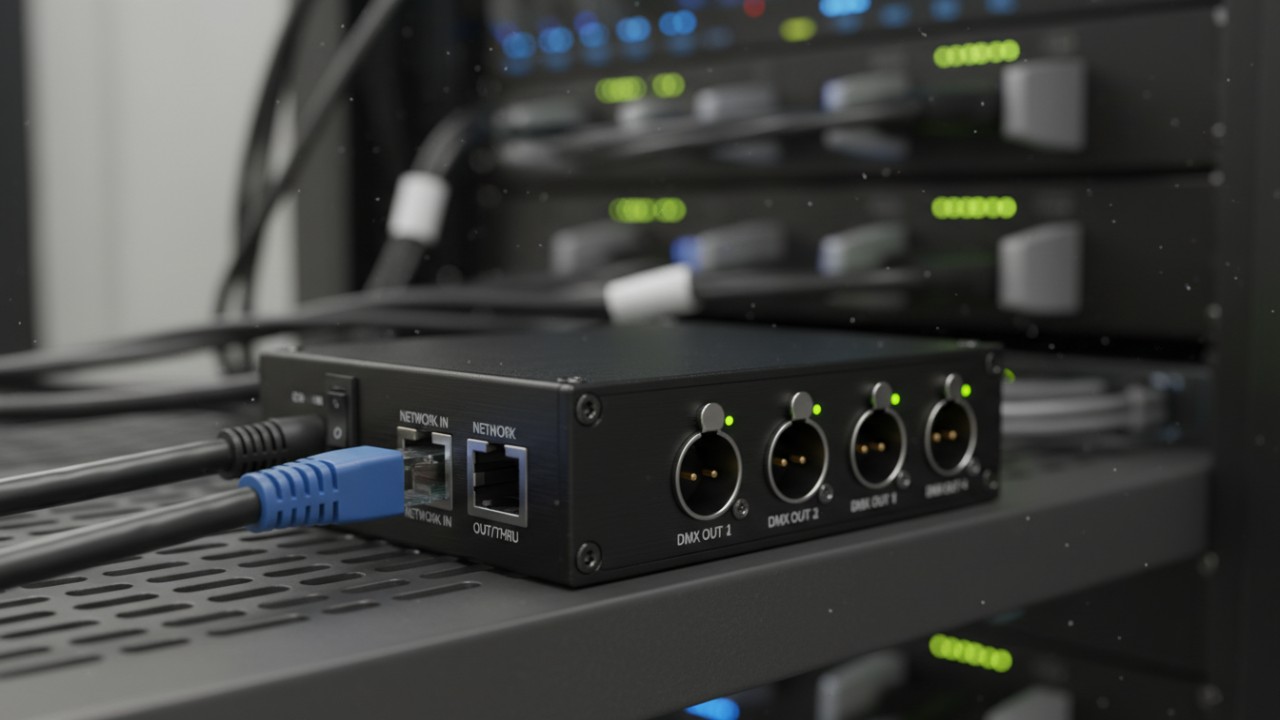
An Ethernet DMX Node is a gateway device that receives lighting data over standard computer networks (Cat5/Cat6) and converts it into standard 5-pin DMX outputs.
As rigs grow, the physical limit of the DMX cable (512 channels) becomes a bottleneck. Ethernet nodes solve this by leveraging Art-Net vs. sACN protocols to carry thousands of universes down a single lightweight cable.
Why Nodes are Essential for Modern Rigs
- High Channel Counts: A single Cat6 cable can carry virtually unlimited universes. A 4-port node effectively gives you 2,048 channels at the end of that cable.
- Protocol Flexibility: Modern nodes support sACN (Streaming ACN), which is the industry-preferred standard for large networks.
- Advanced Configuration: Nodes often allow for remote management (RDM), enabling you to change settings without climbing a ladder.
According to the Entertainment Services and Technology Association (ESTA), standards like ANSI E1.31 (sACN) were developed specifically to address the limitations of DMX512 in increasingly complex lighting network topology environments, allowing for multicast efficiency that prevents network lag.
At Guangzhou RGB Lighting Equipment Co., Ltd., our R&D team has observed a massive shift toward Ethernet-based solutions even in mid-sized venues. Our newest nodes are designed to handle the high refresh rates required by pixel-mapping LED strips, ensuring that "universes" don't just mean "more channels," but "smoother dimming."
Comparison: When to Upgrade to a Node?
You should upgrade to a node when you exceed 512 channels or need to run data more than 100 meters without signal loss.
While splitters are cheaper upfront, nodes offer a better ROI (Return on Investment) for growing inventories.
| Feature | DMX Splitter | Ethernet DMX Node |
|---|---|---|
| Input | DMX512 (XLR) | Ethernet (RJ45) |
| Capacity | 1 Universe (Mirrored) | Multiple Distinct Universes |
| Max Distance | ~300m (Copper) | ~100 m (before switch) |
| Cabling Cost | High (Heavy DMX Cable) | Low (Cheap Cat6 Cable) |
| Complexity | Plug & Play | Requires IP Setup |
Comparison Highlights
- Cabling Costs: Cat6 is significantly cheaper and lighter than shielded 5-pin DMX cable.
- Flexibility: On a node, Port A can be Universe 1, and Port B can be Universe 20. On a splitter, every port is the same universe.
The Hybrid Setup: Using Nodes and Splitters Together
The most robust professional topology uses Ethernet nodes to get data to the stage area and DMX splitters to distribute that signal to local fixture groups.
This is the "Golden Rule" of multi-universe lighting setup design. You do not need a node for every truss. Instead, you use the node as a "master distribution point."
Example Hybrid Workflow:
- Console to Stage: A single Cat6 cable runs from the console to a network switch at the stage wing.
- Switch to Node: The switch connects to a 4-port node.
- Node to Splitters: Port 1 of the Node (Universe 1) connects to a DMX Splitter on the Front Truss. Port 2 (Universe 2) connects to a splitter on the back truss.
- Splitter to Fixtures: The splitters daisy-chain to the actual lights.
This approach reduces the number of expensive nodes you need to buy while maintaining the safety benefits of the DMX opto-isolator at the fixture level.
Expert Tips & Common Mistakes to Avoid
A common mistake is assuming that sACN and Art-Net are interchangeable without configuring your network switch properly.
- Mistake: IP Conflicts. Nodes require unique IP addresses. If two nodes share an IP, your lights will flicker or black out.
- Tip: Use Multicast sACN. For large rigs, use sACN Multicast. This allows the network switch to send data only to the devices that need it, preventing "data storms" that slow down your system.
- Mistake: Ignoring RDM. Future-proof your rig by ensuring your splitters are RDM-compliant. This allows the console to "talk back" through the node and splitter to check fixture health.
Conclusion & Call to Action
In summary, use Splitters for signal boosting and protection within a single universe, and use Nodes for universe expansion and efficient data transport.
As a National High-Tech Enterprise founded in 1996, Guangzhou RGB Lighting Equipment Co., Ltd. has spent decades perfecting the balance between robust hardware and intelligent networking. Whether you need the rugged reliability of a traditional relay rack or the advanced processing of a hybrid dimmer solution, our ISO9001-certified production lines ensure you get gear that lasts.
Contact RGB Lighting today to discuss your specific needs, and let our experts help you design a future-ready lighting control system.
Latest News
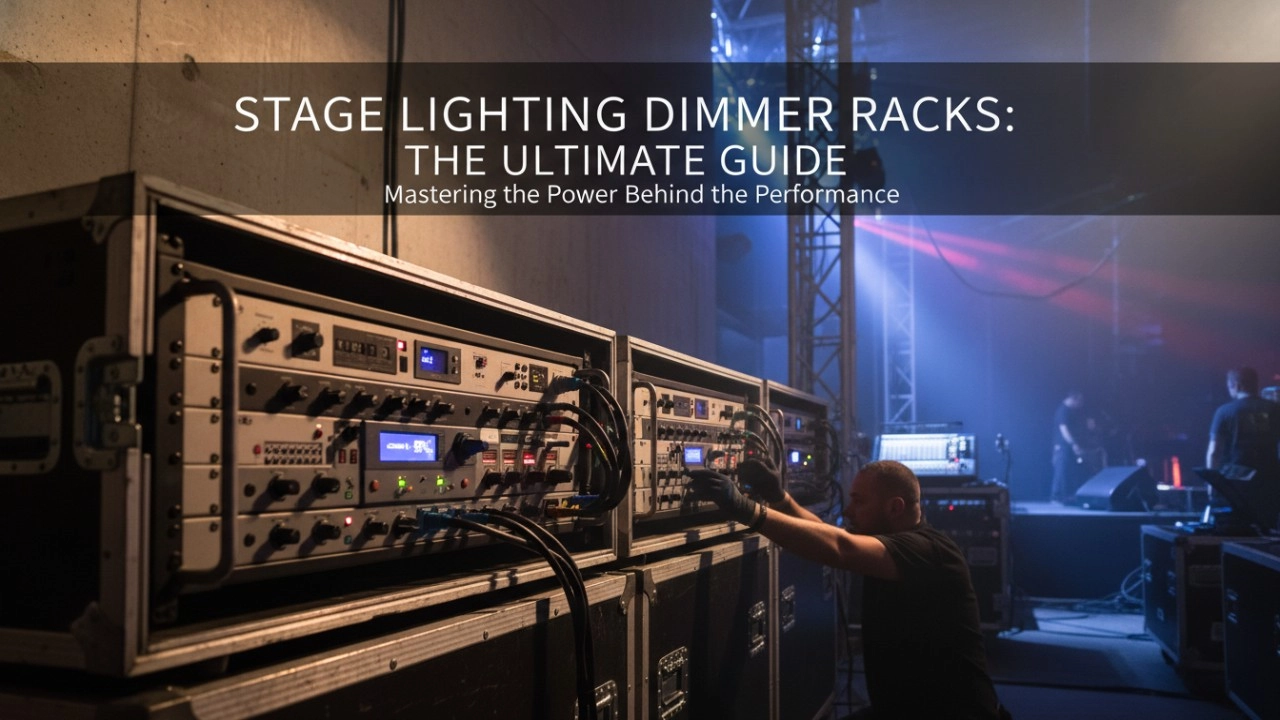
A comprehensive 2026 guide to selecting high-performance stage lighting dimmer racks. We review top hybrid systems, explore SCR vs sine wave technology, and analyze essential features like ThruPower for modern venues.
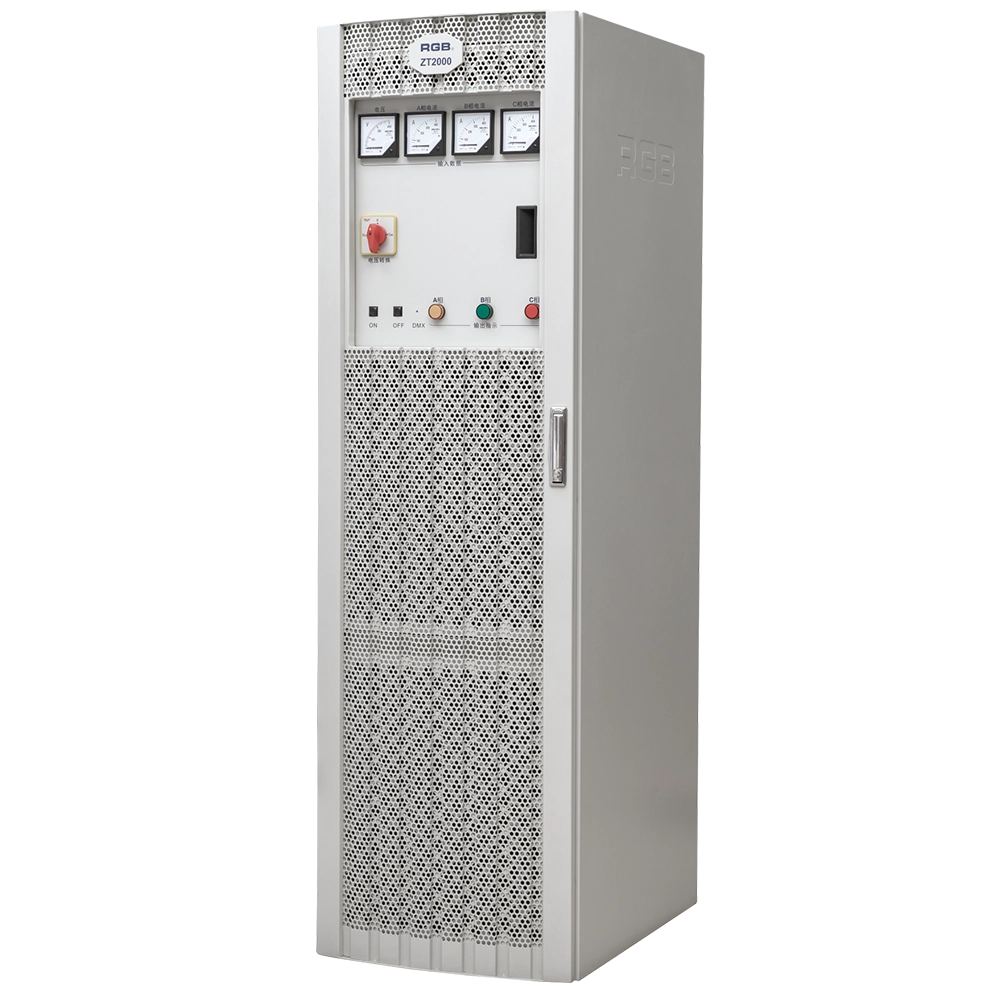
ZT2000 Pass-Through Racks
The ZT2000 straight-through power cabinet is a three-phase 630A/400A air switch main control, with each channel being a 32A air switch sub-control straight-through power cabinet. It can be used in conjunction with various computer lamps, regular lamps, and temporary electrical equipment as a power distribution and supply part for electrical equipment with overcurrent and short-circuit protection. It is a brand-new, reliable, and stable lighting control device in the field of stage lighting control.
It is widely applied in theaters, concert halls, multi-functional halls, cultural and tourism performances, TV stations, gymnasiums, auditoriums, commercial art lighting, and other performance and cultural venues.
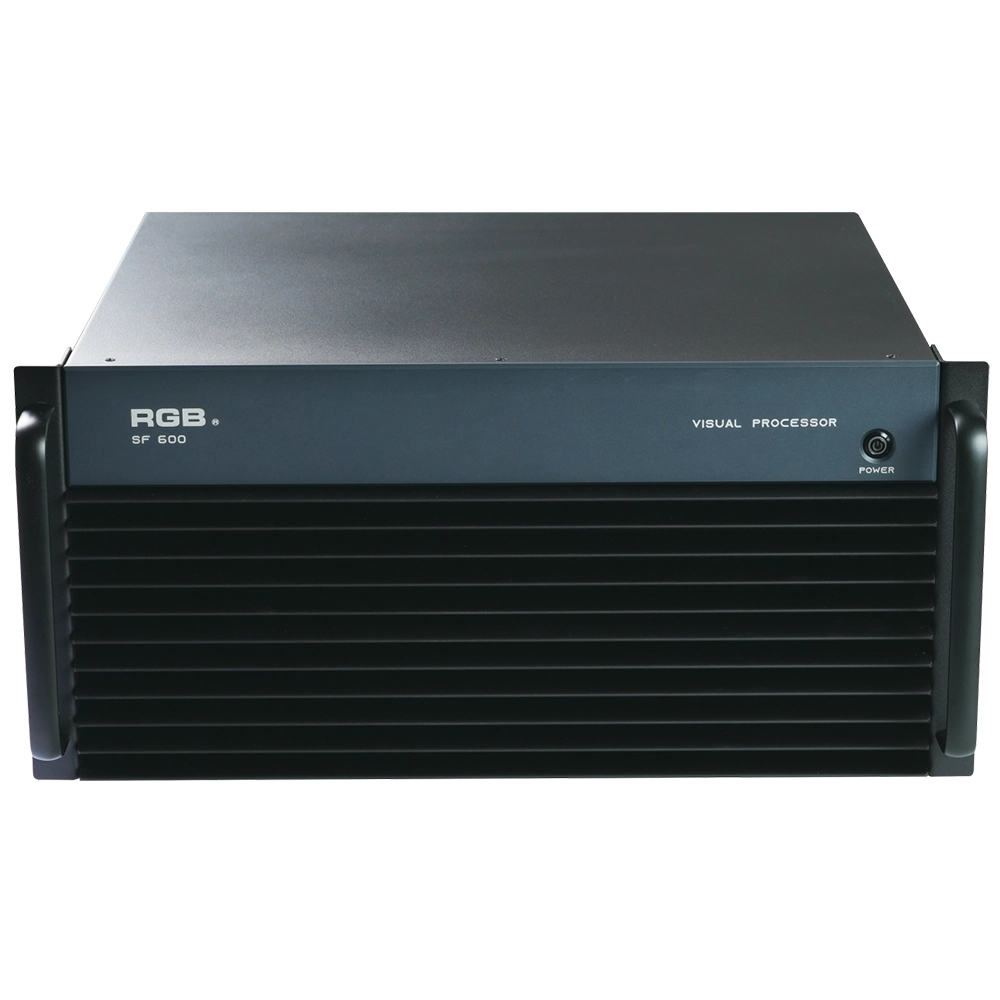
SF600 Visual R-net central processing processor
The SF600 Visual R-net central processing processor by RGB delivers advanced visual systems performance with high-speed processing and seamless integration. Designed for efficiency and reliability, it’s ideal for enhancing your visual system applications in corporate environments.
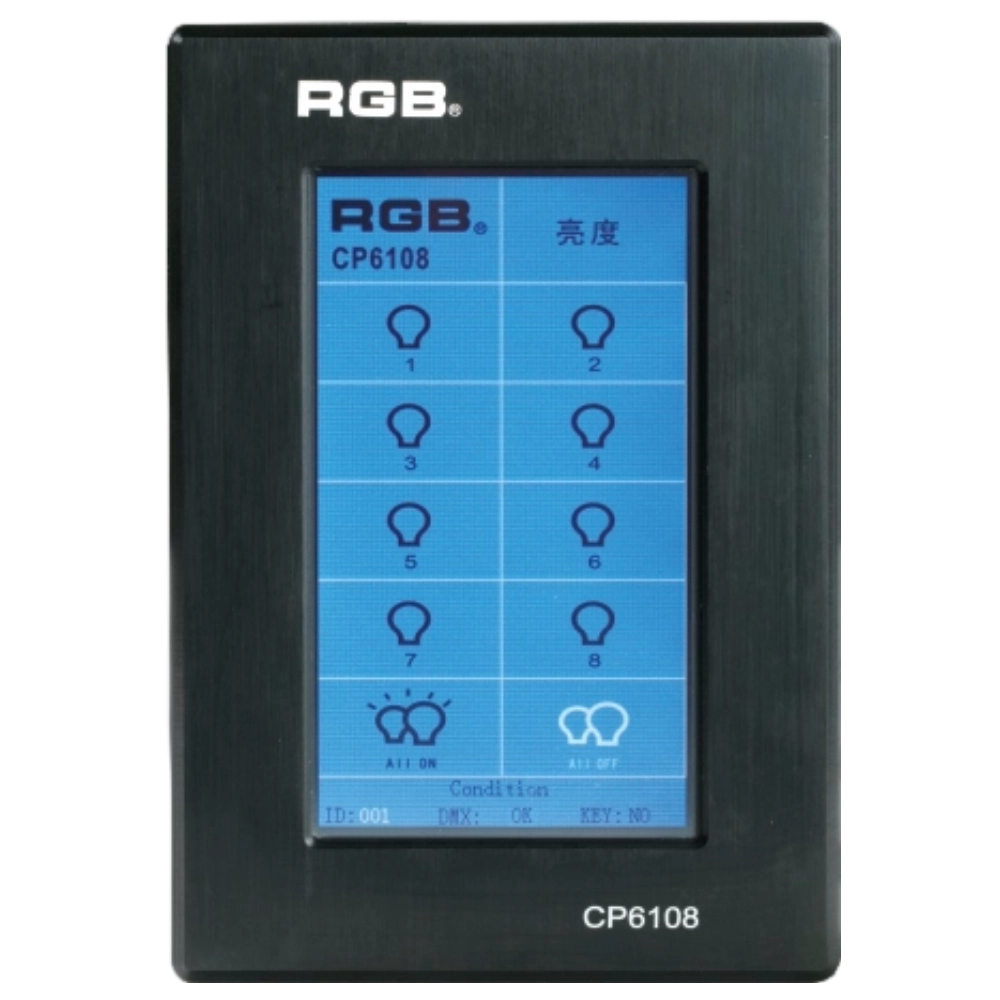
Site Light Controller CP6108
The CP6108 lighting control panel is a lighting control device for theater stage lights, work lights, environmental lighting, commercial art lighting, sports venue lighting, and other places. By connecting to the dedicated lighting control host CP6100, it realizes the central control of the lighting system, supports a visual lighting control system, and intuitively displays the online and offline status of CP6108. Realize remote monitoring, editing, and setting of corresponding parameters.
It is widely applicable to theaters, cinemas, auditoriums, stadiums, museums, exhibition halls, cultural tourism performances, commercial art lighting, and other places.
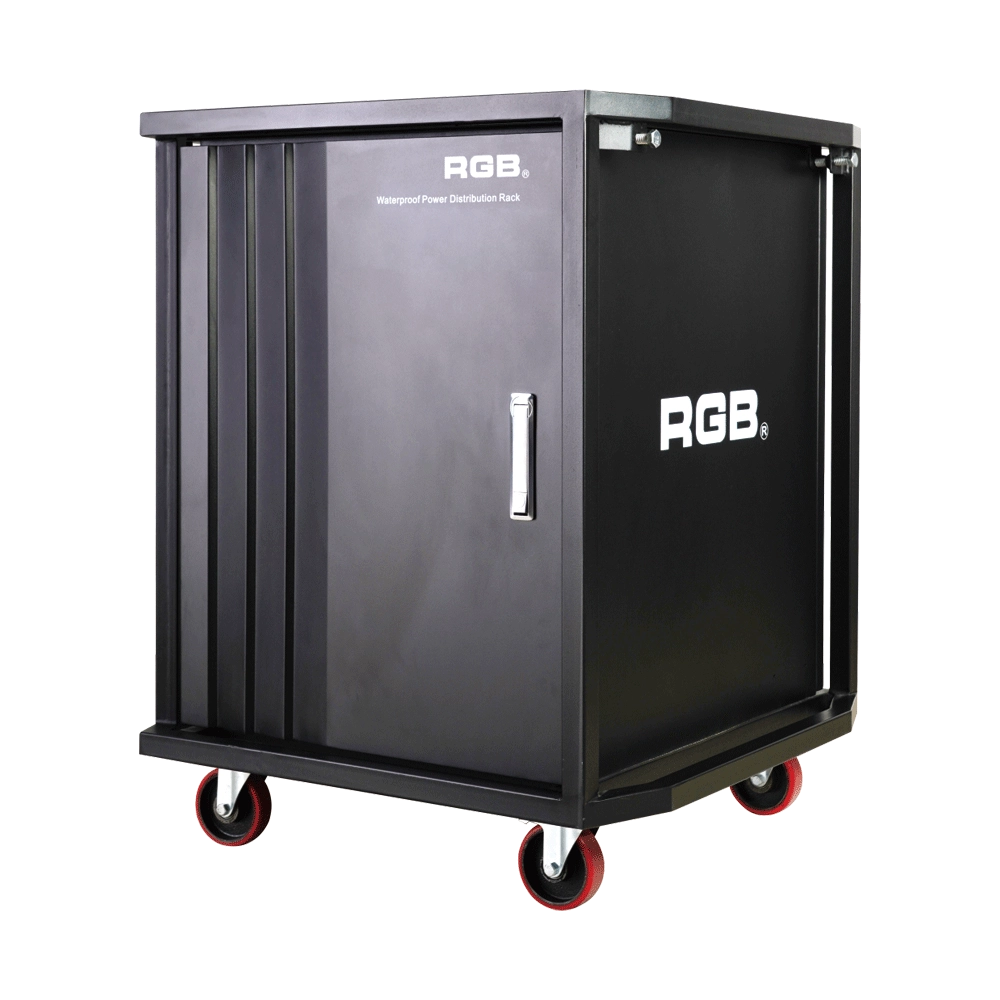
Multifunction Waterproofing Racks Of RGB-W Series
With the continuous development of flow performance, the requirement for performance is more demanding. In order to facilitate the transportation and make it easier to carry for all the equipment used in the performance, the stage light and sound equipment will be installed into a cabinet, for example, the power supply system. During the transportation process, it is inevitable for a collision or crash to take place. If the cabinet material is not strong enough, it may lead to deformation and even damage the equipment inside. Moreover, most of the existing cabinets are not waterproof. It will be very dangerous for the flow performance, as it is normal and inevitable to encounter rainy days. As the equipment inside the cabinets is electriferous, it might cause damage to the electronic equipment at least and even cause casualties at worst. Meanwhile, most of the existing cabinets can only be installed with one kind of equipment with a single variety.
In order to overcome the above-mentioned technical flaw, the RGB company has developed a new type of waterproofing multifunction cabinet of the W series. The waterproofing cabinet of the W series meets the need for the installation of dimming and tone-tuning devices, transportation, and utilization.
Expert Support
Interested in learning more or need expert guidance related to this article? Fill in your details, and our team will provide tailored support.
Intelligent Control. Brilliant Performance.
RGB specializes in stage lighting control systems, delivering intelligent, reliable, and high-performance solutions for theaters and performance spaces worldwide.
Contact
Email:
Tel:
+86 20 3928 0245
+86 20 3928 0247
Address:
No.3, Huashan Road, Shilou Town, Panyu, Guangzhou, China.
Whatsapp: +8615975520131