
Dimmer Racks: The Professional Guide to Stage Lighting & Power Management (2026 Edition)
|

- What is a Dimmer Rack?
- Key Takeaways for Technical Directors
- The Anatomy of a Modern Professional Dimmer Rack
- 1. Control Card (The Brain)
- 2. Power Modules: SCR vs. IGBT
- 3. Thermal Management
- Protocols and Connectivity: Beyond DMX
- The LED Transition: Dimmer Racks as Power Distribution Units (PDU)
- The "Ghost Load" and ThruPower
- Centralized vs. Distributed Dimming Systems
- Maintenance: Preventing Failure Before Curtain
- The 2026 Maintenance Checklist
- The Future: AI and Sustainability in 2026
- Sustainability Metrics
- Predictive Maintenance
- References
What is a Dimmer Rack?
A dimmer rack is a high-density, centralized power management system designed to control the voltage intensity of theatrical lighting fixtures.
Unlike portable dimmer packs used for small events, dimmer racks are permanent, heavy-duty installations—often called the "muscles" of a lighting system—capable of managing hundreds of high-amperage circuits simultaneously.

For Technical Directors, the dimmer rack is the bridge between the delicate digital signals of a lighting console and the raw electrical power required to illuminate a stage. While the industry is shifting toward LEDs, the modern dimmer rack has evolved into a hybrid Theatrical Power Management hub, capable of switching seamlessly between traditional dimming for tungsten lamps and constant power for intelligent fixtures.
Key Takeaways for Technical Directors
- Reliability: Centralized racks offer superior thermal stability compared to distributed dimmer bars.
- Hybridization: Modern racks now combine Silicon Controlled Rectifier (SCR) modules with relay modules to power both "dumb" and "smart" lights.
- Monitoring: Advanced systems from manufacturers like Guangzhou RGB Lighting Equipment Co.,Ltd. (RGB) now offer real-time voltage monitoring and error reporting via network protocols.
The Anatomy of a Modern Professional Dimmer Rack
The anatomy of a dimmer rack consists of three core components: the control processor (brain), power modules (muscles), and the cooling/distribution infrastructure.
Understanding these components is critical for troubleshooting during a live production.
1. Control Card (The Brain)
The control card receives the DMX512-A Protocol or Ethernet-based signals (sACN/Art-Net) from the console. It translates these digital commands into firing pulses that regulate the power output of each module.
2. Power Modules: SCR vs. IGBT
- Silicon Controlled Rectifier (SCR): The industry standard for decades. SCRs are robust and cost-effective, using a pair of thyristors to chop the AC sine wave. They are ideal for heavy tungsten loads but can generate electrical noise (filament sing).
- IGBT (Insulated-Gate Bipolar Transistor): A premium option that operates silently (reverse phase control). These are often found in concert halls where acoustics are paramount.
3. Thermal Management
Heat is the enemy of electronics. A fully loaded 96-channel rack can generate significant heat. Professional systems utilize high-velocity, low-noise fans and air filters to maintain safe operating temperatures. Clogged filters are the primary cause of module failure.
Protocols and Connectivity: Beyond DMX
Modern dimmer racks must interpret multiple communication protocols to ensure seamless integration with complex lighting rigs.
While DMX512-A Protocol remains the standard for basic control, 2026-era systems leverage network-based communication for enhanced data density and feedback.
- DMX512-A: The physical 5-pin cable connection. Reliable but limited to 512 channels per universe.
- RDM (Remote Device Management): Allows the rack to talk back to the console, reporting temperature alerts or breaker trips.
- sACN & Art-Net: Ethernet-based protocols that allow thousands of universes to travel over a single Cat6 cable directly to the rack processor.
Companies like RGB have pioneered intelligent network dimming solutions that natively support these protocols, reducing the need for external nodes and converters in the dimmer room.
The LED Transition: Dimmer Racks as Power Distribution Units (PDU)
As theaters replace tungsten fixtures with LEDs, dimmer racks are transitioning into intelligent Power Distribution Units (PDU) capable of providing "hard power."
Traditional SCR dimmers are incompatible with most LED fixtures. If you feed a dimmed sine wave to an LED, you risk damaging the fixture's power supply. This has led to the rise of Hybrid Power Modules.
The "Ghost Load" and ThruPower
To use a legacy dimmer rack with LEDs, technicians historically had to use a "dummy load" or park the channel at 100%. However, modern solutions offer Switched/Relay Modules. These modules bypass the dimming choke entirely, sending pure, unregulated sine wave power to the fixture.
Guangzhou RGB Lighting Equipment Co.,Ltd. addresses this shift with their hybrid dimmer solutions, allowing venues to mix-and-match dimmer modules and relay modules in the same chassis. This flexibility is vital for venues in transition, allowing them to keep their expensive infrastructure while upgrading their rig.
Centralized vs. Distributed Dimming Systems
- Centralized Racks: All power comes from a dedicated room. Best for maintenance and keeping fan noise away from the stage.
- Distributed Dimming Systems: Power and data run to bars or boxes near the lights. While flexible, this increases the weight on the fly system and makes troubleshooting at height difficult.
Maintenance: Preventing Failure Before Curtain
Routine maintenance of dimmer racks is non-negotiable; dust accumulation and loose connections are the leading causes of catastrophic failure.
According to industry data, over 60% of dimmer faults are traced to poor airflow or thermal overload.
The 2026 Maintenance Checklist
- Phase Balancing: Ensure the electrical load is evenly distributed across the three-phase power supply. An imbalanced load can overheat the neutral wire.
- Filter Cleaning: Clean air intake filters every 30-90 days depending on the environment. A choked rack will shut down mid-show to protect itself.
- Torque Checks: Once a year, isolate power and tighten the feeder lugs. Thermal expansion and contraction loosen these connections over time, leading to arcing.
- Hard Patch Verification: Ensure that physical circuit breakers are not overloaded. "Hard patching" refers to physically connecting a circuit to a dimmer; over-patching is a common error.
The Future: AI and Sustainability in 2026
The future of stage power lies in AI-driven predictive diagnostics and strict energy efficiency compliance.
As we move through 2026, the integration of GDTF (General Device Type Format) and MVR (My Virtual Rig) is streamlining how racks communicate with visualizers. Data from 2024-2025 indicates a massive shift toward "Digital Twin" workflows, where the dimmer rack's status is mirrored in real-time within the lighting design software.
Sustainability Metrics
New regulations, such as the 2025 updates to Title 24 in California, are pushing for lower Lighting Power Density (LPD). Modern racks are now expected to provide detailed energy usage reports.
RGB is at the forefront of this innovation with their visualized control systems and cloud-based management, allowing Technical Directors to monitor the carbon footprint of a production in real-time. This level of granular data helps venues meet sustainability goals and reduce operating costs.
Predictive Maintenance
Imagine a rack that emails you before a fan fails. AI algorithms are now analyzing the subtle vibrations and current fluctuations in Silicon Controlled Rectifier (SCR) modules to predict end-of-life failures, allowing for replacement during dark days rather than emergency swaps during a show.
References
Latest News
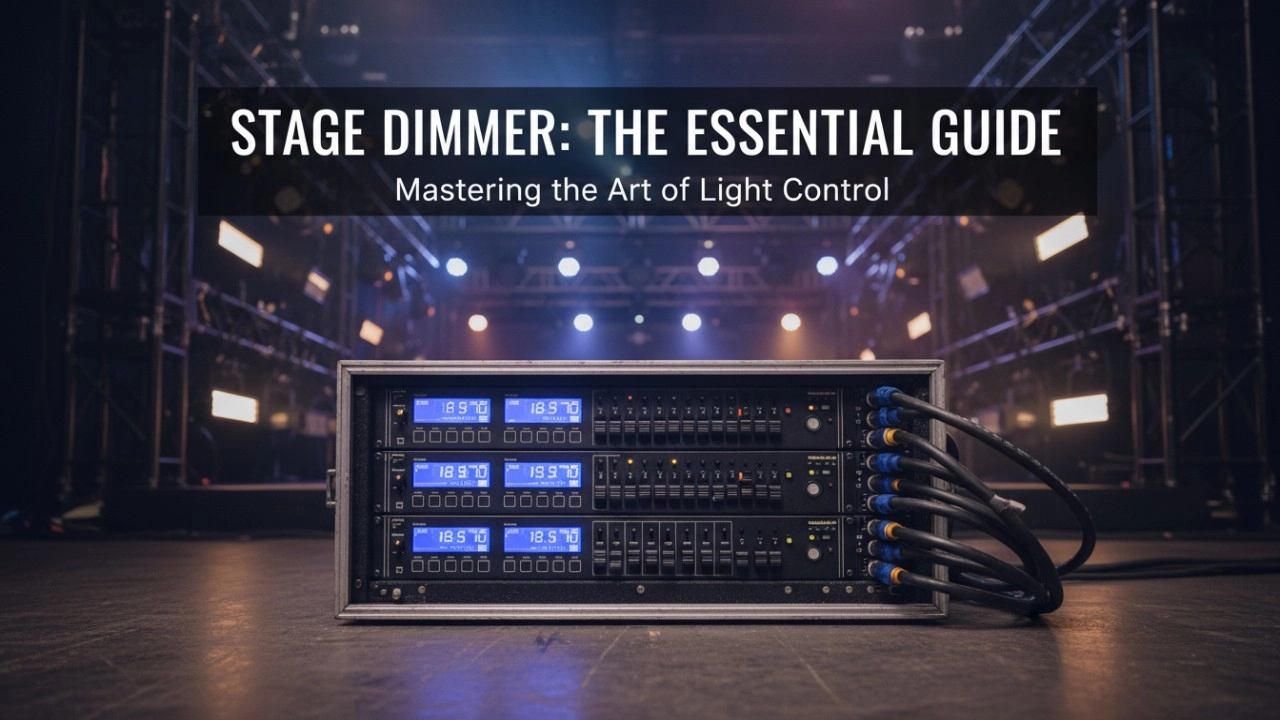
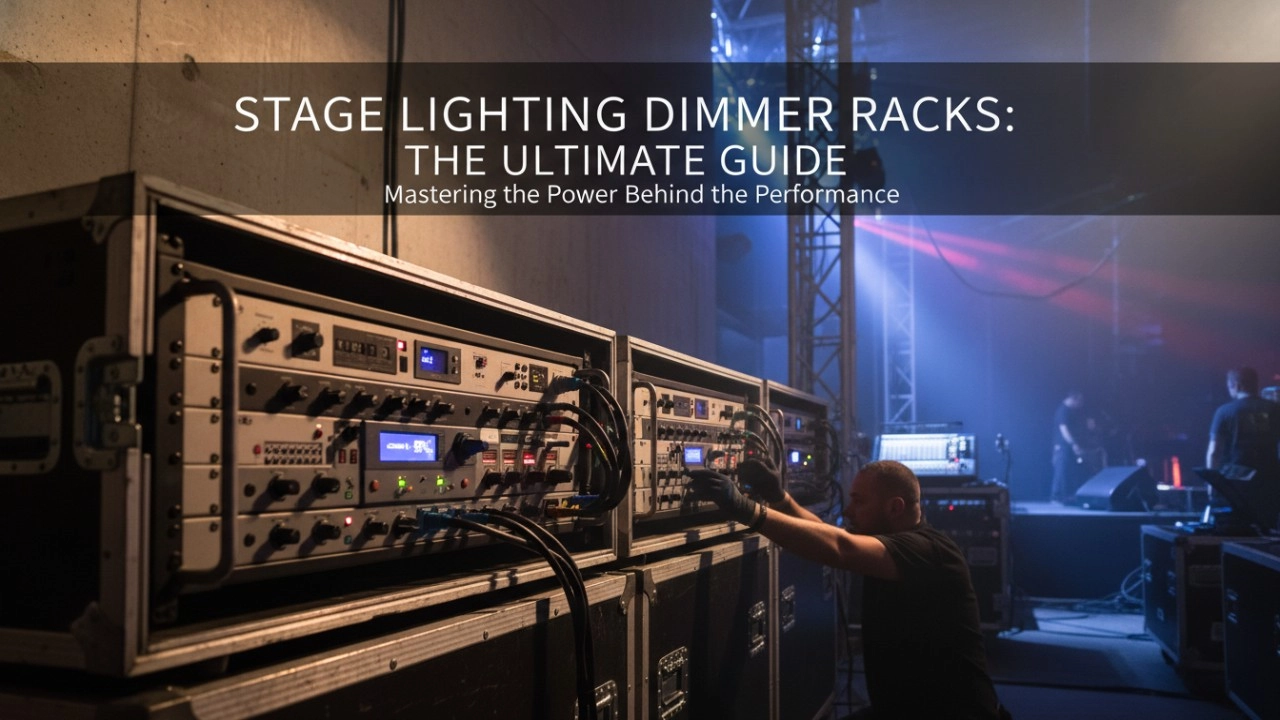
A comprehensive 2026 guide to selecting high-performance stage lighting dimmer racks. We review top hybrid systems, explore SCR vs sine wave technology, and analyze essential features like ThruPower for modern venues.
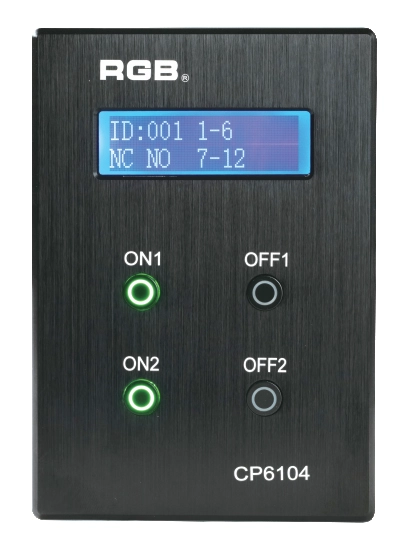
Site Light Controller CP6104
The CP6104 lighting control panel is a lighting control device for theater stage lights, work lights, environmental lighting, commercial art lighting, sports venue lighting and other places. By connecting to the dedicated lighting control host CP6100, it realizes the central control of the lighting system, supports a visual lighting control system, and intuitively displays the online and offline status of CP6104. Realize remote monitoring, editing and setting of corresponding parameters.
It is widely applicable to theaters, cinemas, auditoriums, stadiums, museums, exhibition halls, cultural tourism performances, commercial art lighting and other places.
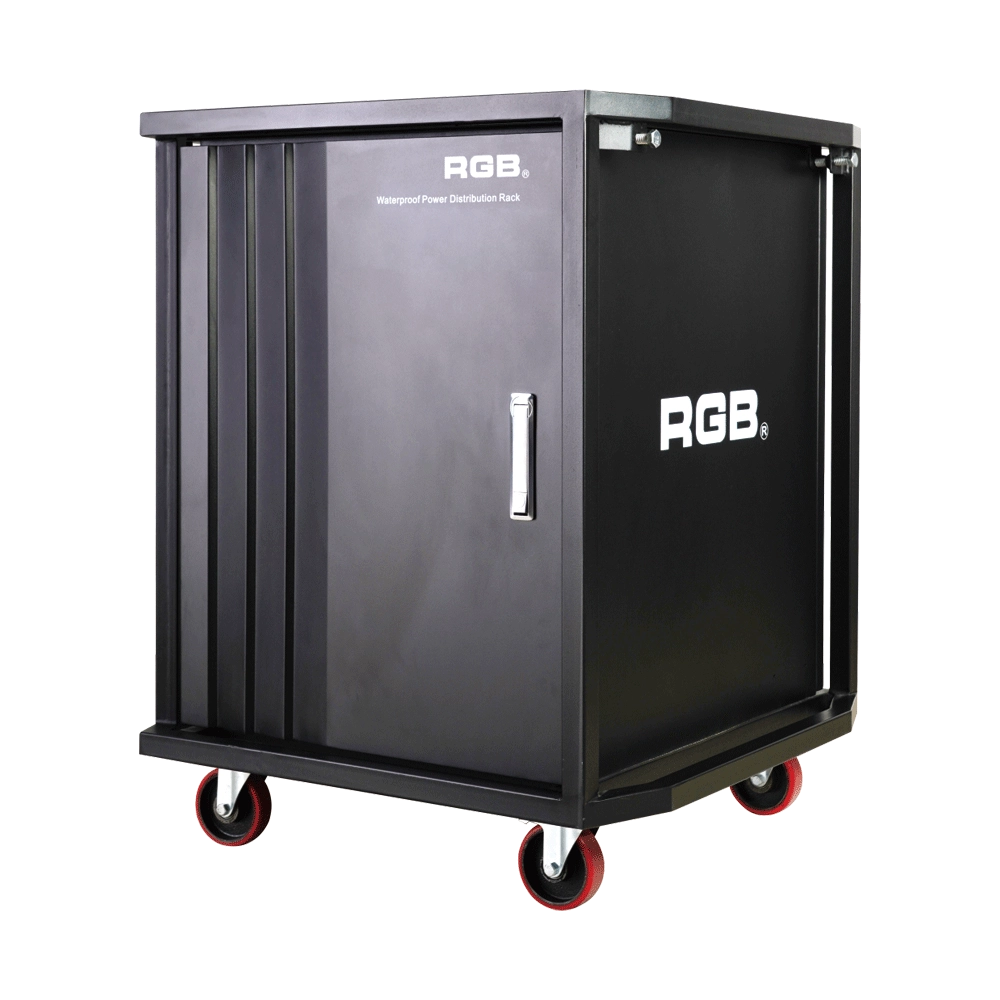
Multifunction Waterproofing Racks Of RGB-W Series
With the continuous development of flow performance, the requirement for performance is more demanding. In order to facilitate the transportation and make it easier to carry for all the equipment used in the performance, the stage light and sound equipment will be installed into a cabinet, for example, the power supply system. During the transportation process, it is inevitable for a collision or crash to take place. If the cabinet material is not strong enough, it may lead to deformation and even damage the equipment inside. Moreover, most of the existing cabinets are not waterproof. It will be very dangerous for the flow performance, as it is normal and inevitable to encounter rainy days. As the equipment inside the cabinets is electriferous, it might cause damage to the electronic equipment at least and even cause casualties at worst. Meanwhile, most of the existing cabinets can only be installed with one kind of equipment with a single variety.
In order to overcome the above-mentioned technical flaw, the RGB company has developed a new type of waterproofing multifunction cabinet of the W series. The waterproofing cabinet of the W series meets the need for the installation of dimming and tone-tuning devices, transportation, and utilization.
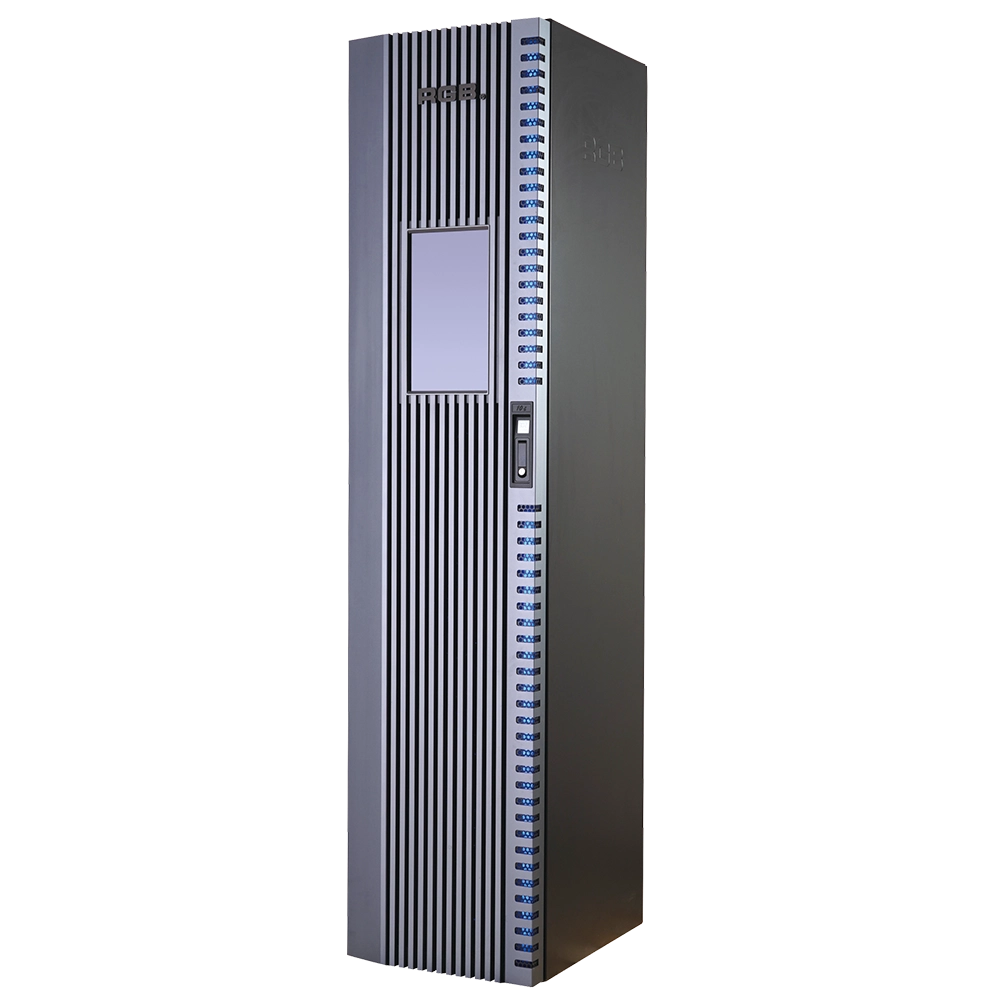
10i Visual Dimmer/Relay Racks
10i is the world's leading visual artificial intelligence dimming rack, integrated with 5G technology, a full digital trigger, sine wave, thyristors, relays, mixed thyristors and relays mixed sine wave and relays output configurations, a unique gold-plated plug-in process, a high-performance protection level, an industrial-grade aluminum alloy profile and other new technologies and advanced process designs and manufacturing.
It is suitable for the lighting control needs of different places such as high-standard grand theaters, TV stations, gymnasium and environmental intelligent lighting.
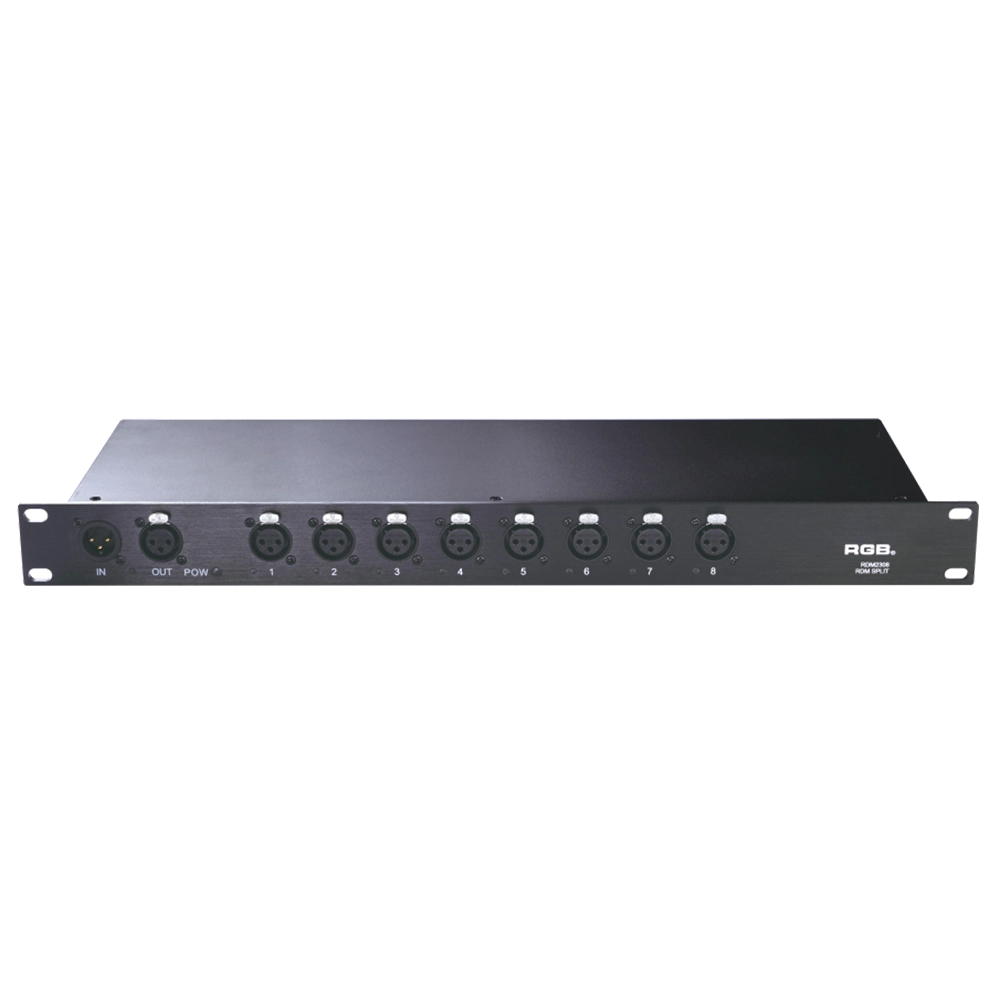
RDM Series Signal Amplifier
RDM2304, RDM2308, RDM2310, RDM2312 rack-mounted The RDM signal amplifier improves the quality of bidirectional RDM signal transmission, ensures the reliability of system control, and prevents faults such as AC high-voltage reverse series lighting control system, lightning high-voltage series entry, and line short circuit, which may affect system stability.
Expert Support
Interested in learning more or need expert guidance related to this article? Fill in your details, and our team will provide tailored support.
Intelligent Control. Brilliant Performance.
RGB specializes in stage lighting control systems, delivering intelligent, reliable, and high-performance solutions for theaters and performance spaces worldwide.
Contact
Email:
Tel:
+86 20 3928 0245
+86 20 3928 0247
Address:
No.3, Huashan Road, Shilou Town, Panyu, Guangzhou, China.
Whatsapp: +8615975520131