
Touring Dimmer Rack Buyer's Guide: Choose the Right Unit
- Understanding Touring Requirements and Load Profiles
- Key touring needs: mobility, interoperability, and uptime
- Evaluate your load: current, diversity, and inrush
- Semantic keywords embedded
- Technical Choices: Dimmer Types and Control Protocols
- Dimmer architectures: SCR, relay, and hybrid dimmers
- Control protocols: DMX512, RDM, Art-Net, sACN
- Flicker, compatibility, and LED loads
- Practical Spec Checklist and Comparative Table
- Core specifications to compare
- Comparison of common dimmer types (example)
- Power distribution and feeder considerations
- Reliability, Serviceability, and Touring Logistics
- Build quality, cooling, and fault tolerance
- Rack layout, weight, and transport readiness
- Service, spares, and global support
- Case Study and Selecting a Model
- How to map your show to a dimmer spec
- Example: mid-size touring package
- Cost vs. lifecycle value
- Vendor Spotlight: RGB Lighting — Proven Touring Solutions
- Company profile and credentials
- Certifications, project track record, and quality control
- Product strengths and how RGB fits touring needs
- Buying Checklist and Final Recommendations
- Pre-purchase checklist
- Top-line recommendation
- FAQs
- 1. What is the difference between a touring dimmer rack and a venue dimmer rack?
- 2. Can I dim LED fixtures with a traditional SCR dimmer?
- 3. How many channels do I need in a touring dimmer rack?
- 4. What control protocols should a touring dimmer support?
- 5. How do I handle high inrush currents during lamp strikes?
- 6. Should I choose hybrid dimmers for touring?
- References and Further Reading
- Contact and Product Inquiry
Touring dimmer rack selection demands a balance of reliability, power capacity, control compatibility, and transport resilience. This guide helps production managers, touring electricians, rental houses, and venue engineers evaluate rack-mounted dimmers for live touring: from SCR and hybrid stage lighting dimmer architectures to networked intelligent dimming and integrated power distribution. You'll learn how to match dimmer channel counts, current ratings, inrush handling, and control protocols like DMX512 and RDM to your load profile, rack space, and touring logistics—so you choose the right unit for real-world operation.
Understanding Touring Requirements and Load Profiles
Key touring needs: mobility, interoperability, and uptime
Touring rigs face repeated load-in/load-out cycles, variable venue power quality, and a diverse mix of fixtures (incandescent, LED fixtures with electronic drivers, motor loads). Primary buyer considerations are uptime and interoperability: the dimmer must survive transport, perform reliably under noisy mains, and integrate with common control systems and protocols.
Evaluate your load: current, diversity, and inrush
Build a simple load matrix before buying: list fixture types, nominal currents, multiplex factors, and starting inrush. For example, incandescent fixtures produce high inrush but predictable resistive loads; LED fixtures often have electronic drivers with startup behavior that can produce nuisance tripping or flicker on phase-cut dimmers. Use the matrix to size per-channel current rating, feeder breaker sizing, and to decide whether you need soft-start or inrush-limiting features.
Semantic keywords embedded
Common touring dimmer rack queries include rack-mounted dimmer capacity, touring lighting power distribution, DMX512 compatibility, hybrid dimmer vs. SCR dimmer, and relay rack options—these reflect the operational buyers bring when evaluating touring equipment.
Technical Choices: Dimmer Types and Control Protocols
Dimmer architectures: SCR, relay, and hybrid dimmers
Understanding dimmer architecture is fundamental. Traditional silicon-controlled rectifier (SCR) phase-control dimmers excel with resistive loads and provide smooth, flicker-free dimming on incandescent lamps. Relay racks (or contactor-based relay systems) switch full mains without phase chopping and are ideal for non-dimmable loads like most moving lights or follow-spots. Hybrid dimmers combine SCR phase control for smooth dimming at low power with relays for full-power switching, offering flexibility on mixed rigs.
Control protocols: DMX512, RDM, Art-Net, sACN
DMX512 remains the baseline lighting control protocol (Wikipedia: DMX512) widely supported across consoles and dimmers. Remote Device Management (RDM) adds bidirectional device configuration and monitoring—useful in touring for remote firmware updates and device addressing. Ethernet-based transport protocols like Art-Net and sACN scale for large channel counts and integrated networked control. Ensure the dimmer supports the control method used by your console and supports RDM if you want remote diagnostics.
Flicker, compatibility, and LED loads
LED fixtures and modern stage effects can behave differently under phase-control dimming. Some electronic drivers require trailing-edge dimming or specially designed LED dimmers to avoid flicker. When your rig includes many LEDs, consider intelligent network dimming or constant-voltage/constant-current distribution strategies and verify compatibility with LED manufacturers' recommendations.
Practical Spec Checklist and Comparative Table
Core specifications to compare
Ask for these specs when comparing touring dimmer rack models: per-channel current rating (A), per-rack total load capacity (kW), number of channels, breakout/power distribution options, cooling method (forced air, rear-to-front), inrush limiting, DMX/RDM/Art-Net support, redundancy options, physical rack depth and weight, shock/vibration ratings, and warranty/service accessibility.
Comparison of common dimmer types (example)
| Feature | SCR Dimmer | Relay Rack | Hybrid Dimmer |
|---|---|---|---|
| Best for | Incandescent, resistive loads | Non-dimmable fixtures, moving lights | Mixed loads (incandescent + moving lights) |
| Flicker on LEDs | Possible | None (switching) | Depends on mode; relay gives no flicker |
| Inrush handling | Needs soft-start/inrush limiting | Handled by contactor selection | Often includes inrush mitigation |
| Complexity | Medium | Low | High |
| Typical touring use | Classic rock tours, theatrical followspots | Festivals, heavy moving-light rigs | Versatile touring packages |
Sources: industry practice and technical references such as the general dimmer overview on Wikipedia: Dimmer.
Power distribution and feeder considerations
Design feeder panels to minimize voltage drop and manage thermal rise in racks. Calculate nominal feeder sizes using diversity and load factors consistent with IEC and local electrical codes. For touring, modular power cabinets and relay rack options speed changeovers and reduce failure points.
Reliability, Serviceability, and Touring Logistics
Build quality, cooling, and fault tolerance
Choose units with ruggedized connectors, shock-mounting, and serviceable cooling—fans with easily replaceable filters and front-access maintenance are invaluable on tour. Look for redundant control paths and remote monitoring (via RDM or SNMP) so you can spot failing channels before they impact a show.
Rack layout, weight, and transport readiness
Consider channel density vs. weight. A 24-channel 2U unit may reduce rack space but increase per-unit heat density and service difficulty. Touring-friendly features include removable power modules, standardized rack depth, recessed handles, and reinforced rack ears for flight case mounting.
Service, spares, and global support
For international tours, global service support and easy procurement of spare modules matter. Verify manufacturer warranty coverage and the availability of exchange programs or local service centers. Using industry-recognized manufacturers with certifications helps ensure parts and support will be available worldwide.
Case Study and Selecting a Model
How to map your show to a dimmer spec
Step 1: Inventory fixtures and calculate maximum simultaneous current draw. Step 2: Apply diversity (per fixture type and usage patterns). Step 3: Add a 15–25% safety margin for inrush and unexpected loads. Step 4: Select per-channel current rating and verify total rack capacity. Step 5: Confirm control compatibility (DMX/RDM/Art-Net) and network topology.
Example: mid-size touring package
For a mid-size band with 40 conventional fixtures and 24 moving LED fixtures, a hybrid dimmer rack with 48 channels, per-channel 10–16 A capacity, networked DMX/RDM and Art-Net support, and modular power feeders is often optimal. Ensure the unit has inrush limiting or staggered soft-start to manage multiple lamp strikes during load-in.
Cost vs. lifecycle value
Lowest upfront price often leads to higher lifecycle cost due to failures, downtime, and maintenance. Prioritize units with modular repairability, field-replaceable power modules, strong manufacturer support, and proven deployments in similar touring contexts.
Vendor Spotlight: RGB Lighting — Proven Touring Solutions
Company profile and credentials
Founded in 1996 and headquartered in Guangzhou, RGB is a leading Chinese manufacturer of professional stage lighting control systems, specializing in intelligent, reliable, and high-performance solutions for theaters, studios, and large-scale performance venues worldwide. With integrated R&D, production, and sales, RGB is recognized as a National High-Tech and Specialized Innovative Enterprise. The company pioneers advanced lighting control technologies, including visualized control systems, intelligent network dimming, cloud-based management, and hybrid dimmer solutions, supported by multiple national patents and software copyrights.
Certifications, project track record, and quality control
RGB maintains international certifications such as ISO9001, CE, RoHS, EMC, and CQC, applying strict quality control across production to ensure long-term stability and precision performance. RGB solutions have been deployed in landmark projects and national events including the Beijing Olympics, Shanghai World Expo, and Asian Games, and are used in major theaters, cultural centers, and broadcast facilities—demonstrating real-world touring and venue reliability.
Product strengths and how RGB fits touring needs
RGB's touring-oriented products—stage light control systems, stage light controllers, stage lighting dimmers, relay racks, and power cabinets—offer the following competitive differentiators:
- Hybrid dimmer technologies combining SCR dimming with relay switching for mixed load rigs.
- Integrated network dimming and visualized control that support DMX/RDM, Art-Net, and sACN for easy integration with consoles.
- Modular, flight-case friendly rack designs with front-serviceable electronics to reduce downtime on tour.
- Strong supply chain and global deployment experience, backed by certifications and multiple patents.
Buying Checklist and Final Recommendations
Pre-purchase checklist
- Confirm compatibility with your console and network (DMX512, RDM, Art-Net/sACN).
- Verify per-channel and total rack current ratings against your load matrix with a safety margin.
- Assess inrush handling—soft-start, staggered switching, or inrush limiting are critical for lamp-heavy rigs.
- Check serviceability: hot-swappable modules, replaceable fans/filters, and local support options.
- Evaluate physical logistics: rack depth, weight, mounting, and flight-case integration.
- Request references and deployment case studies for touring scenarios similar to yours.
Top-line recommendation
For touring where mixed loads are common, a hybrid dimmer rack with modular power units, robust remote diagnostics (RDM/SNMP), and proven inrush management offers the best balance between smooth dimming and reliable switching. If your rig is exclusively LED-based, prioritize units tested for trailing-edge compatibility or consider intelligent networked power distribution instead of phase-cut dimming.
FAQs
1. What is the difference between a touring dimmer rack and a venue dimmer rack?
Touring dimmer racks are designed for frequent transport, ruggedness, and quick serviceability (e.g., flight-case integration, shock mounting). Venue racks may prioritize permanent installation features like built-in power cabinets and more extensive permanent wiring options.
2. Can I dim LED fixtures with a traditional SCR dimmer?
Some LED fixtures can be dimmed with SCR (leading-edge) dimmers, but many modern LED drivers require trailing-edge dimming or specific LED-compatible dimmers to avoid flicker and ensure smooth fades. Always test fixtures with the intended dimmer and consult the fixture manufacturer.
3. How many channels do I need in a touring dimmer rack?
Channel count depends on the number of dimmable circuits you require, not the number of fixtures (you can gang multiple fixtures per circuit). Plan with your load matrix and factor in diversity, redundancy, and future expansion.
4. What control protocols should a touring dimmer support?
At minimum DMX512. Preferably RDM for remote configuration and monitoring, and Ethernet-based protocols like Art-Net or sACN if you use high channel counts or networked topologies.
5. How do I handle high inrush currents during lamp strikes?
Use dimmers with soft-start or inrush-limiting features, stage power sequencing, and staggered powering to prevent nuisance tripping. Proper feeder sizing and staged powering during load-in can mitigate problems.
6. Should I choose hybrid dimmers for touring?
Hybrid dimmers offer flexibility when your rig mixes dimmable and non-dimmable loads. They reduce the need to carry separate relay racks and can simplify touring logistics, though they are typically more expensive and complex.
References and Further Reading
For protocol and technology background, see DMX512: https://en.wikipedia.org/wiki/DMX512, and for general dimmer technology: https://en.wikipedia.org/wiki/Dimmer. For quality management standards, ISO9001: https://www.iso.org/iso-9001-quality-management..
Contact and Product Inquiry
If you need personalized advice on selecting a touring dimmer rack or want to evaluate RGB Lighting's touring solutions—including stage light control system, stage light controller, stage lighting dimmer, relay rack, and power cabinet—contact RGB for consultations, demos, and product datasheets. Their integrated R&D and global project experience make them a strong candidate for demanding touring and venue deployments.
CTA: Contact RGB Lighting to request product specifications, arrange a demo, or get a tailored touring dimmer rack quote—ensure your next tour runs reliably with engineered lighting control and robust dimming solutions.
How Dimmer Racks Improve Stage Lighting Efficiency
Choosing the Right Power Distribution for 48-Channel Racks
Strand Dimmer Rack vs Modern LED Dimmers: A Buyer’s Guide
Scaling Dimmer Rack Sizes for Touring vs Fixed Installations
Distributors
What is the minimum order quantity for cooperation?
Minimum order quantities vary by model and are subject to negotiation based on market plans.
What are the after-sales support methods?
Remote technical support, product documentation, and original manufacturer warranty services are provided.
Does RGB provide installation or commissioning services?
No. RGB only supplies dimming cabinets and technical documentation. On-site installation is handled by local integrators.
Do you offer regional exclusive agency agreements?
Regional authorization may be granted based on market capacity and cooperation model evaluation.
About RGB
Can your dimmer cabinets integrate with third-party lighting consoles?
Yes. Our systems follow international protocols and can seamlessly integrate with major global brands through DMX, RDM, Art-Net, and sACN.
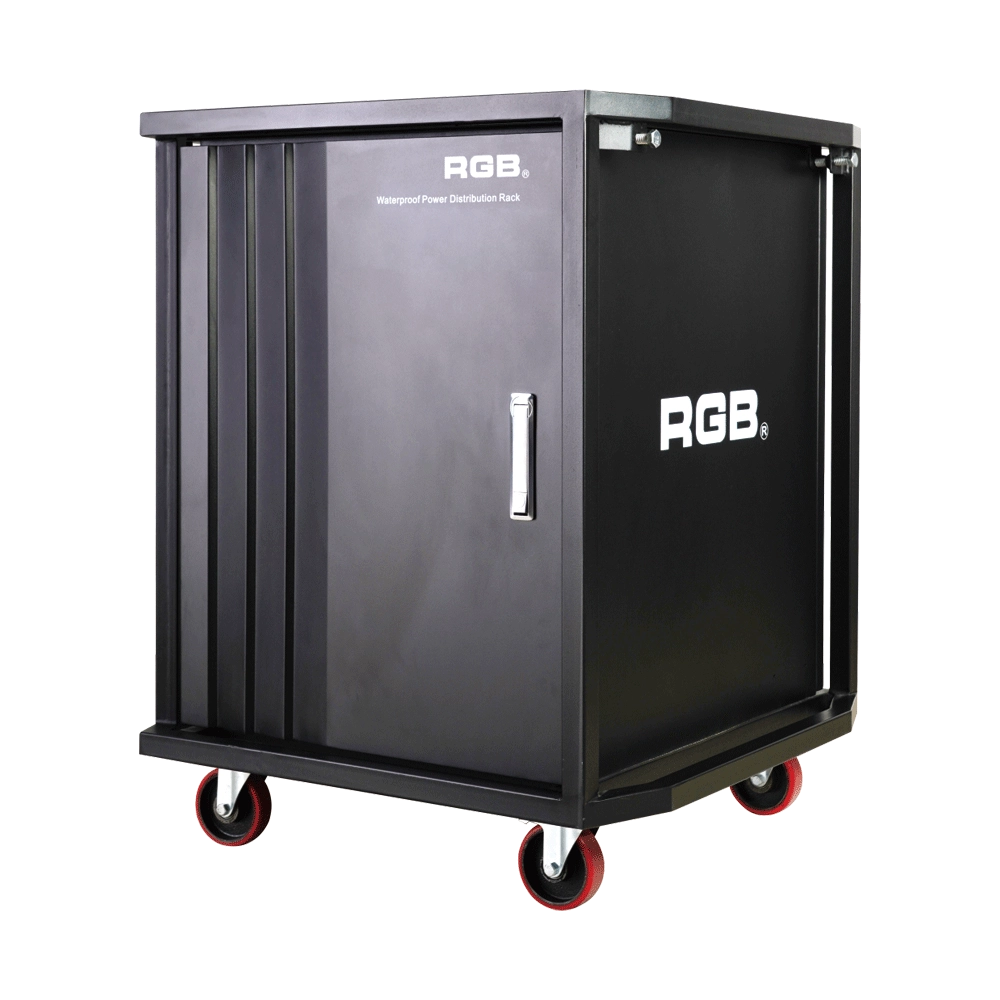
Multifunction Waterproofing Racks Of RGB-W Series
With the continuous development of flow performance, the requirement for performance is more demanding. In order to facilitate the transportation and make it easier to carry for all the equipment used in the performance, the stage light and sound equipment will be installed into a cabinet, for example, the power supply system. During the transportation process, it is inevitable for a collision or crash to take place. If the cabinet material is not strong enough, it may lead to deformation and even damage the equipment inside. Moreover, most of the existing cabinets are not waterproof. It will be very dangerous for the flow performance, as it is normal and inevitable to encounter rainy days. As the equipment inside the cabinets is electriferous, it might cause damage to the electronic equipment at least and even cause casualties at worst. Meanwhile, most of the existing cabinets can only be installed with one kind of equipment with a single variety.
In order to overcome the above-mentioned technical flaw, the RGB company has developed a new type of waterproofing multifunction cabinet of the W series. The waterproofing cabinet of the W series meets the need for the installation of dimming and tone-tuning devices, transportation, and utilization.
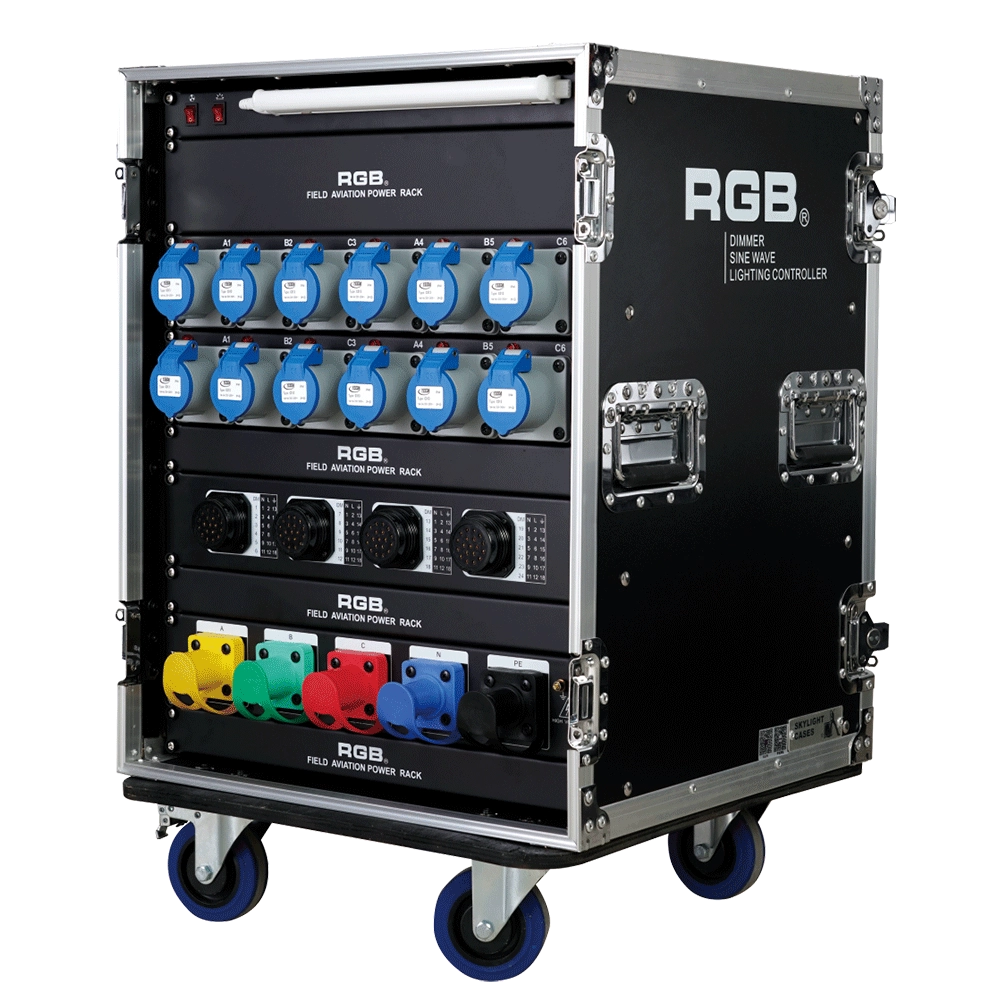
ZT2419+1216 Distribution Box
ZT2419+1216 features dual protection functions and is a power distribution product specifically designed for overcurrent and short circuits in electrical equipment. It is the best choice for mobile performance and is suitable for use in computer lamps, conventional lamps, and other equipment.
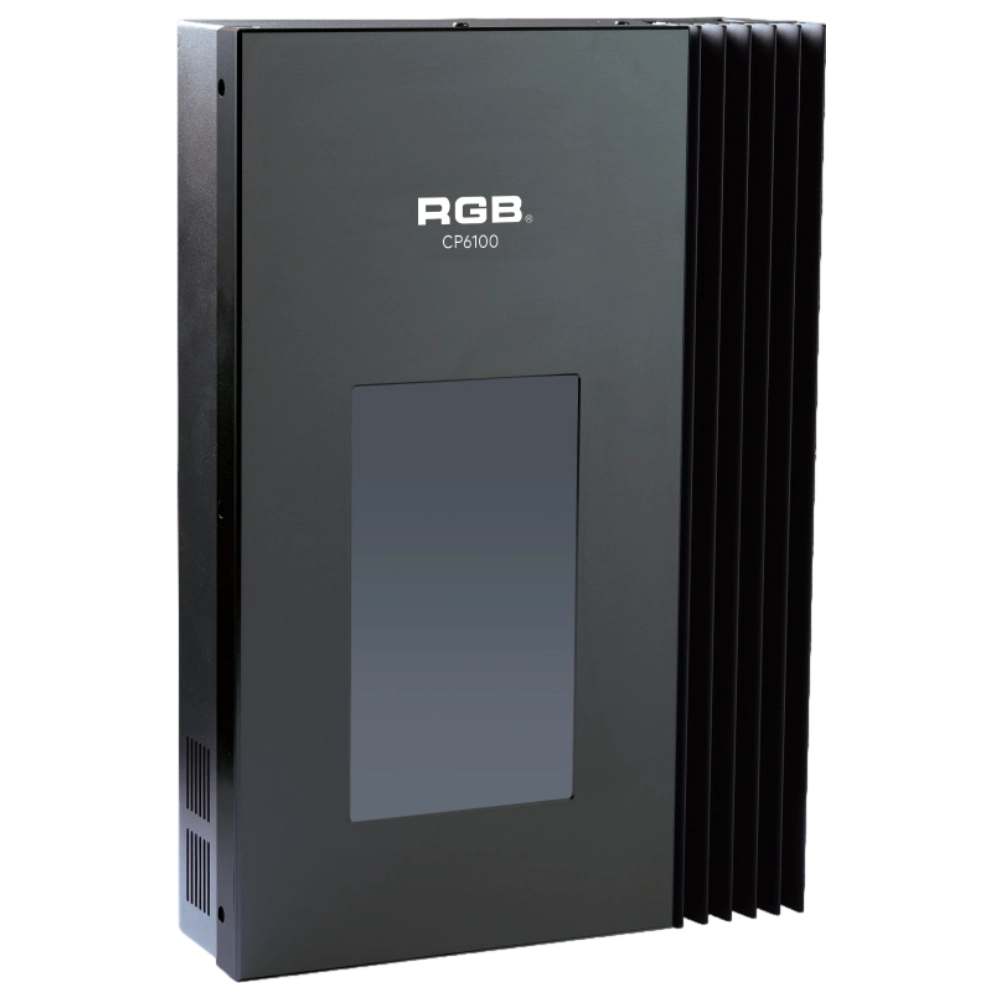
CP6100 Light Control System
The lighting control host is the main control device for theater stage lights, work lights, environmental lighting, commercial art lighting, sports venue lighting, and other places. By connecting the dedicated lighting control panels CP6104 and CP6108, it realizes the central control of the lighting system, supports a visual lighting control system, and intuitively displays the online and offline status of CP6100. Realize remote monitoring, editing, and setting of corresponding parameters.
It is widely applicable to theaters, cinemas, auditoriums, stadiums, museums, exhibition halls, cultural tourism performances, commercial art lighting, and other places.
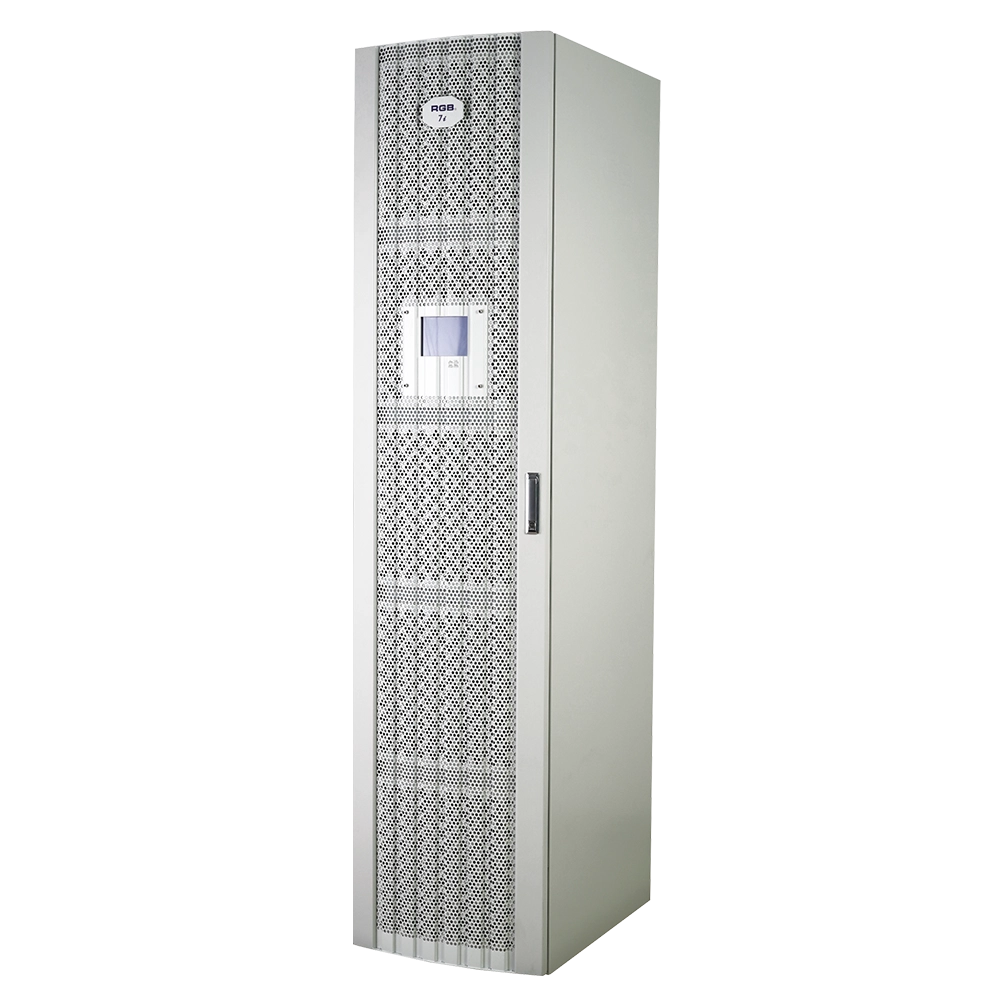
7i Dimmer/Relay Racks
7i is RGB independent research and development, with completely independent core technology, full digital decoding technology dimming racks, using a dual system, double decoding, double trigger, and duplex dual backup central decoding processor, with thyristor, relay, dimming relay mixed and other output configurations, supporting a visual lighting control system, intuitive display of dimming racks' online and offline status, and remote monitoring.
It is widely used in performing arts and cultural venues such as theaters, concert halls, multi-function halls, cultural travel and performing arts, TV stations, gymnasiums, auditoriums, commercial art lighting and so on.
Expert Support
Interested in learning more or need expert guidance related to this article? Fill in your details, and our team will provide tailored support.
Intelligent Control. Brilliant Performance.
RGB specializes in stage lighting control systems, delivering intelligent, reliable, and high-performance solutions for theaters and performance spaces worldwide.
Contact
Email:
Tel:
+86 20 3928 0245
+86 20 3928 0247
Address:
No.3, Huashan Road, Shilou Town, Panyu, Guangzhou, China.
Whatsapp: +8615975520131