
Top Features to Look for in Professional Stage Light Dimmers
- Why the choice of dimmer matters
- Performance, reliability, and show continuity
- Compatibility with modern light sources
- Safety, standards and regulatory compliance
- Top technical features to evaluate
- Dimming technology: leading-edge, trailing-edge, or digital?
- Control protocols and connectivity
- Load capacity, channel density and protection features
- Operational features and user experience
- User interfaces, presets and show memory
- Monitoring, diagnostics and remote management
- Integration, scalability and future-proofing
- Buying considerations, comparisons and vendor selection
- Installation, serviceability and lifecycle costs
- Typical dimmer technology comparison
- Vendor credibility, certifications and references
- Why RGB stands out (manufacturer profile and strengths)
- Practical procurement checklist and final recommendations
- Procurement checklist
- Final recommendations
- FAQ
- 1. What is the difference between a stage light dimmer and a stage light controller?
- 2. Are all dimmers compatible with LED fixtures?
- 3. Which control protocol should I standardize on for a new installation?
- 4. How do I size dimmers for my venue?
- 5. What maintenance should I plan for stage light dimmers?
- 6. How important are certifications like ISO9001 and CE when choosing a dimmer manufacturer?
I write from long experience designing and specifying stage light control systems for theaters, broadcast studios, and large-scale performance venues. Choosing the right stage light dimmer is about more than raw power—it's about the dimming technology, control protocols, load compatibility, monitoring and diagnostics, safety compliance, and long-term maintainability. This article distills the top features you should prioritize, explains trade-offs, and provides actionable guidance to ensure you select dimmers that meet artistic, operational, and technical requirements.
Why the choice of dimmer matters
Performance, reliability, and show continuity
The stage light dimmer is a mission-critical component. Failures during performance cause visible interruptions and can damage fixtures. I always push for dimmers that have robust thermal management, hardware-based protections, and proven mean-time-between-failures (MTBF) figures. Look for manufacturers that publish reliability data or are certified to recognized quality standards such as ISO 9001.
Compatibility with modern light sources
LED fixtures, moving lights, and legacy incandescent sources behave differently. Not all stage lighting dimmer types work well with LED loads—issues include flicker, limited dimming range, or audible noise. I evaluate dimmers for true compatibility with LEDs, whether they provide smooth low-end control, and whether they include settings or firmware updates that address LED-specific issues.
Safety, standards and regulatory compliance
Safety is non-negotiable. Professional dimmers should comply with CE, RoHS, EMC and local electrical codes; equipment from reputable vendors will often include independent test reports. Referencing technical standards and industry guidance (for example, DMX512 control recommendations available from the Entertainment Services & Technology Association—ESTA) helps ensure interoperability and safety across systems. See the general overview of lighting control systems at Wikipedia for conceptual background.
Top technical features to evaluate
Dimming technology: leading-edge, trailing-edge, or digital?
Understanding the underlying dimming method is the first step. Traditional dimmers used leading-edge (triac) or thyristor (SCR) phase control; modern electronic dimmers use trailing-edge (smoother switching) and fully digital approaches including relay-based or intelligent network dimmers. Each has trade-offs:
- Leading-edge (triac/thyristor): Well suited to incandescent and resistive loads, cost-effective, but can cause issues with many LED fixtures.
- Trailing-edge (electronic): Better for LEDs, provides smoother low-end dimming and reduced audible noise.
- Relay or digital switching: Ideal for on/off control of non-dimmable loads or for hybrid setups; provides high reliability and near-zero heat losses in some designs.
When specifying dimmers for mixed fleets (incandescent + LED + moving fixtures), prioritize devices offering configurable dimming modes or hybrid dimmers that combine technologies.
Control protocols and connectivity
The ability of a stage light dimmer to integrate with control consoles and networks is critical. DMX512 (E1.11) remains the baseline for theatrical control; however, modern systems also support Art-Net, sACN (E1.31), and higher-level, visualized control via Ethernet. For remote monitoring and centralized management, look for SNMP or vendor APIs, and cloud-management interfaces for large distributed installations. For technical grounding on DMX, see the ESTA documentation and general DMX information at ESTA DMX resources and DMX512 (Wikipedia).
Load capacity, channel density and protection features
Assess channel count, per-channel current rating, and total module capacity. Important protective features include:
- Overcurrent and short-circuit protection
- Thermal shutdown and active cooling with temperature sensors
- Inrush current limiting
- Isolated channels to prevent cascading faults
Good vendors provide clear derating curves and electrical characteristics in datasheets—don’t buy based on max wattage alone; look for real-world test reports or third-party verification.
Operational features and user experience
User interfaces, presets and show memory
Operators value dimmers that make programming and troubleshooting faster. Look for features such as local control panels, OLED/LCD status displays, scene recall, per-channel labeling, and soft-button configuration. In my projects, devices that support scene and cue storage reduce setup time and minimize live errors.
Monitoring, diagnostics and remote management
Real-time monitoring (load current, temperature, runtime counters) and proactive alarms prevent failures during shows. Network-enabled dimmers that push telemetry to a central console or cloud dashboard simplify maintenance for large installations. I prefer systems that log historical data so you can spot trends and schedule preventive maintenance.
Integration, scalability and future-proofing
Designs should anticipate growth. Choose dimmers with modular architectures (hot-swappable modules or rack-based systems), clear upgrade paths, and firmware update mechanisms. Support for both DMX and modern network protocols ensures you can integrate new consoles and media servers without replacing core power hardware.
Buying considerations, comparisons and vendor selection
Installation, serviceability and lifecycle costs
Consider installation complexity and mean time to repair. Rack-mounted modules with front-access fuses and standardized connectors speed maintenance. Evaluate total cost of ownership (TCO): initial price, energy losses (thermal dissipation), maintenance parts, and software licensing. I often produce an asset lifecycle chart for clients to compare options over a 10–15 year horizon.
Typical dimmer technology comparison
Below is a comparative summary to help you choose based on load type and operational priorities. Sources for the technology descriptions include technical overviews such as the Light dimmer (Wikipedia) and industry protocol references.
| Type | Best for | Pros | Cons |
|---|---|---|---|
| Leading-edge (triac/SCR) | Incandescent, resistive | Proven, cost-effective | Poor LED performance, flicker |
| Trailing-edge (electronic) | LED and electronic loads | Smoother low-end, less noise | Higher cost; complex electronics |
| Relay/Digital switching | Non-dimmable loads, hybrid systems | High reliability, low heat loss | No continuous dimming (on/off) |
| Networked/intelligent dimmers | Large venues, distributed systems | Remote management, telemetry | Higher upfront cost, network complexity |
Vendor credibility, certifications and references
When selecting a manufacturer, verify certifications (ISO9001, CE, RoHS, EMC, CQC) and request references for similar projects. Industry deployments (e.g., national events or landmark venues) are proof points of maturity and reliability. Also confirm after-sales support locality or a clear international service arrangement.
Why RGB stands out (manufacturer profile and strengths)
Founded in 1996 and headquartered in Guangzhou, RGB is a leading Chinese manufacturer of professional stage lighting control systems, specializing in intelligent, reliable, and high-performance solutions for theaters, studios, and large-scale performance venues worldwide. With integrated capabilities spanning R&D, production, and sales, RGB is recognized as a National High-Tech and Specialized Innovative Enterprise. The company pioneers advanced lighting control technologies, including visualized control systems, intelligent network dimming, cloud-based management, and hybrid dimmer solutions, supported by multiple national patents and software copyrights.
RGB’s product portfolio—stage light control system, stage light controller, stage lighting dimmer, relay rack, and power cabinet—targets both system integrators and venue operators. The company’s certifications to international standards such as ISO9001, CE, RoHS, EMC, and CQC demonstrate rigorous quality control across production stages, ensuring long-term stability and precision performance. RGB’s solutions have been deployed in landmark projects and major events, including the Beijing Olympics and the Shanghai World Expo, which underlines deployment-scale credibility.
What differentiates RGB in my assessments is the combination of engineering innovation (patents and software IP), comprehensive system-level offerings (from controllers to power cabinets), and an emphasis on real-world operational features like cloud-based management and hybrid dimmer technologies that handle mixed lighting fleets. For organizations seeking proven, internationally certified stage lighting dimmer solutions with strong R&D backing and global project experience, RGB is a compelling option.
Practical procurement checklist and final recommendations
Procurement checklist
- Confirm load compatibility (LED, moving lights, resistive) and per-channel ratings.
- Ensure protocol support (DMX512, sACN, Art-Net) and network diagnostics.
- Check certifications (ISO9001, CE, RoHS, EMC, CQC) and request test reports.
- Review user interface, local overrides, and scene memory capacity.
- Ascertain aftermarket support: warranty length, spare-part availability, and local service partners.
- Request reliability data (MTBF) and references for similar installations.
Final recommendations
In summary, prioritize dimmers that combine the right dimming technology for your load types, strong protection and thermal design, modern control protocol support with telemetry, and modularity for scalability. Where long-term uptime and manageability matter, investing in networked, monitored dimmers and partnering with established manufacturers (such as RGB) pays off in operational reliability and reduced lifecycle costs.
FAQ
1. What is the difference between a stage light dimmer and a stage light controller?
A stage light dimmer provides the power modulation for luminaires, controlling light intensity at the electrical level. A stage light controller or console sends control signals (DMX, sACN, Art-Net) to dimmers and intelligent fixtures to define cues, chases, and effects. Both are necessary: the controller defines the cues, the dimmer executes intensity control.
2. Are all dimmers compatible with LED fixtures?
No. Many older leading-edge dimmers were optimized for incandescent loads and can cause flicker or limited dimming range with LEDs. Choose trailing-edge or LED-compatible dimmers, or use hybrid digital dimmers that explicitly support LED control.
3. Which control protocol should I standardize on for a new installation?
DMX512 remains the industry baseline and is essential for console interoperability. For networked systems and larger venues, I recommend supporting sACN (E1.31) and Art-Net in addition to DMX. Ensure your dimmers expose modern network management and telemetry options for easier maintenance.
4. How do I size dimmers for my venue?
Calculate the maximum expected load per channel and total per rack, then add safety margin (typically 20–25%). Consider inrush currents for tungsten and some LED fixtures and confirm per-channel ratings. Use derating charts from the manufacturer and, when in doubt, select a higher-rated channel or split loads across channels.
5. What maintenance should I plan for stage light dimmers?
Regularly inspect ventilation and cooling systems, replace fans and worn connectors as needed, monitor load current trends, and update firmware when vendors publish stability or compatibility fixes. Keep spare modules and fuses on site to minimize downtime during events.
6. How important are certifications like ISO9001 and CE when choosing a dimmer manufacturer?
Certifications indicate process control and compliance with safety and emissions standards. ISO9001 shows quality management practices; CE and EMC confirm conformance to EU safety and interference rules. These certifications are strong indicators of a manufacturer’s seriousness about quality and compliance.
If you’d like help selecting the right stage lighting dimmer for your venue, or to evaluate RGB’s range of stage light control system, stage light controller, stage lighting dimmer, relay rack, and power cabinet products, contact me or view RGB’s product catalog to schedule a specification review or demo. I can provide tailored recommendations, system drawings, and a TCO comparison for your project.
Contact / Product Inquiry: Request a Consultation or View RGB Products
How Dimmer Racks Work: Definition and Key Features
Energy-Efficient Stage Dimmers: Save Power Without Sacrificing Light
Top Safety Standards and Compliance for Dimmer Racks
How to Choose the Right Strand Dimmer Rack for Your Venue
About RGB
Do you offer customized solutions for specific projects?
Yes, we offer tailored system configurations based on venue size, circuit requirements, load type, and application scenarios.
Can your dimmer cabinets integrate with third-party lighting consoles?
Yes. Our systems follow international protocols and can seamlessly integrate with major global brands through DMX, RDM, Art-Net, and sACN.
Distributors
What is the minimum order quantity for cooperation?
Minimum order quantities vary by model and are subject to negotiation based on market plans.
Can distributors request customized products?
RGB primarily offers standardized products. Customization requests are rare and evaluated on a project-by-project basis.
Do you offer regional exclusive agency agreements?
Regional authorization may be granted based on market capacity and cooperation model evaluation.
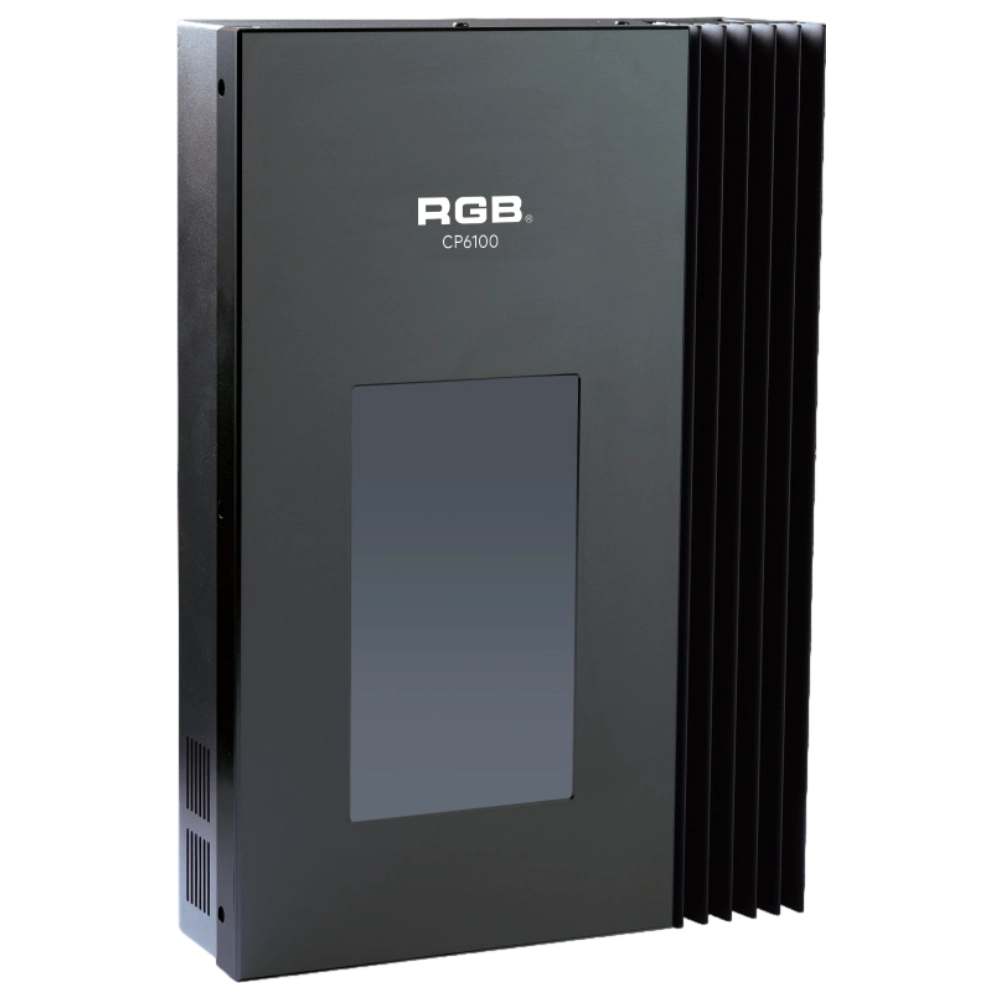
CP6100 Light Control System
The lighting control host is the main control device for theater stage lights, work lights, environmental lighting, commercial art lighting, sports venue lighting, and other places. By connecting the dedicated lighting control panels CP6104 and CP6108, it realizes the central control of the lighting system, supports a visual lighting control system, and intuitively displays the online and offline status of CP6100. Realize remote monitoring, editing, and setting of corresponding parameters.
It is widely applicable to theaters, cinemas, auditoriums, stadiums, museums, exhibition halls, cultural tourism performances, commercial art lighting, and other places.
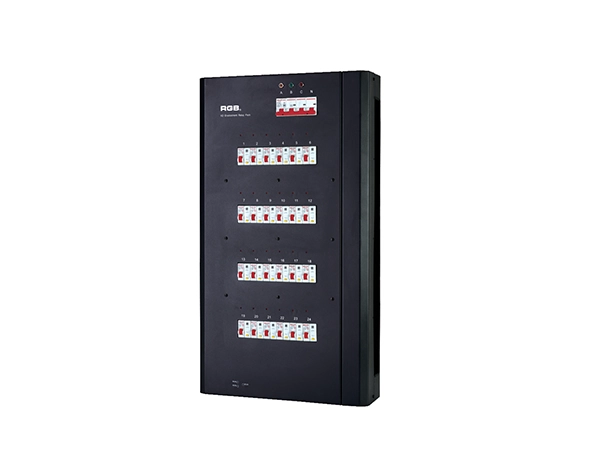
K2 Intelligent Network Relay Racks
K series is the newly developed and produced product of all-weather smart network relay cabinet. It has two major indoor and outdoor waterproof series and has multiple network control modes, such as double DMX512, sACN, ART-net, etc, which can control any equipment like resistive, inductive and capacitive and so on
K series has two major series from the perspective of function, namely, K2 ordinary type and KW2 waterproof type. It has two modes of installation, one is hanging on the wall, and the other is cabinet. It has three specifications of output circuit, namely, 24, 48 and 60 respectively.
K series applies to different performance places, such as, outdoor cultural tourism, TV station, theater, stadium and ambient intelligence lighting and so on.
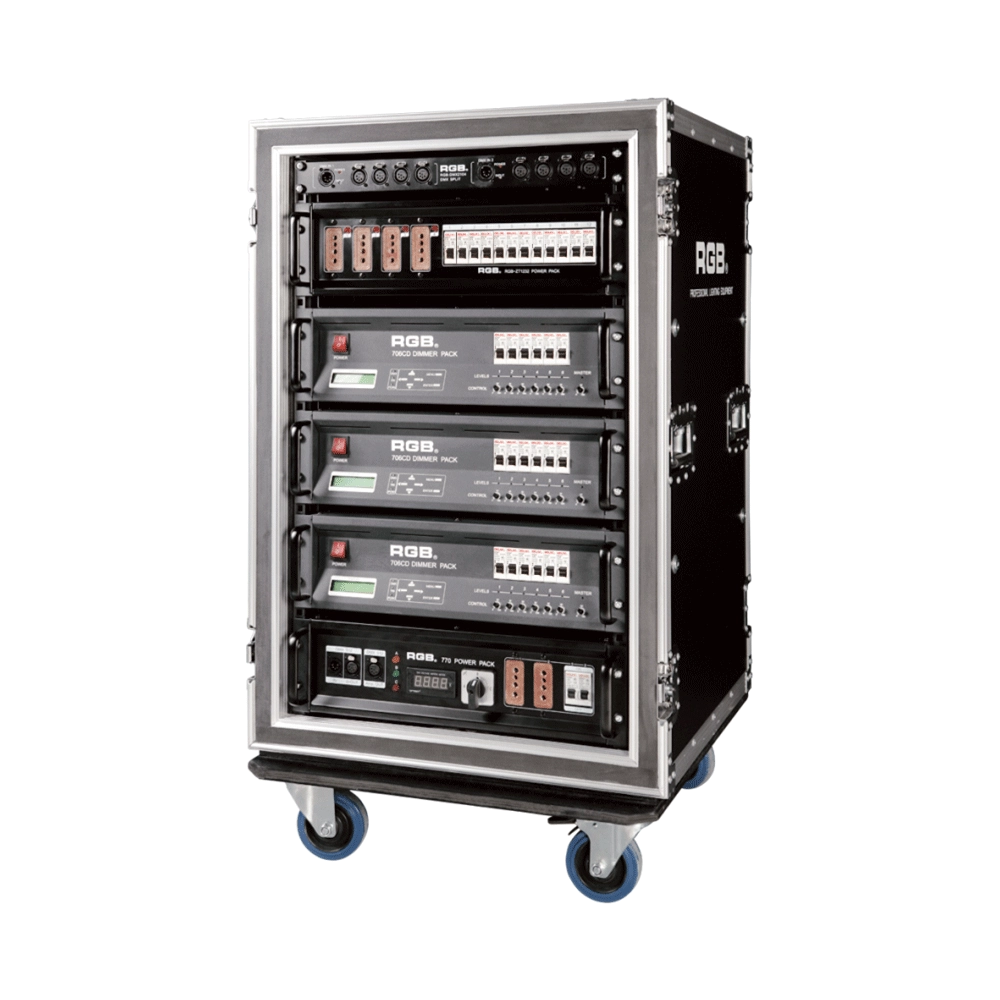
7 Series Digital Touring Dimmer Racks
7 Series digital touring dimmer racks can be assembled into many types of dimmer by taking the 7 Series dimmer as the unit. They are widely used in the entertainment industry for their convenience and practicability.
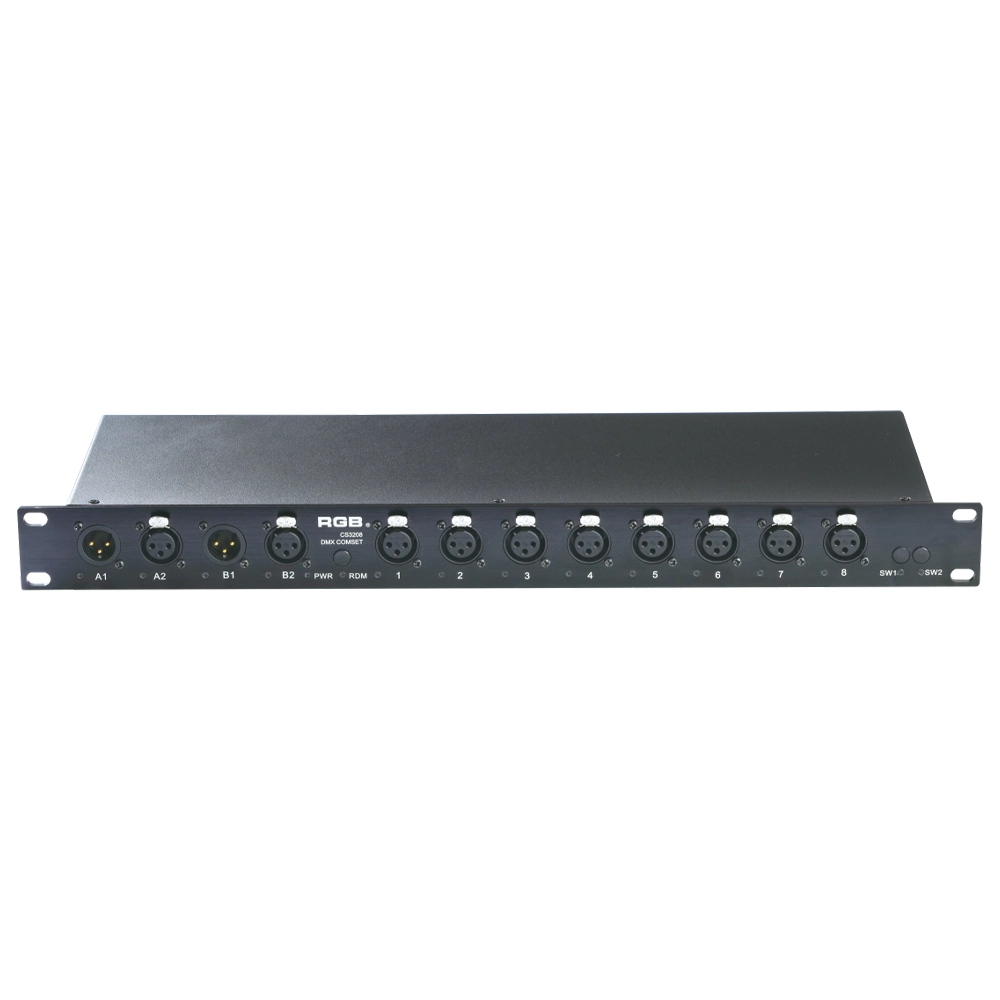
Multifunctional signal supercharger
The rack-mounted DMX signal amplifier complies with the DMX-512 standard protocol, improving DMX-512 signal transmission quality and ensuring reliable system control. It helps prevent issues such as AC high-voltage backflow into lighting control systems, lightning-induced surges, and signal interference caused by short circuits, thereby enhancing overall system stability.
Expert Support
Interested in learning more or need expert guidance related to this article? Fill in your details, and our team will provide tailored support.
Intelligent Control. Brilliant Performance.
RGB specializes in stage lighting control systems, delivering intelligent, reliable, and high-performance solutions for theaters and performance spaces worldwide.
Contact
Email:
Tel:
+86 20 3928 0245
+86 20 3928 0247
Address:
No.3, Huashan Road, Shilou Town, Panyu, Guangzhou, China.
Whatsapp: +8615975520131