
The Ultimate Guide to Stage Light Dimmer Controllers: Master Your Rig in 2026
- What is a Stage Light Dimmer Controller?
- Quick Summary: Key Takeaways for 2026
- The Evolution of Dimming Technology (From 0-10V to sACN)
- Types of Stage Light Controllers and Dimmer Racks
- Expert Tips: Common Mistakes When Setting Up Your Dimmer Rack
- Future Trends in 2026: Cloud-Based Management & Visualized Control
- Industry Leading Solution: Guangzhou RGB Lighting Equipment Co.,Ltd.
- Conclusion
- FAQs About stage light dimmer controller
- How many channels does a standard DMX dimmer pack have?
- Can you use a stage dimmer on LED lights?
- What is the difference between a relay rack and a dimmer pack?
- What does DMX512 stand for?
- Why are my stage lights flickering when dimmed?
- How do I choose the right power cabinet for my theater?
- What is intelligent network dimming?
- Can analog 0-10V controllers work with modern DMX systems?
Lighting is the heartbeat of any live performance. It dictates the mood, focuses the audience's attention, and breathes life into stage designs. At the core of this complex visual ecosystem sits the stage light dimmer controller. Without this critical piece of hardware, the seamless fades and synchronized blackouts that define professional productions would be impossible. As we step into 2026, the landscape of stage lighting is undergoing a massive technological shift. The days of simple analog voltage throttles are behind us. Today, mastering your rig means understanding the intricacies of the DMX512 control protocol, leveraging the flexibility of hybrid dimmer solutions, and adopting intelligent network dimming. Whether you are outfitting a massive stadium tour or upgrading a local community theater, this ultimate guide will equip you with the knowledge to navigate modern theatrical lighting control systems and master your stage power infrastructure.
What is a Stage Light Dimmer Controller?
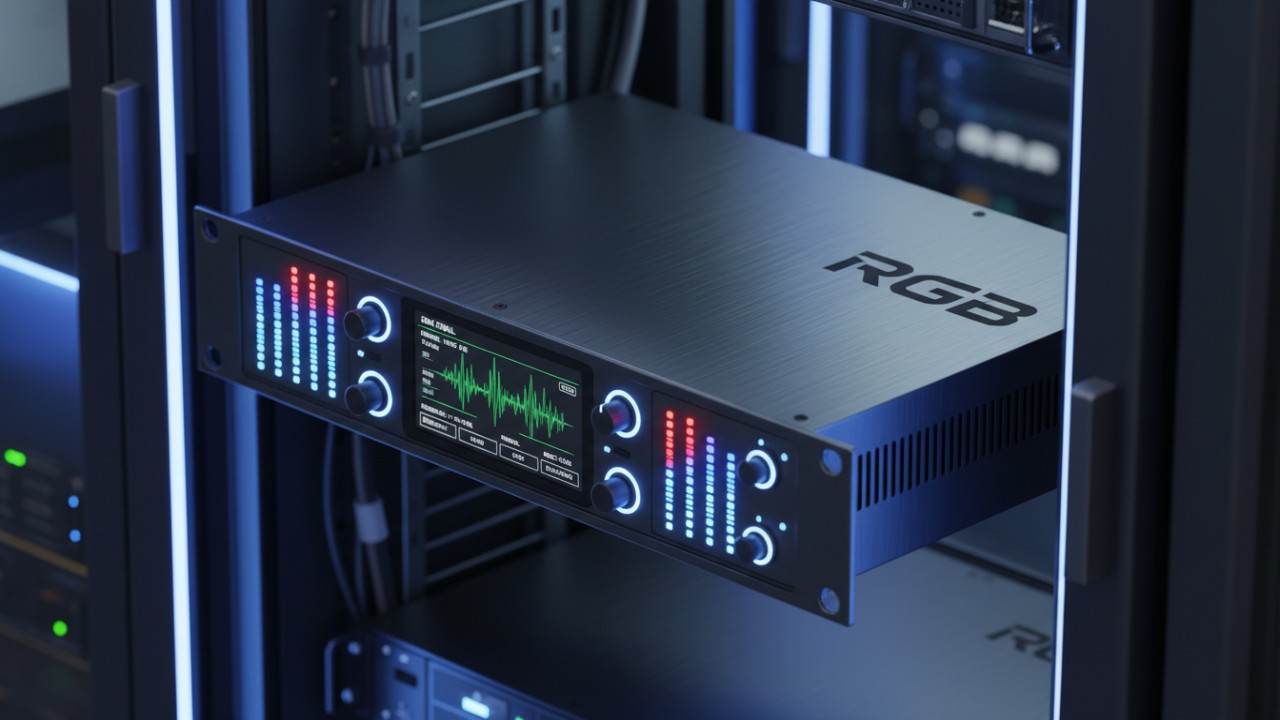
A stage light dimmer controller is a centralized management device that regulates the electrical power sent to lighting fixtures, allowing operators to seamlessly adjust brightness levels. This crucial hardware translates digital commands into precise voltage changes for dynamic stage illumination.
How It Works: At its fundamental level, a dimmer system acts as the intermediary between the lighting console and the physical lamps. When a lighting technician pushes a fader on their control board, a digital signal is dispatched to the dimmer rack.
- Signal Translation: The controller interprets the incoming data network instructions from the console.
- Voltage Regulation: The internal thyristors or solid-state electrical components physically alter the sine wave of the electrical current.
- Output Delivery: The modified voltage is sent down the circuit to the fixture, lowering or raising the intensity of the light smoothly.
By mastering these complex controllers, lighting technicians ensure accurate, safe, and dynamic illumination across any performance venue. It forms the backbone of all power distribution, preventing electrical hazards while granting absolute artistic freedom.
Quick Summary: Key Takeaways for 2026
The defining trend for 2026 is the rapid transition from basic analog setups to advanced intelligent network dimming systems. Modern venues must prioritize cloud-based management, real-time visualizer controls, and hybrid power cabinets to support both legacy and modern lighting fixtures.
To stay competitive and ensure long-term operational stability, technical directors and stage managers must recognize these essential shifts in the industry:
- Network-Driven Ecosystems: The industry is rapidly transitioning from basic analog setups to robust IT-integrated networks that offer two-way communication between the console and the dimmer.
- Mixed-Load Infrastructure: Hybrid dimmer solutions are becoming the absolute standard for managing mixed loads of modern LEDs and conventional tungsten fixtures simultaneously.
- Remote Diagnostics: Cloud-based management and real-time visualized control systems are now critical. They allow for remote diagnostics, significantly improving venue safety and maintenance response times.
- Strict Compliance: Upgrading power cabinets and relay racks to meet rigorous ISO9001 and CE standards is non-negotiable for future-proofing your rig and passing modern electrical inspections.
The Evolution of Dimming Technology (From 0-10V to sACN)
Dimming technology has evolved from rudimentary 0-10V analog signals into high-speed digital networks capable of managing massive lighting grids. Today, advanced network protocols running over Ethernet provide virtually unlimited universes of control for complex theatrical lighting control systems.
The History of Stage Power:
- The Analog Era: Early theatrical dimmers relied on rudimentary salt-water and thyristor designs utilizing basic 0-10V analog signals. Each lighting channel required its own dedicated wire, leading to incredibly thick, heavy, and difficult-to-maintain cable bundles.
- The Digital Revolution: The introduction of the DMX512 control protocol revolutionized the industry by allowing 512 channels of control data to travel over a single cable, replacing incompatible proprietary protocols, as reported by Wikipedia. This allowed for a daisy-chain topology that drastically reduced cable clutter and improved reliability.
- The Networked Future (2026): As productions grew larger, the 512-channel limit of standard DMX became a bottleneck. Moving into 2026, modern IP-based protocols like Architecture for Control Networks (ACN) have emerged, which are designed to be layered on top of standard Ethernet networks for large-scale installations, as reported by Wikipedia. Using protocols like Art-Net and sACN (Streaming ACN), modern controllers integrate seamlessly with standard IT infrastructure, allowing a single gigabit network cable to carry tens of thousands of control channels flawlessly.
Types of Stage Light Controllers and Dimmer Racks
Stage light controllers and dimmer racks are categorized into three main types: portable multi-channel packs, high-capacity relay racks, and advanced hybrid dimmer solutions. Choosing the correct hardware depends on your venue size, power requirements, and the specific lighting fixtures used.
Understanding the right hardware application is vital for efficient power distribution. Below is a comparison of the primary architectures used in modern venues:
- Portable Multi-Channel Stage Dimmer Packs: These are the workhorses of the mobile entertainment industry. Ideal for touring bands and mobile DJs, these units offer modular, easy-to-transport 4 or 6-channel setups that can be mounted directly on lighting trusses near the fixtures.
- High-Capacity Relay Racks and Power Cabinets: Designed for permanent installations in large theaters, arenas, and broadcast studios. These cabinets offer robust, distributed power management with built-in circuit breakers and immense load capacities.
- Hybrid Dimmer Solutions: The optimal 2026 choice. Traditional dimmers damage non-dimmable LED fixtures. Hybrid cabinets solve this by combining standard phase-control dimming modules with true relay switching modules. This allows a venue to accommodate both traditional hot lights (incandescent/halogen) and intelligent moving heads on the exact same infrastructure.
Expert Tips: Common Mistakes When Setting Up Your Dimmer Rack
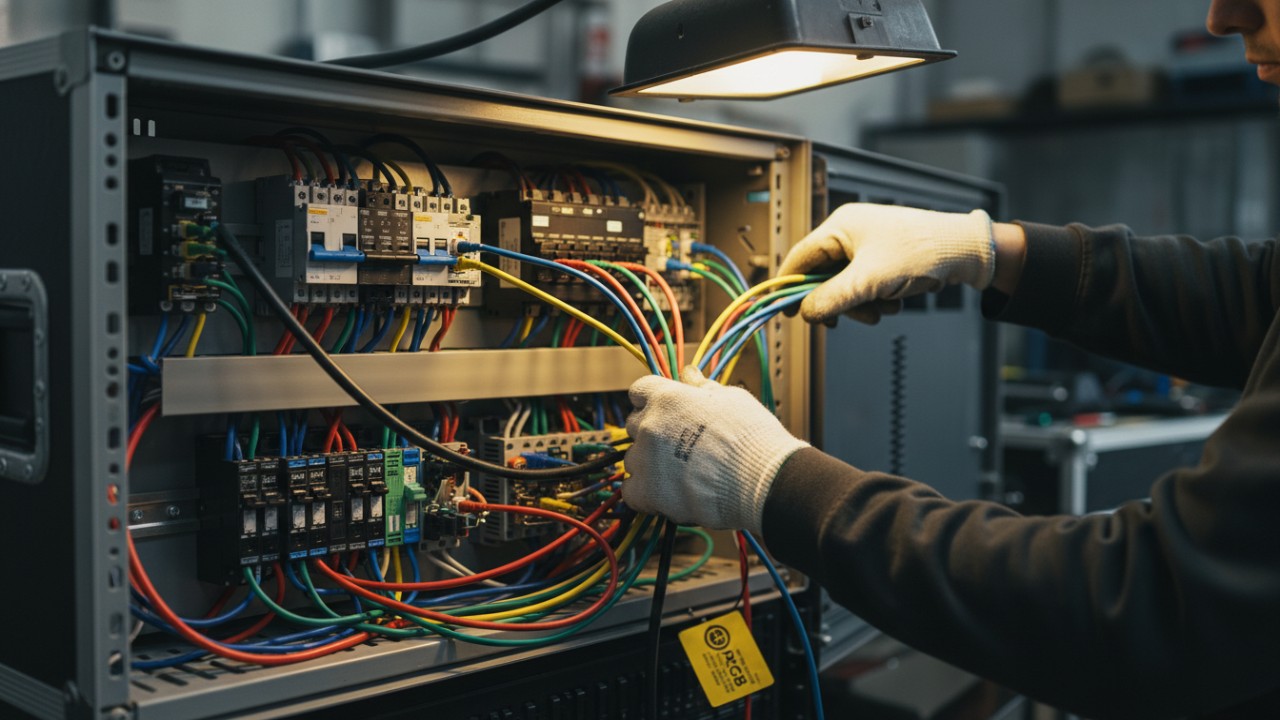
The most common mistakes when setting up a dimmer rack include overloading channel capacity, ignoring phase-angle firing curves, using incorrect cabling, and neglecting proper ventilation. Avoiding these errors ensures your lighting rig operates safely and prevents catastrophic equipment failures.
Even with the best hardware, improper installation can lead to ruined shows and hardware damage. Keep these expert tips in mind:
- Overloading Channel Capacity: Every dimmer module has a maximum amperage rating. Failing to calculate the total electrical load per channel can lead to blown fuses, tripped breakers, and severe fire hazards. Always leave a 20% safety margin.
- Ignoring Phase-Angle Firing Curves: Different fixtures respond differently to voltage changes. Applying the wrong dimming curve (such as linear vs. logarithmic) to specific fixtures often results in uneven fades, visible stepping, or complete fixture damage.
- Using Incorrect Cabling: This is a rampant issue in amateur setups. Utilizing standard 3-pin microphone cables instead of true 120-ohm DMX cables causes signal reflection. This leads to flickering lights, dropped data, and unpredictable fixture behavior.
- Neglecting Ventilation: Dimming hardware generates significant heat. Placing high-capacity dimmer racks in enclosed, unventilated spaces or cramped utility closets can cause thermal shutdown mid-performance. Always ensure active airflow and climate control in your dimmer rooms.
Future Trends in 2026: Cloud-Based Management & Visualized Control
In 2026, the future of stage lighting relies heavily on cloud-based management and real-time visualized control software. These advanced digital tools allow technicians to remotely monitor electrical loads, track hardware temperatures, and instantly diagnose network faults before they impact performances.
The focus of the industry is shifting from pure power output to actionable data and software integration.
- Cloud-Based Venue Management: Future-focused venues are adopting cloud systems that stream telemetry data from the dimmer racks directly to a web dashboard. Technicians can now monitor load, temperature, and fault status remotely, even when they are not physically in the building.
- Real-Time Visualized Control: Visualized control systems dynamically map out the stage's power draw. By creating a digital twin of the lighting grid, operators can preemptively spot network errors, balance phase loads visually, and adjust configurations on a touchscreen interface.
- Predictive Maintenance: The integration of software-driven diagnostics reduces downtime. By analyzing historical heat and power data, intelligent network dimming systems can alert facility managers when a module is likely to fail, streamlining maintenance for complex theatrical lighting networks.
Industry Leading Solution: Guangzhou RGB Lighting Equipment Co.,Ltd.
Guangzhou RGB Lighting Equipment Co.,Ltd. is a premier Chinese manufacturer specializing in professional stage lighting control systems. Founded in 1996, the company engineers highly reliable, certified power cabinets and advanced dimming solutions deployed in world-class theaters and international performance venues.
At RGB, we leverage three decades of integrated capabilities spanning R&D, production, and sales. Recognized as a National High-Tech and Specialized Innovative Enterprise, our brand pioneers the very technologies shaping the 2026 landscape.
Why Venues Choose RGB:
- Proven Innovation: We hold multiple national patents and software copyrights, pioneering intelligent network dimming, cloud-based management, and proprietary hybrid dimmer solutions.
- Uncompromising Quality: All our main products—from stage light control systems and stage light controllers to relay racks and power cabinets—are certified to international standards, including ISO9001, CE, RoHS, EMC, and CQC. We maintain strict quality control across every production stage to ensure long-term stability.
- World-Class Experience: Our highly reliable infrastructure has empowered some of the most demanding landmark projects globally. This includes providing flawless power distribution for the Beijing Olympics, the Shanghai World Expo, the Asian Games, and numerous major cultural centers and broadcast facilities.
For venues looking to upgrade their infrastructure for 2026, RGB provides the comprehensive engineering and manufacturing capabilities necessary to deliver smarter, more efficient, and future-ready stage setups.
Conclusion
Upgrading to a modern, intelligent stage light dimmer controller guarantees precision, reliability, and unparalleled safety for any 2026 production. From portable multi-channel stage dimmer packs to advanced hybrid network racks, selecting the right equipment transforms how you manage stage power. By integrating modern protocols, visualizing phase loads, and utilizing software diagnostics, your venue will be fully prepared for the next generation of visual storytelling. Contact us today to optimize your stage light dimmer controller strategy.
FAQs About stage light dimmer controller
How many channels does a standard DMX dimmer pack have?
Standard portable DMX dimmer packs typically feature 4, 6, or 12 channels. Larger professional touring racks or permanent power cabinets can house 24, 48, or even 96 channels depending on the venue's requirements. Each channel corresponds to a specific DMX address to control individual fixtures independently.
Can you use a stage dimmer on LED lights?
Standard phase-control dimmers designed for halogen or incandescent lights cannot generally be used on standard LED fixtures. LEDs require internal data-driven dimming via DMX, or they must be specifically labeled as phase-dimmable. To solve this, modern venues use hybrid dimmer solutions that can switch specific channels from dimming to constant relay power for LEDs.
What is the difference between a relay rack and a dimmer pack?
A relay rack provides straight on/off power without voltage variation, which is perfect for intelligent moving heads and LED screens. A dimmer pack varies the voltage output to gradually increase or decrease the brightness of traditional conventional fixtures. Many 2026 installations combine both into hybrid cabinets to serve mixed lighting rigs.
What does DMX512 stand for?
DMX512 stands for Digital Multiplex with 512 pieces of information. It is the standard digital communication network protocol used to control stage lighting and effects. A single DMX cable carries 512 individual channels of control data, referred to as one 'universe'.
Why are my stage lights flickering when dimmed?
Flickering is often caused by unmatched dimming curves or attempting to dim non-dimmable LED fixtures on a thyristor dimmer. It can also be the result of DMX signal reflection from using non-DMX standard audio cables. Ensure you are using a DMX terminator at the end of your fixture chain to stabilize the signal.
How do I choose the right power cabinet for my theater?
First, calculate the total amperage and wattage load requirements of all fixtures combined. Ensure the cabinet supports sufficient electrical phases and features dedicated breakers for safety. Always look for robust safety certifications such as CE, RoHS, EMC, and CQC, as provided by top manufacturers like RGB.
What is intelligent network dimming?
Intelligent network dimming utilizes advanced processors to monitor the status of every dimmer channel in real-time. It provides feedback on load status, operating temperatures, and electrical faults directly to the control console or via cloud-based management. This significantly improves safety and maintenance for massive, complex stage installations.
Can analog 0-10V controllers work with modern DMX systems?
Yes, older 0-10V analog controllers and dimmer racks can integrate with modern DMX setups. This requires the use of a DMX to analog demultiplexer (demux) to translate the modern digital signals into analog voltage. However, upgrading to a native digital DMX or hybrid system is highly recommended for 2026 performance standards.
48-Channel Dimmer Rack Buying Guide: Features to Compare
Dimmer Rack vs LED Driver: Which Is Best for Stage Lighting
Choosing the Right Power Distribution for 48-Channel Racks
Power Handling and Load Balancing for Rack Dimmer Racks
Distributors
Do you offer regional exclusive agency agreements?
Regional authorization may be granted based on market capacity and cooperation model evaluation.
What is the minimum order quantity for cooperation?
Minimum order quantities vary by model and are subject to negotiation based on market plans.
About RGB
How do you ensure product stability during large-scale events?
All products undergo rigorous testing, long-duration load simulation, and multi-standard verification to guarantee stable performance in demanding environments.
What types of lighting control systems do you support?
We support sine-wave dimming, SCR dimming, relay control, hybrid dimmer systems, and intelligent network control solutions for theaters, studios, events, and architectural lighting.
What after-sales support do you provide?
We offer technical guidance, remote diagnostics, installation assistance, system upgrades, and global support services.
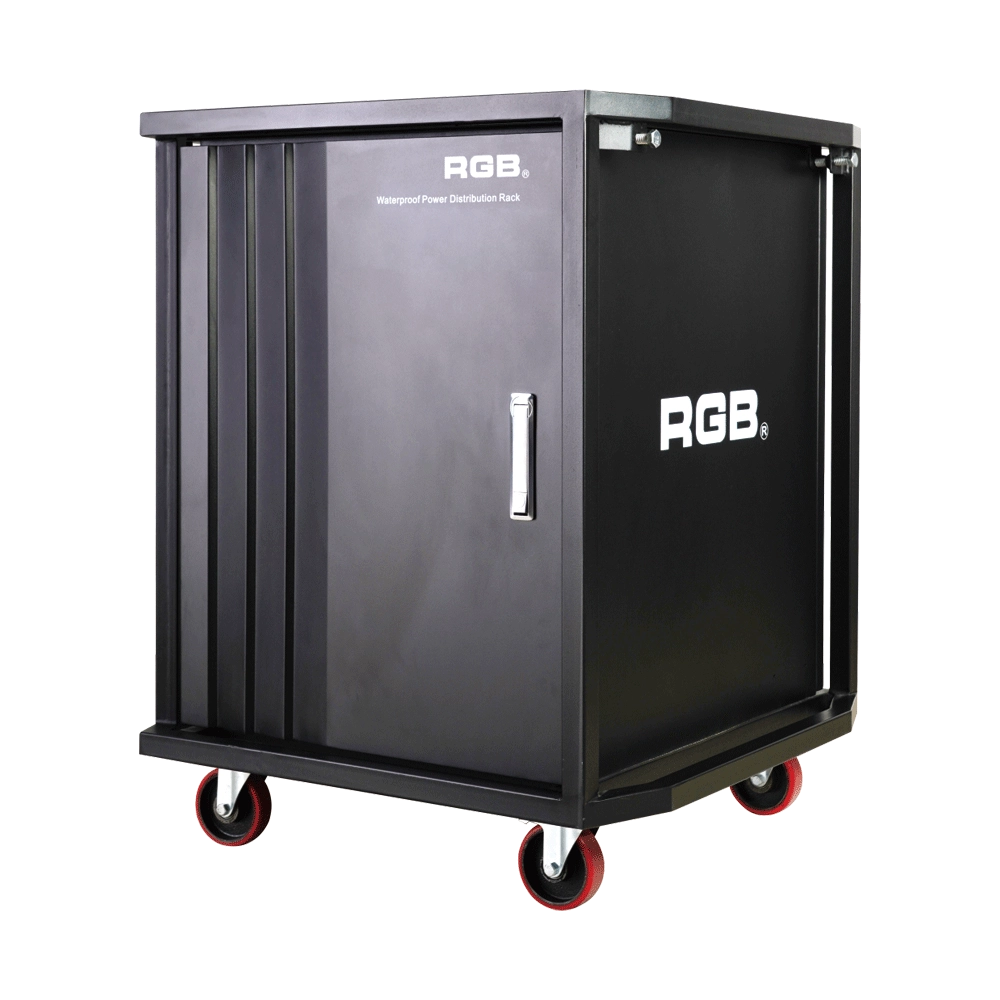
Multifunction Waterproofing Racks Of RGB-W Series
With the continuous development of flow performance, the requirement for performance is more demanding. In order to facilitate the transportation and make it easier to carry for all the equipment used in the performance, the stage light and sound equipment will be installed into a cabinet, for example, the power supply system. During the transportation process, it is inevitable for a collision or crash to take place. If the cabinet material is not strong enough, it may lead to deformation and even damage the equipment inside. Moreover, most of the existing cabinets are not waterproof. It will be very dangerous for the flow performance, as it is normal and inevitable to encounter rainy days. As the equipment inside the cabinets is electriferous, it might cause damage to the electronic equipment at least and even cause casualties at worst. Meanwhile, most of the existing cabinets can only be installed with one kind of equipment with a single variety.
In order to overcome the above-mentioned technical flaw, the RGB company has developed a new type of waterproofing multifunction cabinet of the W series. The waterproofing cabinet of the W series meets the need for the installation of dimming and tone-tuning devices, transportation, and utilization.
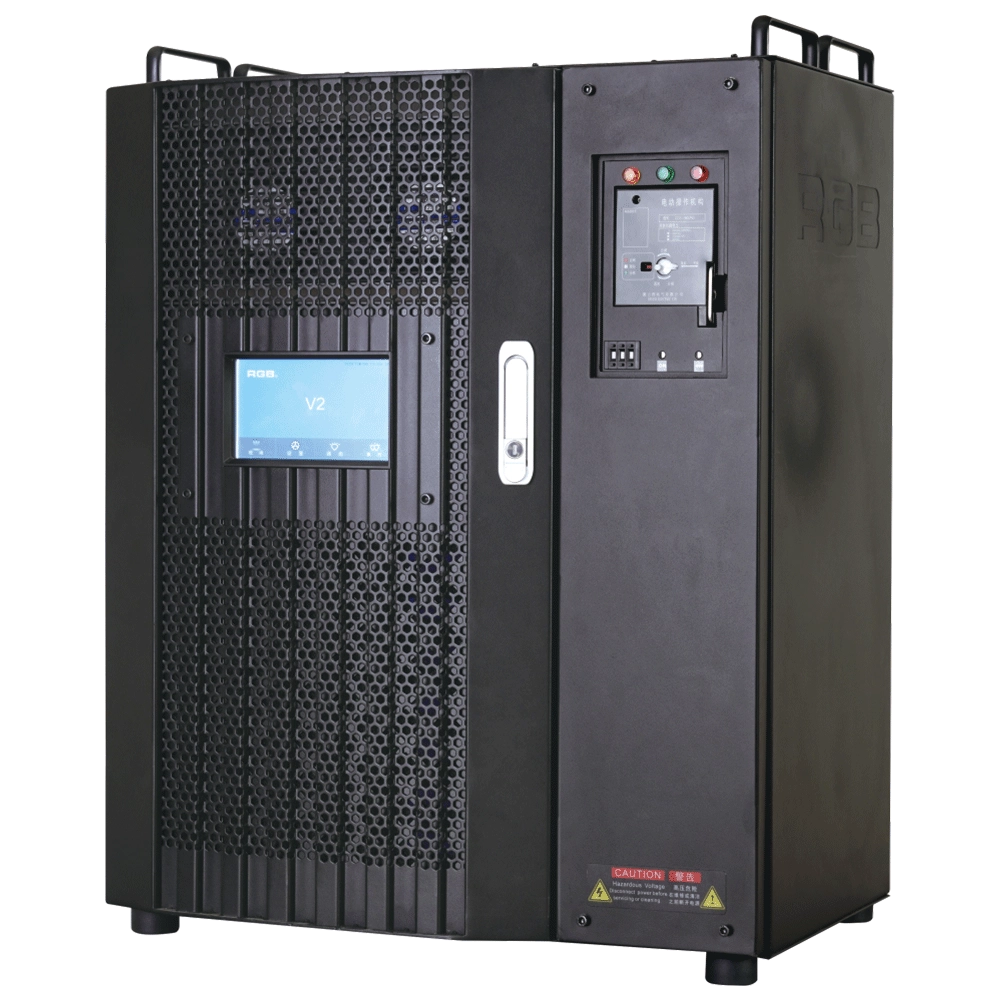
V2 Intelligent Network Dimmer/Relay Racks
V2 is an artificial intelligence dimming rack independently developed by RGB, which has completely independent core technology and obtained software copyrights. It is a fully digital electrodeless trigger and multi-backup independent CPU central processor technology. It has a variety of output configurations, such as sine wave, thyristor, relay, dimming relay, etc. It supports visual lighting control system and visually displays the online and offline status of dimming racks. Realize remote monitoring, editing, and setting of relevant parameters.
It is widely used in performing arts and cultural venues such as theaters, concert halls, multi-function halls, cultural travel and performing arts, TV stations, gymnasiums, auditoriums, commercial art lighting and so on.
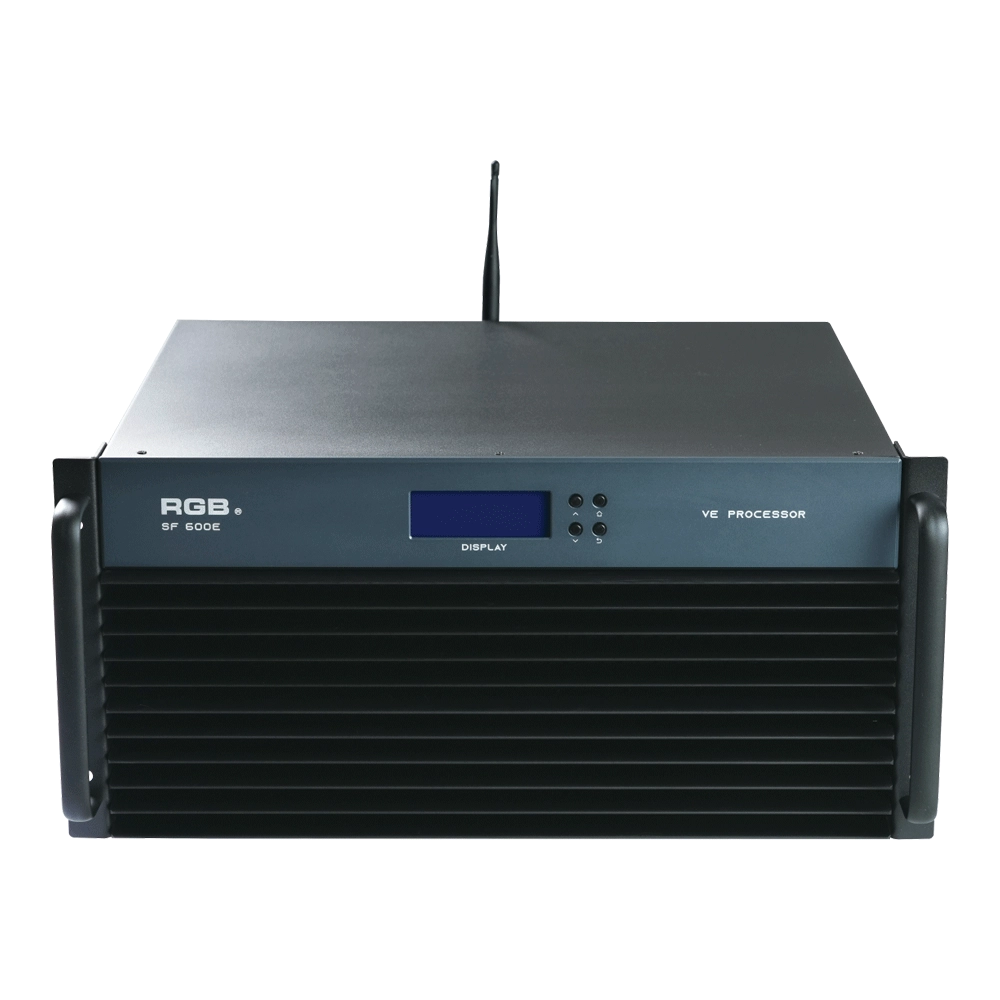
SF600E Visual R-net environment processor
The SF600E Visual R-net environment processor by RGB delivers advanced performance for visual systems. As a leading visual systems manufacturer, RGB ensures seamless integration and high reliability, making SF600E ideal for complex visual processing needs in diverse environments.
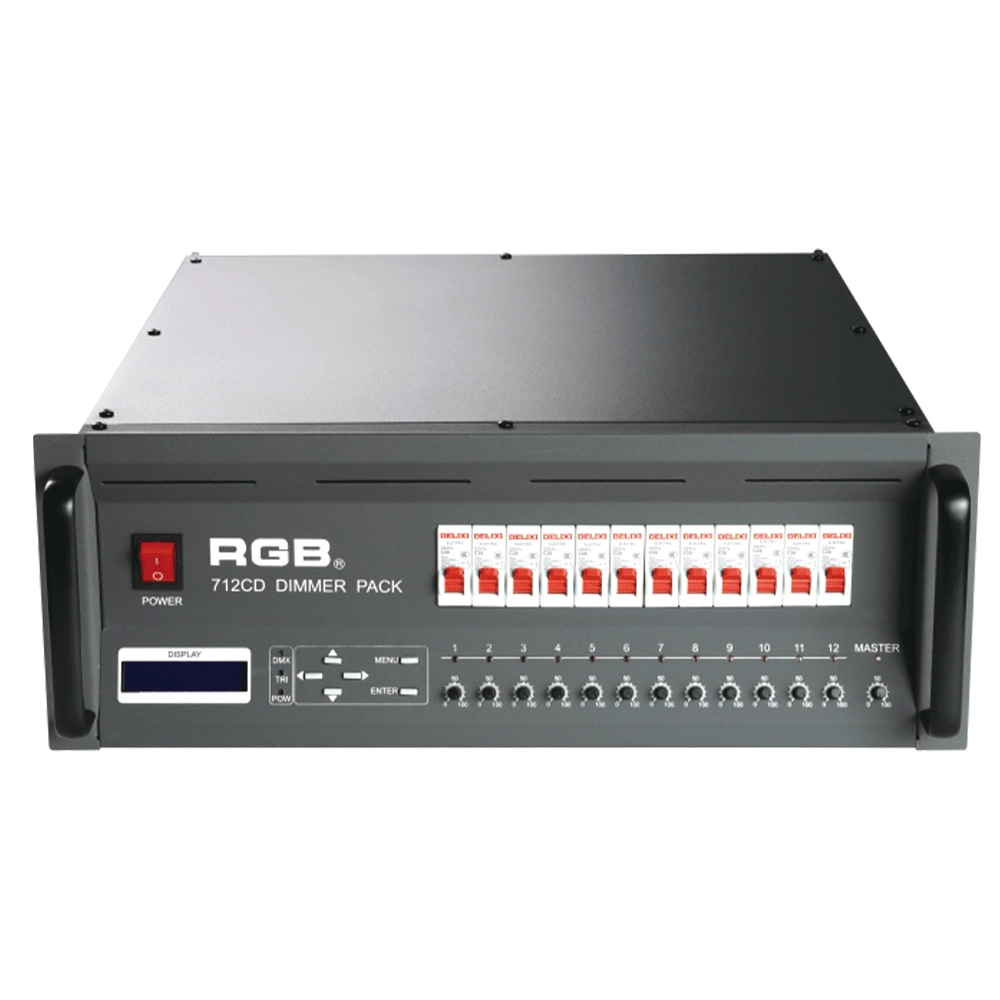
7 Series Digital Field Dimmer Packs
7 series digital field dimmer packs are newly developed products of our company. With DMX512 digital control signal input, they are compatible with other domestic and overseas digital lighting consoles. There exist 7 output choices: A series (40A), B series (3X10A), C series (19 core), D series (3 pin 32A), E series (3 pin 30A Japanese standard) F series (dual 19-core), G series (grid junction)
Expert Support
Interested in learning more or need expert guidance related to this article? Fill in your details, and our team will provide tailored support.
Intelligent Control. Brilliant Performance.
RGB specializes in stage lighting control systems, delivering intelligent, reliable, and high-performance solutions for theaters and performance spaces worldwide.
Contact
Email:
Tel:
+86 20 3928 0245
+86 20 3928 0247
Address:
No.3, Huashan Road, Shilou Town, Panyu, Guangzhou, China.
Whatsapp: +8615975520131