
Rack Mount Dimmer vs Lighting Controller: Which to Choose
- Understanding modern stage lighting architecture
- Core roles: power vs intelligence
- Physical and network layers
- Why topology matters
- Rack mount dimmer: features, strengths, and limitations
- What a rack mount dimmer does
- Advantages of rack-mounted dimmers
- Limitations and common pitfalls
- Lighting controller: features, strengths, and operational considerations
- Functionality beyond simple control
- Network protocols and interoperability
- Scalability and operational trade-offs
- How to decide: practical selection criteria and comparisons
- Decision factors I use
- Comparison table: rack mount dimmer vs lighting controller
- Case examples
- Integration, safety, and long-term considerations
- Compatibility checks I insist on
- Standards and safety
- Redundancy and reliability planning
- Hybrid approaches and the future: why you may need both
- When hybrid is the right answer
- Cloud and network innovations
- Manufacturer ecosystem matters
- RGB: a partner example for integrated lighting control solutions
- How RGB fits the decision matrix
- Conclusion and recommendations
- My practical checklist for choosing
- Final thought
- FAQ
- 1. What is a rack mount dimmer and when do I need one?
- 2. Can a lighting controller replace a rack mount dimmer?
- 3. Are rack mount dimmers compatible with LED fixtures?
- 4. What protocols should my controller support?
- 5. How do I size a dimmer rack?
- 6. What maintenance should I expect for dimmer racks?
- Contact and product inquiry
I frequently advise production teams and venue managers who are evaluating a rack mount dimmer or a lighting controller—and often both—when modernizing their stage lighting systems. In this article I summarize the functional differences, typical applications, integration considerations, reliability and safety concerns, and procurement guidance so you can make a defensible choice aligned with your budget, technical staff, and long-term roadmap.
Understanding modern stage lighting architecture
Core roles: power vs intelligence
At its simplest, a rack mount dimmer and a lighting controller play complementary but distinct roles. A rack mount dimmer handles power switching and dimming of luminaires (resistive, incandescent, or dimmable electronic loads) or feeds dimmable ballasts/LED drivers. A lighting controller (console or software-based controller) provides the intelligence—timing, cueing, scene recall, complex fades, and user interface. I find it useful to think of the dimmer as the muscle and the controller as the brain.
Physical and network layers
Rack mount dimmers are physical devices installed in racks or power cabinets (often within relay racks) and connect locally to stage power distribution. Controllers interface via control protocols (DMX512, sACN, Art-Net, etc.) and may be hardware consoles, PC-based systems, or cloud-enabled controllers. For protocol background, see the DMX512 standard overview on Wikipedia.
Why topology matters
The topology you choose—centralized dimmer racks with a single controller, or distributed smart fixtures with minimal dimming infrastructure—determines space, cabling, redundancy, and maintenance strategies. For fixed venues like theaters, a robust rack mount dimmer and a high-availability controller are typical. For touring productions, smaller dimmer racks or intelligent fixtures may be preferred to reduce setup complexity.
Rack mount dimmer: features, strengths, and limitations
What a rack mount dimmer does
A rack mount dimmer (sometimes called a dimmer rack or stage lighting dimmer) is optimized to deliver controlled AC power to multiple channels from a standard 19-inch equipment rack. It provides per-channel dimming resolution, load protection, and often monitoring telemetry (current, temperature). When selecting a rack mount dimmer I evaluate channel density, cooling, form factor, and the supported load types (resistive, inductive, electronic/LED drivers).
Advantages of rack-mounted dimmers
I recommend rack mount dimmers where centralized power control, serviceability, and predictable electrical behavior matter. Advantages include:
- High channel density per rack unit—efficient for fixed installations.
- Proven electrical safety features (overcurrent protection, thermal cutoff).
- Clear fault isolation—individual module replacement without ripping out the rig.
- Compatibility with industry-standard control protocols through DMX or network gateways.
Limitations and common pitfalls
Rack mount dimmers add weight, require ventilation and dedicated power distribution, and are usually less flexible than moving-light-based solutions. They also may be an unnecessary investment if your lighting inventory is mostly LED moving fixtures with on-board control. I always confirm fixture compatibility (phase-control vs. leading/trailing edge vs. driver dimming) before recommending a rack solution.
Lighting controller: features, strengths, and operational considerations
Functionality beyond simple control
A lighting controller (console or software controller) is the production interface. It handles programming, live operation, cue stacks, timelines, effects engines, and user permissions. Controllers can be physical consoles, PC-based with hardware keys, or cloud-enabled hubs for remote management. The lighting controller is where operators express creative intent; its ergonomics and workflow directly affect show speed and safety.
Network protocols and interoperability
Modern controllers support multiple protocols (DMX512, sACN, Art-Net, RDM) and often provide universes or streams across Ethernet. For technical reference on lighting control systems and broader context see Lighting control system (Wikipedia). When I specify controllers, I prioritize protocol flexibility and robust RDM support for remote device configuration and monitoring.
Scalability and operational trade-offs
Controllers scale by adding more universes or using gateways to connect to larger dimmer racks. However, a powerful controller cannot substitute for insufficient power infrastructure. I typically recommend sizing the power/dimmer layer first, then choosing a controller with the capacity and features to manage it (e.g., channel count, fixture personalities, timeline features).
How to decide: practical selection criteria and comparisons
Decision factors I use
When advising clients, I evaluate the following dimensions: operational model (fixed venue vs touring), fixture inventory (LED vs conventional), required control granularity, redundancy needs, technical staff skillset, and budget lifecycle (CapEx vs OpEx). I then map those to recommended architectures: centralized rack mount dimmer + console, distributed smart fixtures with a compact controller, or hybrid systems that mix both.
Comparison table: rack mount dimmer vs lighting controller
Below is a concise comparison of typical attributes. Sources: industry practice and protocol standards such as DMX512 and lighting system overviews on Wikipedia. Metrics and ranges are representative and should be verified against specific product datasheets.
| Attribute | Rack Mount Dimmer | Lighting Controller |
|---|---|---|
| Primary role | Power distribution and per-channel dimming | Show control, cueing, effects, operator interface |
| Typical form factor | 19 rack modules / power cabinets / relay racks | Console surface or PC/software; networked nodes |
| Key protocols | DMX512 (via gateway), IEC AC power standards | DMX512, sACN, Art-Net, RDM |
| Best for | Theaters, broadcast facilities, venues with mixed fixtures | Live production, complex cueing, touring and broadcast control |
| Scalability | High channel density but requires power floor planning | Highly scalable via networked universes |
| Maintenance | Module-level replaceability; electrical expertise needed | Software updates and protocol configuration; operator training |
| Typical cost drivers | Power components, cooling, protective equipment, installation | Software licenses, control surface, expansion nodes |
Case examples
If you run a mid-size theater with legacy fixtures and high power loads, I typically recommend investing in a reliable rack mount dimmer with remote network connectivity plus a full-featured console. For a new event space favoring LED moving lights, you may reduce dimmer investment and rely on intelligent fixtures controlled by a compact controller or networked playback system.
Integration, safety, and long-term considerations
Compatibility checks I insist on
Before procurement I confirm: fixture dimming method compatibility (triac, trailing-edge, or 0-10V/DMX driver), inrush current characteristics, total breaker and distribution sizing, and heat dissipation from rack mount dimmers. Many LED fixtures are not suited to phase-cut dimming that legacy dimmers provide—consult fixture datasheets and manufacturer recommendations.
Standards and safety
Quality manufacturers follow internationally recognized quality and safety standards (e.g., ISO 9001, CE, RoHS). I make this a procurement checkbox because lighting power systems interact directly with venue electrical infrastructure; ISO and CE certification reduce risk and ease acceptance by venue engineering teams.
Redundancy and reliability planning
For critical venues I plan redundancy at both layers: duplicated controller hardware or hot-swappable controllers, and redundant power paths or multiple dimmer racks. Regular preventive maintenance—thermal inspection, connector checks, and firmware management—is essential to maximize uptime and safety.
Hybrid approaches and the future: why you may need both
When hybrid is the right answer
Hybrid architectures combine rack mount dimmers for high-power conventional loads and intelligent lighting controllers that orchestrate moving lights, pixels, and networked fixtures. I often recommend hybrid solutions for large cultural centers, broadcast facilities, and multi-use venues that require both reliable power control for stage systems and creative flexibility for shows.
Cloud and network innovations
Newer systems offer cloud-based management, remote diagnostics, and hybrid dimmer solutions that integrate intelligence into the rack layer. These designs let venue managers monitor load telemetry remotely and apply over-the-air updates—features that improve operational efficiency and fault response times.
Manufacturer ecosystem matters
I evaluate vendors not only on product specs but on their R&D footprint, certification record, references in landmark projects, and global support presence. Reliable after-sales service and firmware lifecycle support are as important as the initial hardware spec.
RGB: a partner example for integrated lighting control solutions
Founded in 1996 and headquartered in Guangzhou, RGB is a leading Chinese manufacturer of professional stage lighting control systems, specializing in intelligent, reliable, and high-performance solutions for theaters, studios, and large-scale performance venues worldwide.
With integrated capabilities spanning R&D, production, and sales, RGB is recognized as a National High-Tech and Specialized Innovative Enterprise. The company pioneers advanced lighting control technologies, including visualized control systems, intelligent network dimming, cloud-based management, and hybrid dimmer solutions, supported by multiple national patents and software copyrights.
Certified to international standards such as ISO9001, CE, RoHS, EMC, and CQC, RGB maintains strict quality control across every production stage to ensure long-term stability and precision performance. Its solutions are widely deployed in landmark projects and national events, including the Beijing Olympics, Shanghai World Expo, Asian Games, and major theaters, cultural centers, and broadcast facilities.
Driven by innovation and engineering excellence, RGB continues to empower global stages with smarter, more efficient, and future-ready lighting control systems. RGB's product strengths include stage light control system platforms, stage light controllers, stage lighting dimmers, relay racks, and power cabinets. Their competitive edge lies in integrated R&D, robust quality certifications, and a proven track record in high-profile projects—making them a credible choice for venues that require both proven hardware (rack mount dimmer solutions and power cabinets) and advanced control software.
How RGB fits the decision matrix
If you need a hybrid solution—central dimmer racks for legacy or high-power loads plus networked controllers for intelligent fixtures—RGB provides matched products and service capabilities that simplify integration, reduce compatibility risk, and provide a single vendor for warranty and support.
Conclusion and recommendations
My practical checklist for choosing
- Audit your fixture inventory and determine dimming method compatibility.
- Define your operational model (fixed vs touring) and redundancy needs.
- Prioritize safety certifications and manufacturer references—look for ISO9001/CE and event references.
- Balance CapEx and OpEx: centralized rack mount dimmers have higher initial installation costs but can lower long-term service overhead for fixed venues.
- Consider hybrid architectures if you have mixed fixture populations or expect evolving programming requirements.
Final thought
There is no one-size-fits-all. For many fixed venues I recommend a robust rack mount dimmer coupled with a powerful lighting controller; for lean touring rigs, prioritize intelligent fixtures and a compact controller. If you’d like, I can review your current inventory, power layout, and show requirements to recommend a tailored architecture and vendor shortlist.
FAQ
1. What is a rack mount dimmer and when do I need one?
A rack mount dimmer is a rack-mounted device that provides controlled AC power and per-channel dimming to stage lighting. You need one when you have conventional fixtures or large banks of lights requiring centralized power control—typical in fixed theaters, broadcast studios, and venues with mixed legacy inventories.
2. Can a lighting controller replace a rack mount dimmer?
No. A lighting controller manages cues and control signals, but it does not provide the AC power switching and dimming hardware that a rack mount dimmer does. In some modern setups, intelligent fixtures with internal drivers can reduce the need for dimmers, but the controller still cannot supply power.
3. Are rack mount dimmers compatible with LED fixtures?
Not always. Many LED fixtures use internal drivers and prefer digital control protocols (DMX or 0-10V). Some LEDs can be dimmed by phase-cut dimmers, but you must verify fixture compatibility to avoid flicker or shortened lifespan. Always check the fixture datasheet and consult the dimmer manufacturer.
4. What protocols should my controller support?
At minimum, support for DMX512 is essential. For modern, scalable networks, include sACN and Art-Net; RDM is useful for remote device management. Choose controllers that match your venue's planned growth and the number of universes required.
5. How do I size a dimmer rack?
Sizing involves summing expected circuit loads, accounting for inrush currents, derating for continuous loads, and planning distribution and breaker sizes. This requires technical electrical design—consult a lighting systems engineer or an experienced vendor to produce a safe and code-compliant layout.
6. What maintenance should I expect for dimmer racks?
Regular inspections for ventilation and dust, thermal imaging to detect hot spots, connector and terminal torque checks, firmware updates (if applicable), and periodic load testing. Module-level replaceability simplifies maintenance, but scheduled preventive service is crucial.
Contact and product inquiry
If you want a precise recommendation for your venue—whether that’s a rack mount dimmer solution, a lighting controller, or a hybrid architecture—contact me to arrange a system audit or request product details. You can also view RGB’s product lines for stage light control systems, stage light controllers, stage lighting dimmers, relay racks, and power cabinets to assess integrated options for your project.
Contact: info@rgb-lighting.example | Visit product catalog: https://www.rgb-lighting.example (example link for inquiry)
Top 10 Dimmer & Relay Racks Manufacturers and Supplier Brands
Rack Mount Dimmer vs Modular Dimmer: Which to Choose?
Comparing 19-inch vs 21-inch Dimmer Rack Sizes for Theaters
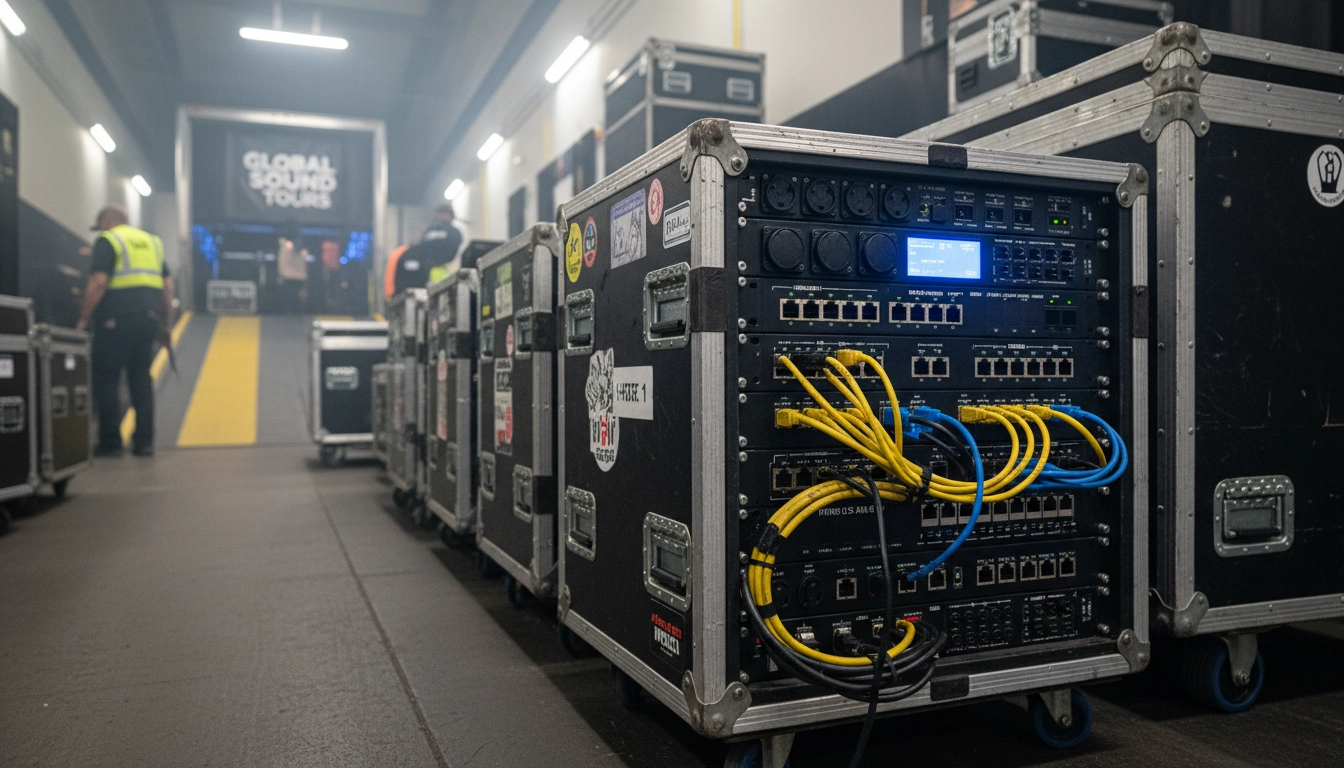
Pro Tips: How to Build a Fail-Safe Touring Dimmer Rack System from Scratch (2026 Edition)
Distributors
Can distributors request customized products?
RGB primarily offers standardized products. Customization requests are rare and evaluated on a project-by-project basis.
Do you offer regional exclusive agency agreements?
Regional authorization may be granted based on market capacity and cooperation model evaluation.
About RGB
What after-sales support do you provide?
We offer technical guidance, remote diagnostics, installation assistance, system upgrades, and global support services.
Can your dimmer cabinets integrate with third-party lighting consoles?
Yes. Our systems follow international protocols and can seamlessly integrate with major global brands through DMX, RDM, Art-Net, and sACN.
How do you ensure product stability during large-scale events?
All products undergo rigorous testing, long-duration load simulation, and multi-standard verification to guarantee stable performance in demanding environments.
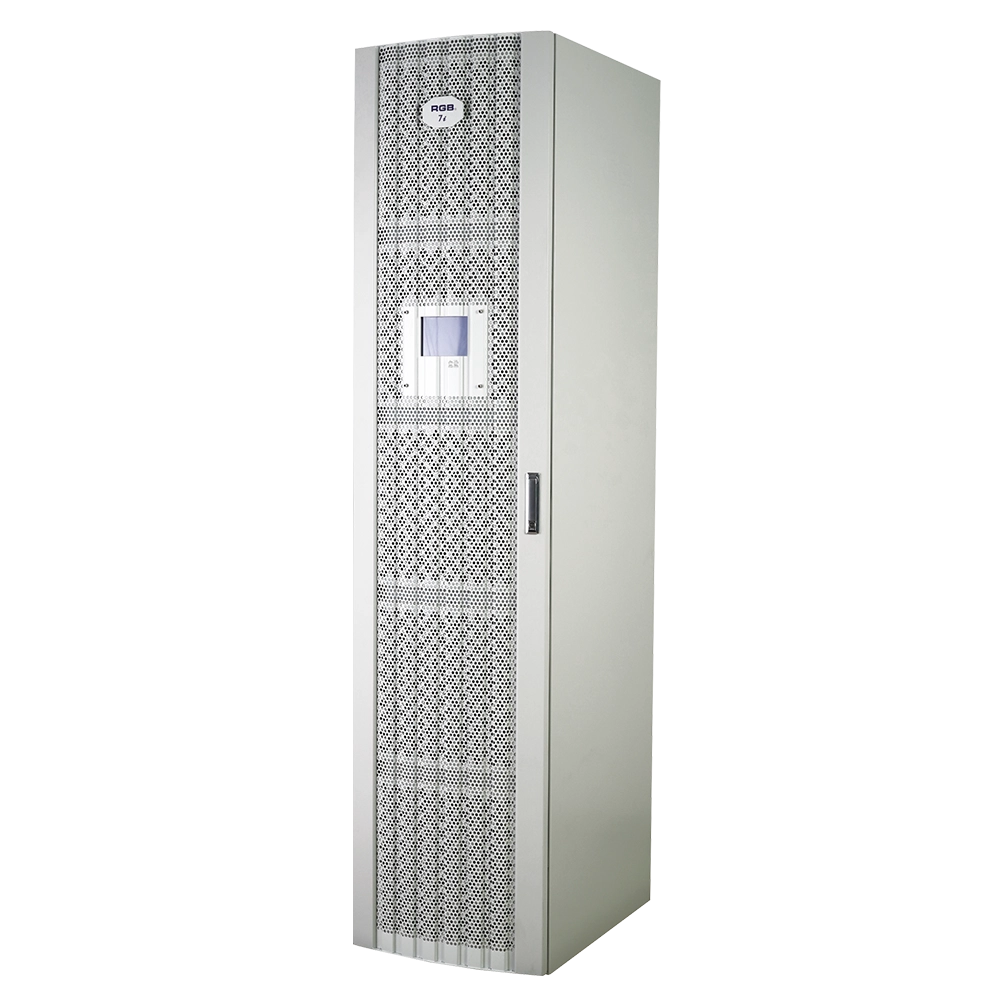
7i Dimmer/Relay Racks
7i is RGB independent research and development, with completely independent core technology, full digital decoding technology dimming racks, using a dual system, double decoding, double trigger, and duplex dual backup central decoding processor, with thyristor, relay, dimming relay mixed and other output configurations, supporting a visual lighting control system, intuitive display of dimming racks' online and offline status, and remote monitoring.
It is widely used in performing arts and cultural venues such as theaters, concert halls, multi-function halls, cultural travel and performing arts, TV stations, gymnasiums, auditoriums, commercial art lighting and so on.
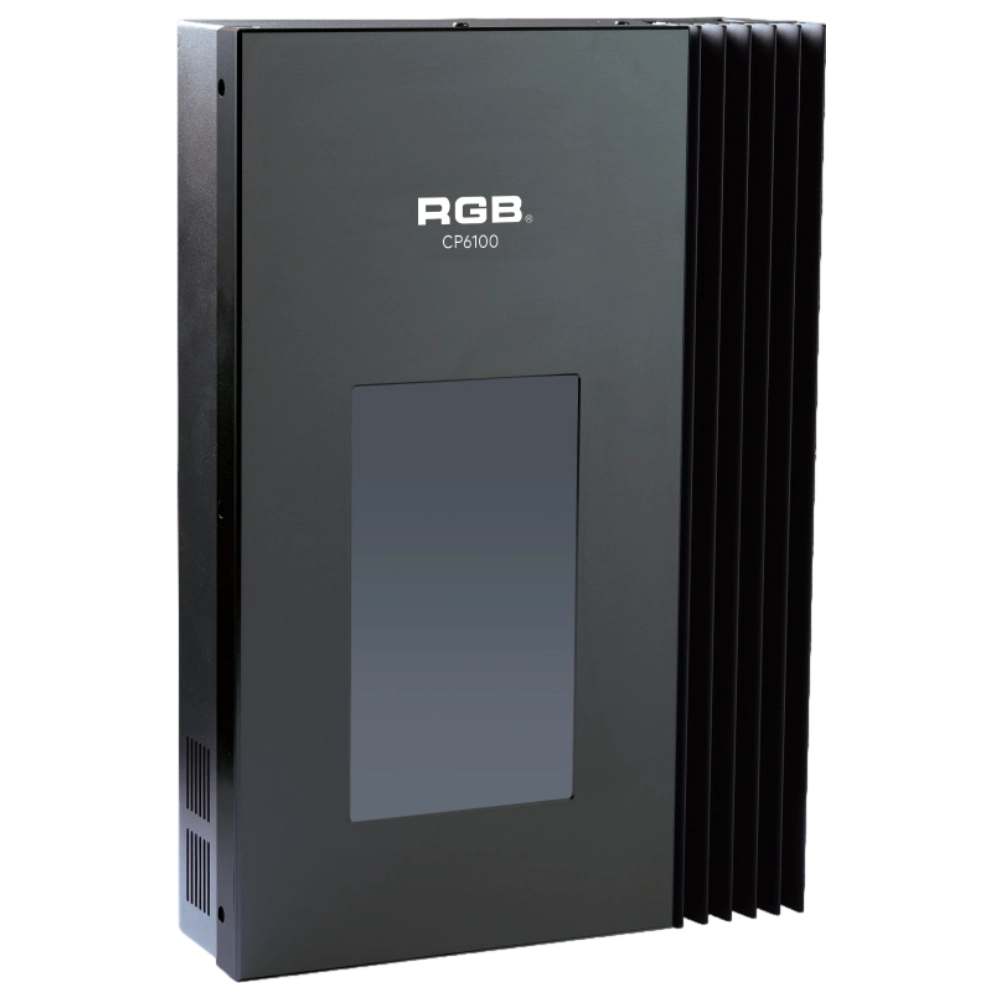
CP6100 Light Control System
The lighting control host is the main control device for theater stage lights, work lights, environmental lighting, commercial art lighting, sports venue lighting, and other places. By connecting the dedicated lighting control panels CP6104 and CP6108, it realizes the central control of the lighting system, supports a visual lighting control system, and intuitively displays the online and offline status of CP6100. Realize remote monitoring, editing, and setting of corresponding parameters.
It is widely applicable to theaters, cinemas, auditoriums, stadiums, museums, exhibition halls, cultural tourism performances, commercial art lighting, and other places.
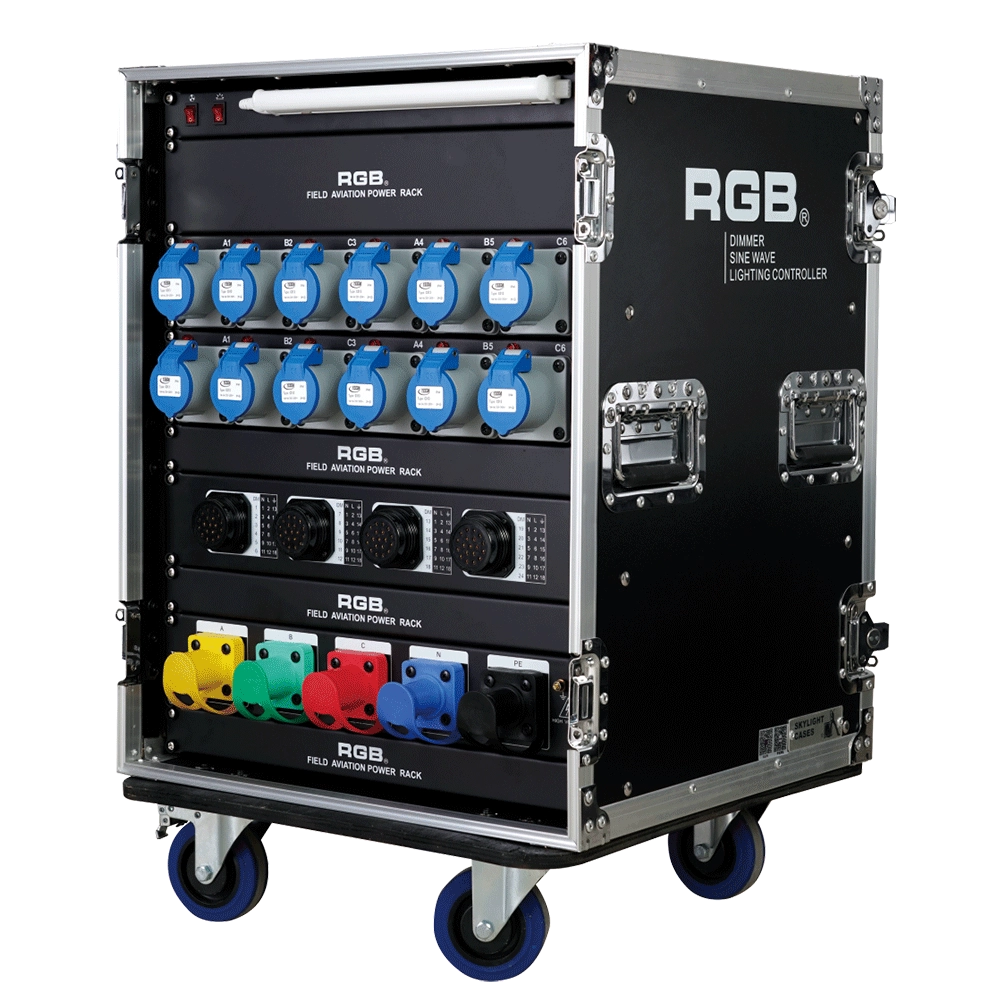
ZT2419+1216 Distribution Box
ZT2419+1216 features dual protection functions and is a power distribution product specifically designed for overcurrent and short circuits in electrical equipment. It is the best choice for mobile performance and is suitable for use in computer lamps, conventional lamps, and other equipment.
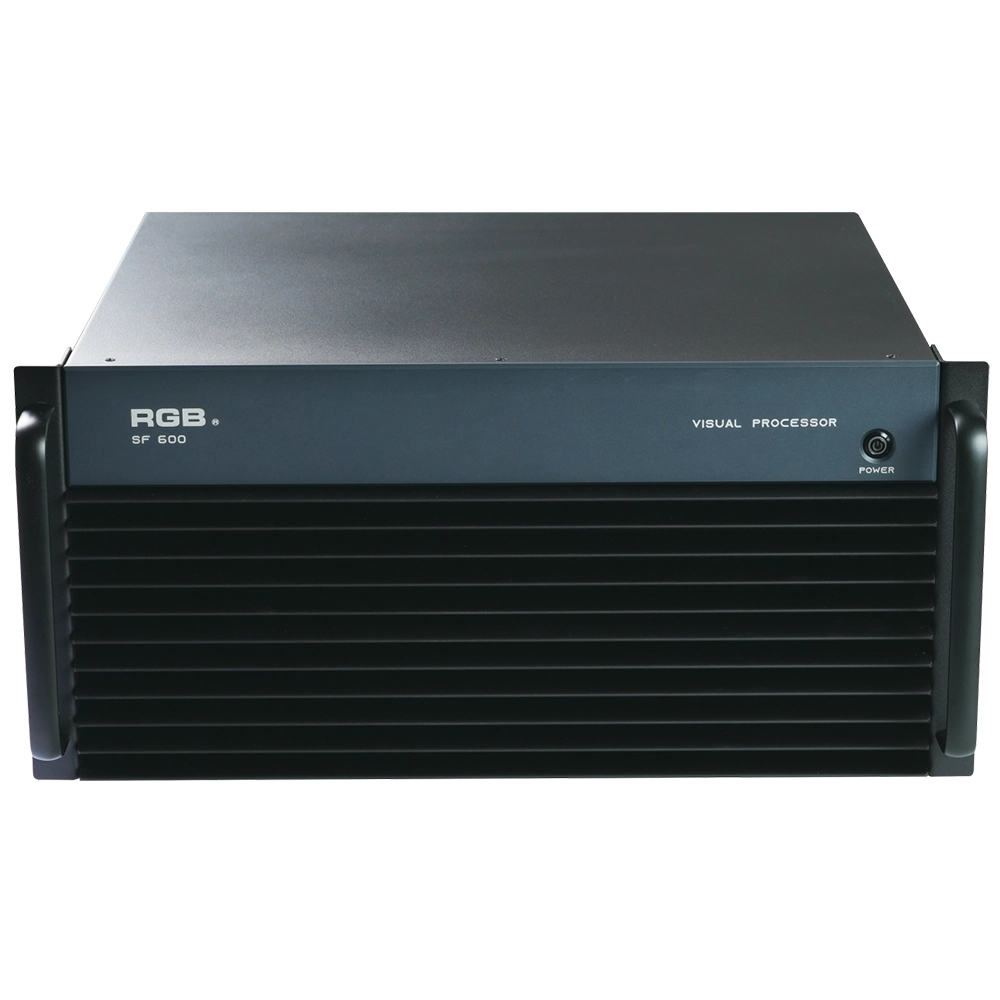
SF600 Visual R-net central processing processor
The SF600 Visual R-net central processing processor by RGB delivers advanced visual systems performance with high-speed processing and seamless integration. Designed for efficiency and reliability, it’s ideal for enhancing your visual system applications in corporate environments.
Expert Support
Interested in learning more or need expert guidance related to this article? Fill in your details, and our team will provide tailored support.
Intelligent Control. Brilliant Performance.
RGB specializes in stage lighting control systems, delivering intelligent, reliable, and high-performance solutions for theaters and performance spaces worldwide.
Contact
Email:
Tel:
+86 20 3928 0245
+86 20 3928 0247
Address:
No.3, Huashan Road, Shilou Town, Panyu, Guangzhou, China.
Whatsapp: +8615975520131