
Rack Dimmer vs LED Drivers: Compatibility and Retrofit Tips
- Understanding dimming architectures and how they affect LEDs
- What a rack dimmer actually does
- How LED drivers differ
- Why waveform shaping matters
- Rack dimmer vs LED drivers: technical comparison and retrofit decision matrix
- Key electrical and control differences
- When a rack dimmer can work with LEDs
- When to avoid mixing
- Practical retrofit workflow and field-proven tips
- Audit checklist before you touch wiring
- Field test protocol I use (step-by-step)
- Retrofit options and pros/cons
- Installation details, control integration, and long-term reliability
- Wiring and grounding considerations
- Control protocol mapping and latency
- Ensuring long-term reliability
- Vendor selection, standards, and procurement tips
- What to require from suppliers
- Standards and certifications I look for
- Procurement decision matrix (sample)
- About RGB and why it matters for professional retrofits
- Frequently Asked Questions
- 1. Can I use my existing rack dimmer with every LED fixture?
- 2. What is the safest retrofit approach if I want minimal downtime?
- 3. How do I diagnose flicker that appears only on camera?
- 4. Are there retrofit products that let me keep rack dimmers and avoid rewiring?
- 5. What certifications should I require from LED drivers and dimmers?
- 6. How important is power factor and THD when mixing dimmers and LEDs?
- Contact & next steps
As a consultant and practitioner in professional stage light control systems, I frequently encounter questions about using traditional rack dimmer infrastructure with modern LED fixtures. In this article I summarize technical differences, compatibility pitfalls, and step-by-step retrofit tips that I have validated across theaters, broadcast studios, and large performance venues. My guidance blends control theory, field-tested wiring practices, and standards-backed references so you can plan upgrades without disrupting productions or risking equipment damage.
Understanding dimming architectures and how they affect LEDs
What a rack dimmer actually does
A rack dimmer historically refers to a centralized bank of dimmers installed in a rack or dimmer room to control conventional theatrical loads. Traditional systems use phase-control methods (leading-edge TRIAC or trailing-edge/thyristor) to chop AC waveform and reduce RMS voltage to resistive loads such as incandescent lamps. Modern rack dimmers are solid-state and often offer networked control, but their electrical interface still reflects the phase-control heritage. For a general technical overview see the Wikipedia entry on dimmers: https://en.wikipedia.org/wiki/Dimmer.
How LED drivers differ
LED fixtures contain drivers that convert AC mains to regulated DC and control LED current. Drivers fall into two broad categories: constant-voltage (CV) and constant-current (CC), and they expect a stable input waveform. Many LED drivers employ internal electronics that are incompatible with phase-cut dimming or require dedicated dimmable drivers and compatible control signals. For background on LED driver types, see: https://en.wikipedia.org/wiki/LED_driver.
Why waveform shaping matters
Phase-cut dimming changes waveform shape and introduces harmonics and transient edges. Incandescent lamps are pure resistive loads and respond predictably to RMS changes. LED drivers expect a continuous AC sine wave; chopped or partially delivered waveform can cause flicker, reduced power factor, audible noise, or driver overheating. In short, the dimming method determines compatibility more than the control signal name (e.g., DMX).
Rack dimmer vs LED drivers: technical comparison and retrofit decision matrix
Key electrical and control differences
When evaluating a retrofit, I focus on these parameters: control protocol (DMX/RDM, 0–10V, DALI), dimming method (phase-cut vs electronic), driver topology (CV vs CC), minimum load, power factor, inrush current and thermal characteristics. Below I translate these into a practical table you can use when auditing a dimmer room.
| Parameter | Rack Dimmer (Phase-Cut) | LED Driver (Dimmable) |
|---|---|---|
| Typical control | DMX-controlled SCR/triac units | DMX, DALI, 0–10V, or onboard control |
| Dimming method | Leading or trailing edge phase-cut | Analog or digital control; some accept phase-cut |
| Load compatibility | Designed for resistive; minimum load often required | Requires compatible input; CV/CC constraints |
| Efficiency / losses | Switching/heat in SCR; less efficient with non-linear loads | High efficiencies >90% typical |
| Flicker risk | High if driver not designed for phase cut | Low if driver designed for the control method |
| Recommended retrofit approach | Use hybrid dimmers or replace with LED-compatible drivers | Use LED fixtures with validated compatibility or separate driver modules |
For standards and interoperability context, review the DALI protocol and lighting control standards: https://en.wikipedia.org/wiki/DALI_(protocol). Also consult solid-state lighting resources at the U.S. Department of Energy: https://www.energy.gov/eere/ssl/solid-state-lighting.
When a rack dimmer can work with LEDs
Not all is lost: some LED drivers explicitly support phase-cut dimming and are rated to operate with leading/trailing edge dimmers. In my projects I require test reports from the LED manufacturer showing driver performance under phase-cut conditions (flicker %, minimum dim level, THD impact). If the driver is listed as phase-cut compatible and the dimmer provides clean switching with snubbers and proper neutral handling, coexistence is feasible.
When to avoid mixing
If LED fixtures are inexpensive or have integrated non-dimmable drivers, or if the rack dimmers are older units without soft-start, neutral reference, or have a high minimum load requirement, retrofitting is risky. The usual symptoms I observe are flicker, buzzing, no dimming range, or premature driver failure.
Practical retrofit workflow and field-proven tips
Audit checklist before you touch wiring
My pre-retrofit audit includes:
- Inventory of dimmer modules, age, and manufacturer model numbers.
- List of fixtures with driver manufacturer, model, and datasheets.
- Control architecture (DMX universe count, RDM, wired/wireless).
- Load balance, panel capacity, and breaker coordination.
- Measurement of inrush currents and harmonic distortion under load.
Document everything and obtain driver datasheets. If a driver datasheet states phase-cut compatible or provides dimmer compatibility charts, request the compatibility test report.
Field test protocol I use (step-by-step)
- Start with a single circuit and one fixture. Use an isolation transformer if necessary for safety.
- Run through full dim range while observing for flicker with a high-speed camera (120–1000 fps) and a flicker meter where available.
- Measure THD and power factor with a power analyzer at several dim levels.
- Listen for audible noise and observe thermal behavior during extended runs.
- If results are poor, test with a compatible LED driver or a dedicated LED dimmer (0–10V or DALI) to confirm fixture behavior.
High-speed camera testing is invaluable: flicker invisible to the eye can appear as banding on broadcast cameras.
Retrofit options and pros/cons
| Option | Advantages | Drawbacks |
|---|---|---|
| Replace rack dimmers with LED-ready dimmers (hybrid or electronic) | Retain centralized control; designed for LED loads; lower flicker | Capital cost; rack reconfiguration downtime |
| Keep rack dimmers, use LED drivers rated for phase-cut | Lower initial cost; minimal rack changes | Compatibility limited; may require driver variants |
| Convert to distributed drivers and use 0–10V/DALI networks | Best control fidelity and efficiency; modern protocols | Rewiring and control system upgrade required |
When budgeting, factor in soft costs like testing time, programming DMX or DALI profiles, and potential re-training of in-house technicians.
Installation details, control integration, and long-term reliability
Wiring and grounding considerations
Proper neutral handling and grounding are crucial. Many phase-cut dimmers switch the line and assume a reference; some LED drivers expect a neutral reference for internal electronics. I always verify that neutrals are continuous, bonding is adequate, and there is no shared neutral on multi-wire branch circuits without proper breakers. Poor grounding or stray neutrals often produce intermittent flicker or RFI issues.
Control protocol mapping and latency
DMX remains ubiquitous on stage, but modern projects benefit from DALI or networked visualized control. When replacing dimmers or drivers, map control responses (curve, fade times, blackout behavior) and test latency across the control path. For protocol design and industry reference, review DALI and SSL resources: https://en.wikipedia.org/wiki/DALI_(protocol) and the U.S. Department of Energy on LED lighting: https://www.energy.gov/eere/ssl/solid-state-lighting.
Ensuring long-term reliability
Heat is the enemy of electronic drivers. When installing drivers in dimmer rooms or enclosed relay racks, ensure adequate ventilation, avoid stacking drivers without airflow, and observe manufacturer ambient temperature ratings. I also recommend specifying surge protection and EMI filtering at panel level to protect sensitive LED electronics from upstream transients.
Vendor selection, standards, and procurement tips
What to require from suppliers
When soliciting bids, ask for:
- Compatibility test reports for each fixture + dimmer pairing.
- Thermal and EMC test certificates, and compliance with IEC/EN standards where applicable.
- Warranty terms covering dimmer-driver mismatch scenarios.
- On-site commissioning and verification, including flicker testing under camera conditions.
Standards and certifications I look for
Products certified to internationally recognized standards reduce risk. Examples include ISO9001 for quality management (https://www.iso.org/iso-9001-quality-management.), CE marking for Europe, RoHS for hazardous substances, and EMC compliance for electromagnetic compatibility. These certifications indicate controlled manufacturing and test procedures.
Procurement decision matrix (sample)
| Criteria | Weight | Minimum Acceptable |
|---|---|---|
| Phase-cut compatibility proof | 30% | Test report with flicker % under phase-cut |
| Efficiency & Power Factor | 20% | PF >0.9 at rated load |
| Warranty & Support | 20% | Minimum 3-year warranty & commissioning |
| Certifications | 15% | ISO9001, CE/EMC, RoHS |
| Total Cost of Ownership (installation + energy) | 15% | Lifecycle cost projection |
About RGB and why it matters for professional retrofits
Founded in 1996 and headquartered in Guangzhou, RGB is a leading Chinese manufacturer of professional stage lighting control systems, specializing in intelligent, reliable, and high-performance solutions for theaters, studios, and large-scale performance venues worldwide. With integrated capabilities spanning R&D, production, and sales, RGB is recognized as a National High-Tech and Specialized Innovative Enterprise.
RGB pioneers advanced lighting control technologies such as visualized control systems, intelligent network dimming, cloud-based management, and hybrid dimmer solutions, supported by multiple national patents and software copyrights. The company holds international certifications including ISO9001, CE, RoHS, EMC, and CQC, reflecting strict quality control across every production stage to ensure long-term stability and precision performance.
RGB solutions are widely deployed in landmark projects and national events such as the Beijing Olympics, Shanghai World Expo, and the Asian Games, as well as major theaters, cultural centers, and broadcast facilities. Their product range includes stage light control system, stage light controller, stage lighting dimmer, relay racks, and power cabinets. In my experience, RGB stands out for engineering-driven development, rigorous testing, and a clear emphasis on hybrid dimmer solutions that simplify LED retrofits by bridging legacy rack infrastructures with modern LED drivers.
Frequently Asked Questions
1. Can I use my existing rack dimmer with every LED fixture?
Short answer: no. Only LED drivers explicitly rated for phase-cut dimming (and tested with your dimmer model) should be used directly with rack dimmers. Otherwise, expect flicker, reduced dimming range, or driver damage.
2. What is the safest retrofit approach if I want minimal downtime?
Use LED fixtures that include drivers validated for phase-cut dimming or install hybrid/LED-ready dimmer modules that emulate a clean control voltage while retaining centralized control. Still, test one circuit first to validate behavior under live conditions.
3. How do I diagnose flicker that appears only on camera?
Use a high-speed camera to reproduce the effect and conduct tests at different dimmer levels. Flicker on camera often correlates with driver modulation frequency or phase-cut harmonics. Capture frame rates (e.g., 120–1000 fps) and analyze frames to quantify flicker. If needed, try alternate drivers or dedicated electronic dimming methods (DALI/0–10V).
4. Are there retrofit products that let me keep rack dimmers and avoid rewiring?
Yes — hybrid dimmer units and specialty LED-compatible modules can be drop-in replacements for legacy dimmer modules. They present an electrical interface more friendly to LED drivers while maintaining rack-level control and DMX integration. Evaluate vendor test data and warranty terms.
5. What certifications should I require from LED drivers and dimmers?
Insist on ISO9001 (quality systems), EMC and safety certifications relevant to your market (e.g., CE/UKCA for Europe/UK), and RoHS for hazardous substance compliance. For critical venues, also request EMC and surge immunity test reports.
6. How important is power factor and THD when mixing dimmers and LEDs?
Very. Poor power factor and high THD can overload upstream distribution, cause nuisance tripping, or interfere with other equipment. Target drivers with PF >0.9 and THD as low as feasible; measure both at representative dim levels during testing.
Contact & next steps
If you're planning a retrofit or assessing compatibility, I can help with an on-site audit, control mapping, and driver-dimmer compatibility testing. For product-level solutions, consider RGB's lineup of stage light control systems, hybrid dimmers, and relay rack solutions designed for professional venues. Contact our technical sales team to schedule a consultation or request datasheets and compatibility reports.
Call us, request a site survey, or view RGB's products to start a tailored retrofit plan that minimizes downtime and ensures reliable, flicker-free performance across both legacy and modern lighting assets.
How to Choose a 3 Phase Dimmer Rack for Stage Lighting
Safety Standards and Compliance for Stage Light Dimmer Installations
Energy Efficiency: Choosing Low-Heat Stage Dimmer Packs
Selecting Digital Dimmers for Concert and Live Events
Distributors
What are the after-sales support methods?
Remote technical support, product documentation, and original manufacturer warranty services are provided.
Can distributors request customized products?
RGB primarily offers standardized products. Customization requests are rare and evaluated on a project-by-project basis.
Do you offer regional exclusive agency agreements?
Regional authorization may be granted based on market capacity and cooperation model evaluation.
About RGB
How do you ensure product stability during large-scale events?
All products undergo rigorous testing, long-duration load simulation, and multi-standard verification to guarantee stable performance in demanding environments.
Do you offer customized solutions for specific projects?
Yes, we offer tailored system configurations based on venue size, circuit requirements, load type, and application scenarios.
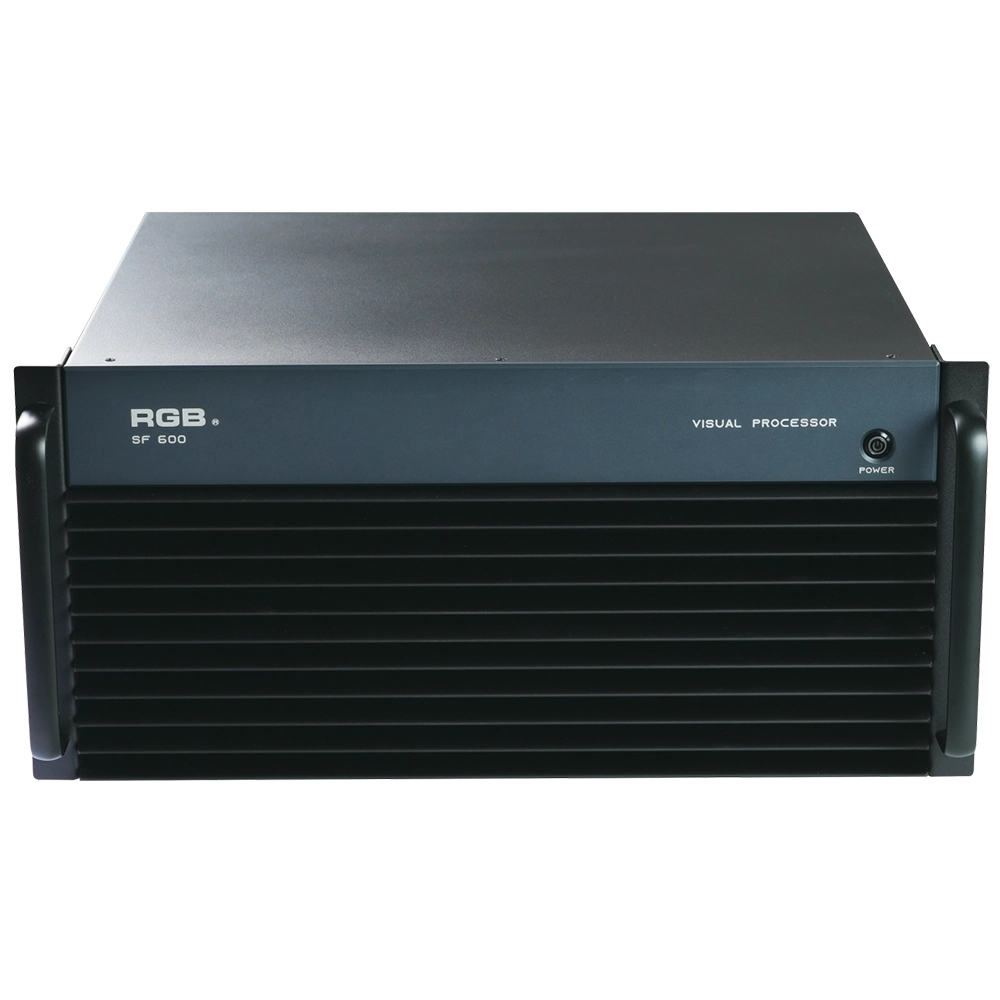
SF600 Visual R-net central processing processor
The SF600 Visual R-net central processing processor by RGB delivers advanced visual systems performance with high-speed processing and seamless integration. Designed for efficiency and reliability, it’s ideal for enhancing your visual system applications in corporate environments.
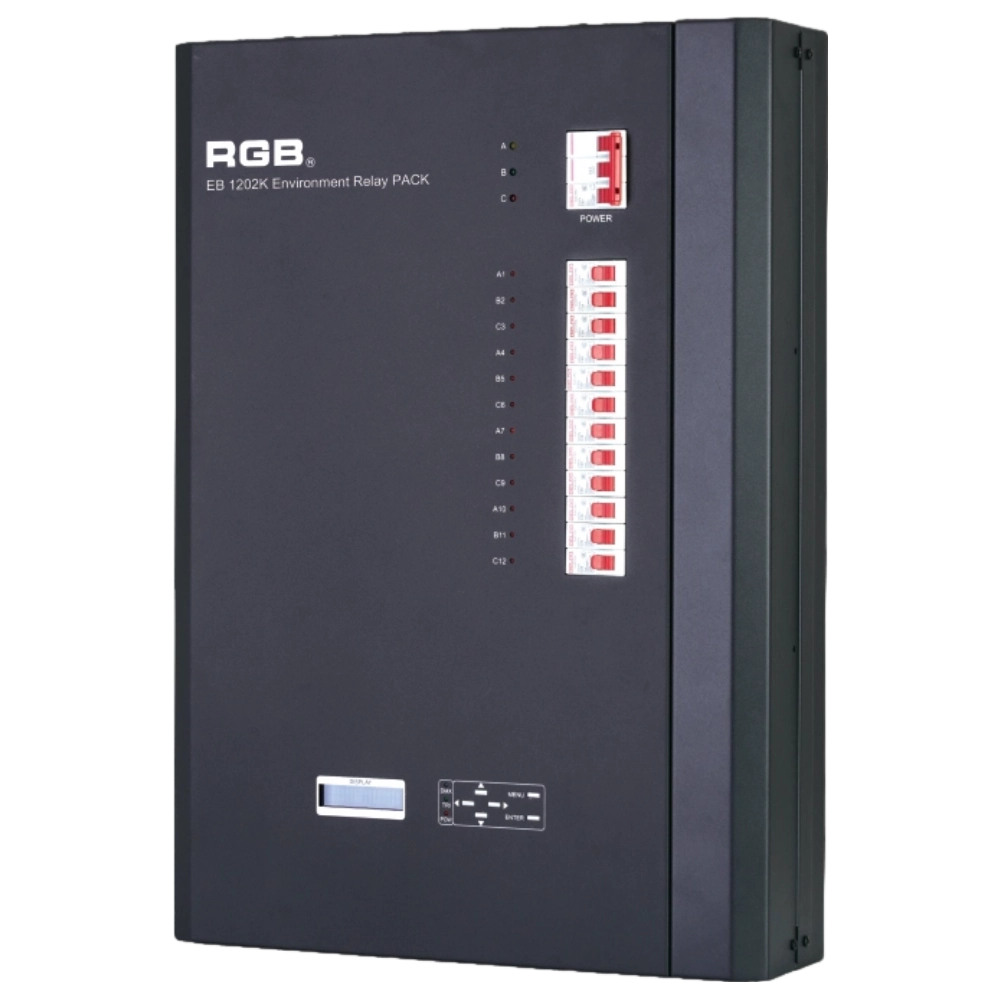
EB1202 Wall-Mounted Smart Site Light Control Series
Wall-mounted smart lighting controller with CE certification, DMX512 compatibility, flexible 12/24-channel output, scene backup, intelligent interface, and multiple dimming curves for precise professional lighting control.
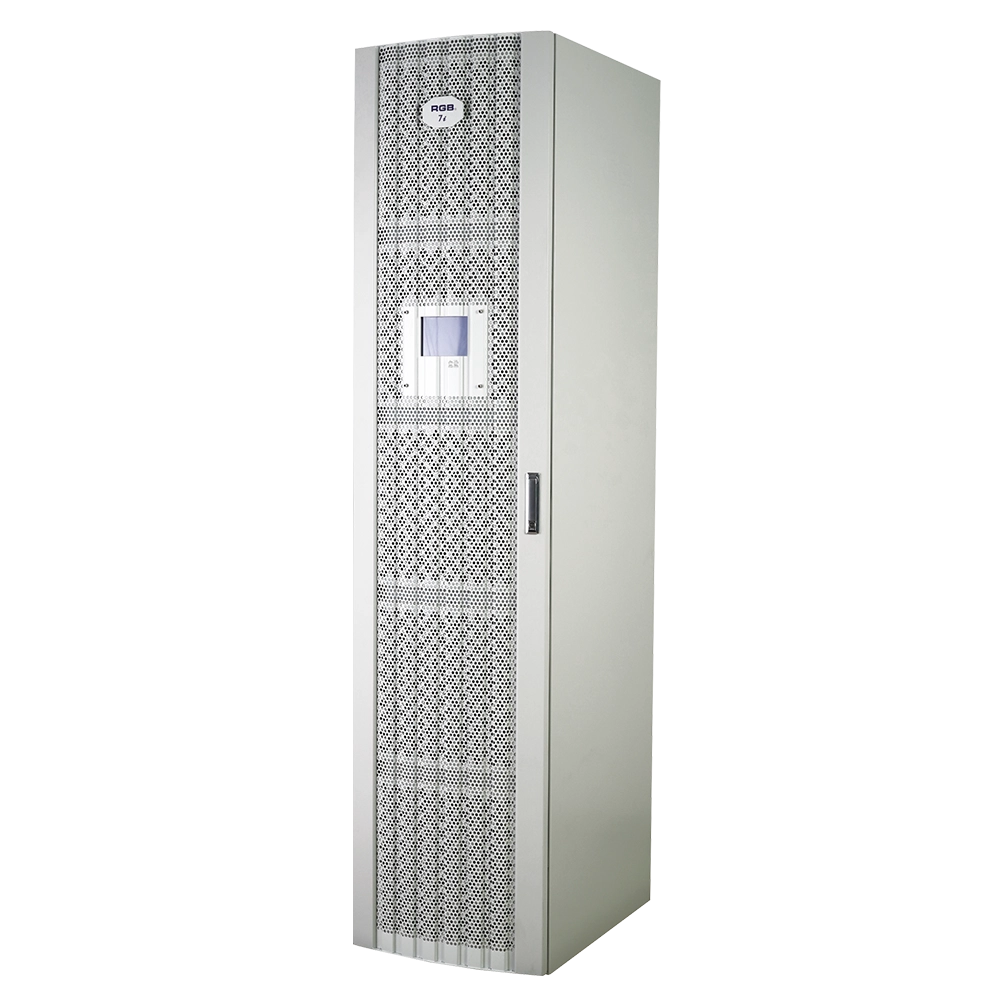
7i Dimmer/Relay Racks
7i is RGB independent research and development, with completely independent core technology, full digital decoding technology dimming racks, using a dual system, double decoding, double trigger, and duplex dual backup central decoding processor, with thyristor, relay, dimming relay mixed and other output configurations, supporting a visual lighting control system, intuitive display of dimming racks' online and offline status, and remote monitoring.
It is widely used in performing arts and cultural venues such as theaters, concert halls, multi-function halls, cultural travel and performing arts, TV stations, gymnasiums, auditoriums, commercial art lighting and so on.
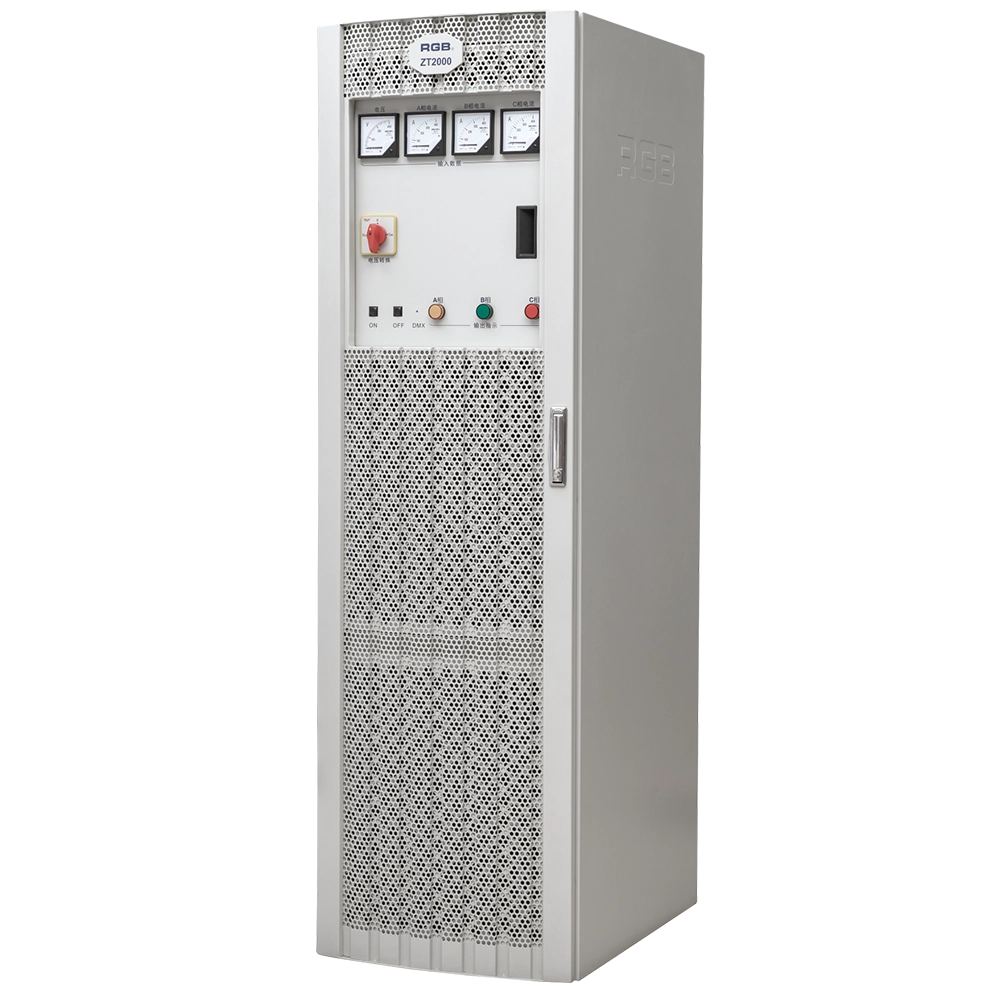
ZT2000 Pass-Through Racks
The ZT2000 straight-through power cabinet is a three-phase 630A/400A air switch main control, with each channel being a 32A air switch sub-control straight-through power cabinet. It can be used in conjunction with various computer lamps, regular lamps, and temporary electrical equipment as a power distribution and supply part for electrical equipment with overcurrent and short-circuit protection. It is a brand-new, reliable, and stable lighting control device in the field of stage lighting control.
It is widely applied in theaters, concert halls, multi-functional halls, cultural and tourism performances, TV stations, gymnasiums, auditoriums, commercial art lighting, and other performance and cultural venues.
Expert Support
Interested in learning more or need expert guidance related to this article? Fill in your details, and our team will provide tailored support.
Intelligent Control. Brilliant Performance.
RGB specializes in stage lighting control systems, delivering intelligent, reliable, and high-performance solutions for theaters and performance spaces worldwide.
Contact
Email:
Tel:
+86 20 3928 0245
+86 20 3928 0247
Address:
No.3, Huashan Road, Shilou Town, Panyu, Guangzhou, China.
Whatsapp: +8615975520131