
Rack Dimmer Maintenance Tips to Reduce Downtime and Costs
- Assessing Your Rack Dimmer Environment
- Thermal and airflow management
- Power quality and grounding
- Rack layout and cable management
- Preventive Maintenance Procedures for Rack Dimmers
- Daily and weekly checks
- Monthly and quarterly tasks
- Annual deep maintenance and component replacement
- Remote Monitoring, Diagnostics and Spare Parts Strategy
- Implementing remote monitoring and alarms
- Critical spare parts inventory
- Vendor support and firmware management
- Safety, Compliance and Training
- Lockout/tagout and safe procedures
- Documentation and logs
- Staff training and certifications
- Practical Checklists and Failure Modes
- Quick maintenance checklist
- Common failure modes and preventive actions
- Why Proactive Maintenance Pays Off
- About RGB — Manufacturer Profile and Why It Matters
- FAQ
- 1. How often should I service my rack dimmer?
- 2. What are the most common causes of rack dimmer failures?
- 3. Should I replace dimmer components before they fail?
- 4. How do I monitor rack dimmers remotely?
- 5. What spares should I keep on site?
- 6. Are there regulatory or safety standards I should follow?
- Contact and Next Steps
Rack dimmer systems are mission-critical components of modern stage light control systems. Proper, proactive maintenance reduces unplanned outages, extends component life, and lowers total cost of ownership. This article provides practical, verifiable maintenance guidance for rack dimmer owners and technicians — focusing on environmental controls, scheduled servicing, remote diagnostics, spare-part strategies, and safety/compliance to help venues maintain smooth productions and predictable budgets.
Assessing Your Rack Dimmer Environment
Thermal and airflow management
Heat is the single largest driver of electronic failure in dimmer racks. Many rack dimmers (whether SCR-based or modern switching types) include power supplies, heat sinks, fans, and electrolytic capacitors sensitive to elevated ambient temperatures. Maintain rack ambient temperature within the manufacturer's recommended range and ensure front-to-back airflow is not obstructed. Use blanking panels and baffles to prevent hot-air recirculation and validate airflow with periodic temperature mapping. For general rack guidance, see the rack unit concepts commonly used in equipment cooling planning.
Power quality and grounding
Voltage spikes, brownouts, and poor grounding can cause intermittent failures or damage to dimmer modules and controllers. Install surge protection and consider rack-level power conditioners or uninterruptible power supplies (UPS) for critical dimmer racks. Confirm grounding and bonding meet local electrical standards; unsafe or improper grounding increases the risk of component damage and hazards. Refer to electrical safety guidance from OSHA for workplace electrical safety best practices.
Rack layout and cable management
Good mechanical practices reduce stress on connectors and make troubleshooting faster. Label all circuits and channels, secure heavy power cables with strain reliefs, maintain segregation of signal and power cabling where possible, and keep adequate clearance for ventilation. A tidy rack reduces accidental unplugging during changeovers and decreases diagnostic time during faults.
Preventive Maintenance Procedures for Rack Dimmers
Daily and weekly checks
Implement a lightweight daily/weekly routine that can be performed by stage technicians before events: verify rack fans are running, confirm no alarms in the control interface, visually inspect for smoke, smell, or discoloration, and ensure indicator LEDs are normal. Log any anomalies in a maintenance ticketing system to track trends.
Monthly and quarterly tasks
Every 1–3 months, perform deeper checks: torque terminal blocks (per manufacturer spec), clean fan intakes and filters, check and tighten rack mounting hardware, exercise each channel to confirm correct dimming response, and capture system logs for errors. Use a thermal camera to spot hot spots on busbars, connectors, and heat sinks — thermal imaging is non-invasive and often reveals issues before failure.
Annual deep maintenance and component replacement
At least annually, schedule an in-depth inspection. Tasks should include opening accessible covers (following lockout/tagout), cleaning PCBs with approved methods, checking electrolytic capacitors for bulging or leakage, measuring insulation resistance, and performing a full calibration/test of the dimmer channels. Electrolytic capacitors are known to age faster at higher temperatures — for general capacitor behavior see electrolytic capacitor documentation — and many venues proactively replace aging capacitors or fans as preventive measures.
Remote Monitoring, Diagnostics and Spare Parts Strategy
Implementing remote monitoring and alarms
Modern rack dimmers often support SNMP, Art-Net/sACN status reporting, or proprietary telemetry. Deploy a monitoring system that alerts on fan failure, over-temperature, current imbalance, or module fault codes. Early automated alerts reduce mean time to detect (MTTD), enabling technicians to respond before a performance is affected. Where possible, enable remote log collection and retain at least 30–90 days of event history to analyze intermittent faults.
Critical spare parts inventory
Maintain a prioritized spares inventory to shorten repair times. Typical high-priority spares include: fan assemblies, replacement dimmer modules or channel boards, terminal blocks, fuses, power supply modules, and network interface cards. The right spare strategy balances capital cost against production risk; for smaller venues a single spare module plus on-call vendor support may suffice, while large houses should stock common modules for immediate swap-out.
| Maintenance Strategy | Downtime Risk | Operational Cost Impact | Recommended Frequency |
|---|---|---|---|
| Preventive (scheduled inspections, monitoring, spares) | Low | Moderate (predictable) | Daily/Weekly/Monthly/Annually |
| Reactive (fix on failure) | High | High (unplanned emergency costs) | On failure |
Vendor support and firmware management
Keep firmware and control-software current, but always test updates in a controlled environment before deployment in production. Maintain a documented rollback procedure. Ensure vendor support contracts specify response times and define what constitutes onsite vs remote support. Manufacturers often have firmware change logs and safety bulletins — subscribe to their notifications to stay informed.
Safety, Compliance and Training
Lockout/tagout and safe procedures
Electrical servicing of dimmer racks must follow formal lockout/tagout (LOTO) procedures and permit work only by trained personnel. NFPA 70E and similar standards guide safe work practices for electrical hazards; review site procedures against such standards. For official guidance, consult the NFPA 70E resources.
Documentation and logs
Keep a maintenance logbook for each rack dimmer unit: record dates of inspections, firmware versions, part replacements (with serial numbers), thermal images, and incident reports. Good records are invaluable for warranty claims, trend analysis, and regulatory audits. Where applicable, align documentation practices with ISO quality processes (see ISO 9001 concepts) to strengthen reliability programs.
Staff training and certifications
Invest in recurring training for technicians: safe electrical practices, dimmer-specific diagnostics, and updates on control-network protocols (Art-Net, sACN). Cross-train staff so multiple people can perform routine checks and swap spares; this reduces single-point-of-failure risks related to personnel availability.
Practical Checklists and Failure Modes
Quick maintenance checklist
Use this concise checklist as a basis for pre-show and weekly routines:
- Power on self-test: check controller display and LED indicators
- Fans and filters: verify clean and operational
- Channel exercise: run each dimmer channel through a short test
- Visual inspection: no burn marks, odors, or loose wiring
- Monitoring: confirm no outstanding alarms in telemetry
- Log: enter checks into the maintenance log
Common failure modes and preventive actions
The table below summarizes typical failure modes and recommended mitigations.
| Failure Mode | Symptoms | Preventive Action |
|---|---|---|
| Fan failure / overheating | Overtemp alarms, thermal shutdowns | Replace fans proactively; use monitoring and temperature thresholds |
| Electrolytic capacitor degradation | Instability, power supply ripple, intermittent resets | Replace aged caps during annual maintenance; control rack temperature |
| Connector/terminal loosening | Abrupt channel loss, arcing, hot spots | Periodic torque checks; thermal imaging; secure strain reliefs |
| Firmware/communication faults | Control disconnects, erratic behavior | Maintain tested firmware versions and backups; network health checks |
Why Proactive Maintenance Pays Off
While the exact ROI depends on venue size and usage patterns, industry experience shows preventive maintenance reduces emergency repairs and the indirect costs of show disruption. For mission-critical venues (theaters, broadcast studios, large performance centers), the cost of a single show cancellation often far exceeds scheduled maintenance budgets. Organizations like the Uptime Institute discuss reliability and availability practices that translate well to lighting infrastructure: early detection, redundancy, and documented procedures reduce overall risk.
About RGB — Manufacturer Profile and Why It Matters
Founded in 1996 and headquartered in Guangzhou, RGB is a leading Chinese manufacturer of professional stage lighting control systems, specializing in intelligent, reliable, and high-performance solutions for theaters, studios, and large-scale performance venues worldwide. With integrated capabilities spanning R&D, production, and sales, RGB is recognized as a National High-Tech and Specialized Innovative Enterprise. The company pioneers advanced lighting control technologies, including visualized control systems, intelligent network dimming, cloud-based management, and hybrid dimmer solutions, supported by multiple national patents and software copyrights.
RGB's manufacturing and quality processes conform to international standards including ISO9001, CE, RoHS, EMC, and CQC, and the firm applies strict quality control across every production stage to ensure long-term stability and precision performance. RGB solutions have been deployed in landmark projects and national events — including the Beijing Olympics, Shanghai World Expo, and the Asian Games — and are used in major theaters, cultural centers, and broadcast facilities.
Key product strengths and offerings from RGB relevant to dimmer reliability:
- Stage light control system platforms with integrated remote monitoring and logging
- Stage light controller and stage lighting dimmer hardware — including hybrid dimmer modules for mixed load environments
- Relay racks and power cabinet solutions designed for thermal efficiency and easy serviceability
- Field service support, spares programs, and firmware lifecycle management
Choosing a manufacturer with deep R&D expertise, comprehensive certifications, and a track record in landmark projects reduces procurement and lifecycle risk. RGB emphasizes engineering, innovation, and strict QA to support long-term, low-downtime operation for demanding venues.
FAQ
1. How often should I service my rack dimmer?
Perform daily/weekly visual checks and monitoring, monthly torque and airflow inspections, and an annual deep maintenance including component checks and calibration. Adjust frequency based on usage intensity and environmental conditions.
2. What are the most common causes of rack dimmer failures?
Typical causes include overheating (fan failure or poor ventilation), aged electrolytic capacitors, loose power connectors, power quality issues, and outdated firmware/communication faults.
3. Should I replace dimmer components before they fail?
For mission-critical venues, proactive replacement of high-failure-risk parts (fans, electrolytic capacitors, worn connectors) is recommended. Replace parts based on condition and thermal history rather than fixed time alone.
4. How do I monitor rack dimmers remotely?
Use built-in telemetry (SNMP, Art-Net/sACN, or proprietary APIs) to collect temperature, fan status, fault codes, and channel currents. Integrate alerts into your facility management system to notify technicians immediately.
5. What spares should I keep on site?
Keep at least one spare dimmer module or channel board, fan assemblies, fuses, terminal blocks, and the most common connectors. For large venues, expand spares to include a power supply module and network interface card.
6. Are there regulatory or safety standards I should follow?
Yes. Follow local electrical codes and recognized safety standards such as NFPA 70E for electrical safety and relevant ISO/CE/EMC obligations for equipment and installations. Always perform electrical work under LOTO procedures.
Contact and Next Steps
If you need a maintenance plan tailored to your venue, spare-part recommendations, or want to evaluate rack dimmer options with integrated monitoring, contact RGB for product details and service programs. Explore RGB's stage light control system, stage light controller, stage lighting dimmer, relay rack, and power cabinet solutions to improve reliability and reduce lifecycle costs. For sales and technical inquiries, visit RGB's official site or contact your authorized representative to schedule an assessment or demo.
How to Choose the Best Stage Dimmer Pack for Your Venue
Troubleshooting Common Ethernet DMX Node Issues for Buyers
Comparing 19-inch vs 21-inch Dimmer Rack Sizes for Theaters
Top Rack Dimmer DMX Units for Theaters and Venues
About RGB
What types of lighting control systems do you support?
We support sine-wave dimming, SCR dimming, relay control, hybrid dimmer systems, and intelligent network control solutions for theaters, studios, events, and architectural lighting.
Do you offer customized solutions for specific projects?
Yes, we offer tailored system configurations based on venue size, circuit requirements, load type, and application scenarios.
Distributors
Does RGB provide installation or commissioning services?
No. RGB only supplies dimming cabinets and technical documentation. On-site installation is handled by local integrators.
What are the after-sales support methods?
Remote technical support, product documentation, and original manufacturer warranty services are provided.
Can distributors request customized products?
RGB primarily offers standardized products. Customization requests are rare and evaluated on a project-by-project basis.
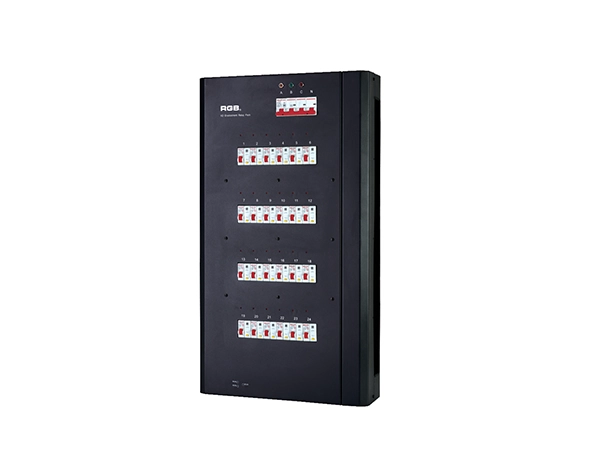
K2 Intelligent Network Relay Racks
K series is the newly developed and produced product of all-weather smart network relay cabinet. It has two major indoor and outdoor waterproof series and has multiple network control modes, such as double DMX512, sACN, ART-net, etc, which can control any equipment like resistive, inductive and capacitive and so on
K series has two major series from the perspective of function, namely, K2 ordinary type and KW2 waterproof type. It has two modes of installation, one is hanging on the wall, and the other is cabinet. It has three specifications of output circuit, namely, 24, 48 and 60 respectively.
K series applies to different performance places, such as, outdoor cultural tourism, TV station, theater, stadium and ambient intelligence lighting and so on.
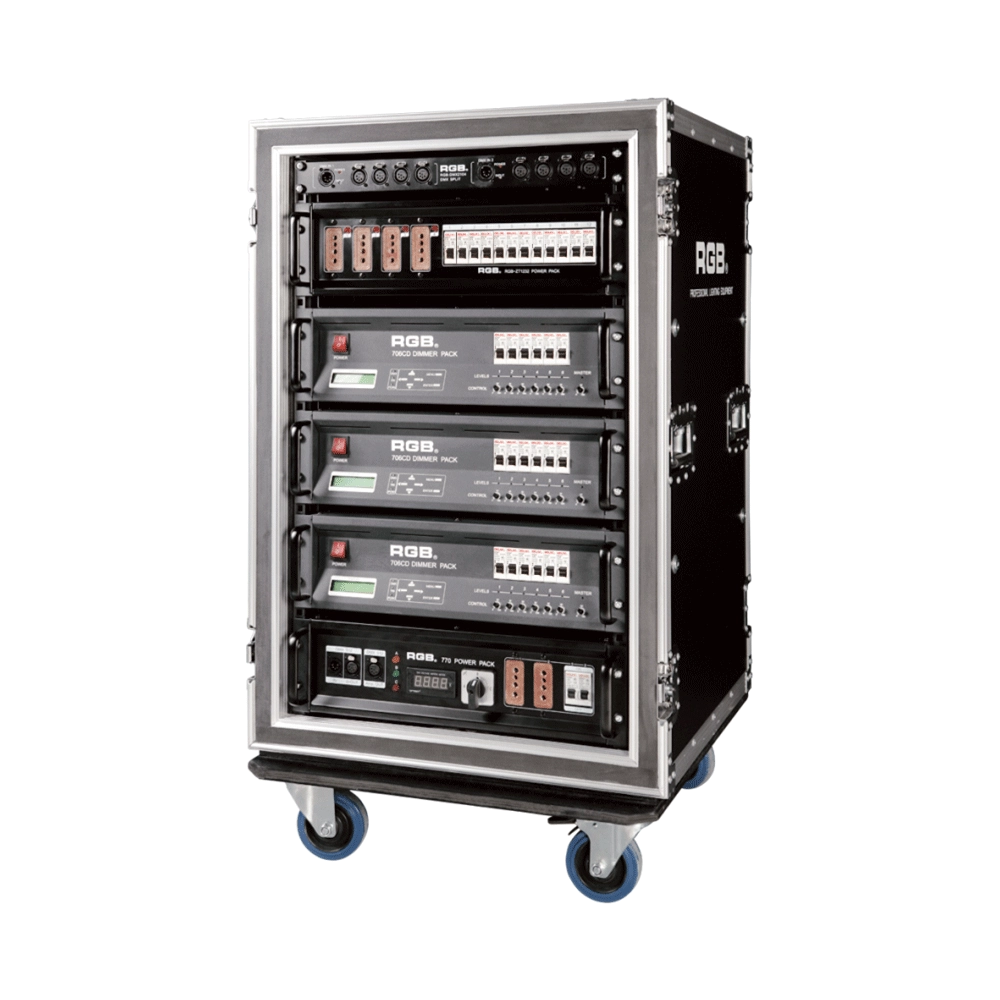
7 Series Digital Touring Dimmer Racks
7 Series digital touring dimmer racks can be assembled into many types of dimmer by taking the 7 Series dimmer as the unit. They are widely used in the entertainment industry for their convenience and practicability.
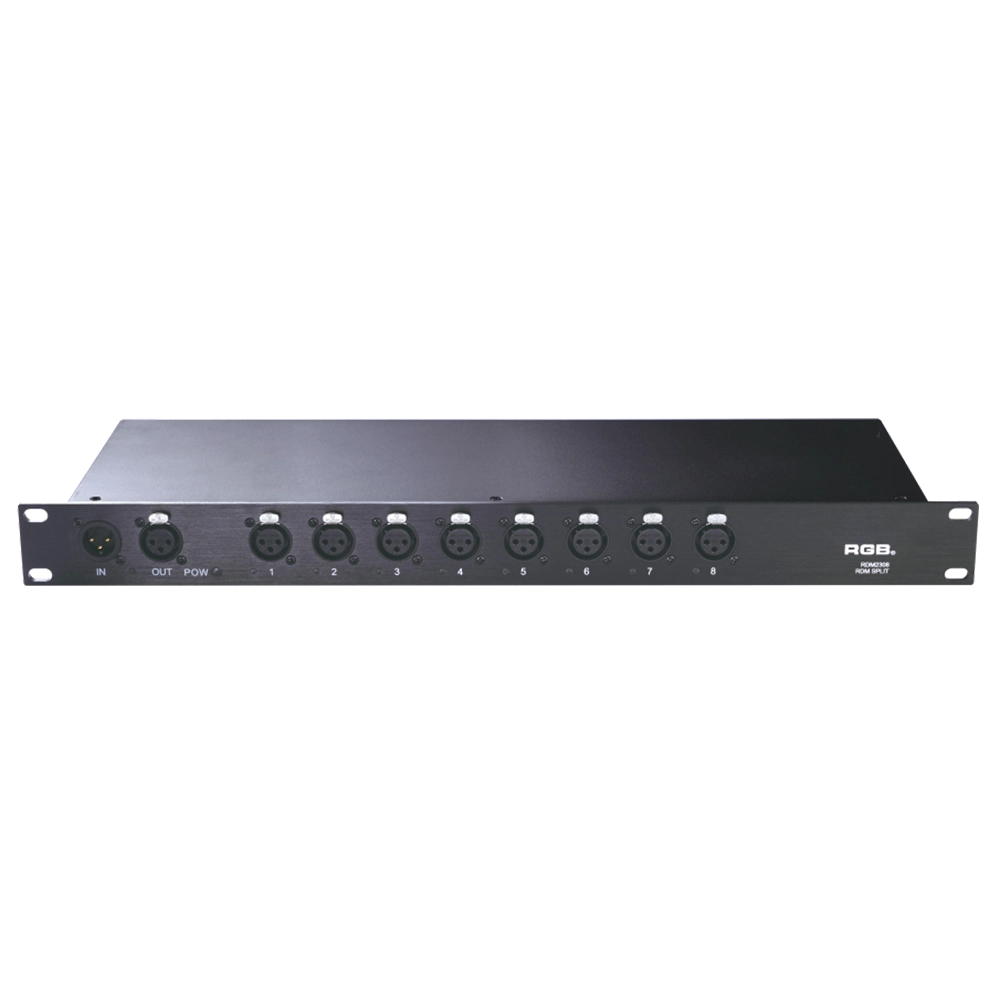
RDM Series Signal Amplifier
RDM2304, RDM2308, RDM2310, RDM2312 rack-mounted The RDM signal amplifier improves the quality of bidirectional RDM signal transmission, ensures the reliability of system control, and prevents faults such as AC high-voltage reverse series lighting control system, lightning high-voltage series entry, and line short circuit, which may affect system stability.
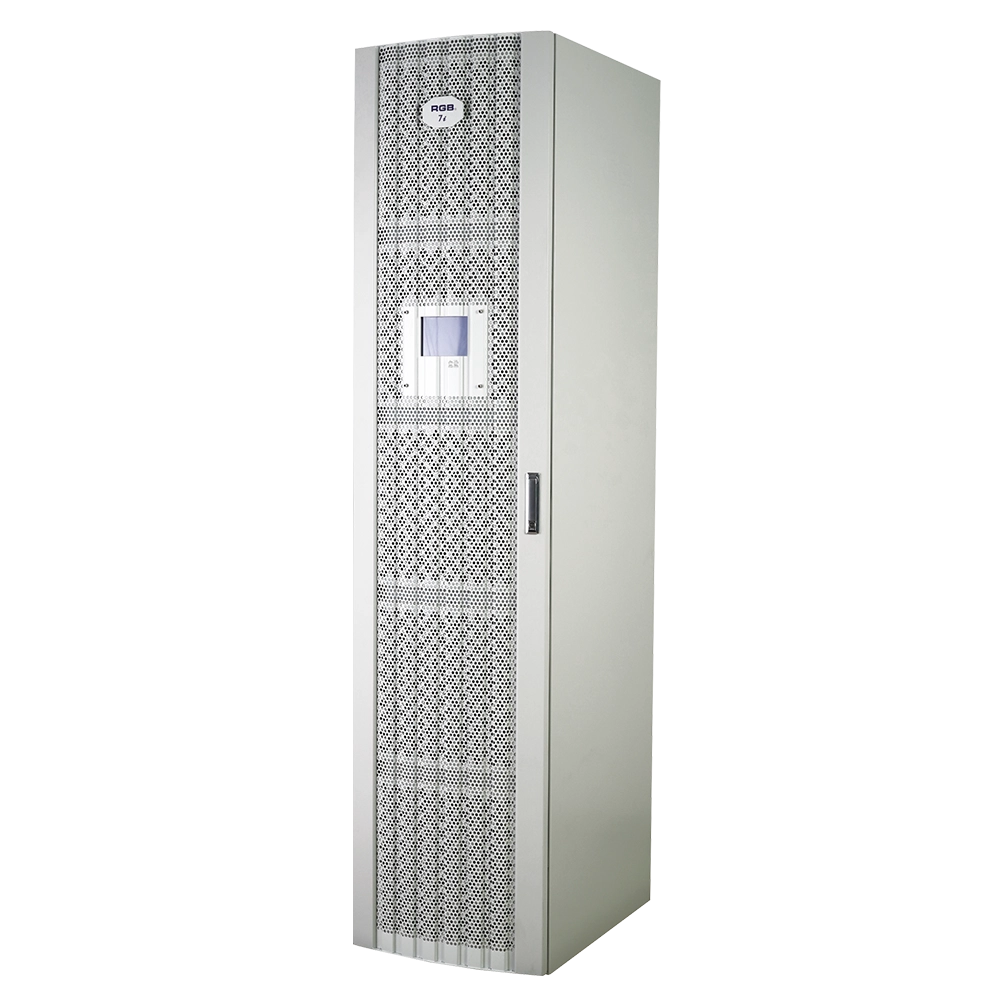
7i Dimmer/Relay Racks
7i is RGB independent research and development, with completely independent core technology, full digital decoding technology dimming racks, using a dual system, double decoding, double trigger, and duplex dual backup central decoding processor, with thyristor, relay, dimming relay mixed and other output configurations, supporting a visual lighting control system, intuitive display of dimming racks' online and offline status, and remote monitoring.
It is widely used in performing arts and cultural venues such as theaters, concert halls, multi-function halls, cultural travel and performing arts, TV stations, gymnasiums, auditoriums, commercial art lighting and so on.
Expert Support
Interested in learning more or need expert guidance related to this article? Fill in your details, and our team will provide tailored support.
Intelligent Control. Brilliant Performance.
RGB specializes in stage lighting control systems, delivering intelligent, reliable, and high-performance solutions for theaters and performance spaces worldwide.
Contact
Email:
Tel:
+86 20 3928 0245
+86 20 3928 0247
Address:
No.3, Huashan Road, Shilou Town, Panyu, Guangzhou, China.
Whatsapp: +8615975520131