
The Ultimate Guide to Rack Dimmer DMX Systems: Everything You Need to Know (2026 Edition)
- What is a Rack Dimmer DMX System?
- Key Takeaways: Quick Summary for Lighting Professionals
- How DMX Dimmer Packs Actually Work
- Choosing the Right Rackmount Dimmer: Crucial Features
- The Evolving Landscape: 2026 Trends in Dimming Technology
- Common Mistakes and Expert Troubleshooting Tips
- Industry-Leading Solutions and Setup Configurations
- Conclusion
- What is the difference between a DMX dimmer pack and a switch pack?
- Can you use a DMX rack dimmer with LED lights?
- How many channels do I need for my stage lighting setup?
- What does DMX512 stand for?
- How do I calculate the power load for my DMX dimmer?
- Why is my rack dimmer buzzing or making noise?
- Do I need single-phase or three-phase power for a 12-channel dimmer?
- What is the purpose of a DMX terminator in a dimmer rack setup?
Welcome to the definitive 2026 guide on staging and illumination power systems. Whether you are upgrading a local venue or managing a massive touring rig, understanding DMX512 power distribution is critical. A reliable power backbone ensures that your creative vision translates flawlessly onto the stage without electrical faults or signal drops. In this comprehensive resource, we break down everything you need to know about modern dimmer racks, load calculations, and cutting-edge technology.
What is a Rack Dimmer DMX System?
A rack dimmer DMX system is a centralized power control unit mounted in a standard 19-inch equipment rack, designed to regulate the intensity of stage lighting fixtures. It receives low-voltage DMX512 digital signals and outputs high-voltage AC power to individual lighting circuits.
As the industry standard for theater lighting power control, these systems are essential for theatrical productions, concerts, and architectural lighting. They convert digital commands from a lighting console into physical light adjustments. As reported by Wikipedia, the DMX512 standard was developed by the United States Institute for Theatre Technology (USITT) to replace incompatible proprietary protocols, standardizing the control of dimmers and intelligent fixtures across the industry. Today, these systems typically range from 4-channel compact units to massive 48-channel high-density sensor racks used in professional arenas, acting as the beating heart of any sophisticated lighting rig.
Key Takeaways: Quick Summary for Lighting Professionals
Modern multi-channel dimmer racks offer unparalleled versatility, strict power load limits, and advanced networking capabilities. They support both traditional dimming and non-dim relay switching, require precise amperage calculations, and rely on Remote Device Management (RDM) for remote fault reporting.
Here are the essential points every lighting professional must know:
- Versatility is key: Modern rack dimmers support both traditional dimming (for tungsten/halogen) and non-dim relay switching (for LEDs and moving heads).
- Power load calculation is non-negotiable: Exceeding the amperage rating of a channel will trip breakers or cause catastrophic failure.
- Future-proofing requires RDM compatibility: Remote Device Management allows bi-directional communication for remote monitoring and fault reporting.
How DMX Dimmer Packs Actually Work
A DMX dimmer switch pack works by assigning physical power channels to digital DMX addresses via internal menus, using phase-control or sine wave dimming technology to regulate voltage, and distributing single-phase or three-phase power to prevent electrical overloads.
To fully grasp the mechanics, consider these core operational components:
- DMX512 Addressing: Physical power channels are assigned to digital DMX addresses using dip switches or digital menus. This mapping ensures the console fader corresponds exactly to the physical light fixture.
- Dimming Technology: There is a distinct difference between traditional thyristor (SCR/Triac) phase-control dimming and advanced Sine Wave dimming. Sine wave technology modifies the amplitude of the power wave without "chopping" it, drastically reducing filament noise.
- Power Phasing: Understanding single-phase vs. three-phase power distribution is crucial. Load balancing across three-phase power prevents electrical overloads in a rack setup, ensuring stability during high-demand shows. As noted by Wikipedia, the equipment used for stage lighting, including cabling and dimmers, relies on precise control mechanisms to manage intensity and special effects safely.
Choosing the Right Rackmount Dimmer: Crucial Features
Selecting the correct rackmount stage lighting control unit requires evaluating total channel count, maximum output capacity, TruePower relay modes, magnetic circuit breakers, and rise time filtering to ensure safe, quiet, and reliable operation.
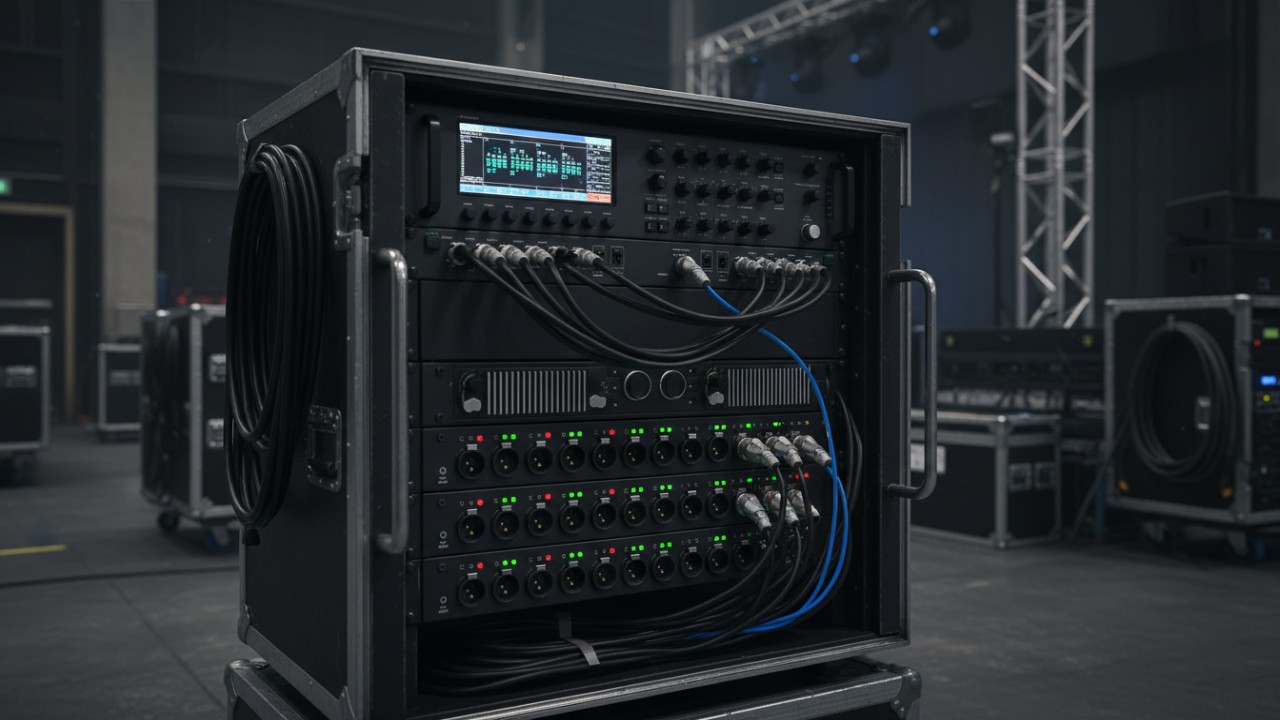
When evaluating a new system, look for the following features:
- Channel Count and Output Capacity: Evaluate 6-channel vs. 12-channel packs and thoroughly understand the amperage limits per channel (e.g., 10A vs. 20A). This dictates how many fixtures you can daisy-chain safely.
- TruePower and Relay Modes: Having the ability to switch a channel to "constant hot" or pure relay mode is critical for modern intelligent lighting, which requires un-dimmed, constant power.
- Protection Circuitry: The importance of high-quality magnetic circuit breakers over cheap fuses cannot be overstated. Magnetic breakers offer rapid response and instant reset capabilities mid-show.
- Filtering and Chokes: Analyze the rise time (measured in microseconds). A higher rise time choke ensures quiet operation and minimizes filament hum on stage, which is vital for theatrical and broadcast environments.
The Evolving Landscape: 2026 Trends in Dimming Technology
By 2026, DMX512 power distribution has shifted from traditional dimming to smart, hybrid power networks. This transition embraces advanced RDM capabilities for real-time monitoring and prioritizes energy-efficient standby modes to accommodate modern LED-heavy installations.
The landscape of stage lighting is rapidly transforming through several key trends:
- Transition to Smart Power Distribution: The industry is completing the shift from traditional dimming to smart power distribution networks as hybrid LED rigs dominate the market.
- Advanced RDM Capabilities: RDM is now a baseline standard. As detailed by Wikipedia, Remote Device Management (RDM) is a bidirectional communication protocol that extends the DMX512 standard. This enables lighting directors to monitor rack temperature, voltage, and load status directly from the console.
- Energy Efficiency: Eco-friendly standby modes are being integrated to drastically reduce the idle power draw of large-scale theatrical installations, helping venues meet strict environmental regulations.
Common Mistakes and Expert Troubleshooting Tips
The most common mistakes in rack dimmer setups include overloading channel capacities, skipping DMX terminators, ignoring thermal ventilation, and improper grounding. Resolving these requires strict wattage calculations, proper data termination, and adequate rack spacing.
Avoid these pitfalls by following expert troubleshooting practices:
- Overloading the Rig: Always use the formula W = V x A (Watts = Volts x Amps) to calculate maximum safe loads per channel. Never guess your power draw.
- Signal Reflection: Skipping a DMX terminator at the end of your daisy-chained dimmer rack can cause flickering and erratic behavior. A simple 120-ohm resistor stops data reflection.
- Thermal Mismanagement: Ensure proper ventilation space between heavy-duty amplifier/dimmer packs to prevent thermal shutdown mid-show. Heat is the enemy of electronics.
- Ground Loops: Identify and resolve hums and buzzes caused by improper grounding in temporary touring power setups by ensuring all equipment shares a common earth ground.
Industry-Leading Solutions and Setup Configurations
Top-tier rack dimmer DMX configurations integrate robust hardware into permanent architectural builds and rugged touring cases, providing zero-latency control, advanced relay hybrid features, and seamless compatibility with industry-standard consoles.
Building a world-class system requires trusted partnerships and proven engineering:
- Rugged Integration: Integrating top-tier robust rack dimmer DMX solutions into both permanent architectural builds and rugged touring flight cases ensures longevity and reliability on the road.
- Real-World Experience: At Guangzhou RGB Lighting Equipment Co.,Ltd., founded in 1996, we specialize in manufacturing intelligent, reliable, and high-performance solutions. By deploying systems for landmark events like the Beijing Olympics and Shanghai World Expo, we understand that certified (ISO9001, CE, RoHS) stability is non-negotiable.
- Case Study: We recently observed how upgrading a mid-sized theater to a modern DMX/RDM relay and dimming hybrid rack completely eliminated power failures and improved show safety. Specifically, integrating a premium theatre dimmer rack guarantees zero-latency control, rugged durability, and allows venues to seamlessly transition between tungsten fixtures and LED moving heads without swapping hardware.
Conclusion
Reliable DMX power control is the invisible backbone of any successful production, bridging the gap between digital creativity and physical illumination. By understanding load capacities, modern protocols like RDM, and the shift toward hybrid power distribution, you can future-proof your lighting infrastructure and ensure flawless execution night after night.
Contact us today to optimize your theater lighting power control strategy.
What is the difference between a DMX dimmer pack and a switch pack?
A dimmer pack varies the voltage sent to a light, allowing it to fade up and down smoothly. A switch pack (or relay pack) simply turns the power entirely on or completely off, which is necessary for equipment that cannot be dimmed, like moving lights or standard LEDs.
Can you use a DMX rack dimmer with LED lights?
Standard dimmers should not be used to dim typical LED stage lights, as LEDs require constant power and receive their dimming instructions via DMX data directly. However, you can use a dimmer rack with LEDs if the channel is set to "non-dim" or "relay mode" to act as a hard power switch.
How many channels do I need for my stage lighting setup?
The required channel count depends on how many individual, independently controlled conventional lighting fixtures you have. A 4-channel pack controls 4 distinct zones, while a 24-channel rack allows for highly detailed, individual control over a large theatrical rig.
What does DMX512 stand for?
DMX512 stands for Digital Multiplex with 512 pieces of data. It is the standard digital communication protocol used to control stage lighting and effects, allowing one data cable to transmit 512 individual channels of control information.
How do I calculate the power load for my DMX dimmer?
Use the formula: Watts = Volts x Amps. If you have a 120V system and a channel is rated for 10 Amps, the maximum safe load is 1200 Watts. Never exceed this maximum wattage per channel, and ensure the total draw of all channels combined does not exceed the dimmer rack's main breaker limit.
Why is my rack dimmer buzzing or making noise?
Buzzing is often caused by "filament sing" in traditional bulbs due to the rapid chopping of the AC power wave by the thyristor components. Higher-quality dimmers use better chokes to smooth out the waveform, and advanced Sine Wave dimmers eliminate the noise completely.
Do I need single-phase or three-phase power for a 12-channel dimmer?
It depends on the specific dimmer pack and the total power draw required. Smaller setups operate fine on single-phase power, but larger 12-to-24 channel touring racks usually require three-phase power to safely balance and distribute massive electrical loads.
What is the purpose of a DMX terminator in a dimmer rack setup?
A DMX terminator is a 120-ohm resistor plugged into the DMX OUT port of the last device in a daisy chain. It absorbs the data signal and prevents it from reflecting back down the cable, which can cause erratic behavior, flickering, and loss of control.
Ethernet DMX Node vs Wireless DMX: Pros and Cons
Top 8 Ethernet DMX Nodes for Theaters and Concerts
How to Choose the Right DMX Controller for Your Venue
Custom vs Off-the-Shelf Stage Dimmer Solutions for Buyers
Distributors
Do you offer regional exclusive agency agreements?
Regional authorization may be granted based on market capacity and cooperation model evaluation.
What are the after-sales support methods?
Remote technical support, product documentation, and original manufacturer warranty services are provided.
About RGB
What types of lighting control systems do you support?
We support sine-wave dimming, SCR dimming, relay control, hybrid dimmer systems, and intelligent network control solutions for theaters, studios, events, and architectural lighting.
Can your dimmer cabinets integrate with third-party lighting consoles?
Yes. Our systems follow international protocols and can seamlessly integrate with major global brands through DMX, RDM, Art-Net, and sACN.
How do you ensure product stability during large-scale events?
All products undergo rigorous testing, long-duration load simulation, and multi-standard verification to guarantee stable performance in demanding environments.
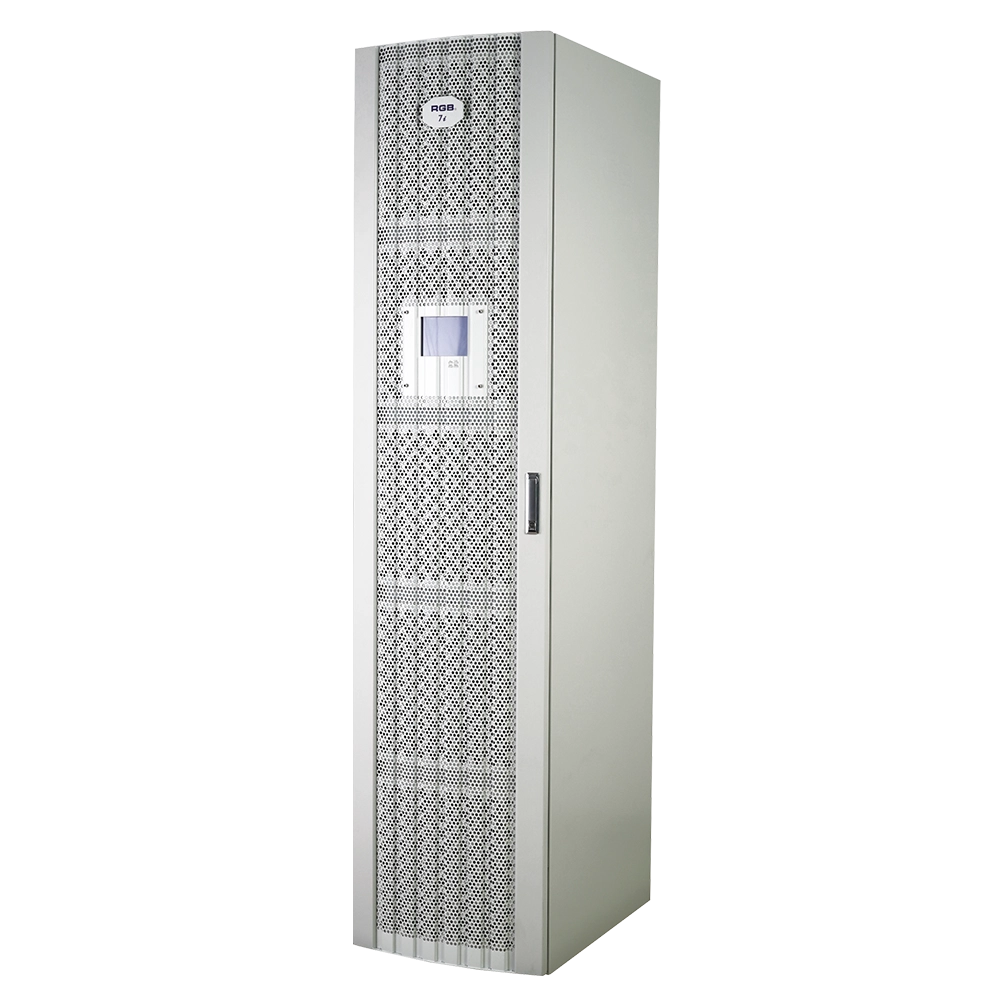
7i Dimmer/Relay Racks
7i is RGB independent research and development, with completely independent core technology, full digital decoding technology dimming racks, using a dual system, double decoding, double trigger, and duplex dual backup central decoding processor, with thyristor, relay, dimming relay mixed and other output configurations, supporting a visual lighting control system, intuitive display of dimming racks' online and offline status, and remote monitoring.
It is widely used in performing arts and cultural venues such as theaters, concert halls, multi-function halls, cultural travel and performing arts, TV stations, gymnasiums, auditoriums, commercial art lighting and so on.
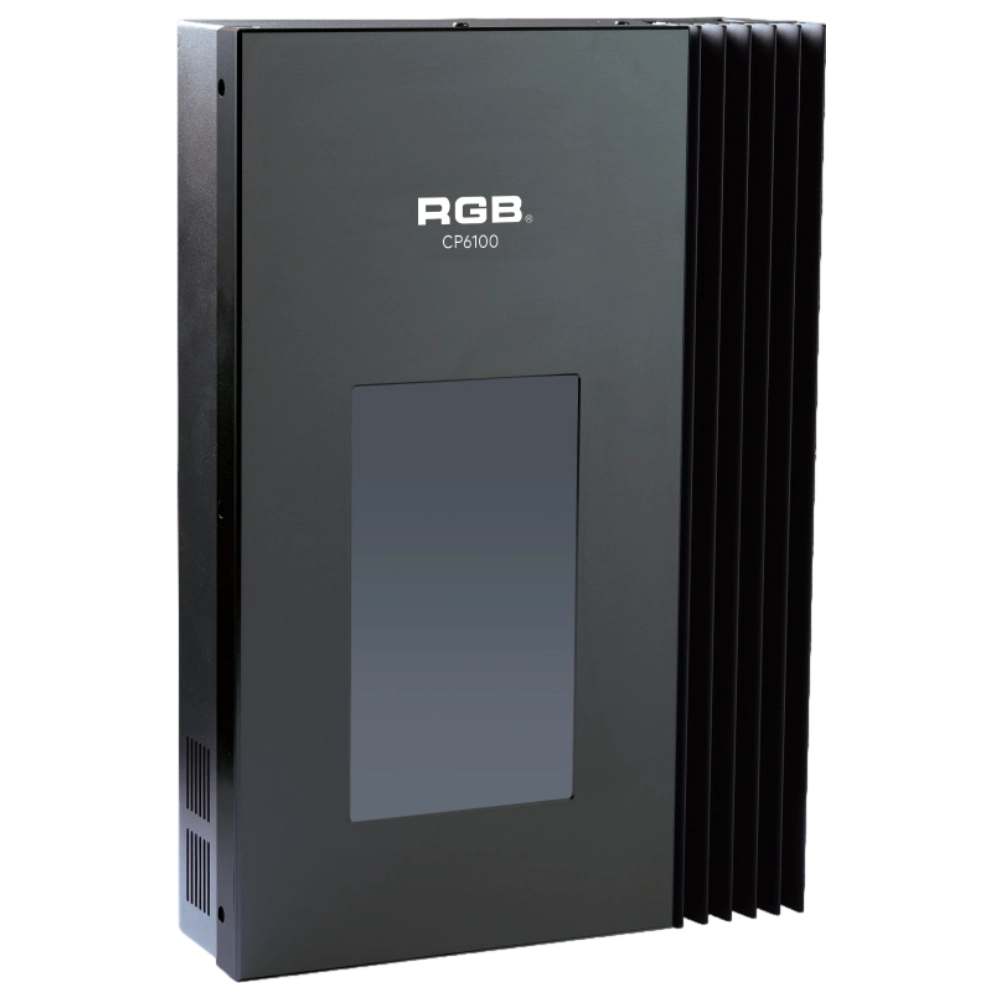
CP6100 Light Control System
The lighting control host is the main control device for theater stage lights, work lights, environmental lighting, commercial art lighting, sports venue lighting, and other places. By connecting the dedicated lighting control panels CP6104 and CP6108, it realizes the central control of the lighting system, supports a visual lighting control system, and intuitively displays the online and offline status of CP6100. Realize remote monitoring, editing, and setting of corresponding parameters.
It is widely applicable to theaters, cinemas, auditoriums, stadiums, museums, exhibition halls, cultural tourism performances, commercial art lighting, and other places.
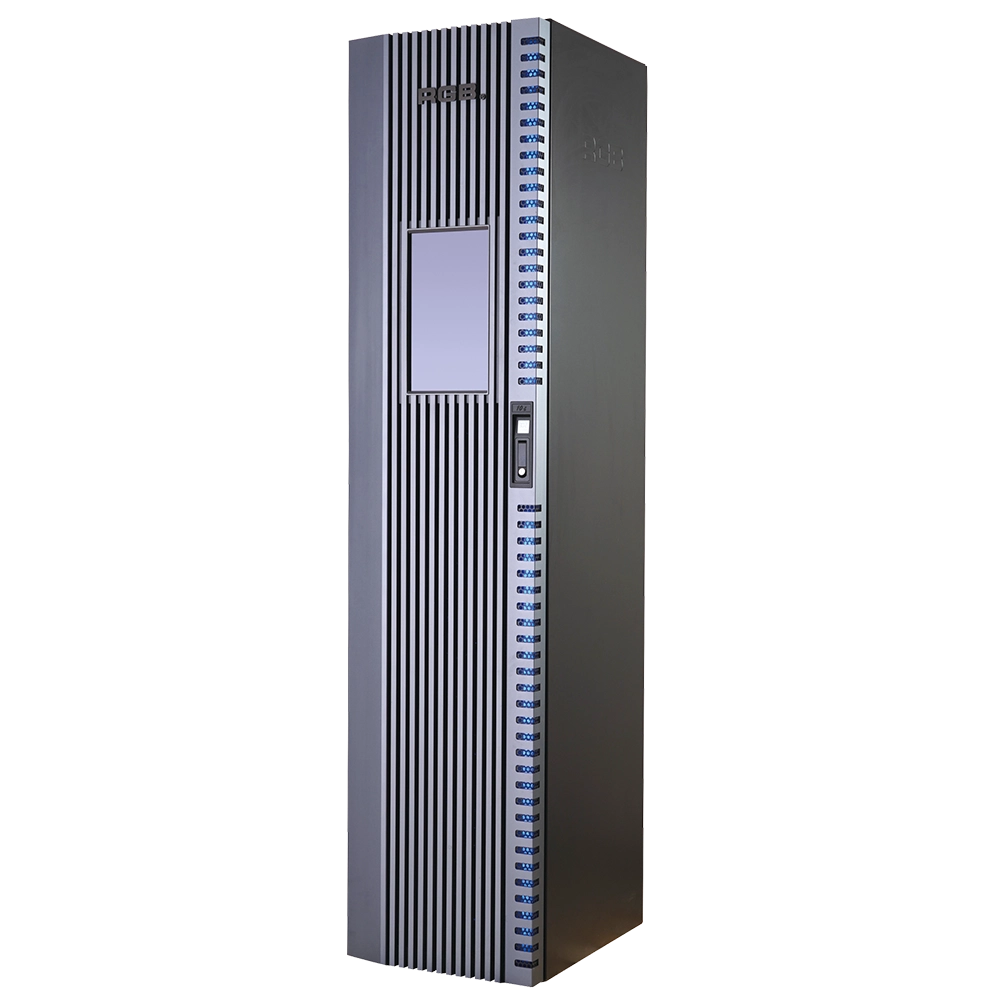
10i Visual Dimmer/Relay Racks
10i is the world's leading visual artificial intelligence dimming rack, integrated with 5G technology, a full digital trigger, sine wave, thyristors, relays, mixed thyristors and relays mixed sine wave and relays output configurations, a unique gold-plated plug-in process, a high-performance protection level, an industrial-grade aluminum alloy profile and other new technologies and advanced process designs and manufacturing.
It is suitable for the lighting control needs of different places such as high-standard grand theaters, TV stations, gymnasium and environmental intelligent lighting.
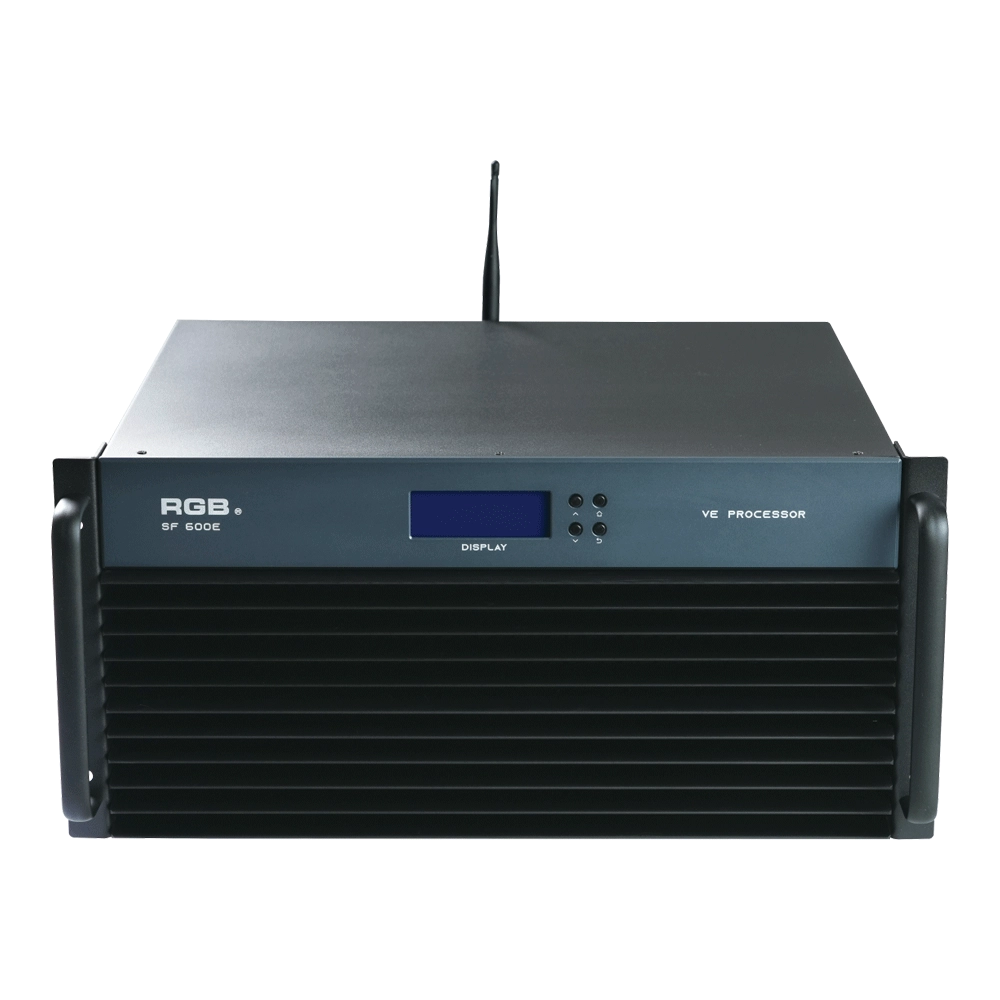
SF600E Visual R-net environment processor
The SF600E Visual R-net environment processor by RGB delivers advanced performance for visual systems. As a leading visual systems manufacturer, RGB ensures seamless integration and high reliability, making SF600E ideal for complex visual processing needs in diverse environments.
Expert Support
Interested in learning more or need expert guidance related to this article? Fill in your details, and our team will provide tailored support.
Intelligent Control. Brilliant Performance.
RGB specializes in stage lighting control systems, delivering intelligent, reliable, and high-performance solutions for theaters and performance spaces worldwide.
Contact
Email:
Tel:
+86 20 3928 0245
+86 20 3928 0247
Address:
No.3, Huashan Road, Shilou Town, Panyu, Guangzhou, China.
Whatsapp: +8615975520131