
The Ultimate Guide to LED Stage Lighting Dimmers in 2026: Pro Tips for Flawless Shows
- What is an LED Stage Lighting Dimmer?
- Key Takeaways: Navigating Stage Dimming in 2026
- The Science of Dimming: PWM vs. Constant Current vs. Analog
- Dimming Technology Comparison
- How to Prevent Flickering and Ghosting in Your Flawless Show
- Expert Tips & Common Mistakes in Stage Dimming Setup
- 2026 Trends: Cloud-Based Management and Intelligent Network Dimming
- Industry Leading Solutions: Why Global Venues Trust RGB's Hybrid Dimmers
- Conclusion
- FAQs About led stage lighting dimmer
- What is the difference between a dimmer pack and a dimmer rack?
- Can I use standard incandescent dimmers for LED stage lights?
- How does Pulse Width Modulation (PWM) work in stage lighting?
- Why are my LED stage lights flickering on camera?
- What does DMX512 stand for in lighting control?
- What is intelligent network dimming?
- What is a hybrid dimmer solution?
- How do I calculate the power load for my stage lighting dimmer?
What is an LED Stage Lighting Dimmer?
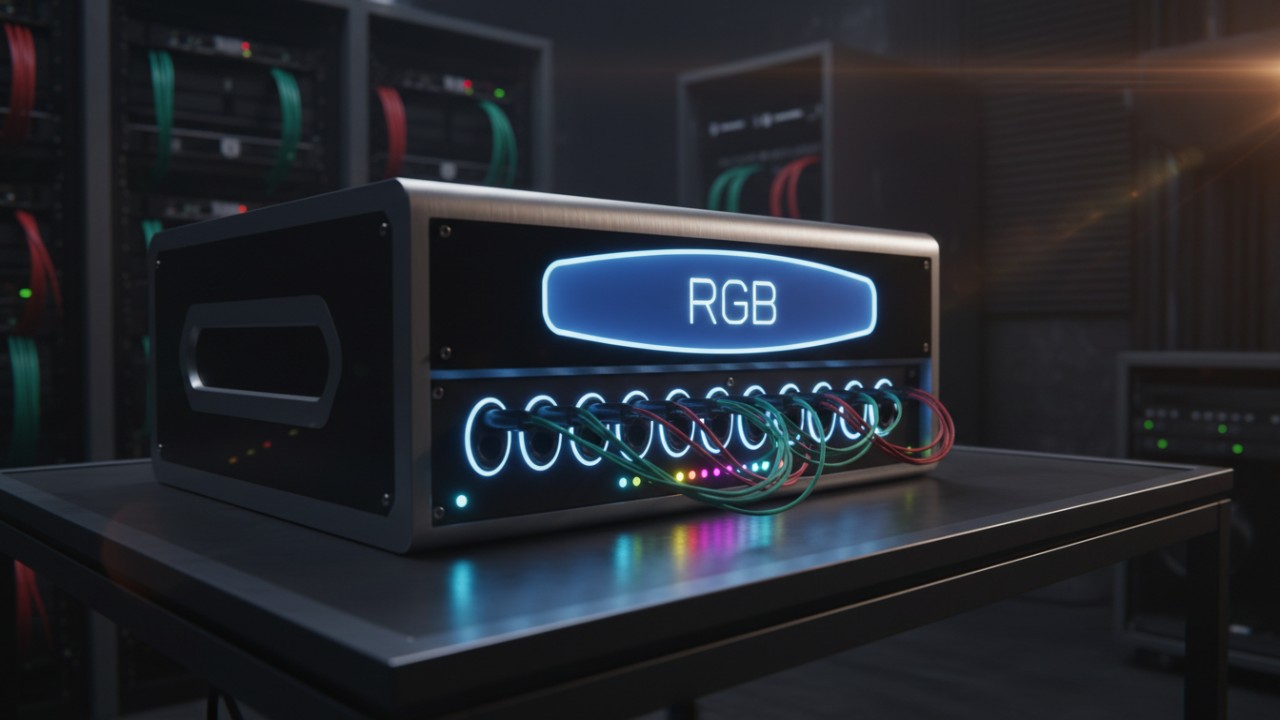
An led stage lighting dimmer is a critical control device that regulates the signal or voltage sent to LED fixtures, allowing technicians to adjust brightness smoothly. Unlike traditional incandescent dimmers, modern LED controllers rely on digital data protocols to execute flawless, color-accurate illumination.
In 2026, the technological shift from basic architectural dimming setups to highly sophisticated, responsive control systems is fully complete. Modern productions demand absolute precision to ensure lighting designs translate perfectly from the console to the stage. By leveraging advanced digital communication rather than merely choking AC electrical current, these modern controllers provide precise, flicker-free LED dimming for professional theater, studio, and large-scale stage performances.
- Precision Control: Modern LED dimmers regulate voltage without causing the color shifting frequently seen in older incandescent models.
- Digital Integration: They rely heavily on DMX512 protocols rather than direct analog AC voltage alterations, ensuring lightning-fast response times.
- Seamless Operation: Specialized circuitry prevents stroboscopic effects and visual artifacts, which is crucial for shows that are broadcast on television or streamed online.
Key Takeaways: Navigating Stage Dimming in 2026
Navigating stage dimming in 2026 requires understanding the shift from traditional analog systems to intelligent network dimming and cloud-based management. Modern venues must prioritize hybrid systems and multi-protocol support for versatile, scalable event integration to ensure zero-failure live performances.
As productions grow more complex—often blending traditional tungsten fixtures with modern moving heads and LED walls—lighting designers and technical directors must spec the right equipment to ensure bulletproof reliability. Failing to utilize up-to-date dimming hardware can lead to network latency, visual glitches, or total fixture failure during a critical cue.
- Protocol Upgrades: The industry has aggressively transitioned from basic, isolated setups to fully integrated intelligent network dimming ecosystems.
- Dimming Science: Recognizing the critical operational differences between constant current regulation and PWM dimming technology is essential for maintaining color integrity.
- Versatile Hardware: Prioritizing hybrid dimmer solutions that offer multi-protocol support is a must, creating excellent Options for Touring Acts that encounter different technical limitations at every venue.
- Broadcast Safety: Always specify high-refresh-rate dimmers for any performance that involves professional videography, fast shutter speeds, or live broadcasting to avoid visual anomalies.
The Science of Dimming: PWM vs. Constant Current vs. Analog
The science of dimming dictates how lighting hardware interprets control signals to reduce brightness. The three primary methods include Pulse Width Modulation (PWM), Constant Current, and Analog dimming, each offering distinct advantages and limitations for modern LED fixture integrations.
Understanding the underlying electronics is vital for any lighting professional. As reported by Wikipedia, Pulse Width Modulation (PWM) is a method of representing a signal as a rectangular wave with a varying duty cycle, effectively controlling the average power delivered to electrical loads. By turning the LED on and off at speeds undetectable to the human eye, PWM simulates lower brightness without altering the actual diode voltage. Conversely, constant current changes the electrical flow directly, while traditional analog cuts into the AC sine wave.
Dimming Technology Comparison
| Dimming Technology | How It Works | Best Use Case | Pros & Cons |
|---|---|---|---|
| PWM (Pulse Width Modulation) | Rapidly toggles voltage on and off at extremely high frequencies to alter perceived brightness. | Modern LED stage fixtures, theatrical productions, and broadcast environments. | Pros: No color shift at low intensities, highly accurate control. Cons: Can cause camera flicker if the hardware's refresh rate is too low. |
| Constant Current | Physically reduces the actual direct current (amperage) flowing to the LED diode. | Architectural lighting, house lights, and simple static LED installations. | Pros: Highly energy-efficient, zero risk of stroboscopic flicker. Cons: Can cause noticeable color temperature shifting at very low brightness levels. |
| Analog / TRIAC | Chops the AC sine wave (originally designed for tungsten and halogen bulbs). | Legacy theater setups utilizing traditional incandescent fixtures. | Pros: Cost-effective for older, existing theatrical infrastructures. Cons: Notoriously problematic for modern LEDs, often requiring specialized load resistors to prevent strobing. |
How to Prevent Flickering and Ghosting in Your Flawless Show
Preventing flickering and ghosting requires operating your LED dimmers at high refresh rates and ensuring clean digital signal paths. By matching dimmer frequencies with camera frame rates and utilizing proper DMX termination, technicians guarantee crystal-clear, broadcast-safe visual experiences.
The dreaded "flicker problem" occurs when the low PWM refresh rate of an LED fixture clashes with the high-speed shutter or frame rate of a modern digital camera. This creates rolling dark bands across the screen. Additionally, "ghosting"—where LEDs remain faintly illuminated even when the lighting console fader is at zero percent—plagues poorly configured rigs.
- Choosing High-Refresh Rate Dimmers: To ensure your equipment is broadcast-safe, always verify that your dimmers operate well above 3,000Hz. For high-end 4K and 8K broadcasting, elite lighting rigs utilize PWM frequencies of 10,000Hz or higher.
- Solving DMX Ghosting: Address residual voltage in the DMX line. Ghosting usually occurs due to induced current or a lack of proper signal isolation in long cable runs.
- Maintaining Signal Integrity: Use proper DMX terminators (a 120-ohm resistor placed at the end of the DMX chain) and optically isolated splitters. As noted by Wikipedia, a DMX512 network employs a multi-drop bus topology, meaning signal reflections can cause erratic fixture behavior if the end of the data line is not properly terminated.
Expert Tips & Common Mistakes in Stage Dimming Setup
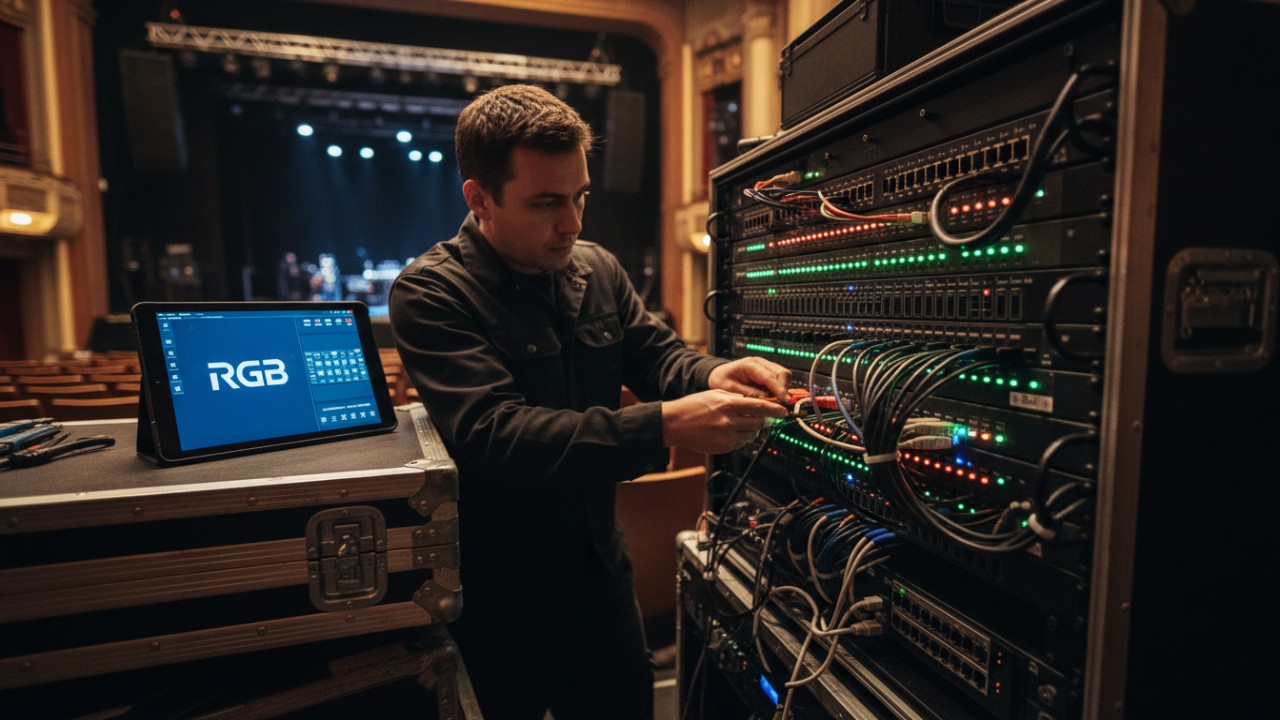
Proper stage dimming setup relies on calculating safe wattage loads, grouping compatible fixtures, and implementing proactive thermal management. Avoiding basic installation errors prevents catastrophic hardware failures and network drops during live, high-stakes theatrical and broadcast performances.
Even with the most expensive, top-tier lighting equipment, human error during the rigging and patching phase can compromise a show. Technical directors must enforce strict power management and data hygiene rules to ensure their hardware performs optimally under pressure.
- Overloading the Dimmer Pack:
- Mistake: Pushing a DMX dimmer pack to its absolute maximum wattage capacity.
- Tip: Always calculate your maximum wattage and leave a strict 20% safety margin. Voltage spikes happen, and running equipment at 100% capacity drastically shortens its lifespan.
- Mixing Incompatible Fixtures:
- Mistake: Patching completely different fixture types (e.g., an LED par and a halogen profile) onto a single traditional dimmer channel.
- Tip: Group identical loads to ensure a uniform dimming curve. Mixed loads confuse the dimming processor and lead to erratic fading.
- Ignoring Thermal Management:
- Mistake: Stacking amplifier and dimmer racks without adequate airflow.
- Tip: Ensure proper ventilation and active cooling for your dimmer racks and relay cabinets to prevent overheating, thermal throttling, or fire hazards during complex, high-intensity shows.
- Neglecting Software Maintenance:
- Tip: Routinely update the firmware of your visualized control systems to patch DMX network vulnerabilities and improve processing efficiency.
2026 Trends: Cloud-Based Management and Intelligent Network Dimming
In 2026, the leading trend is the transition to intelligent network dimming and cloud-based management systems. This digital evolution allows technicians to visually map, monitor power consumption, and remotely troubleshoot massive dimmer grids via highly intuitive touchscreen interfaces.
The days of manually checking physical fuses and blindly pushing faders in a dark control booth are effectively over. Today's modern venues rely on data-rich ecosystems that provide real-time feedback on every single node within the lighting grid, massively reducing troubleshooting time and improving overall show safety.
- Visualized Control Systems: Modern software allows operators to map out massive dimmer grids on a 3D interface, making it simple to identify offline fixtures or routing errors at a glance.
- Cloud-Based Management: Lead technicians can now securely log into the venue's lighting network remotely, allowing them to diagnose relay rack issues or push firmware updates before they ever step foot in the building.
- Predictive Maintenance: Smart dimmers utilize onboard sensors to alert operators to voltage drops, phase imbalances, or thermal anomalies automatically, preventing failures before they happen.
- Sustainable Integration: The global push for eco-friendly venues has driven the integration of energy-monitoring hybrid dimmers, which help theaters meet stringent new global eco-standards by tracking and optimizing total kilowatt usage.
Industry Leading Solutions: Why Global Venues Trust RGB's Hybrid Dimmers
Global venues trust Guangzhou RGB Lighting Equipment Co.,Ltd. because of their unmatched experience in engineering intelligent, zero-failure stage lighting control systems. Their advanced hybrid dimmers seamlessly combine traditional relay switching with modern LED control for unparalleled multi-fixture integration.
Founded in 1996 and headquartered in Guangzhou, RGB is recognized as a National High-Tech and Specialized Innovative Enterprise. When the stakes are at their highest, top-tier venues cannot afford a single point of failure. RGB has built its reputation on delivering battle-tested reliability, successfully powering landmark, zero-failure events including the Beijing Olympics, the Shanghai World Expo, and the Asian Games.
- Pioneering Technology: RGB's advanced solutions feature visualized control systems, intelligent network dimming, and highly adaptable hybrid dimmer solutions that are backed by multiple national patents and software copyrights.
- Uncompromised Quality: Manufactured under strict ISO9001, CE, RoHS, EMC, and CQC standards, RGB's relay racks and power cabinets deliver the exact precision and long-term stability required by world-class theaters, cultural centers, and broadcast facilities.
- Future-Ready Infrastructure: Whether outfitting a new television studio or retrofitting a historic opera house, lighting professionals rely on the extensive lineup of RGB Products to empower their stages with smarter, more efficient control systems.
Conclusion
Mastering LED stage lighting dimmers in 2026 requires moving beyond basic DMX packs into the realm of intelligent, flicker-free, cloud-managed systems. Whether you are upgrading an aging theater infrastructure or designing a massive outdoor touring rig, choosing the right dimmer ensures flawless execution and stunning visuals. By prioritizing high-refresh-rate hardware, robust hybrid capabilities, and predictive network management, technical directors can guarantee their productions meet the highest broadcast standards without technical interruptions.
Contact us today to optimize your led stage lighting dimmer strategy.
FAQs About led stage lighting dimmer
What is the difference between a dimmer pack and a dimmer rack?
A dimmer pack is a smaller, often portable unit that controls 4 to 6 channels of lighting, ideal for mobile DJs or small stages. A dimmer rack is a large, enterprise-grade cabinet designed for permanent installation in theaters or arenas, capable of housing dozens of high-power dimming modules.
Can I use standard incandescent dimmers for LED stage lights?
No, standard incandescent dimmers (like old TRIAC wall dimmers) alter the AC voltage, which can cause LEDs to flicker, strobe unpredictably, or suffer permanent damage. LEDs require specialized dimmers that use Pulse Width Modulation (PWM) or constant current regulation.
How does Pulse Width Modulation (PWM) work in stage lighting?
PWM works by rapidly turning the LED voltage on and off thousands of times per second. By varying the width of the 'on' time versus the 'off' time, the dimmer tricks the human eye into perceiving a smooth reduction in brightness.
Why are my LED stage lights flickering on camera?
Flickering occurs when the camera's shutter speed or frame rate clashes with the PWM refresh rate of your LED dimmer. To fix this, professional setups use high-refresh-rate dimmers (typically above 3,000Hz) to ensure broadcast-safe, flicker-free lighting.
What does DMX512 stand for in lighting control?
DMX512 stands for Digital Multiplex with 512 channels of control. It is the universal digital communication protocol used to control stage lighting and effects, allowing consoles to dictate brightness, color, and movement to dimmers and fixtures.
What is intelligent network dimming?
Intelligent network dimming utilizes IP-based protocols (like Art-Net or sACN) combined with cloud-based management. It allows technicians to visually map, monitor power consumption, and remotely troubleshoot individual dimmers across a massive venue in real-time.
What is a hybrid dimmer solution?
A hybrid dimmer solution is a versatile control system that can handle both traditional dimming (for legacy halogen/tungsten fixtures) and non-dim relay switching (for intelligent moving heads and LEDs) within the same rack. This is essential for modern theaters transitioning to full LED setups.
How do I calculate the power load for my stage lighting dimmer?
Add up the maximum wattage of all lighting fixtures connected to a single dimmer channel. Ensure this total does not exceed the channel's maximum rated capacity (e.g., 1200W or 2400W), and always leave a 15-20% safety margin to prevent blown fuses or overheating.
Top Rack Mount Dimmers for Theaters and Live Events 2026
Rack Design and Cooling for High-Power Stage Dimmer Racks
Power Distribution and Dimmer Rack Size: Avoiding Overload
Top Dimmer Rack Brands: Definition, Features, Buying Tips
Distributors
What are the after-sales support methods?
Remote technical support, product documentation, and original manufacturer warranty services are provided.
What is the minimum order quantity for cooperation?
Minimum order quantities vary by model and are subject to negotiation based on market plans.
Do you offer regional exclusive agency agreements?
Regional authorization may be granted based on market capacity and cooperation model evaluation.
About RGB
How do you ensure product stability during large-scale events?
All products undergo rigorous testing, long-duration load simulation, and multi-standard verification to guarantee stable performance in demanding environments.
What types of lighting control systems do you support?
We support sine-wave dimming, SCR dimming, relay control, hybrid dimmer systems, and intelligent network control solutions for theaters, studios, events, and architectural lighting.
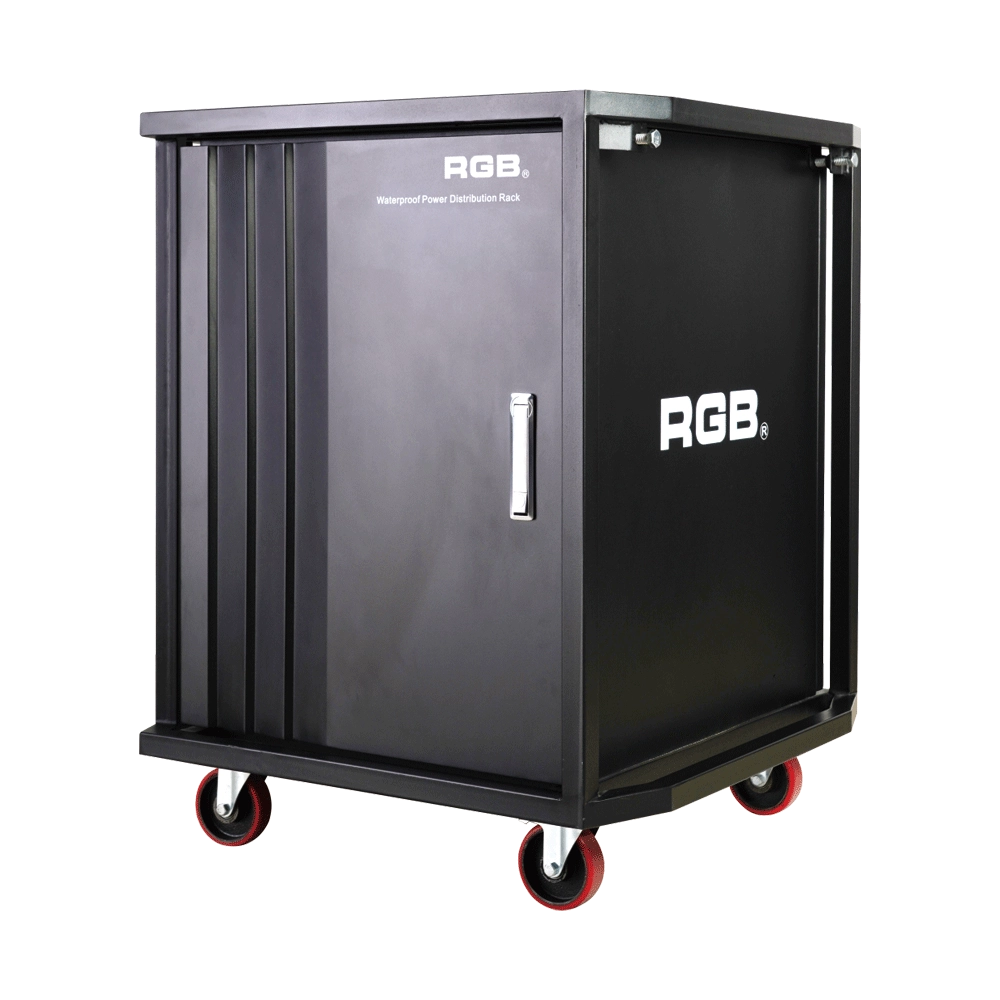
Multifunction Waterproofing Racks Of RGB-W Series
With the continuous development of flow performance, the requirement for performance is more demanding. In order to facilitate the transportation and make it easier to carry for all the equipment used in the performance, the stage light and sound equipment will be installed into a cabinet, for example, the power supply system. During the transportation process, it is inevitable for a collision or crash to take place. If the cabinet material is not strong enough, it may lead to deformation and even damage the equipment inside. Moreover, most of the existing cabinets are not waterproof. It will be very dangerous for the flow performance, as it is normal and inevitable to encounter rainy days. As the equipment inside the cabinets is electriferous, it might cause damage to the electronic equipment at least and even cause casualties at worst. Meanwhile, most of the existing cabinets can only be installed with one kind of equipment with a single variety.
In order to overcome the above-mentioned technical flaw, the RGB company has developed a new type of waterproofing multifunction cabinet of the W series. The waterproofing cabinet of the W series meets the need for the installation of dimming and tone-tuning devices, transportation, and utilization.
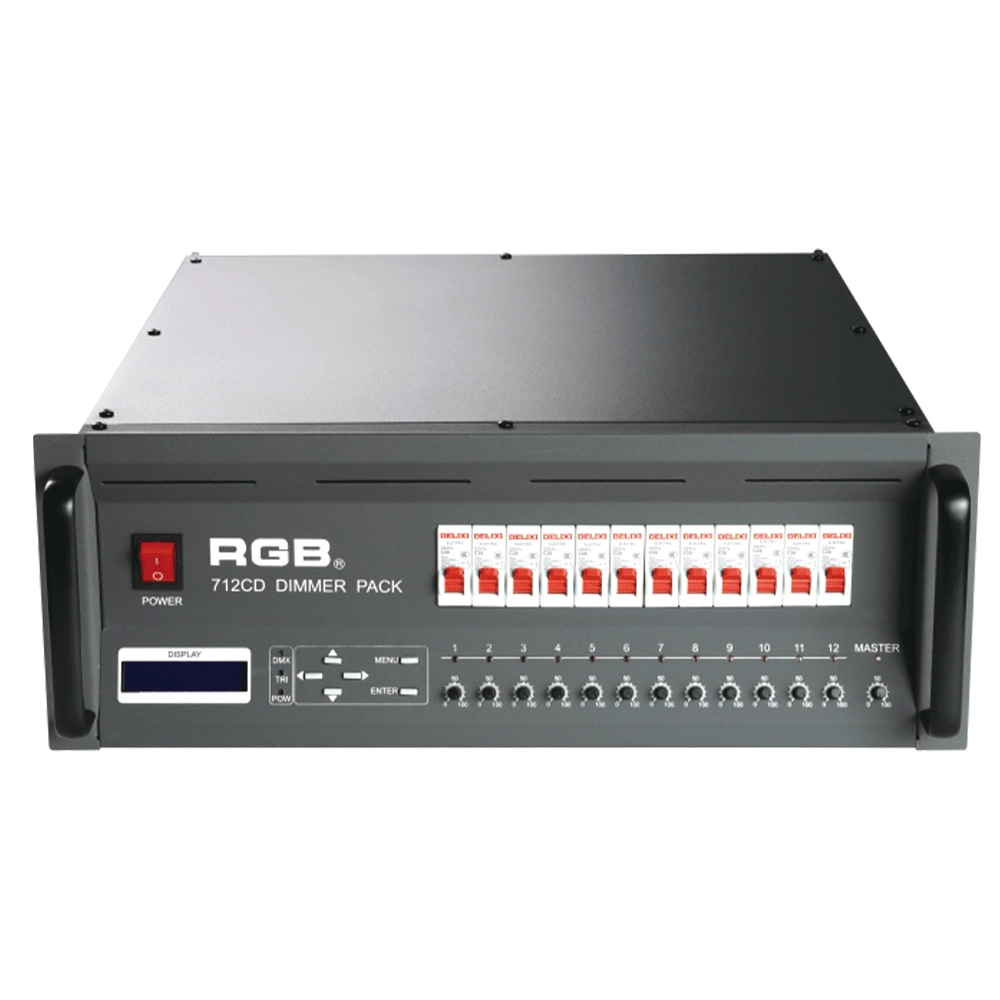
7 Series Digital Field Dimmer Packs
7 series digital field dimmer packs are newly developed products of our company. With DMX512 digital control signal input, they are compatible with other domestic and overseas digital lighting consoles. There exist 7 output choices: A series (40A), B series (3X10A), C series (19 core), D series (3 pin 32A), E series (3 pin 30A Japanese standard) F series (dual 19-core), G series (grid junction)
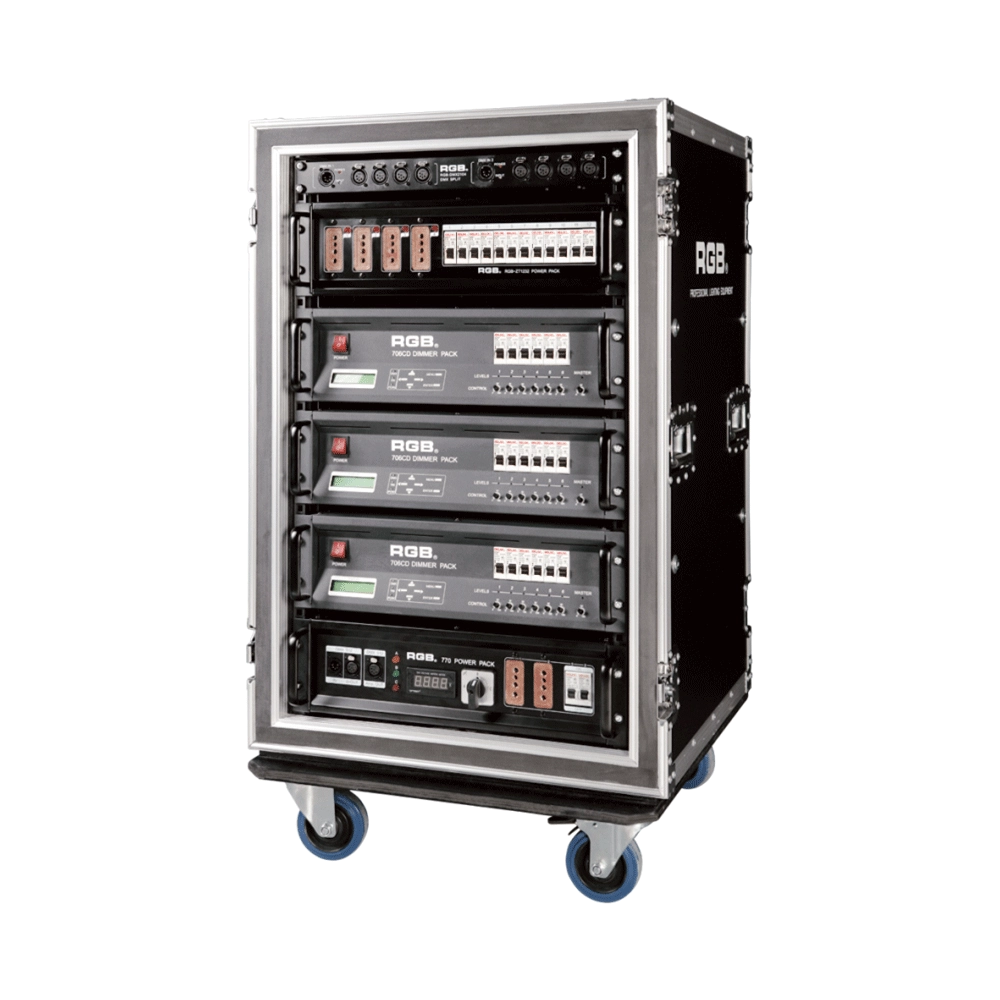
7 Series Digital Touring Dimmer Racks
7 Series digital touring dimmer racks can be assembled into many types of dimmer by taking the 7 Series dimmer as the unit. They are widely used in the entertainment industry for their convenience and practicability.
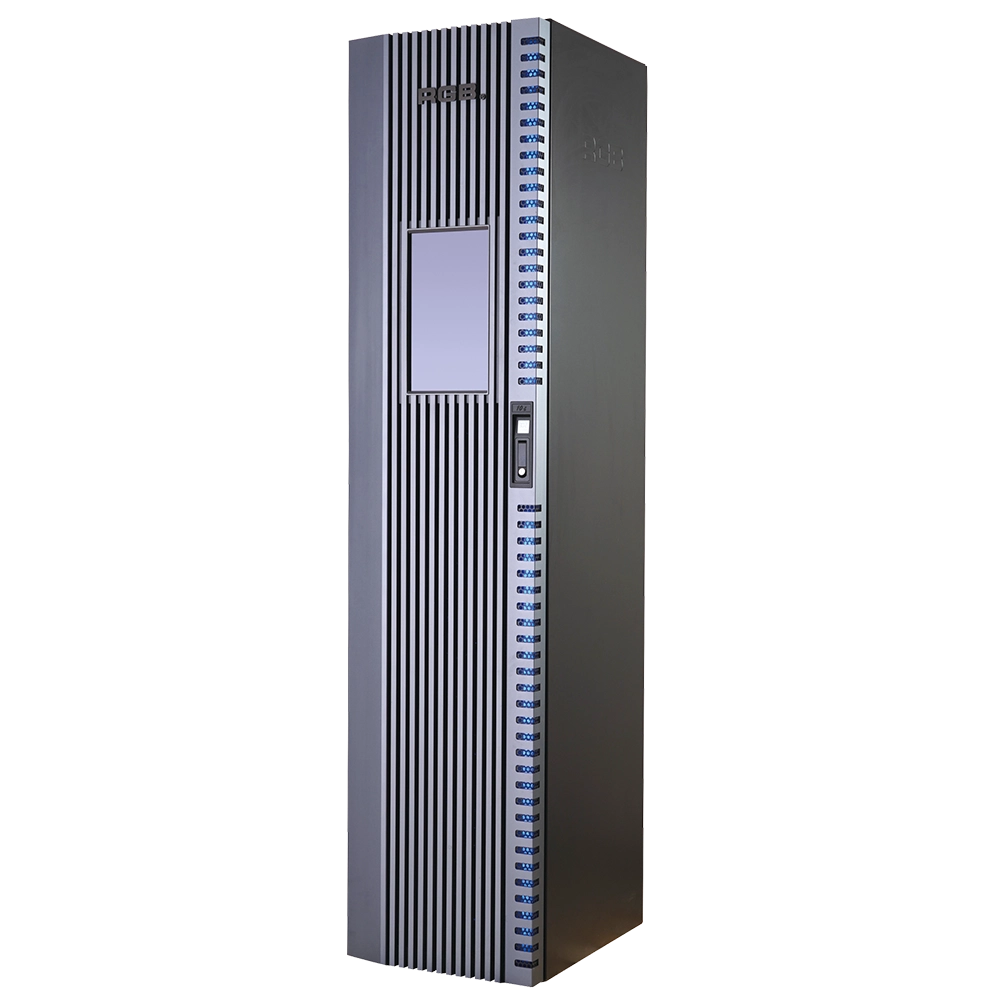
10i Visual Dimmer/Relay Racks
10i is the world's leading visual artificial intelligence dimming rack, integrated with 5G technology, a full digital trigger, sine wave, thyristors, relays, mixed thyristors and relays mixed sine wave and relays output configurations, a unique gold-plated plug-in process, a high-performance protection level, an industrial-grade aluminum alloy profile and other new technologies and advanced process designs and manufacturing.
It is suitable for the lighting control needs of different places such as high-standard grand theaters, TV stations, gymnasium and environmental intelligent lighting.
Expert Support
Interested in learning more or need expert guidance related to this article? Fill in your details, and our team will provide tailored support.
Intelligent Control. Brilliant Performance.
RGB specializes in stage lighting control systems, delivering intelligent, reliable, and high-performance solutions for theaters and performance spaces worldwide.
Contact
Email:
Tel:
+86 20 3928 0245
+86 20 3928 0247
Address:
No.3, Huashan Road, Shilou Town, Panyu, Guangzhou, China.
Whatsapp: +8615975520131