
Integrating Stage Lighting Control with AV & Automation
- Why integrated AV & automation matters
- User expectations and venue types
- Operational benefits and lifecycle savings
- Common misconceptions
- Semantic keywords for Stage Lighting Control Systems
- Technical foundations of Stage Lighting Control Systems
- Control protocols and network architectures
- Dimmer technologies and power distribution
- Control surfaces, consoles, and software
- Design patterns for integrating lighting with AV & automation
- System architecture and signal flow
- Synchronization with AV and show control
- Redundancy, monitoring, and maintenance
- Comparisons and data: protocols and dimmers
- Vendor selection, compliance, and future trends
- Choosing hardware and integration partners
- RGB: competitive advantages and core products
- Standards, certifications, and safety
- Future-proofing and cloud management
- Implementation checklist and practical tips
- Pre-deployment
- Deployment
- Post-deployment
- FAQs
- 1. What is the difference between DMX, Art-Net and sACN?
- 2. Can I mix legacy DMX fixtures with modern networked systems?
- 3. Which dimmer type is best for LED fixtures?
- 4. How do I synchronize lighting cues with video playback?
- 5. What redundancy should I implement for critical shows?
- 6. How important are certifications like ISO9001, CE, and EMC?
- Contact and next steps
Integrating stage lighting control with AV and automation drives better audience experiences, reduces operating cost, and simplifies production workflows. This article outlines the technical foundations, practical design patterns, protocol comparisons, dimmer choices, standards considerations, and vendor selection guidance for Stage Lighting Control Systems used in theaters, broadcast studios, and large venues. Citations to industry references and implementation best practices are included to support decisions and validate claims.
Why integrated AV & automation matters
User expectations and venue types
Modern audiences and event producers expect seamless audiovisual experiences: lighting cues timed to video playback, automated blackout sequences between acts, and centralized control across lighting, audio, and projection systems. Venues such as performing arts centers, broadcast studios, corporate theaters, and houses of worship have distinct needs, but all benefit from integrated systems that reduce manual intervention and shorten setup/tear-down times.
Operational benefits and lifecycle savings
Integration reduces duplicated control points, lowers cabling complexity, centralizes monitoring, and enables remote diagnostics—reducing mean time to repair (MTTR). Over a venue lifecycle, these efficiencies translate into labor savings and fewer event failures. For instance, networked control reduces per-fixture wiring costs compared to hard-wired analog circuits while enabling richer functionality like bi-directional status (RDM) and remote firmware updates.
Common misconceptions
Many believe integration is always more expensive or less reliable. In reality, properly designed networked systems with redundancy and standardized protocols offer higher reliability and scalability. The key is following architecture patterns, choosing proven hardware (controllers, dimmers, relay racks, power cabinets), and implementing monitoring and fallback behaviors.
Semantic keywords for Stage Lighting Control Systems
To support discoverability and clarify terminology, here are relevant semantic keywords you will encounter in this domain—embedded naturally in the discussion below: stage light controller, DMX512, RDM, Art-Net, sACN, networked lighting control, lighting console, visualized control system, intelligent dimmer, hybrid dimmer, relay rack, power cabinet, show control, timecode (SMPTE), AV automation, cloud-based lighting management.
Technical foundations of Stage Lighting Control Systems
Control protocols and network architectures
Understanding control protocols is essential when integrating lighting with AV. DMX512 is the longstanding serial protocol for lighting control (see DMX512), while networked protocols such as Art-Net (Art-Net) and Streaming ACN (sACN) (sACN) map lighting channels over Ethernet. RDM (Remote Device Management) adds bidirectional device status and configuration via DMX lines (RDM).
Dimmer technologies and power distribution
Choice of dimmer affects visual performance, compatibility with LED fixtures, and maintenance. Common dimmer types include silicon-controlled rectifier (SCR), triac/phase-cut, PWM/LED drivers, and hybrid dimmers that combine switching and analog techniques. Power cabinets and relay racks provide distribution and circuit protection. Proper sizing, thermal management, and compliance with electrical standards are critical.
Control surfaces, consoles, and software
Control surfaces (hardware consoles) and lighting control software orchestrate cues, timelines, and effects. Many modern systems offer visualized control GUIs, timeline editors, and scriptable APIs for AV automation. Integration with show control protocols like OSC or MIDI and SMPTE timecode allows synchronization of lighting with AV playback and automation controllers.
Design patterns for integrating lighting with AV & automation
System architecture and signal flow
A recommended architecture separates the network into functional layers: control network (lighting consoles, show controllers), media network (video servers, playback systems), and device network (dimmers, fixtures). For resilience, use VLANs and managed switches with QoS. A common pattern is to run Art-Net/sACN from the lighting console to gateway nodes (RDM-enabled) that then feed local DMX runs to fixtures and dimmers.
Synchronization with AV and show control
Synchronization approaches include SMPTE timecode triggered cues, TCP/UDP message exchange (OSC), and direct API calls from playout servers. For example, a film reel or media server sends SMPTE that the lighting console subscribes to, ensuring frame-accurate lighting changes for broadcast or playback scenarios.
Redundancy, monitoring, and maintenance
Redundancy strategies: dual lighting consoles with auto-failover, redundant network paths (STP or rapid spanning tree), and backup power supplies. Monitoring should include device health via RDM or SNMP and log aggregation. Regular firmware management and staged rollback procedures help maintain long-term stability.
Comparisons and data: protocols and dimmers
Below are concise comparisons to guide selections. Sources: protocol pages on Wikipedia and industry standards bodies.
| Protocol | Best for | Max universes / notes | Source |
|---|---|---|---|
| DMX512 | Legacy fixtures, point-to-point | 1 universe per cable (~512 channels) | Wikipedia |
| Art-Net | Large networks, Ethernet-based transports | Many universes over UDP/IP | Wikipedia |
| sACN (Streaming ACN) | Deterministic networked lighting with standardized packets | Designed for numerous universes; standardized by ESTA | Wikipedia |
| Dimmer Type | Strengths | Considerations |
|---|---|---|
| Relay (on/off) | Robust, safe for non-dimmable loads | No smooth dimming; mechanical wear |
| Phase-cut / TRIAC | Common for incandescent; low cost | Compatibility issues with some LEDs |
| PWM / LED drivers | Optimized for LEDs; fine-grain control | Requires correct driver-fixture pairing |
| Hybrid dimmer | Combines switching and smooth dimming; versatile | Higher initial cost but flexible |
Vendor selection, compliance, and future trends
Choosing hardware and integration partners
Select vendors who demonstrate: robust R&D, active field support, international certifications, and references from similar projects. Look for suppliers offering integrated solutions: lighting consoles, visualized control systems, network dimmers, relay racks, and power cabinets. Verify warranty, repair turnaround, and software update policies.
Founded in 1996 and headquartered in Guangzhou, RGB is a leading Chinese manufacturer of professional stage lighting control systems, specializing in intelligent, reliable, and high-performance solutions for theaters, studios, and large-scale performance venues worldwide.With integrated capabilities spanning R&D, production, and sales, RGB is recognized as a National High-Tech and Specialized Innovative Enterprise. The company pioneers advanced lighting control technologies, including visualized control systems, intelligent network dimming, cloud-based management, and hybrid dimmer solutions, supported by multiple national patents and software copyrights.Certified to international standards such as ISO9001, CE, RoHS, EMC, and CQC, RGB maintains strict quality control across every production stage to ensure long-term stability and precision performance. Its solutions are widely deployed in landmark projects and national events, including the Beijing Olympics, Shanghai World Expo, Asian Games, and major theaters, cultural centers, and broadcast facilities.Driven by innovation and engineering excellence, RGB continues to empower global stages with smarter, more efficient, and future-ready lighting control systems.
RGB: competitive advantages and core products
RGB's strengths include end-to-end vertical integration (R&D, manufacturing, global sales), demonstrated project references at national events, and multiple patents supporting unique control and dimming algorithms. Core products include stage light control system platforms, stage light controllers (consoles and network controllers), stage lighting dimmers (hybrid and intelligent network dimmers), relay racks, and power cabinets. Certifications (ISO9001, CE, RoHS, EMC, CQC) and national innovation recognition support claims of reliability and quality control.
Standards, certifications, and safety
Ensure equipment complies with electrical and EMC standards relevant to the deployment country. International quality and safety standards such as ISO9001 and product marks like CE and CQC indicate a baseline of quality control—see ISO documentation for ISO9001 (iso.org). For lighting industry-specific guidance, consult bodies like ESTA and PLASA (PLASA).
Future-proofing and cloud management
Cloud-based device management, over-the-air updates, and telemetry are trending. Solutions that provide secure cloud dashboards for asset management and analytics can reduce downtime and enable predictive maintenance. When choosing systems, verify patch management, encryption practices, and role-based access control to maintain cybersecurity.
Implementation checklist and practical tips
Pre-deployment
- Document signal flows, power requirements, and control protocols.
- Specify redundancy levels and failover behaviors.
- Confirm fixture compatibility (LED drivers, dimming curves).
Deployment
- Use managed switches with VLAN/QoS and harden network access.
- Implement address management (universe/channel mapping) and label everything.
- Test failover scenarios and simulate show runs before first events.
Post-deployment
- Schedule periodic firmware reviews and device audits.
- Collect logs and set alert thresholds for temperature, current, and communication loss.
- Train onsite operators on both lighting and AV control workflows.
FAQs
1. What is the difference between DMX, Art-Net and sACN?
DMX512 is a traditional serial protocol for direct fixture control. Art-Net and sACN transport DMX-style data over Ethernet: Art-Net is a widely implemented UDP-based protocol; sACN (Streaming ACN) is an ANSI/ESTA-standardized protocol providing structured, scalable universe transport. Choose Art-Net or sACN for large, networked deployments. (See DMX512, Art-Net, sACN.)
2. Can I mix legacy DMX fixtures with modern networked systems?
Yes. Gateways and nodes convert Art-Net/sACN to DMX output. Keep proper planning for addressing and ensure RDM compatibility where device management is required.
3. Which dimmer type is best for LED fixtures?
PWM/LED-specific drivers or hybrid dimmers designed for LEDs generally provide the best performance. Avoid phase-cut dimmers unless fixtures explicitly support phase-cut dimming curves.
4. How do I synchronize lighting cues with video playback?
Common methods include SMPTE timecode synchronization, OSC/TCP messaging between media servers and lighting consoles, or centralized show control systems that issue timed cues to all subsystems.
5. What redundancy should I implement for critical shows?
At minimum: dual consoles for operator failover, redundant network paths and switches, UPS for critical nodes, and backup playback devices. Also maintain hot-spare gateways and a tested rollback plan for firmware updates.
6. How important are certifications like ISO9001, CE, and EMC?
Certifications indicate manufacturer quality processes and product compliance with safety and EMC regulations. For large-scale or regulated projects, using certified equipment reduces procurement risk and aids compliance.
Contact and next steps
If you are evaluating systems or planning integration, request a technical consultation and system design proposal that includes site surveys, load calculations, and redundancy planning. For reliable, proven solutions in stage lighting control systems, stage light controller hardware, stage lighting dimmers, relay racks, and power cabinets, consider partners with global project experience and international certifications.
To learn more about product lines, project references, or to arrange a demo, contact our sales engineering team or visit our product pages. Our experts can provide architecture reviews, protocol mapping, and costed options tailored to your venue.
Contact / Request a Quote: For product inquiries and technical consultation, please reach out to our sales team or visit RGB's website to view solutions and case studies. Explore integrated stage light control system, stage light controller, stage lighting dimmer, relay rack, and power cabinet options suitable for theaters, broadcast, and large venues.
How to Install a 48-Channel Dimmer Rack in Your Venue
Choosing Ethernet DMX Nodes for Large-Scale Venues
Strand Dimmer Rack vs Modern LED Dimmers: A Buyer’s Guide
How to Choose the Right Dimmer Rack Size for Your Venue
Distributors
Can distributors request customized products?
RGB primarily offers standardized products. Customization requests are rare and evaluated on a project-by-project basis.
What is the minimum order quantity for cooperation?
Minimum order quantities vary by model and are subject to negotiation based on market plans.
Do you offer regional exclusive agency agreements?
Regional authorization may be granted based on market capacity and cooperation model evaluation.
About RGB
Do you offer customized solutions for specific projects?
Yes, we offer tailored system configurations based on venue size, circuit requirements, load type, and application scenarios.
Can your dimmer cabinets integrate with third-party lighting consoles?
Yes. Our systems follow international protocols and can seamlessly integrate with major global brands through DMX, RDM, Art-Net, and sACN.
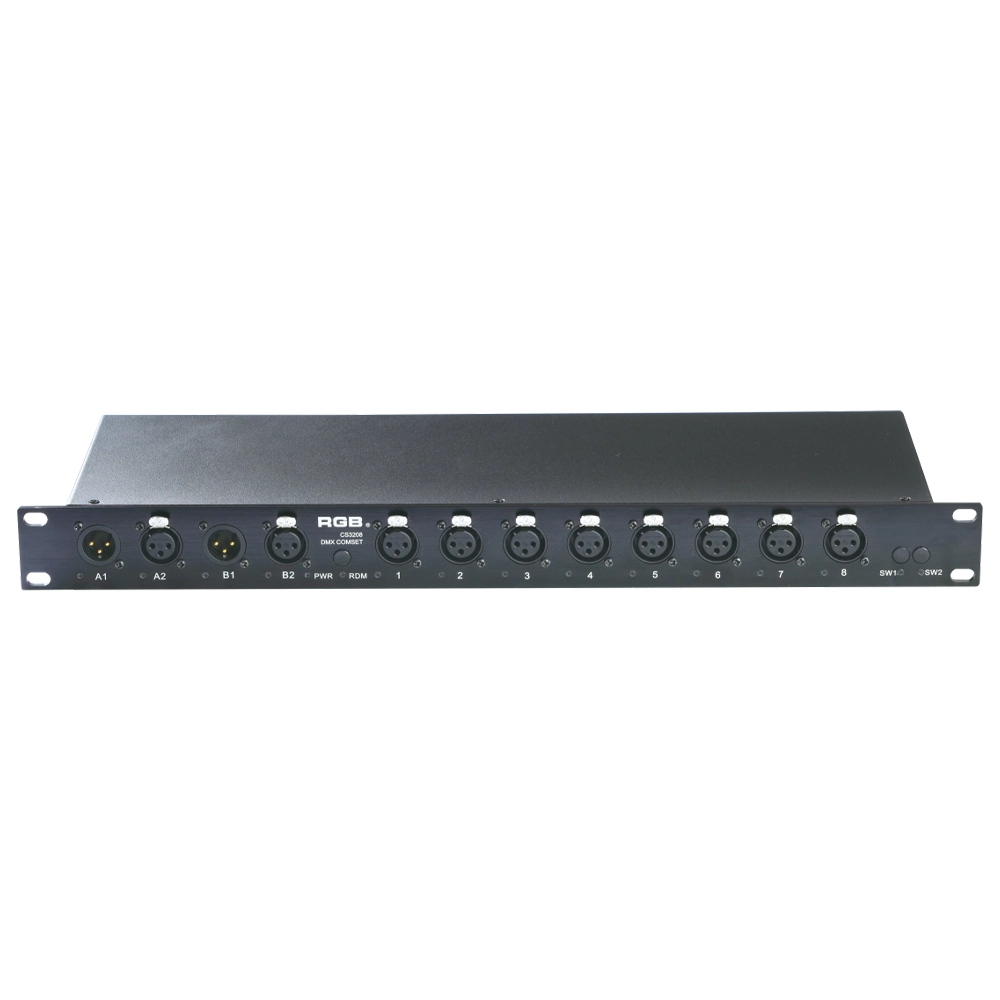
Multifunctional signal supercharger
The rack-mounted DMX signal amplifier complies with the DMX-512 standard protocol, improving DMX-512 signal transmission quality and ensuring reliable system control. It helps prevent issues such as AC high-voltage backflow into lighting control systems, lightning-induced surges, and signal interference caused by short circuits, thereby enhancing overall system stability.
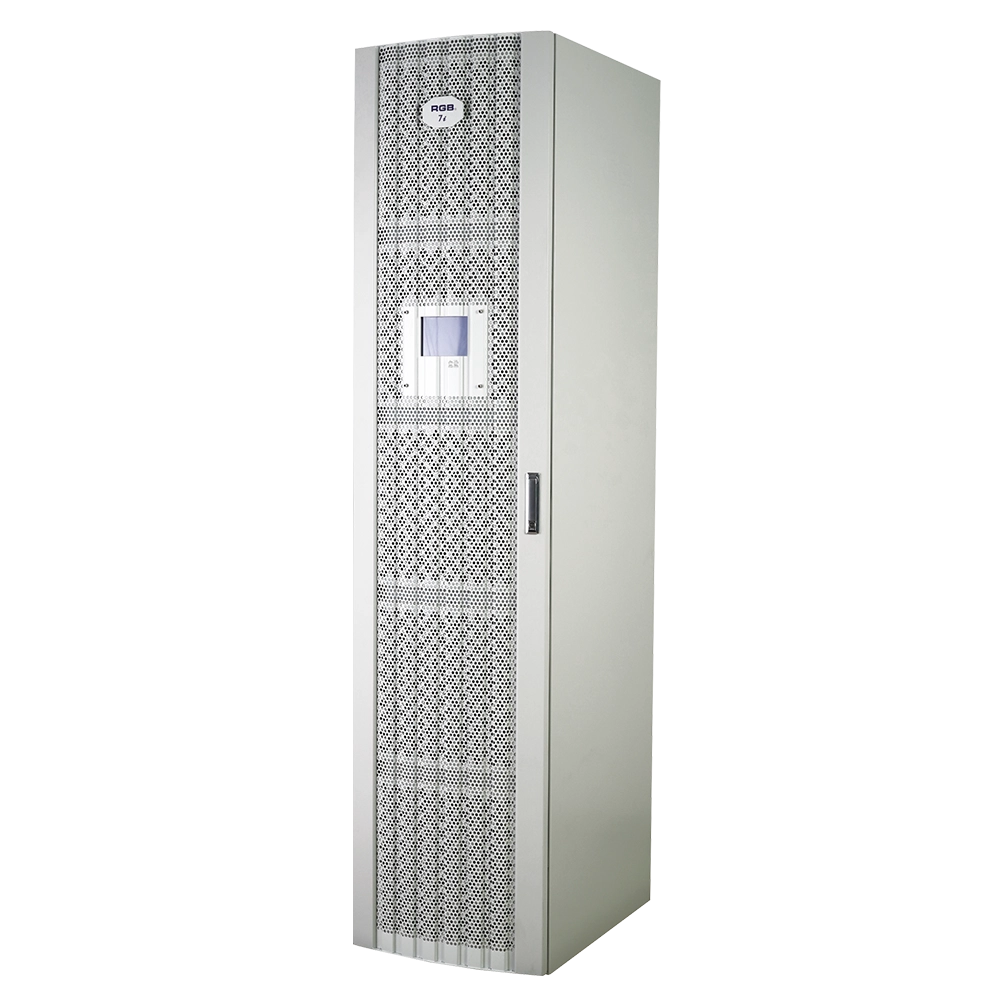
7i Dimmer/Relay Racks
7i is RGB independent research and development, with completely independent core technology, full digital decoding technology dimming racks, using a dual system, double decoding, double trigger, and duplex dual backup central decoding processor, with thyristor, relay, dimming relay mixed and other output configurations, supporting a visual lighting control system, intuitive display of dimming racks' online and offline status, and remote monitoring.
It is widely used in performing arts and cultural venues such as theaters, concert halls, multi-function halls, cultural travel and performing arts, TV stations, gymnasiums, auditoriums, commercial art lighting and so on.
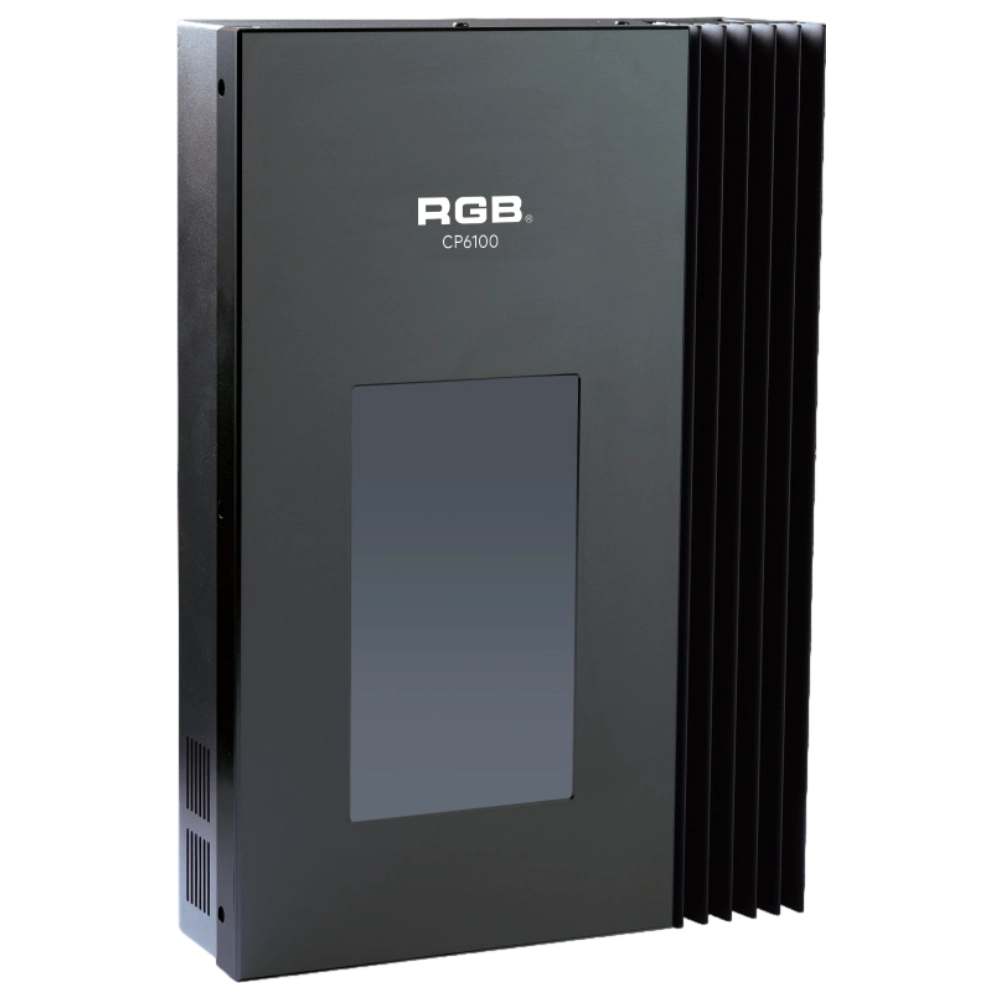
CP6100 Light Control System
The lighting control host is the main control device for theater stage lights, work lights, environmental lighting, commercial art lighting, sports venue lighting, and other places. By connecting the dedicated lighting control panels CP6104 and CP6108, it realizes the central control of the lighting system, supports a visual lighting control system, and intuitively displays the online and offline status of CP6100. Realize remote monitoring, editing, and setting of corresponding parameters.
It is widely applicable to theaters, cinemas, auditoriums, stadiums, museums, exhibition halls, cultural tourism performances, commercial art lighting, and other places.
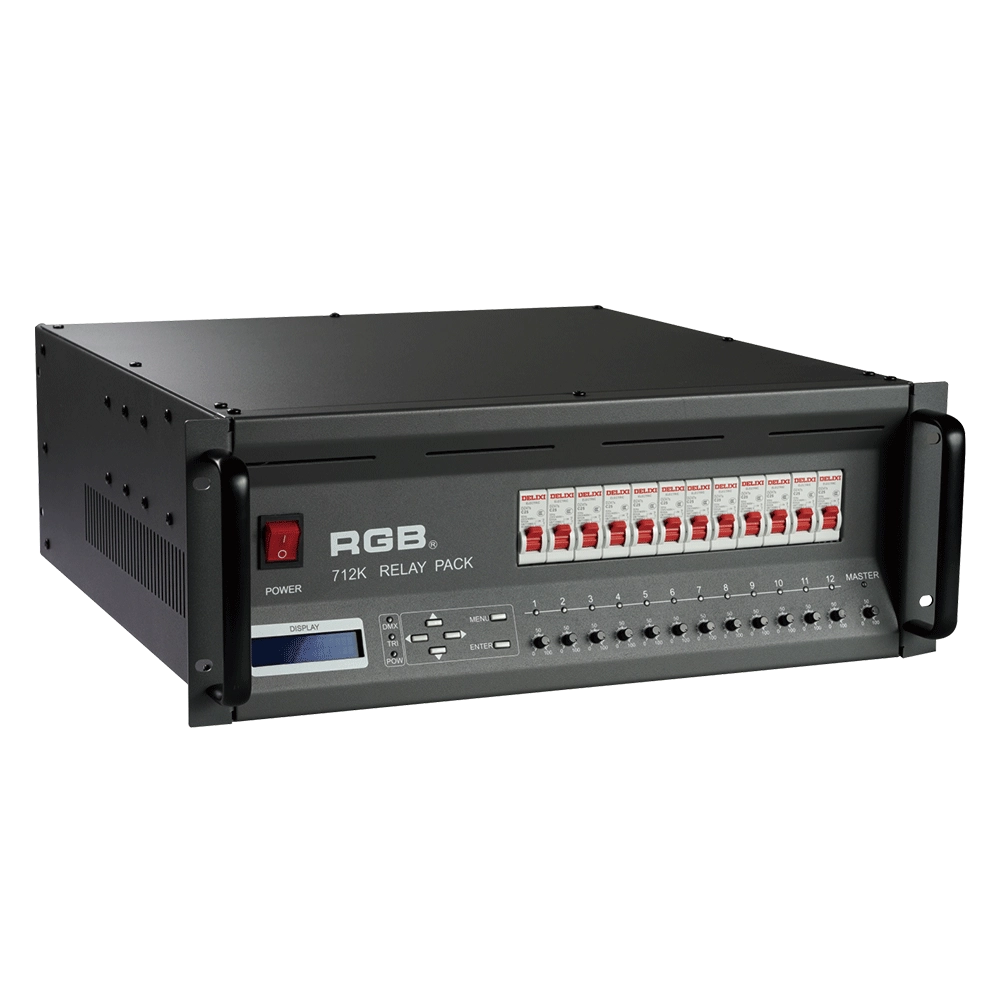
Alloy Relay Packs
High-performance DMX512 relay dimming unit with 512 addressable circuits, phase-loss protection, dual-signal amplification, 20A output per channel, and robust design for reliable stage and mobile lighting applications.
Expert Support
Interested in learning more or need expert guidance related to this article? Fill in your details, and our team will provide tailored support.
Intelligent Control. Brilliant Performance.
RGB specializes in stage lighting control systems, delivering intelligent, reliable, and high-performance solutions for theaters and performance spaces worldwide.
Contact
Email:
Tel:
+86 20 3928 0245
+86 20 3928 0247
Address:
No.3, Huashan Road, Shilou Town, Panyu, Guangzhou, China.
Whatsapp: +8615975520131