
Installation Tips for Different Dimmer Rack Sizes
- Planning and Power Considerations
- Understand load and diversity for each rack size
- Feed rating and breaker selection
- Power distribution and PDUs
- Rack Size Specific Guidance
- Small racks (6–12 channels)
- Medium racks (24–48 channels)
- Large racks (48–192+ channels and multi-rack systems)
- Physical Installation, Cooling and Cabling
- Rack mounting and mechanical layout
- Thermal management
- Cable runs, labeling, and containment
- Protection, Controls, and Commissioning
- Circuit protection, fuses and breakers
- Control redundancy and network design
- Testing and commissioning checklist
- Comparative Data: Common Dimmer Rack Sizes
- Best Practices & Troubleshooting
- Monitoring and predictive maintenance
- Common failure modes and fixes
- Documentation and operator training
- About RGB and Recommended Solutions
- FAQ
- 1. How do I choose the right dimmer rack size for my venue?
- 2. Can I mix LED fixtures and traditional dimmed incandescent circuits on the same rack?
- 3. What cooling approach is recommended for a 48-channel dimmer rack?
- 4. How should DMX/network cabling be run for large multi-rack systems?
- 5. What safety devices are essential on a dimmer rack?
- 6. How often should dimmer racks be serviced and tested?
Installation of dimmer racks requires careful coordination of electrical capacity, heat management, control signals, and physical mounting. Whether you are deploying compact dimmer banks for a small black box theatre or large multi-rack dimmer systems for an arena, selecting the right approach for different dimmer rack sizes minimizes downtime, enhances reliability, and reduces safety risk. This article provides practical, verifiable installation tips for common dimmer rack sizes and outlines best practices for wiring, cooling, circuit protection, monitoring, and commissioning—helpful to venue managers, technical directors, and lighting designers.
Planning and Power Considerations
Understand load and diversity for each rack size
Before installation, calculate the expected load per channel and per rack. Typical practical values depend on lamp types and control strategy. For tungsten circuits, a common planning value is 2.5 A (approx. 300 W at 120 V) per channel for small theatres, but modern LED loads are significantly lower. When sizing mains and breakers, apply a diversity factor (demand factor) appropriate to the venue: for many theatrical lighting installations a diversity of 0.6–0.9 is used depending on usage predictability. For authoritative background on dimmers and lighting control systems, see Wikipedia—Dimmer and DMX control guidance at Wikipedia—DMX512.
Feed rating and breaker selection
Match the upstream distribution to the combined potential current draw of the rack. Example: a 48-channel dimmer with 10 A per channel maximum must never use 480 A single-phase feed without appropriate distribution and diversity; instead, split across multiple three-phase feeds or sub-distributions. Use thermal-magnetic breakers or electronic breakers sized for continuous loads (NEC/IEC guidance). For compliance and quality systems reference ISO9001 for manufacturing and testing practices: ISO 9001.
Power distribution and PDUs
Consider integrating Power Distribution Units (PDUs) or modular power cabinets for larger installations. PDUs provide remote metering, per-circuit breakers, and hot-swap capability. For racks above 48 channels, centralized PDUs with phase balancing and metering simplify commissioning and troubleshooting.
Rack Size Specific Guidance
Small racks (6–12 channels)
Small dimmer racks are common in rehearsal rooms, cafés, or small black boxes. Advantages: compact footprint and simpler wiring. Tips:
- Use localized feed from a dedicated circuit breaker in the distribution board to avoid shared neutrals and tripped upstream protection.
- Keep cable runs short; run final circuits directly to the fixtures where possible to reduce voltage drop.
- Provide at least one U of ventilation space above and below the unit in the rack, or use units with integrated low-noise fans to avoid overheating.
Medium racks (24–48 channels)
Medium racks are typical for mid-size theatres and broadcast studios. They often require more sophisticated distribution planning:
- Split the rack into two power zones if controlling mixed load types (tungsten and LED) to simplify dimmer curve and inrush management.
- Install per-channel or per-bank current monitoring for early detection of overcurrent and ground faults.
- Ensure proper cable management (labeled trunking) to simplify maintenance during festival or production changes.
Large racks (48–192+ channels and multi-rack systems)
Large racks demand systems thinking. Key advice:
- Use multi-feed three-phase power distribution with phase rotation planning to avoid imbalance across the venue’s feeder transformers.
- Implement redundant control paths (e.g., dual DMX/Art-Net/sACN paths) and network segmentation to isolate lighting control traffic from other venue networks.
- Design for serviceability: front and rear access, removable power modules, and modular dimmer channels reduce mean time to repair.
Physical Installation, Cooling and Cabling
Rack mounting and mechanical layout
Plan rack mounting with attention to weight distribution and seismic/bracing requirements where applicable. For heavy relay racks and power cabinets, ensure the stage floor or sub-floor can support static loads. Provide at least 200 mm (8 in) clearance at the rear for cabling and airflow when possible. For guidelines on electrical and mechanical safety, consult local electrical codes and international specifications such as IEC standards (see IEC).
Thermal management
Dimmers convert excess voltage to heat; poor ventilation drastically shortens component life. Rules of thumb:
- Small racks: active fans with filtered intakes. Check fan RPM and expected dBA if installed near audience or broadcast zones.
- Medium racks: forced-air front-to-back cooling with dust filters; monitor intake and exhaust temperatures with probes.
- Large racks: dedicated HVAC or rack-door designs with plenum ventilation. Use ambient temp monitoring and set alarms for sustained high temperatures.
Cable runs, labeling, and containment
Use structured labeling for both control and power cables. Implement cable schedules aligned with patch sheets. Shielded twisted-pair for DMX in electrically noisy environments is recommended; for larger networks, use sACN/Art-Net over managed switches. Always maintain separation between mains and low-voltage control cabling to meet EMC requirements (RoHS/EMC considerations).
Protection, Controls, and Commissioning
Circuit protection, fuses and breakers
Choose overcurrent protection sized for continuous operation. Consider electronic trip breakers with adjustable time-current curves for inrush-heavy loads. Use RCD/GFCI devices for circuits supplying portable equipment around audience areas. Reference local electrical codes such as the NEC (NFPA 70) in the US: NFPA.
Control redundancy and network design
For mission-critical venues, design redundant control paths. Implement master/slave failover for control consoles and dual network interfaces on dimmer racks or use Art-Net/sACN with network-level redundancy. Managed switches with VLANs help isolate lighting control from broadcast or venue IT traffic.
Testing and commissioning checklist
Perform systematic testing after installation. A recommended checklist:
- Verify mains voltages and phase rotation at rack inlets.
- Check all breakers and fuses for correct ratings and operation.
- Run thermal soak tests at expected peak loads and monitor temps for at least 2–4 hours.
- Confirm control signal integrity (DMX/sACN) with signal analyzers and loopback tests.
- Label and photograph all connections for operational documentation.
Comparative Data: Common Dimmer Rack Sizes
| Rack Size (channels) | Typical Use | Typical Mains Strategy | Cooling & Maintenance |
|---|---|---|---|
| 6–12 | Small theatre, rehearsal room | Single-phase dedicated feed, 20–40 A branch | Integrated fans, easy swap modules |
| 24–48 | Mid-size theatre, studio | Split single/three-phase with PDUs, 60–200 A total | Front-to-back fans, per-bank monitoring |
| 48–192+ | Arena, large theatre, touring rigs | Three-phase distribution, multiple feeders with balancing | Dedicated HVAC, modular hot-swap design |
Data sources and engineering best practices referenced include recognized industry standards and guidance such as the NEC/NFPA and IEC recommendations. For DMX and network control standards see DMX512.
Best Practices & Troubleshooting
Monitoring and predictive maintenance
Implement per-channel metering and rack-level SNMP/HTTP monitoring for early detection of failing channels, rising neutral currents, or fan failure. Predictive alerts reduce emergency repairs during performances.
Common failure modes and fixes
Typical issues include overheating (clogged filters or failed fans), ground faults (moisture or damaged cables), and control signal noise (improperly terminated DMX lines). Fixes: scheduled filter cleaning, replace faulty fans, inspect and reterminate cable shields, and use opto-isolation for noisy mains environments.
Documentation and operator training
Keep up-to-date circuit schedules, single-line diagrams, and test reports. Train onsite technicians on breaker resetting protocols, emergency power-down procedures, and basic diagnostics—this reduces callouts and downtime.
About RGB and Recommended Solutions
Founded in 1996 and headquartered in Guangzhou, RGB is a leading Chinese manufacturer of professional stage lighting control systems, specializing in intelligent, reliable, and high-performance solutions for theaters, studios, and large-scale performance venues worldwide.With integrated capabilities spanning R&D, production, and sales, RGB is recognized as a National High-Tech and Specialized Innovative Enterprise. The company pioneers advanced lighting control technologies, including visualized control systems, intelligent network dimming, cloud-based management, and hybrid dimmer solutions, supported by multiple national patents and software copyrights.Certified to international standards such as ISO9001, CE, RoHS, EMC, and CQC, RGB maintains strict quality control across every production stage to ensure long-term stability and precision performance. Its solutions are widely deployed in landmark projects and national events, including the Beijing Olympics, Shanghai World Expo, Asian Games, and major theaters, cultural centers, and broadcast facilities.Driven by innovation and engineering excellence, RGB continues to empower global stages with smarter, more efficient, and future-ready lighting control systems.
RGB’s competitive strengths for dimmer rack installations include:
- Integrated product families: stage light control system, stage light controller, stage lighting dimmer, relay rack, power cabinet—designed for compatibility and simplified commissioning.
- Proven reliability: field-proven deployments in large national events and landmark venues demonstrate long-term stability and serviceability.
- Engineering support: full R&D and production capability enables customized solutions for unusual rack sizes or complex power-distribution requirements.
- Compliance and traceability: ISO9001 manufacturing and CE/RoHS/EMC certifications provide verifiable quality control and regulatory conformance.
For venues planning installations, RGB offers consultation on selecting the right dimmer rack sizes and hybrid dimmer/relay solutions, plus options for cloud-based monitoring and integrated PDUs to ease maintenance and expandability.
FAQ
1. How do I choose the right dimmer rack size for my venue?
Assess the number of circuits required, expected maximum load type (tungsten vs LED), growth plans, and available physical space. For accuracy, create a load schedule and apply diversity factors—then choose a rack that provides headroom for growth and serviceability.
2. Can I mix LED fixtures and traditional dimmed incandescent circuits on the same rack?
You can, but it is best practice to separate them into different banks or racks. LED loads have different dimming curves and inrush characteristics; mixing may require hybrid dimmer designs or relay switching for non-dimmable LED loads.
3. What cooling approach is recommended for a 48-channel dimmer rack?
Front-to-back forced air with filtered intakes, monitored intake/exhaust temperatures, and at least 1U clearance top and bottom. For continuous high loads, consider a dedicated rack HVAC or ambient ducting.
4. How should DMX/network cabling be run for large multi-rack systems?
Use dedicated, shielded cabling for DMX where electrical noise exists; for large networks prefer Art-Net or sACN over managed Ethernet switches with VLANs and QoS. Provide redundant network paths and label all runs.
5. What safety devices are essential on a dimmer rack?
Overcurrent protection per bank (thermal-magnetic or electronic breakers), RCD/GFCI where required, surge protection, proper earthing/grounding, and over-temperature interlocks for critical racks.
6. How often should dimmer racks be serviced and tested?
Perform visual inspections monthly, fan/filter servicing quarterly (or more often in dusty venues), and full thermal and electrical testing annually or after every major production change.
Need tailored advice for your venue’s dimmer rack sizes or want to view product options? Contact our technical sales team to schedule a site consultation or request product datasheets. Explore RGB’s stage light control system, stage light controller, stage lighting dimmer, relay rack, and power cabinet solutions to find the ideal match for your installation.
Best Ethernet DMX Node Models for Stage Lighting Purchases
Rack Dimmer vs LED Drivers: Compatibility and Best Practices
Ethernet DMX Node vs Traditional DMX: Buyer Comparison
How to Install Rack Dimmer DMX Systems in Performance Venues
Distributors
Can distributors request customized products?
RGB primarily offers standardized products. Customization requests are rare and evaluated on a project-by-project basis.
What is the minimum order quantity for cooperation?
Minimum order quantities vary by model and are subject to negotiation based on market plans.
Do you offer regional exclusive agency agreements?
Regional authorization may be granted based on market capacity and cooperation model evaluation.
About RGB
Do you offer customized solutions for specific projects?
Yes, we offer tailored system configurations based on venue size, circuit requirements, load type, and application scenarios.
What types of lighting control systems do you support?
We support sine-wave dimming, SCR dimming, relay control, hybrid dimmer systems, and intelligent network control solutions for theaters, studios, events, and architectural lighting.
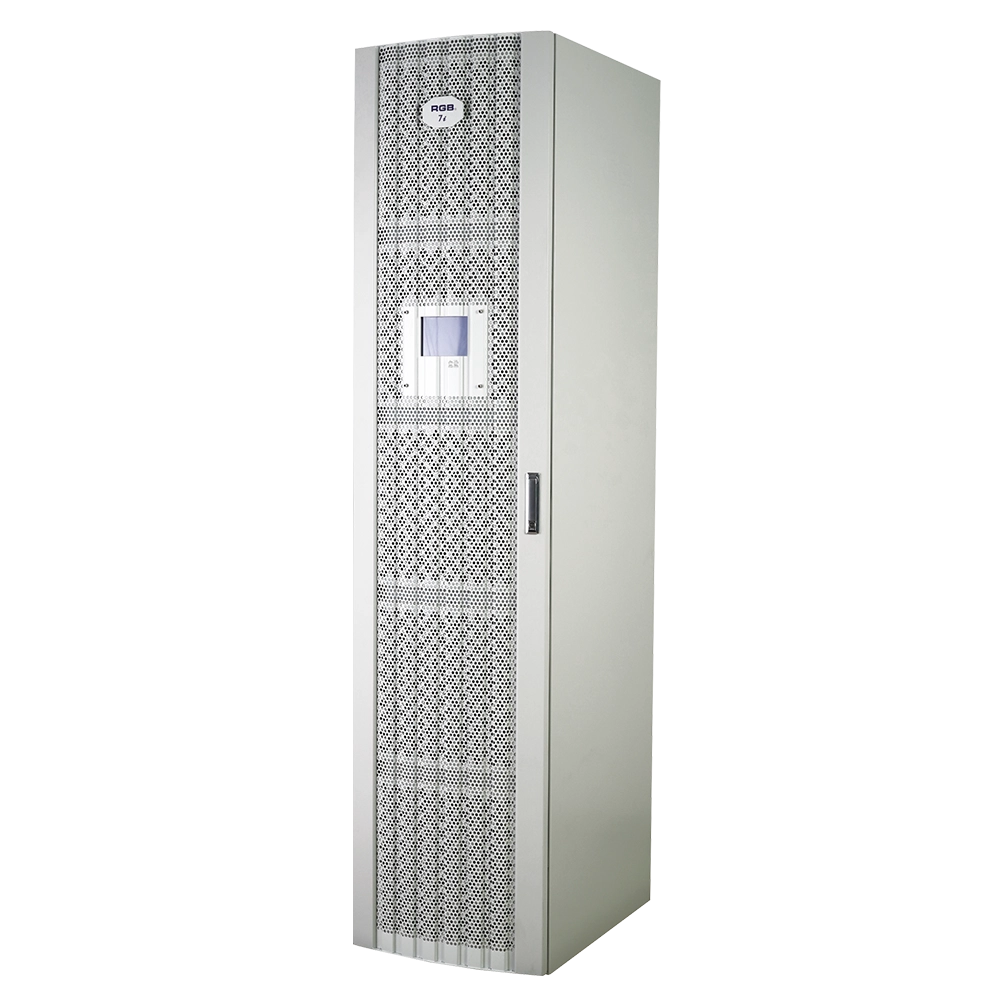
7i Dimmer/Relay Racks
7i is RGB independent research and development, with completely independent core technology, full digital decoding technology dimming racks, using a dual system, double decoding, double trigger, and duplex dual backup central decoding processor, with thyristor, relay, dimming relay mixed and other output configurations, supporting a visual lighting control system, intuitive display of dimming racks' online and offline status, and remote monitoring.
It is widely used in performing arts and cultural venues such as theaters, concert halls, multi-function halls, cultural travel and performing arts, TV stations, gymnasiums, auditoriums, commercial art lighting and so on.
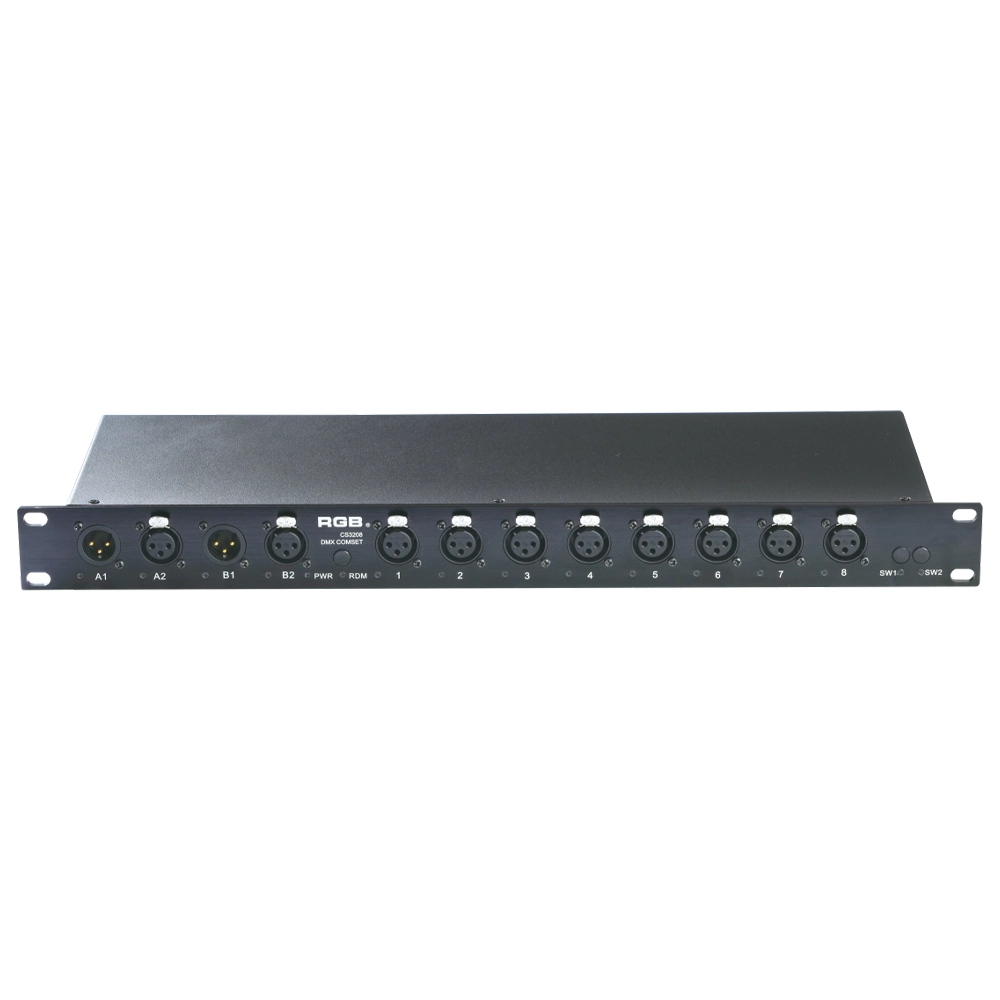
Multifunctional signal supercharger
The rack-mounted DMX signal amplifier complies with the DMX-512 standard protocol, improving DMX-512 signal transmission quality and ensuring reliable system control. It helps prevent issues such as AC high-voltage backflow into lighting control systems, lightning-induced surges, and signal interference caused by short circuits, thereby enhancing overall system stability.
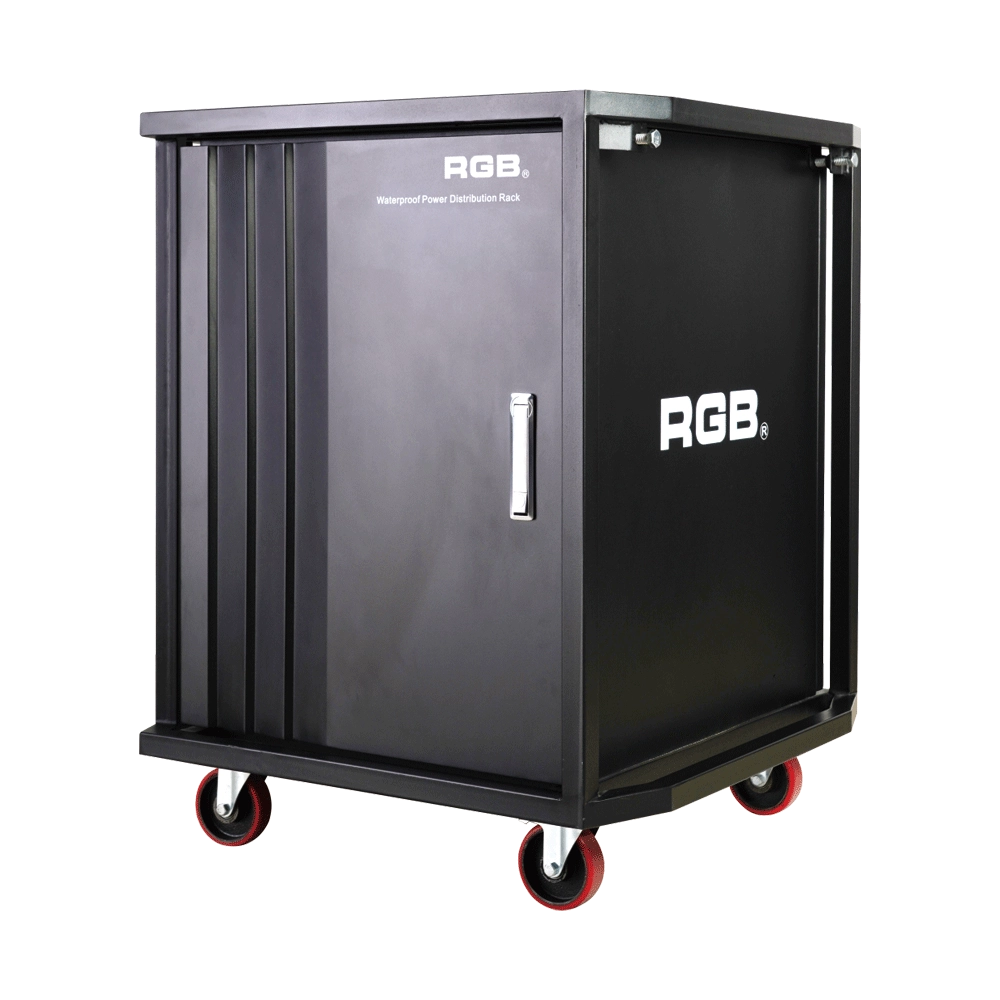
Multifunction Waterproofing Racks Of RGB-W Series
With the continuous development of flow performance, the requirement for performance is more demanding. In order to facilitate the transportation and make it easier to carry for all the equipment used in the performance, the stage light and sound equipment will be installed into a cabinet, for example, the power supply system. During the transportation process, it is inevitable for a collision or crash to take place. If the cabinet material is not strong enough, it may lead to deformation and even damage the equipment inside. Moreover, most of the existing cabinets are not waterproof. It will be very dangerous for the flow performance, as it is normal and inevitable to encounter rainy days. As the equipment inside the cabinets is electriferous, it might cause damage to the electronic equipment at least and even cause casualties at worst. Meanwhile, most of the existing cabinets can only be installed with one kind of equipment with a single variety.
In order to overcome the above-mentioned technical flaw, the RGB company has developed a new type of waterproofing multifunction cabinet of the W series. The waterproofing cabinet of the W series meets the need for the installation of dimming and tone-tuning devices, transportation, and utilization.
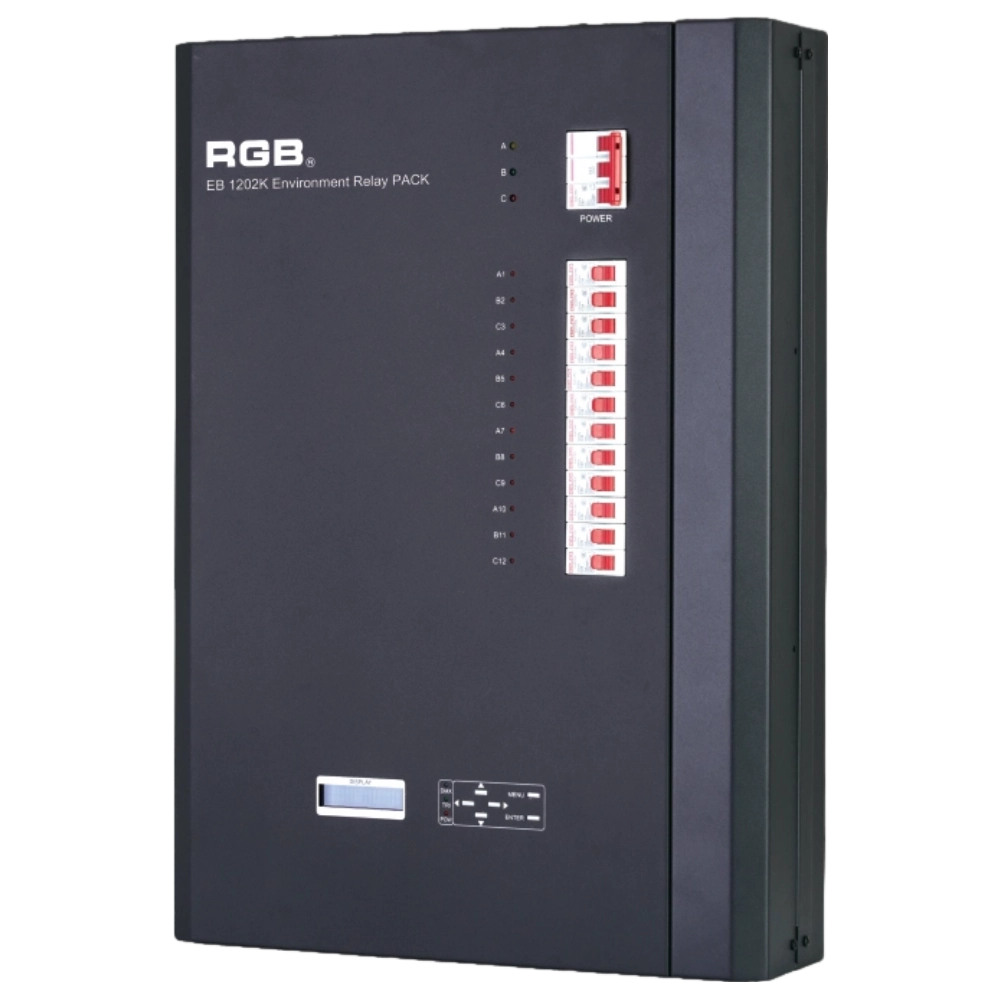
EB1202 Wall-Mounted Smart Site Light Control Series
Wall-mounted smart lighting controller with CE certification, DMX512 compatibility, flexible 12/24-channel output, scene backup, intelligent interface, and multiple dimming curves for precise professional lighting control.
Expert Support
Interested in learning more or need expert guidance related to this article? Fill in your details, and our team will provide tailored support.
Intelligent Control. Brilliant Performance.
RGB specializes in stage lighting control systems, delivering intelligent, reliable, and high-performance solutions for theaters and performance spaces worldwide.
Contact
Email:
Tel:
+86 20 3928 0245
+86 20 3928 0247
Address:
No.3, Huashan Road, Shilou Town, Panyu, Guangzhou, China.
Whatsapp: +8615975520131