
How to Enhance the Expressiveness of Theaters and Performance Spaces Through Advanced Lighting Control Systems
In modern theaters and performance spaces, lighting is no longer merely a tool for illumination; it has become a core force in shaping atmosphere, enhancing emotions, and supporting narrative. With the continuous evolution of technology, stage lighting control systems are moving from traditional manual dimming towards greater intelligence, visualization, and reliability. For theaters, television stations, and large performance venues, choosing a high-standard lighting control system can not only improve performance quality but also significantly reduce operating and maintenance costs.
|
- 01. Technological Innovation: Driving the Comprehensive Intelligence of Stage Lighting
- 02. Superior Stability: Handling High-Pressure Environments of Large-Scale Performances
- 03. Versatile Application: Meeting Diverse Lighting Needs
- 04. Future Trends: Intelligentization and Full-Scene Interconnected Control
- Conclusion
This article will analyze how modern lighting control systems comprehensively enhance stage expressiveness from several aspects, including technological innovation, system stability, application efficiency, and future trends.
01. Technological Innovation: Driving the Comprehensive Intelligence of Stage Lighting
Traditional dimming systems often face problems such as slow response speed, insufficient smooth switching, and weak interconnection capabilities in complex performances. Today, advanced lighting control products have introduced technologies including:
Visualized Dimming Technology: Through real-time interface monitoring of lighting fixtures, wiring, and aisle status, operators can more intuitively manage lighting changes and reduce operational errors.
Cloud Lighting Control System: Allows performance teams to remotely control and monitor equipment, suitable for cross-venue collaboration or large-scale project management. Intelligent Identification and Automatic Switching System: This system automatically identifies circuits based on equipment type and matches the optimal dimming mode, making the system easier to deploy and maintain.
These technologies significantly lower the barrier to entry for stage lighting applications while improving overall performance efficiency.
02. Superior Stability: Handling High-Pressure Environments of Large-Scale Performances
Large-scale performances such as opening ceremonies, New Year's Eve galas, and live broadcasts place extremely high demands on the stability of lighting systems. Once the lighting malfunctions or is delayed, the consequences are often irreversible.
High-quality dimming systems offer the following advantages:
Supports long-term, high-load operation
Features multiple safety protection and redundancy mechanisms
Compatible with mainstream global control protocols
Certified by EMC, electrical safety, and other standards
The higher the system stability, the smoother and more error-free the performance can remain under pressure.
03. Versatile Application: Meeting Diverse Lighting Needs
Advanced lighting control systems are not only used in theaters but also widely applied in:
TV studios
Large-scale sporting events
Cultural and tourism performance projects
Art centers
Dance theaters
Large-scale government celebrations
Modern dimming systems typically support multi-channel online dimming, real-time monitoring, distributed control, and wireless dimming, enabling them to flexibly adapt to different types of stage designs and performance needs.
04. Future Trends: Intelligentization and Full-Scene Interconnected Control
The stage lighting industry is accelerating its move towards intelligentization. Future systems will lean more towards:
Modular and Scalable Architecture
Allowing theaters to flexibly expand system scale according to project needs.
AI-Assisted Lighting Programming
Automatically optimizing lighting presentation, scene switching, and energy management.
Full-System Interconnected Control
Lighting, sound, video, and mechanical equipment will achieve deep integration, providing a more immersive stage experience for large-scale performances.
Conclusion
Lighting is the soul of the stage, and the control system is the central hub that gives life to the lighting. By adopting smarter and more stable lighting control solutions, theaters, television stations, and large performing arts organizations can significantly enhance stage performance and achieve higher-quality artistic presentations.
Whether it's the renovation of traditional theaters or the construction of large-scale performance projects, a high-quality control system is a crucial foundation affecting both performance quality and safety.
Latest News
Alloy Relay Packs
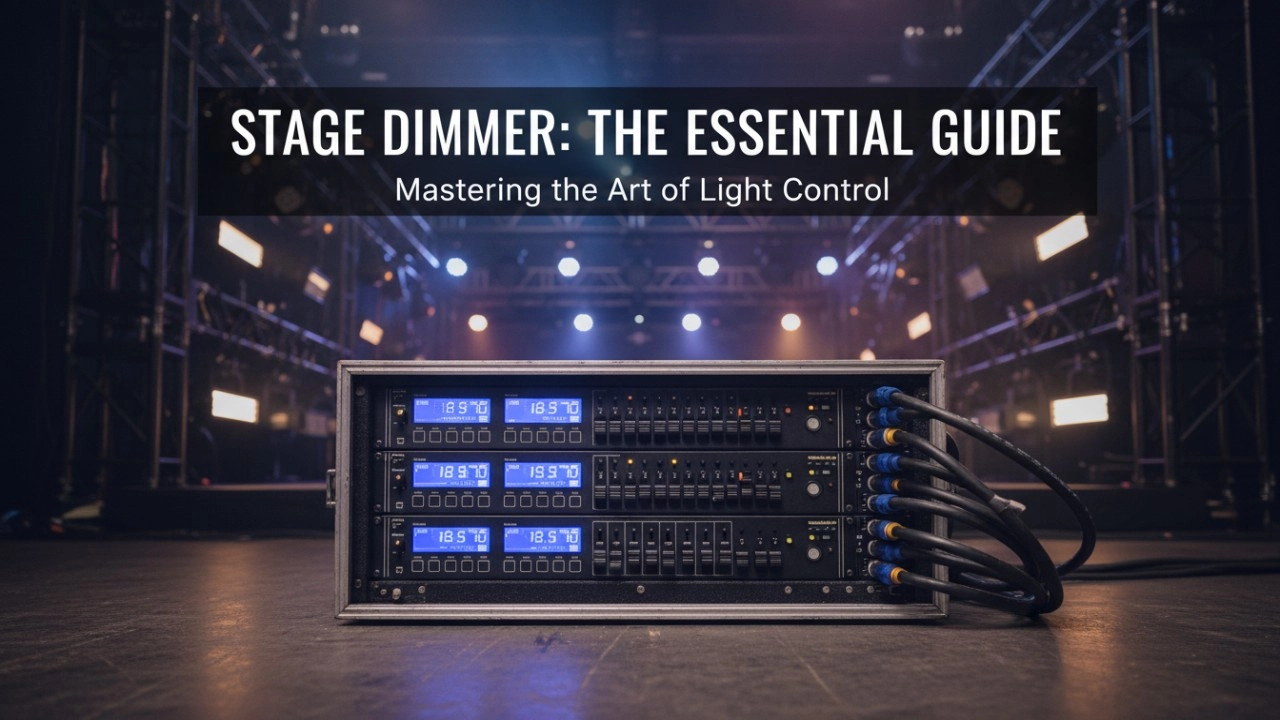
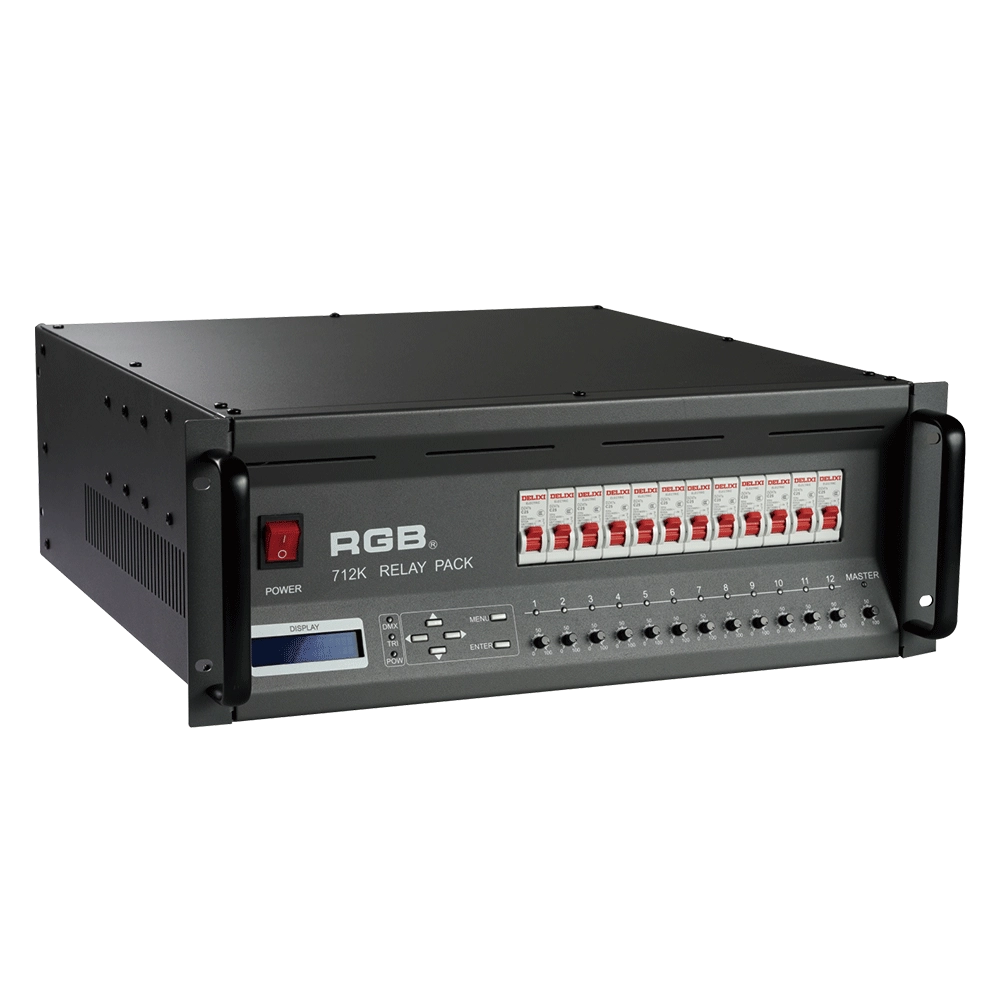
RGB Alloy Relay Packs are DMX512-controlled relay switching units for stage and mobile lighting. The published feature list describes a 12-output configuration, a per-output electrical rating of 220 V / 20 A, decimal-switch addressing, phase-loss protection and overcurrent protection. DMX512 addressing does not mean 512 separate physical outputs. The page lists 612K and 712K models; confirm each model's output count and electrical ratings against its approved datasheet.
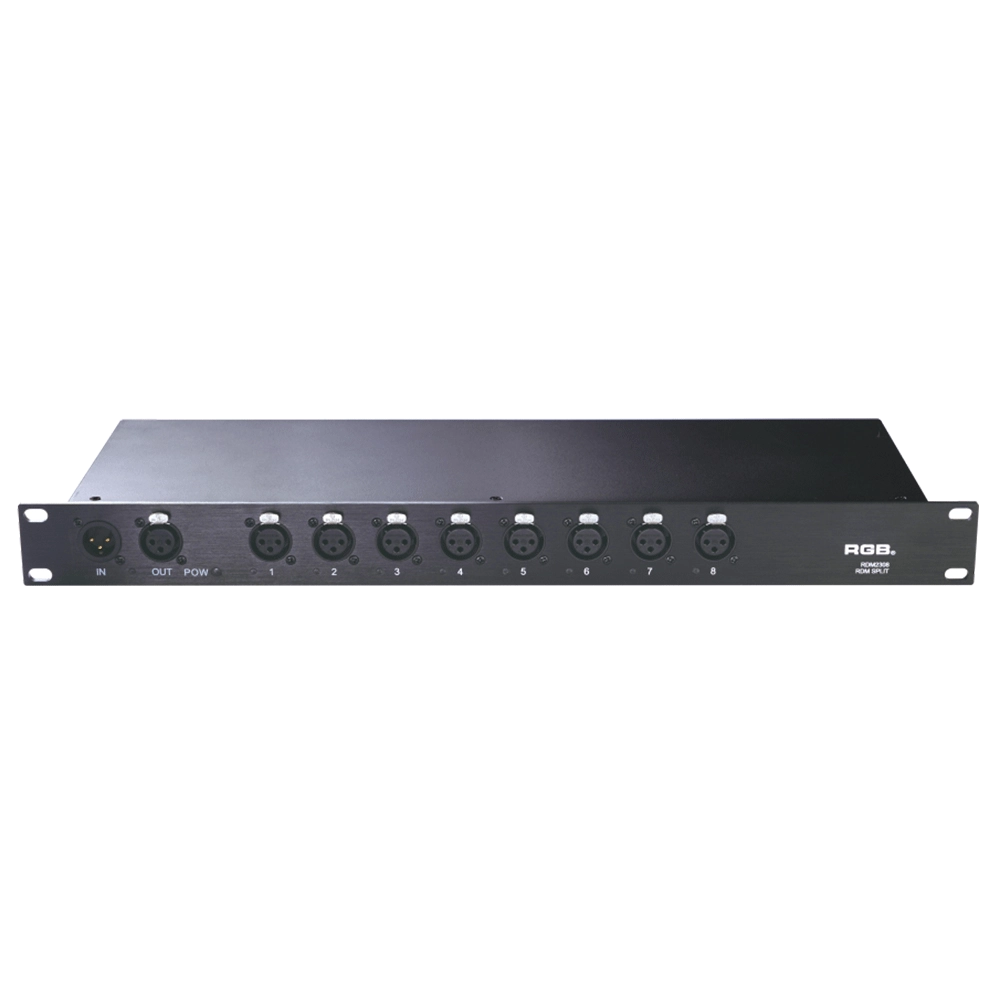
RDM2304–RDM2312 Signal Amplifiers
RGB's RDM2304, RDM2308, RDM2310 and RDM2312 are bidirectional RDM signal amplifiers for stage and venue lighting systems. Their published configurations provide 4, 8, 10 and 12 independently amplified RDM interfaces, respectively. Individual signal isolation and interface status indicators support RDM distribution and troubleshooting. Confirm the selected model's dimensions, signal protection specifications and installation requirements before procurement.
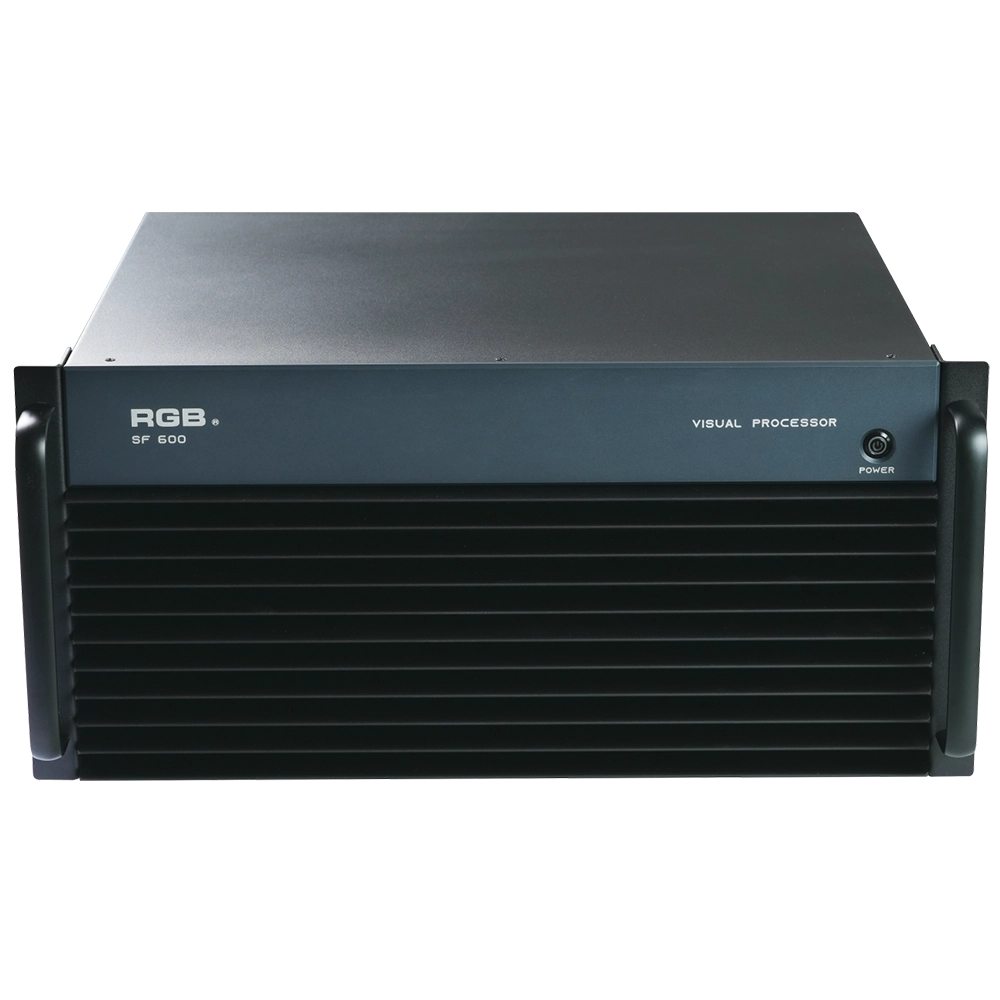
SF600 R-Net Visual Network Controller
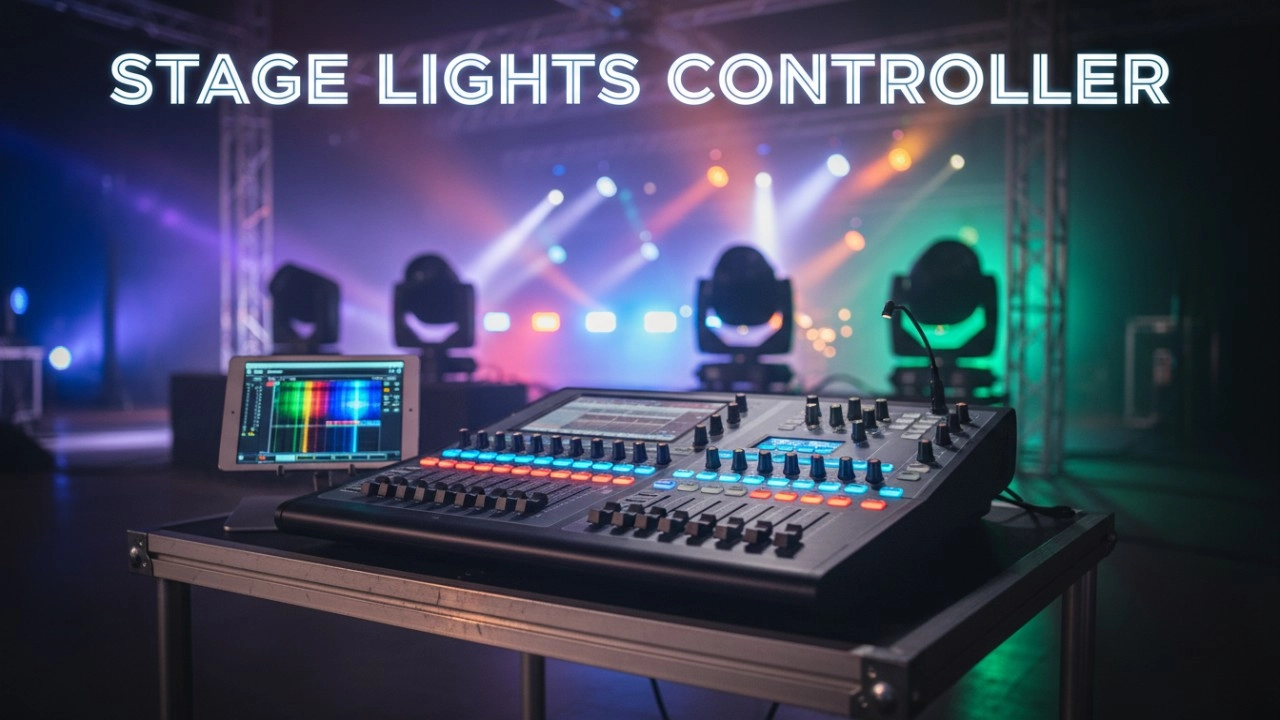
RGB SF600 is an R-Net visual network controller for monitoring professional stage lighting systems. It displays connected Art-Net, sACN, RGB-Net and RDM devices in a network topology, with single- or dual-screen views for checking device status and parameters. Published interfaces include four Ethernet ports, dual fiber connections and four RDM interfaces, together with redundant power supply support. The SF600 is a system monitoring controller, not a generic corporate video processor.
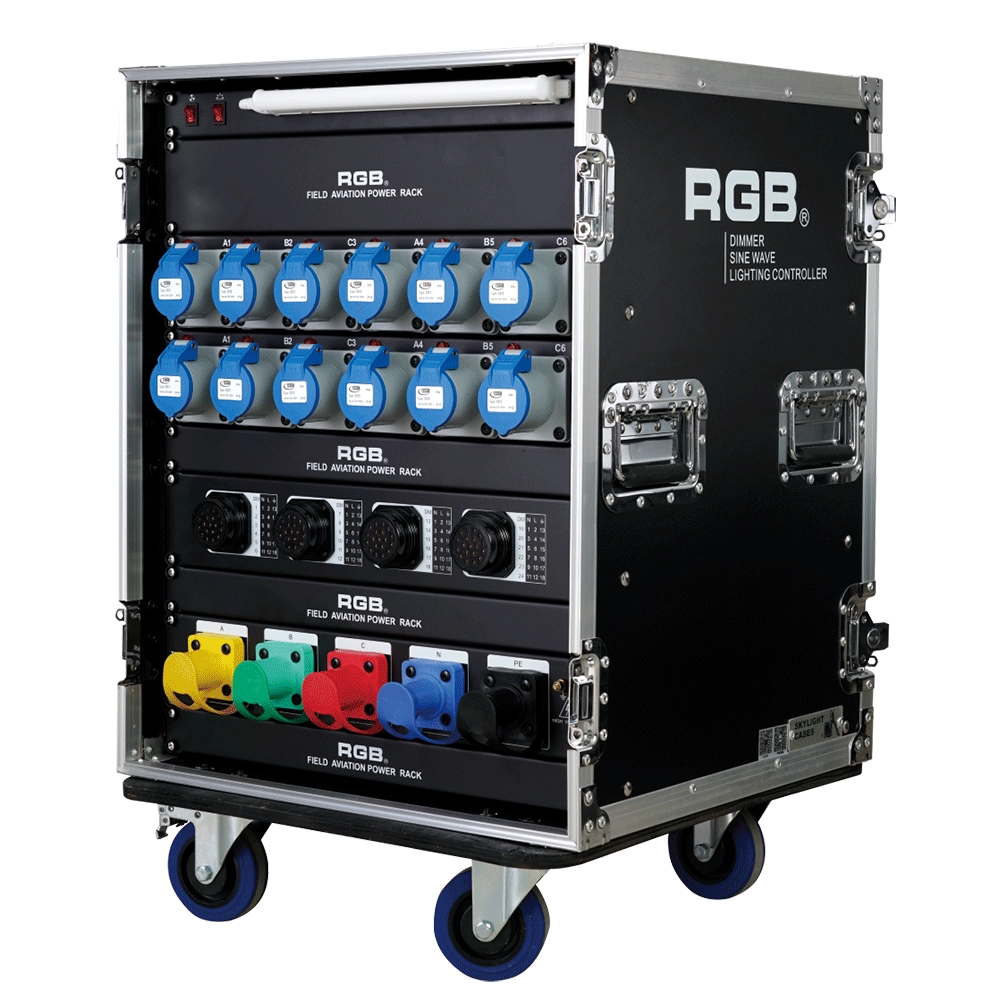
ZT2419+1216 Touring Power Distribution Box
RGB ZT2419+1216 is a mobile stage power distribution box designed for temporary event and performance lighting systems. The published configuration lists a three-phase 225 A main circuit breaker, four 19-core output connectors, twelve 16 A waterproof socket outputs, and a three-phase five-wire power input with a 400 A connector. Confirm the detailed circuit schedule, protective devices, connector standards and electrical ratings for the exact configuration.
Expert Support
Interested in learning more or need expert guidance related to this article? Fill in your details, and our team will provide tailored support.
Intelligent Control. Brilliant Performance.
RGB specializes in stage lighting control systems, delivering intelligent, reliable, and high-performance solutions for theaters and performance spaces worldwide.
Contact
Email:
Tel:
+86 20 3928 0245
+86 20 3928 0247
Address:
No.3, Huashan Road, Shilou Town, Panyu, Guangzhou, China.
Whatsapp: +8615975520131