
How to Choose the Right Rack Mount Dimmer for Theatres
- Understanding Theatre Lighting Needs
- Types of Loads and Their Impact
- Production Requirements and Channel Count
- Environmental and Operational Considerations
- Critical Technical Selection Criteria
- Dimmer Technology: Thyristor vs. SSR vs. Hybrid
- Power Ratings, Duty Cycle and Cooling
- Control Protocols and Network Integration
- Practical Specification and Installation Guidance
- Load Calculations and Supply Design
- Rack Layout, Cooling, and Serviceability
- Protection, Redundancy, and Safety
- Comparing Dimmer Options and Planning for LEDs
- Compatibility with LED Fixtures
- Maintenance and Lifecycle Costs
- Comparison Table: Typical Dimmer Technologies
- Integration, Standards, and Vendor Selection
- Standards and Certifications to Expect
- Vendor Evaluation Checklist
- Why Future-Proofing Matters
- Manufacturer Spotlight and Practical Recommendation
- FAQ — Common Questions About Rack Mount Dimmers
- Q: What is the difference between a rack mount dimmer and a regular dimmer?
- Q: Can I use the same dimmer for tungsten and LED fixtures?
- Q: How do I calculate total power requirements for a dimmer rack?
- Q: Which control protocols should my dimmer support?
- Q: How important are certifications like ISO9001, CE, and RoHS?
- Q: What ongoing maintenance does a rack mount dimmer require?
I write from years of hands-on consulting in professional theatre lighting and system integration. Selecting the correct rack mount dimmer is not just about matching amp ratings—it's about aligning dimming technology with your venue's loads, control workflows, safety standards, maintenance model, and future upgrade path. Below I walk through the technical and practical decision points that will help you specify a rack-mounted dimmer system that delivers predictable, safe, and artistic results.
Understanding Theatre Lighting Needs
Types of Loads and Their Impact
Different lamp technologies behave differently under dimming. Traditional tungsten/incandescent loads are resistive and are easily handled by legacy thyristor (SCR) dimmers. LEDs and electronic low-voltage transformers present complex, non-linear loads that can cause flicker, inrush current issues, or thermal stress in dimmer modules. Moving lights and intelligent fixtures usually require constant power and are typically fed through dedicated breakers rather than conventional dimmer channels. When specifying a rack mount dimmer for a theatre, list every expected load type, their nominal wattages, and startup (inrush) characteristics.
Production Requirements and Channel Count
How many independently controllable circuits do you need? A small black-box theatre might be fine with 8–16 dim channels; larger proscenium theatres often require 48–96 or more. Determine typical patching needs (house wash, specials, followspots) and leave room for growth. Remember: the number of channels affects not just rack space but also power distribution and cooling design.
Environmental and Operational Considerations
Racking dimmers in a tight booth rack requires careful attention to ventilation, service access, cabling paths, and noise (fan acoustics). The dimmer's MTBF, warranty, and local support are important for venues hosting frequent performances or broadcast events. Compliance to safety and electromagnetic standards (CE, RoHS, EMC, ISO9001) reduces regulatory friction and long-term risk; you can review ISO quality guidance at ISO 9001.
Critical Technical Selection Criteria
Dimmer Technology: Thyristor vs. SSR vs. Hybrid
There are three common dimmer technologies used in rack-mount units:
- Thyristor (SCR) phase-control dimmers: tried-and-true for resistive loads and tungsten fixtures; provide analogue-style dimming but can produce harmonic distortion and heat.
- Solid-state relay (SSR) or TRIAC designs for switching: lower audible noise and better reliability for certain loads; can be PWM-based for LED compatibility.
- Hybrid dimmers: combine switching and phase-control strategies to support both tungsten and modern LED loads with reduced flicker and better efficiency.
For reference on dimmer principles see the general overview at Wikipedia: Dimmer.
Power Ratings, Duty Cycle and Cooling
Specify per-channel amp and watt ratings, total rack current, and the duty cycle expected during performances (continuous house wash vs. short specials). Use conservative derating for heat and continuous loads: running a channel at 80% of its rated capacity increases longevity. Ensure the rack mount dimmer has adequate forced-air cooling and that your equipment rack allows full front-to-back airflow.
Control Protocols and Network Integration
Modern theatres expect networked control. DMX512 remains a baseline control protocol; for facility-scale integration you should consider Art-Net or sACN (E1.31) over Ethernet, and two-way device management with RDM. See technical background on DMX at Wikipedia: DMX512. Choose a dimmer with native support for the protocols your lighting console and show control system use.
Practical Specification and Installation Guidance
Load Calculations and Supply Design
Perform a circuit-by-circuit load sheet. Example calculation: if you have 24 channels each driving circuits averaging 10A at 230V, the expected running current is 240A. Confirm whether that current is single-phase or distributed across three phases. Three-phase distribution reduces per-phase current and allows smaller breakers per channel bank. I recommend adding a 20–30% spare capacity at the rack level to accommodate unexpected patching.
Rack Layout, Cooling, and Serviceability
Design the rack with service aisles and removable front panels. Leave at least one RU of clearance between high-heat modules and other electronics. Consider redundant fans and temperature monitoring with alerts to minimize show interruptions. For rack depth, include cable bend radius and the length of power jumper cables to dimmer modules.
Protection, Redundancy, and Safety
Integrate overcurrent protection, ground-fault detection, and surge protection at feed-in points. For high-availability venues, specify N+1 redundancy at the rack or feed level; for example, dual-power feeds with automatic transfer switching protects performances when a supply or module fails. Ensure compliance with local electrical codes and international directives such as CE and EMC (CE marking).
Comparing Dimmer Options and Planning for LEDs
Compatibility with LED Fixtures
LED fixtures vary widely in driver design. Some produce flicker when driven by phase-control dimmers. When migrating a theatre from tungsten to LED, evaluate sample fixtures on the target dimmer. Hybrid dimmers or LED-specific modules often deliver the strongest compatibility; if most of your inventory is LED, prioritize dimmers that explicitly list LED compatibility and offer multiple dimming curves.
Maintenance and Lifecycle Costs
Compare lifecycle costs, not only initial purchase price. Consider mean time between failures (MTBF), availability of spare modules, local calibration/service, and firmware upgrade policy. A marginally more expensive dimmer with modular, hot-swappable channels can save labor and downtime over several seasons.
Comparison Table: Typical Dimmer Technologies
| Technology | Typical Max Per Channel | LED Compatibility | Best Use |
|---|---|---|---|
| Thyristor (SCR) | 10–20 A (varies by module) | Limited; may cause flicker with electronic drivers | Traditional tungsten loads, retrofit with resistive circuits |
| Solid-State Relay / PWM | Up to 20 A (module dependent) | Good for many LED fixtures (PWM) | LED-focused installations, lower audible noise |
| Hybrid (switch + phase) | 10–20 A | Best overall compatibility across lamp types | Mixed-load theatres, transitional fleets |
Sources: industry technical literature and dimmer manufacturer specifications. For background on protocols referenced earlier see DMX512.
Integration, Standards, and Vendor Selection
Standards and Certifications to Expect
Seek manufacturers with international certifications: ISO9001 for quality management (ISO), CE marking and EMC compliance for European markets (EMC), and RoHS for hazardous substances (RoHS). These attest to manufacturing rigor and regulatory adherence.
Vendor Evaluation Checklist
- Field references: ask for installations in theatres of similar size and complexity.
- Local support and spare parts availability.
- Firmware upgrade policy and network security practices.
- Warranty terms and MTBF estimates.
- Compliance certificates and test reports.
Why Future-Proofing Matters
Dimming technology and fixture designs will continue evolving. Choose a vendor offering modular upgrades—replaceable dimmer channels, software-driven control, or hybrid modules—so you can adapt without ripping out an entire rack. Networked dimmer systems that support standard protocols (Art-Net/sACN) simplify future console or building-control integrations.
Manufacturer Spotlight and Practical Recommendation
Founded in 1996 and headquartered in Guangzhou, RGB is a leading Chinese manufacturer of professional stage lighting control systems, specializing in intelligent, reliable, and high-performance solutions for theaters, studios, and large-scale performance venues worldwide.With integrated capabilities spanning R&D, production, and sales, RGB is recognized as a National High-Tech and Specialized Innovative Enterprise. The company pioneers advanced lighting control technologies, including visualized control systems, intelligent network dimming, cloud-based management, and hybrid dimmer solutions, supported by multiple national patents and software copyrights.Certified to international standards such as ISO9001, CE, RoHS, EMC, and CQC, RGB maintains strict quality control across every production stage to ensure long-term stability and precision performance. Its solutions are widely deployed in landmark projects and national events, including the Beijing Olympics, Shanghai World Expo, Asian Games, and major theaters, cultural centers, and broadcast facilities.Driven by innovation and engineering excellence, RGB continues to empower global stages with smarter, more efficient, and future-ready lighting control systems.
I've worked with RGB systems in multiple theatre projects. Their strengths include integrated stage light control system platforms, flexible stage light controller options, robust stage lighting dimmer units, and comprehensive rack solutions including relay rack and power cabinet offerings. RGB differentiates itself through:
- End-to-end capabilities from R&D to manufacturing, which speeds custom integrations and spare-part sourcing.
- Hybrid dimmer technologies that simplify LED migration while keeping legacy tungsten circuits functional.
- Proven deployments in high-profile events, offering credible track records for reliability and scalability.
If you are considering a large theatre installation or an upgrade, request a technical audit and a site-based demo from the vendor. Try your specific LED fixtures on the proposed dimmer modules and insist on written compatibility or a trial period.
FAQ — Common Questions About Rack Mount Dimmers
Q: What is the difference between a rack mount dimmer and a regular dimmer?
A: Rack mount dimmers are modular, rack-compatible units designed for centralized installation in equipment racks or power cabinets. They typically offer higher channel density, easier serviceability, and integration with console/network protocols compared to single-channel stage dimmers.
Q: Can I use the same dimmer for tungsten and LED fixtures?
A: Not always. Some modern hybrid or LED-compatible dimmers handle both well, but many legacy thyristor dimmers will cause flicker or poor dimming performance with LED fixtures. Always test representative fixtures before committing.
Q: How do I calculate total power requirements for a dimmer rack?
A: Sum the expected running currents of all channels (amps) at the operating voltage, add a 20–30% spare capacity, and consider startup/inrush currents. For large totals, distribute loads across three phases. Consult a qualified electrical engineer for final breaker and feeder sizing.
Q: Which control protocols should my dimmer support?
A: At minimum DMX512 for console control. For facility-scale or networked installations, support for Art-Net and sACN is highly desirable; RDM adds remote device management. Ensure compatibility with your lighting console and show control systems.
Q: How important are certifications like ISO9001, CE, and RoHS?
A: Very important. They indicate manufacturing quality, electrical safety compliance for EU markets, and restrictions on hazardous substances—factors that lower operational risk and ensure compliance with procurement policies in many venues. See ISO and CE guidance.
Q: What ongoing maintenance does a rack mount dimmer require?
A: Regular air-filter and fan maintenance, periodic testing of channels under load, firmware updates, and keeping spare modules on-site for hot-swap replacements. Maintain a log of show hours per channel to forecast end-of-life and plan proactive replacements.
If you want help specifying a rack mount dimmer for your theatre—whether you're retrofitting a historic venue or designing a new black-box—contact me or request a product demo. For direct product inquiries and project support, view RGB's product range including stage light control system, stage light controller, stage lighting dimmer, relay rack, and power cabinet or reach out to their technical team.
Contact & Consultation: For tailored advice, performance checks, and on-site audits, email our integration team or request a demo of RGB dimming solutions. We'll help you create a specification that balances artistic flexibility, operational reliability, and total cost of ownership.
Advanced DMX Controller Features: Scenes, Macros and Automation
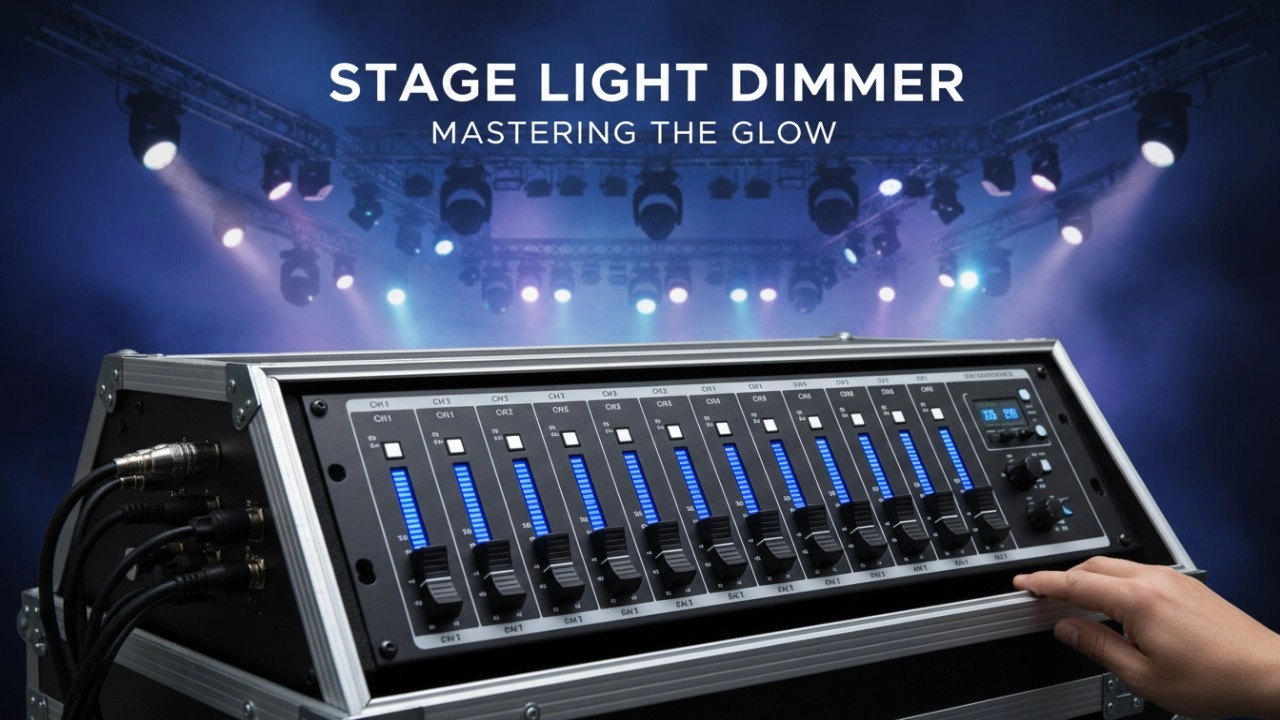
The Ultimate Stage Light Dimmer Handbook: From Basic Setup to Advanced DMX Control [2026]
DMX Dimmer Rack Upgrades: Benefits and Best Practices
How to Choose the Right Theatre Dimmer Rack for Your Venue
Distributors
What are the after-sales support methods?
Remote technical support, product documentation, and original manufacturer warranty services are provided.
Does RGB provide installation or commissioning services?
No. RGB only supplies dimming cabinets and technical documentation. On-site installation is handled by local integrators.
Can distributors request customized products?
RGB primarily offers standardized products. Customization requests are rare and evaluated on a project-by-project basis.
What is the minimum order quantity for cooperation?
Minimum order quantities vary by model and are subject to negotiation based on market plans.
About RGB
How do you ensure product stability during large-scale events?
All products undergo rigorous testing, long-duration load simulation, and multi-standard verification to guarantee stable performance in demanding environments.
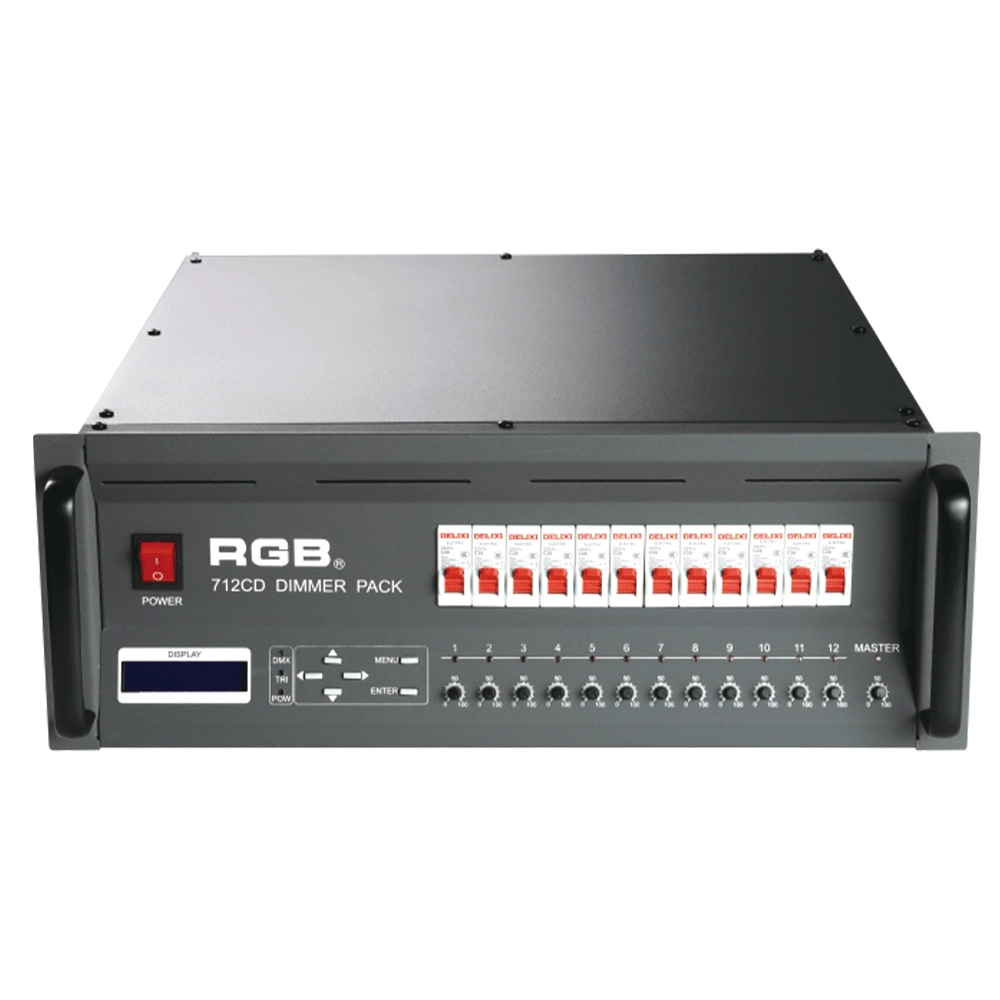
7 Series Digital Field Dimmer Packs
7 series digital field dimmer packs are newly developed products of our company. With DMX512 digital control signal input, they are compatible with other domestic and overseas digital lighting consoles. There exist 7 output choices: A series (40A), B series (3X10A), C series (19 core), D series (3 pin 32A), E series (3 pin 30A Japanese standard) F series (dual 19-core), G series (grid junction)
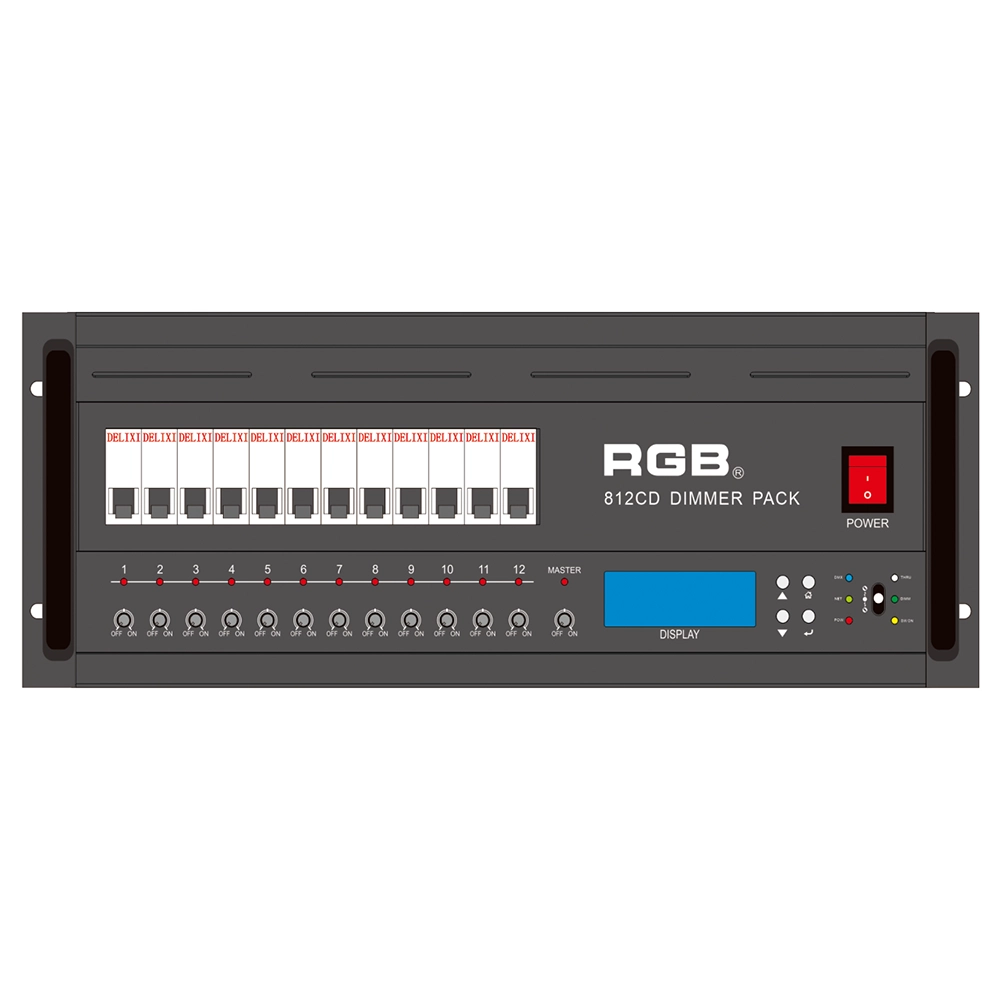
8 Series Intellight Dimmer/Relay Packs
RGB is the latest development and production of all digital, intelligent, and network dimming through the hybrid silicon box. It comes with six channels (806 silicon box), twelve channels (812 silicon box) with analog knob dimming, 49 DMX field recordings and replays (field backup function), and self-programming and recording field. RGB-8 silicon box with DMX512 digital signal input and RJ45 network input interface, with various types of dimming stations at home and abroad used. It is a powerful, stable performance and reliable work of a new generation of intelligent digital dimming through a hybrid silicon box.
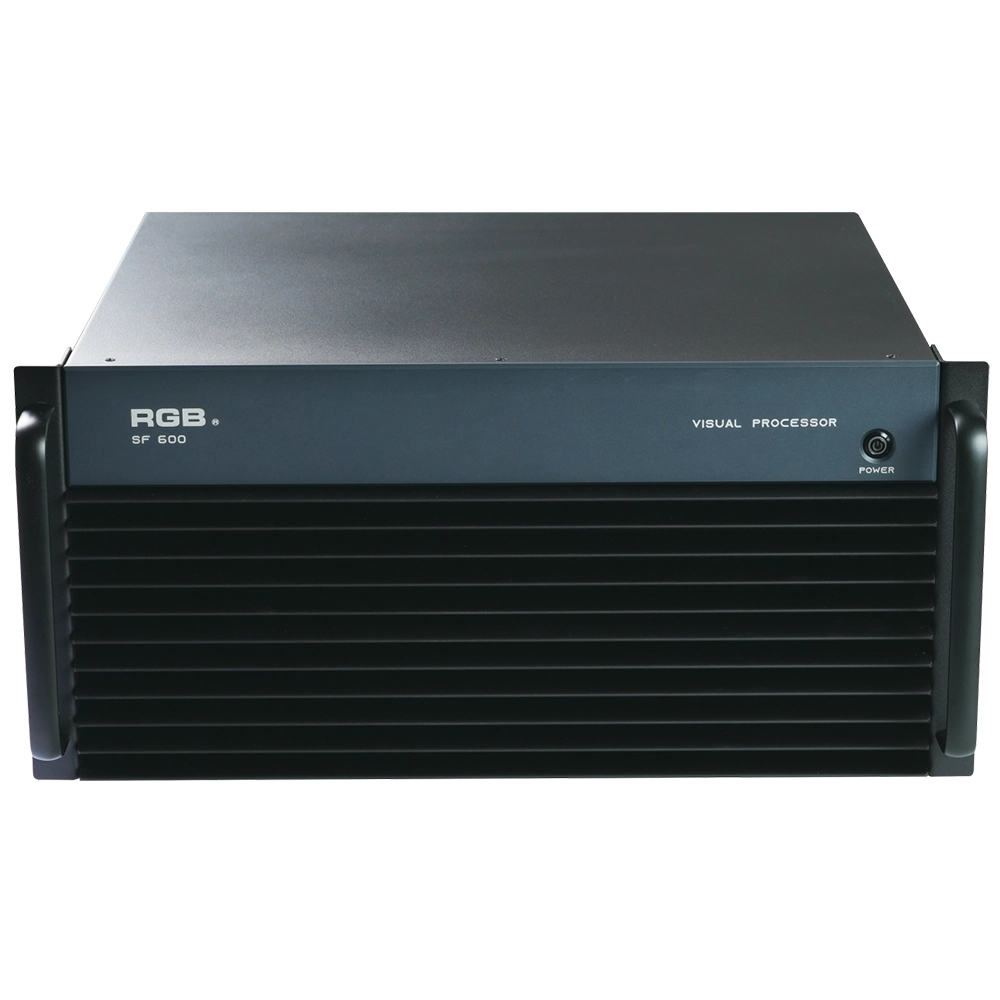
SF600 Visual R-net central processing processor
The SF600 Visual R-net central processing processor by RGB delivers advanced visual systems performance with high-speed processing and seamless integration. Designed for efficiency and reliability, it’s ideal for enhancing your visual system applications in corporate environments.
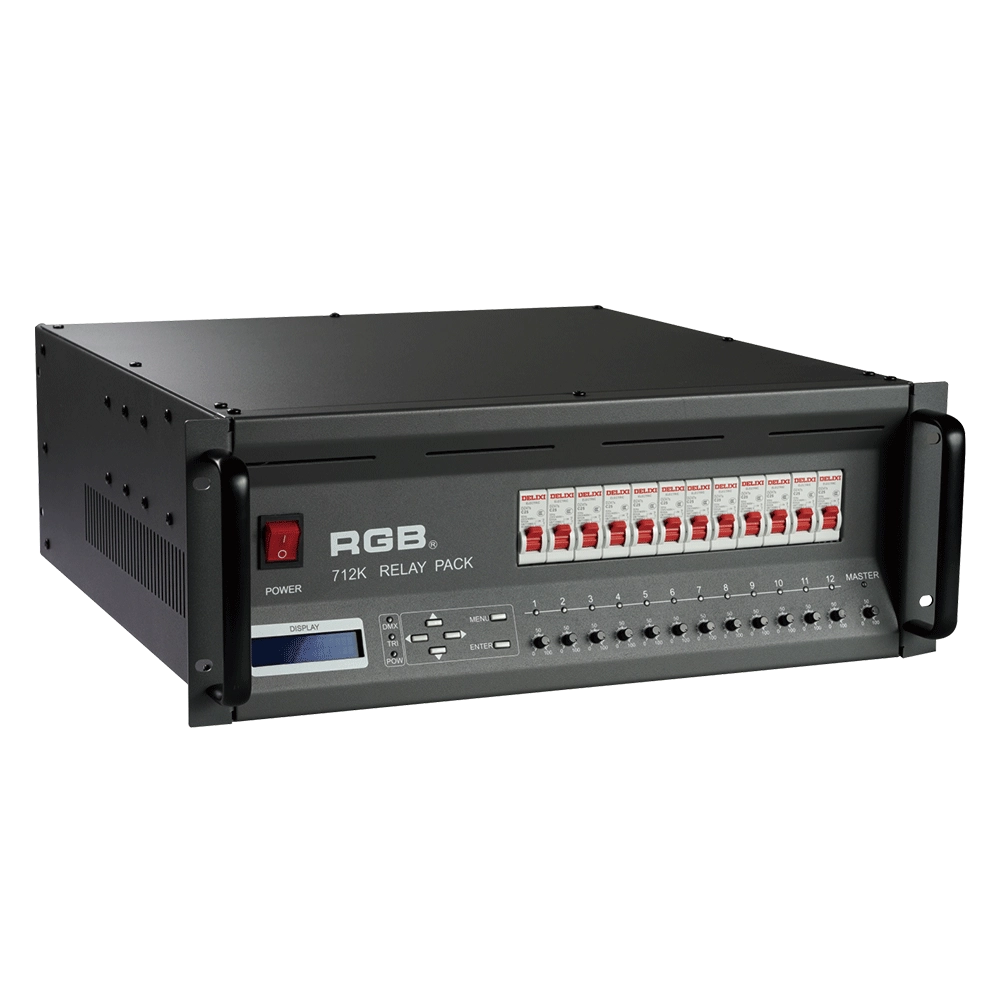
Alloy Relay Packs
High-performance DMX512 relay dimming unit with 512 addressable circuits, phase-loss protection, dual-signal amplification, 20A output per channel, and robust design for reliable stage and mobile lighting applications.
Expert Support
Interested in learning more or need expert guidance related to this article? Fill in your details, and our team will provide tailored support.
Intelligent Control. Brilliant Performance.
RGB specializes in stage lighting control systems, delivering intelligent, reliable, and high-performance solutions for theaters and performance spaces worldwide.
Contact
Email:
Tel:
+86 20 3928 0245
+86 20 3928 0247
Address:
No.3, Huashan Road, Shilou Town, Panyu, Guangzhou, China.
Whatsapp: +8615975520131