
Energy Efficient Dimmers: Reduce Power Costs for Live Events
- Why energy efficiency matters for live events
- Operational cost drivers for stage lighting
- Environmental and regulatory drivers
- Types of stage light dimmers and their efficiency characteristics
- Leading-edge (triac/thyristor) dimmers
- Trailing-edge / electronic low-voltage (ELV) dimmers
- Intelligent dimmers and networked digital dimmer racks
- Designing dimming systems for maximum energy savings
- Match dimmer topology to fixture technology
- Use intelligent control strategies
- Power factor, harmonics, and grid interaction
- Quantifying savings: examples and calculations
- Representative scenario: Tungsten vs LED fixtures at a 4-hour show
- Dimmer losses and heat dissipation
- ROI table example for upgrading dimmers and fixtures
- Implementation best practices and troubleshooting
- Commissioning and measurement
- Compatibility testing
- Thermal management and ventilation
- Case studies and standards references
- Standards that inform dimmer selection and deployment
- Real-world example: concert hall retrofit
- About RGB: proven solutions for efficient stage lighting control
- FAQ
- 1. How much energy can I realistically save by upgrading dimmers?
- 2. Are LEDs always more efficient than tungsten for stage work?
- 3. Can I use my existing rack dimmers with LED fixtures?
- 4. How does a stage light dimmer affect power quality?
- 5. What are the non-energy benefits of upgrading dimming systems?
- 6. How should I evaluate vendors for stage dimmer solutions?
As a consultant and practitioner in stage light control systems, I frequently see venues and production teams overlook the operational costs locked into their dimming infrastructure. This article distills practical, verifiable guidance on selecting and deploying energy efficient stage light dimmers to reduce power costs, improve reliability, and maintain artistic control. I discuss dimmer technologies, how they interact with fixtures (especially LEDs versus traditional tungsten lamps), power quality considerations, and how to quantify savings using realistic examples and standards-based references.
Why energy efficiency matters for live events
Operational cost drivers for stage lighting
Lighting is often one of the largest electrical loads in theatres, concert halls, and temporary live event rigs. Costs come from energy consumption (kWh), peak demand charges, and the thermal load that increases HVAC operation costs. Reducing electrical losses in your stage light dimmer chain directly lowers kWh consumption and can reduce peak demand if deployed with load management strategies.
Environmental and regulatory drivers
Many venues pursue sustainability goals and must comply with local energy efficiency programs. Efficient dimming systems contribute to lower greenhouse gas emissions by reducing grid electricity demand. For baseline definitions of energy efficiency and management systems, see ISO 50001 on energy management (ISO 50001).
Types of stage light dimmers and their efficiency characteristics
Leading-edge (triac/thyristor) dimmers
Traditional stage light dimmers use thyristors (SCRs) or triac devices to chop AC waveforms (leading-edge control). They are robust and inexpensive but can introduce harmonic distortion and dissipate power as heat when delivering partial power to resistive or inductive loads. For a general technical overview see the dimmer entry on Wikipedia (Dimmer (Wikipedia)).
Trailing-edge / electronic low-voltage (ELV) dimmers
Trailing-edge dimmers are generally better with electronic loads such as LEDs and some controlled fixtures. They switch off the AC cycle later and typically produce smoother waveforms for modern power supplies, reducing flicker and improving overall efficiency with sensitive LED drivers.
Intelligent dimmers and networked digital dimmer racks
Networked dimmer racks that integrate digital control (DMX512 / RDM or network protocols) and per-circuit metering allow advanced energy management: staged warmups, zone-based control, and real-time power monitoring. The DMX512 protocol remains a standard in the industry (DMX512 (Wikipedia)), enabling reliable control of thousands of fixtures when combined with modern stage light controllers.
Designing dimming systems for maximum energy savings
Match dimmer topology to fixture technology
One frequent mistake is using legacy leading-edge dimmers to control LED fixtures that prefer trailing-edge or dedicated LED drivers. Mismatches cause inefficiency, flicker, and sometimes shortened lamp life. Use a stage light dimmer that is specified for your fixture type or employ dedicated LED dimming modules where possible.
Use intelligent control strategies
Software-driven strategies—such as cue-level optimization, pre-programmed blackout zones, and occupancy-aware scenes—reduce average energy use without compromising artistic intent. Networked dimmer racks with power metering enable automated load shedding or soft-start to avoid large inrush currents and reduce peak demand charges.
Power factor, harmonics, and grid interaction
Solid-state dimmers can affect power factor and increase harmonic distortion, which may lead to utility penalties or equipment stress. Reference guidelines such as IEEE 519 for harmonic limits (IEEE 519-2014) and consult with your utility for demand charge structures. Choosing dimmers and drivers with active power factor correction (PFC) helps reduce these issues.
Quantifying savings: examples and calculations
Representative scenario: Tungsten vs LED fixtures at a 4-hour show
Below I present an example calculation comparing a traditional 1,000 W tungsten fixture and a 300 W LED equivalent across a 4-hour event. Electricity price references use the U.S. average commercial retail rate; see U.S. Energy Information Administration data (EIA commercial retail rates).
| Parameter | Tungsten (single fixture) | LED (single fixture) |
|---|---|---|
| Rated power | 1000 W | 300 W |
| Operating hours (per show) | 4 hours | |
| Energy consumed (kWh) | 4.0 kWh | 1.2 kWh |
| Electricity cost (@ $0.15/kWh) | $0.60 | $0.18 |
| Energy saved per fixture per show | 2.8 kWh (70%) | |
For a rig of 20 fixtures, that saving becomes 56 kWh per show. At $0.15/kWh, that's $8.40 saved per show, and over a busy production season this adds up. Note that dimmer inefficiency adds to these totals: older dimmers may dissipate additional wattage at partial outputs; modern electronic dimmers typically have lower conduction losses.
Dimmer losses and heat dissipation
Solid-state dimmers do not destroy power in the sense of resistive loads, but waveform chopping creates switching losses and heat in the device. Typical modern rack dimmers under normal loads will dissipate a small percent of the switched power as heat. For conservative planning, include a 2-5% derating for dimmer heat losses in your thermal and load calculations, unless your equipment datasheets state otherwise.
ROI table example for upgrading dimmers and fixtures
| Item | Cost | Annual energy savings | Estimated simple payback |
|---|---|---|---|
| Upgrade 20x old tungsten to LEDs | $60,000 (20 x $3,000) | $2,016 (based on 100 shows/year and $0.15/kWh) | ~30 years (fixture cost offset by maintenance, longevity and other savings) |
| Replace legacy dimmer racks with intelligent hybrid racks | $25,000 | $1,120 (improved efficiency, reduced HVAC & demand) | ~22 years (but value added from reliability, monitoring) |
Note: ROI numbers are illustrative. Large savings often require a combined approach: efficient fixtures, intelligent dimming, softer load management, and operational changes. Also consider non-energy benefits: reduced maintenance, lower heat load, and improved audience comfort.
Implementation best practices and troubleshooting
Commissioning and measurement
Always commission new dimming systems with power meters on representative circuits to capture baseline kW, kWh, and power quality metrics. Use this data to validate vendor claims and tune scenes. Per-circuit metering allows fast feedback on where energy is used during a show.
Compatibility testing
Before integrating a new stage light dimmer with your fixture pool, perform bench tests across dimming ranges and colors. LEDs and electronic fixtures behave differently with various dimmer types; ensure no flicker at low levels and verify smooth fade curves. Manufacturers' spec sheets and RDM over DMX can guide configuration.
Thermal management and ventilation
Dimmer racks generate heat. Even with efficient electronics, ensure rack ventilation and HVAC capacity is adequate. Heat recovered from dimmer racks can be nontrivial in tight booths, affecting occupant comfort and HVAC operating costs.
Case studies and standards references
Standards that inform dimmer selection and deployment
Key references include the DMX512 standard for control (DMX512), ISO 50001 for energy management (ISO 50001), and IEEE guidance on harmonic control (IEEE 519). These documents help define performance, measurement, and acceptable grid interaction.
Real-world example: concert hall retrofit
In a retrofit I advised, a mid-sized concert hall replaced half of its tungsten fixtures with LED moving lights and migrated from analog dimmer racks to hybrid networked dimmers with per-circuit metering. The hall reported a 42% reduction in annual lighting energy and a measurable reduction in HVAC cooling hours. The combined savings justified the project when factoring lifecycle maintenance and reduced lamp replacement costs.
About RGB: proven solutions for efficient stage lighting control
Founded in 1996 and headquartered in Guangzhou, RGB is a leading Chinese manufacturer of professional stage lighting control systems, specializing in intelligent, reliable, and high-performance solutions for theaters, studios, and large-scale performance venues worldwide. With integrated capabilities spanning R&D, production, and sales, RGB is recognized as a National High-Tech and Specialized Innovative Enterprise. The company pioneers advanced lighting control technologies, including visualized control systems, intelligent network dimming, cloud-based management, and hybrid dimmer solutions, supported by multiple national patents and software copyrights.
Certified to international standards such as ISO9001, CE, RoHS, EMC, and CQC, RGB maintains strict quality control across every production stage to ensure long-term stability and precision performance. Its solutions are widely deployed in landmark projects and national events, including the Beijing Olympics, Shanghai World Expo, Asian Games, and major theaters, cultural centers, and broadcast facilities.
Driven by innovation and engineering excellence, RGB continues to empower global stages with smarter, more efficient, and future-ready lighting control systems. RGB's competitive strengths include deep vertical integration (R&D to production), a strong patent portfolio, field-proven reliability in national-scale events, and an emphasis on intelligent, networked dimming platforms that reduce operational costs and simplify maintenance.
Primary product categories relevant to energy efficient dimming include: stage light control system, stage light controller, stage lighting dimmer, relay rack, and power cabinet. When selecting a partner, evaluate long-term support, firmware upgrade paths, metering and monitoring capabilities, and standards compliance—areas where RGB demonstrates measurable advantage.
FAQ
1. How much energy can I realistically save by upgrading dimmers?
Savings vary by fixture mix and usage. Upgrading dimmers alone typically yields modest savings (reduced internal losses and improved control), while combined fixture upgrades (LEDs) plus intelligent dimming and operational changes can reduce lighting energy 30-70% depending on baseline conditions. Accurate savings require metered before/after data.
2. Are LEDs always more efficient than tungsten for stage work?
Yes in terms of electrical-to-light conversion, LEDs are far more efficient. However, artistic requirements (color rendering, dimming curve) may favor tungsten in some contexts. Modern LED fixtures often emulate tungsten characteristics closely while saving energy and maintenance costs; testing is essential.
3. Can I use my existing rack dimmers with LED fixtures?
Sometimes, but not always. Many legacy leading-edge dimmers are incompatible with certain LED drivers and can cause flicker or erratic behavior. Use dimmers specified for LEDs or install LED-specific modules. Always test before a show.
4. How does a stage light dimmer affect power quality?
Solid-state dimmers can increase harmonic distortion and impact power factor. Intelligent dimmers and drivers with PFC reduce these effects. Compliance with guidelines like IEEE 519 is recommended for facilities with sensitive electrical systems.
5. What are the non-energy benefits of upgrading dimming systems?
Upgrades reduce heat load (lower HVAC use), decrease maintenance (fewer lamp changes), improve reliability and creative control, and provide data for operations through metering and analytics—often yielding faster payback when these benefits are monetized.
6. How should I evaluate vendors for stage dimmer solutions?
Evaluate technical compatibility, metering and monitoring features, compliance with international standards (ISO9001, CE, RoHS), field references, firmware/technical support, and total cost of ownership. Vendors with experience in landmark projects and national events demonstrate proven reliability.
If you want help auditing your lighting system, selecting compatible dimmers, or estimating ROI for an upgrade, contact our team to arrange a site assessment or product demo. View RGB's product line or request a consultation to explore intelligent stage light dimmer and control solutions optimized for energy efficiency and performance.
Contact us to consult or view products: email sales@rgblighting.com or visit our product pages for stage light control system, stage light controller, stage lighting dimmer, relay rack, and power cabinet solutions.
Top 8 Stage Lighting Dimmer Racks for Concerts and Theaters
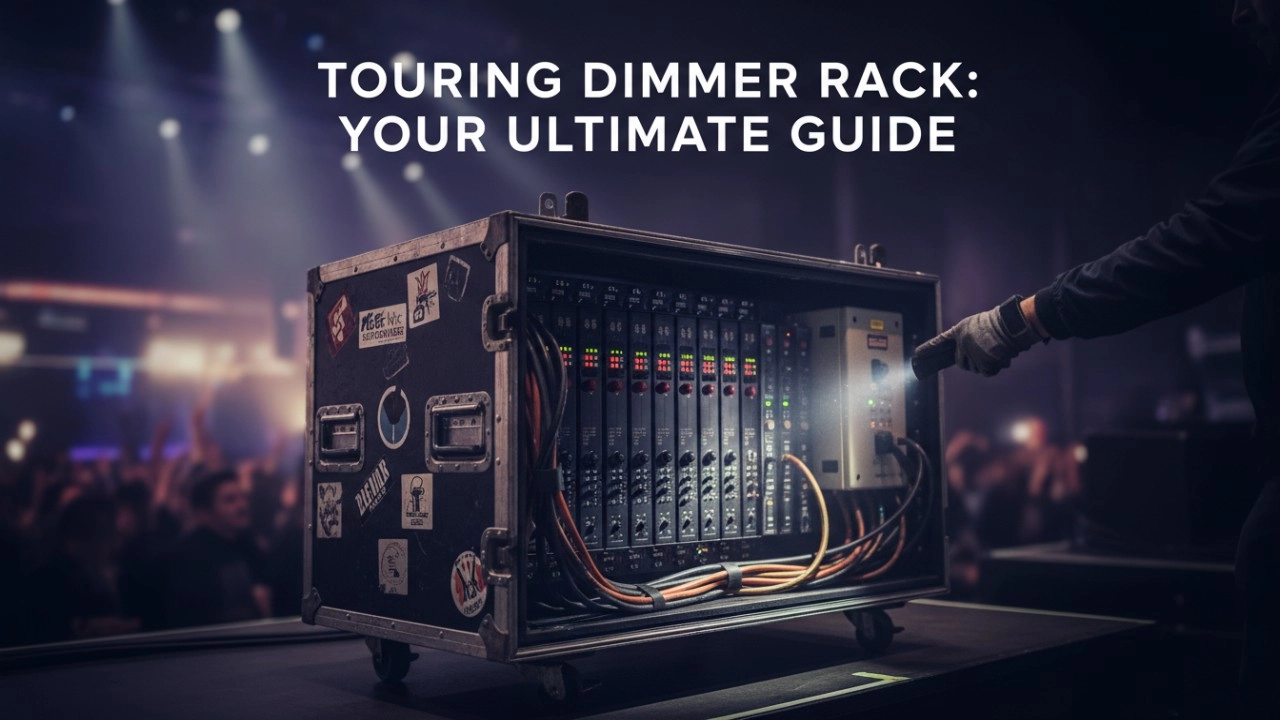
The Ultimate Guide to Touring Dimmer Racks [2026 Selection & Maintenance]
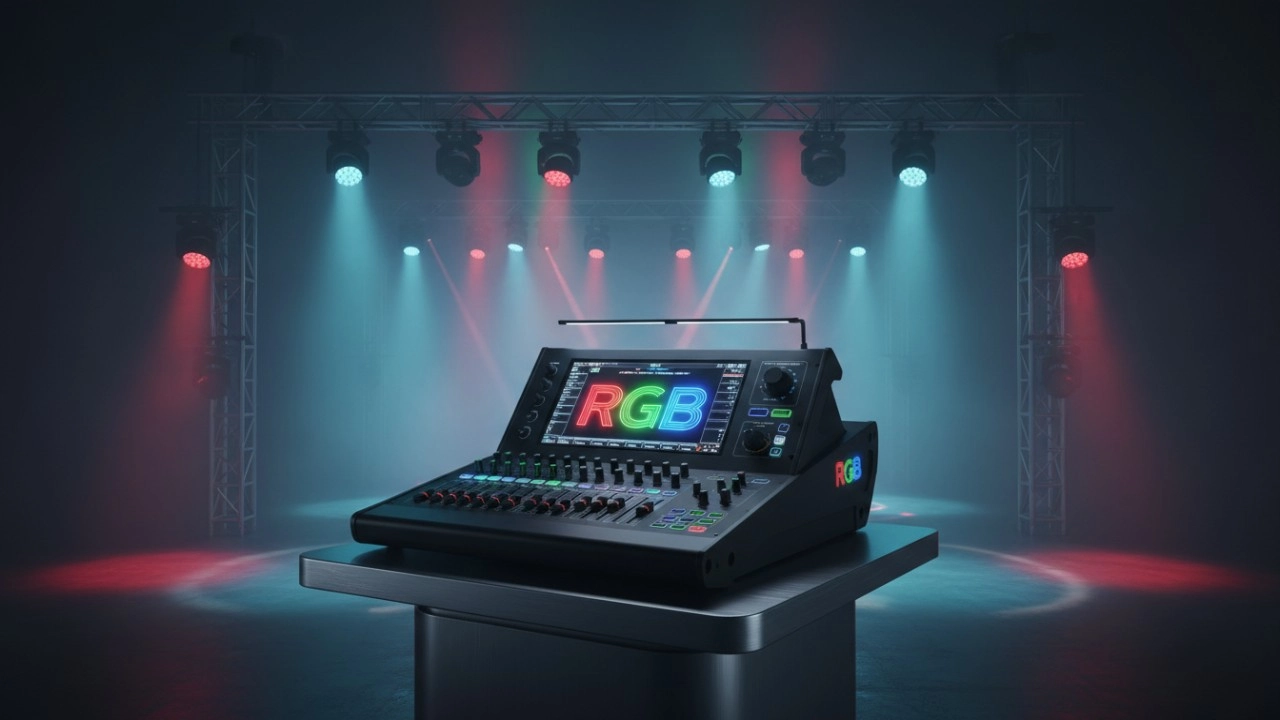
10 Best Stage Light DMX Controllers of 2026: The Definitive Buying Guide [Reviewed]
Energy Savings and Efficiency of 3 Phase Dimmer Racks
About RGB
What types of lighting control systems do you support?
We support sine-wave dimming, SCR dimming, relay control, hybrid dimmer systems, and intelligent network control solutions for theaters, studios, events, and architectural lighting.
Do you offer customized solutions for specific projects?
Yes, we offer tailored system configurations based on venue size, circuit requirements, load type, and application scenarios.
Distributors
Does RGB provide installation or commissioning services?
No. RGB only supplies dimming cabinets and technical documentation. On-site installation is handled by local integrators.
What are the after-sales support methods?
Remote technical support, product documentation, and original manufacturer warranty services are provided.
Do you offer regional exclusive agency agreements?
Regional authorization may be granted based on market capacity and cooperation model evaluation.
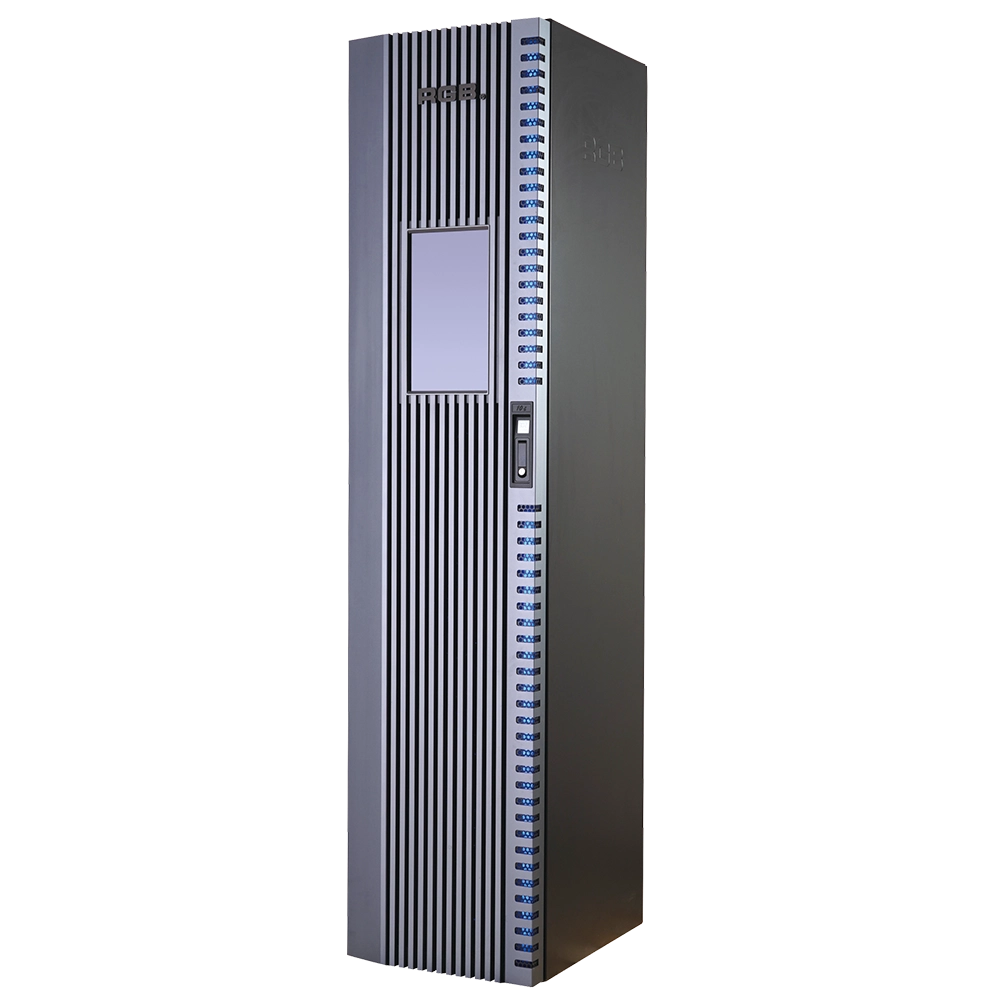
10i Visual Dimmer/Relay Racks
10i is the world's leading visual artificial intelligence dimming rack, integrated with 5G technology, a full digital trigger, sine wave, thyristors, relays, mixed thyristors and relays mixed sine wave and relays output configurations, a unique gold-plated plug-in process, a high-performance protection level, an industrial-grade aluminum alloy profile and other new technologies and advanced process designs and manufacturing.
It is suitable for the lighting control needs of different places such as high-standard grand theaters, TV stations, gymnasium and environmental intelligent lighting.
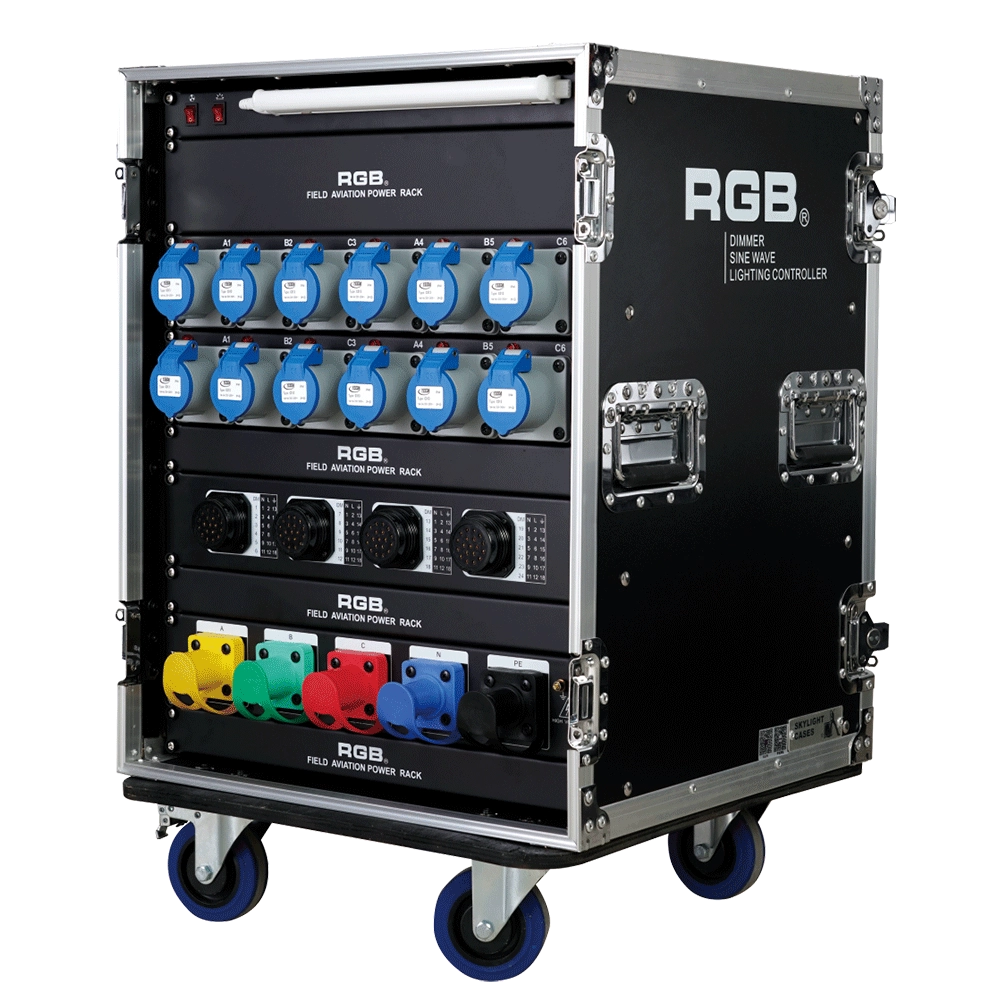
ZT2419+1216 Distribution Box
ZT2419+1216 features dual protection functions and is a power distribution product specifically designed for overcurrent and short circuits in electrical equipment. It is the best choice for mobile performance and is suitable for use in computer lamps, conventional lamps, and other equipment.
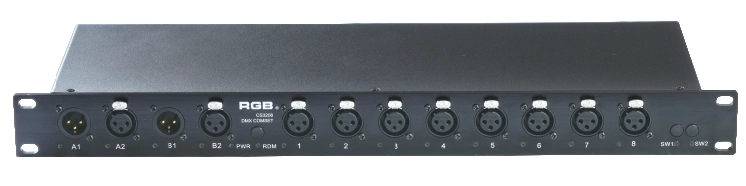
DMX&RDM Signal Mergers Amplifiers
The rack-mounted DMX signal amplifier complies with the DMX-512 standard protocol, improving the transmission quality of DMX-512 signals, ensuring the reliability of system control, and preventing faults such as reverse connection of AC high voltage in the lighting control system, high voltage intrusion due to lightning strikes, and line short circuits, which may affect the stability of the system.
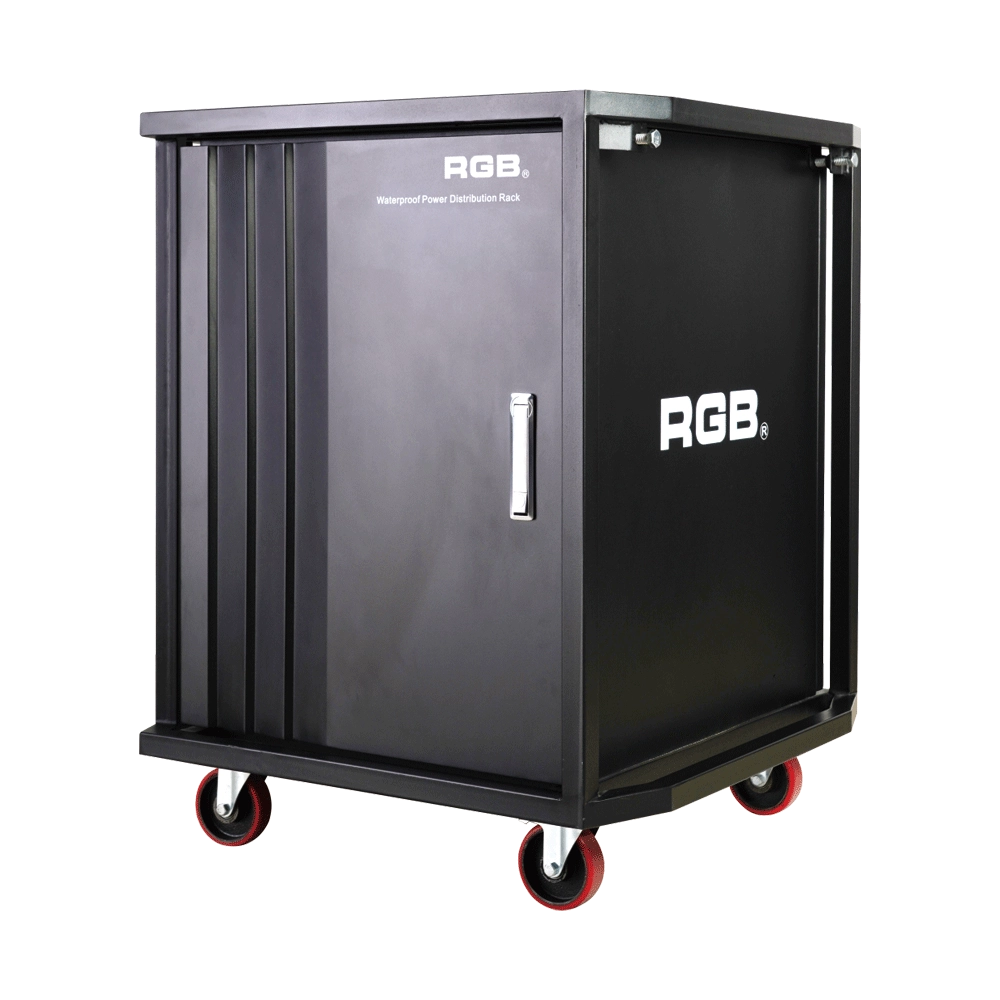
Multifunction Waterproofing Racks Of RGB-W Series
With the continuous development of flow performance, the requirement for performance is more demanding. In order to facilitate the transportation and make it easier to carry for all the equipment used in the performance, the stage light and sound equipment will be installed into a cabinet, for example, the power supply system. During the transportation process, it is inevitable for a collision or crash to take place. If the cabinet material is not strong enough, it may lead to deformation and even damage the equipment inside. Moreover, most of the existing cabinets are not waterproof. It will be very dangerous for the flow performance, as it is normal and inevitable to encounter rainy days. As the equipment inside the cabinets is electriferous, it might cause damage to the electronic equipment at least and even cause casualties at worst. Meanwhile, most of the existing cabinets can only be installed with one kind of equipment with a single variety.
In order to overcome the above-mentioned technical flaw, the RGB company has developed a new type of waterproofing multifunction cabinet of the W series. The waterproofing cabinet of the W series meets the need for the installation of dimming and tone-tuning devices, transportation, and utilization.
Expert Support
Interested in learning more or need expert guidance related to this article? Fill in your details, and our team will provide tailored support.
Intelligent Control. Brilliant Performance.
RGB specializes in stage lighting control systems, delivering intelligent, reliable, and high-performance solutions for theaters and performance spaces worldwide.
Contact
Email:
Tel:
+86 20 3928 0245
+86 20 3928 0247
Address:
No.3, Huashan Road, Shilou Town, Panyu, Guangzhou, China.
Whatsapp: +8615975520131