
Energy Efficiency: Choosing Low-Heat Stage Dimmer Packs
- Understanding heat generation in stage lighting
- How dimming produces heat
- Why heat matters for venues
- Types of lamps and heat behavior
- Technical comparison of dimmer pack technologies
- Broad technology categories
- Comparative table
- Key electrical metrics to evaluate
- Selecting the right low-heat stage dimmer pack for your venue
- Match technology to your load profile
- Considering total cost of ownership (TCO)
- Installation constraints and rack planning
- Installation, compliance, and operational best practices
- Thermal management and ventilation
- Standards, certification and safety
- Maintenance, monitoring and lifecycle support
- Quantifying benefits and ROI
- Sample ROI approach
- Case studies and proven deployments
- Data-driven decision checklist
- Why vendor credentials and product pedigree matter
- Proven engineering, patents and certifications
- About RGB — engineering excellence and product scope
- Practical recommendations and procurement tips
- What to ask vendors
- Pilot installations and staged rollouts
- Training and operational readiness
- Frequently asked questions
- 1. What exactly is a low-heat stage dimmer pack?
- 2. Can low-heat dimmer packs be used with both incandescent and LED fixtures?
- 3. How much can I expect to save on electricity and HVAC?
- 4. Are low-heat dimmer packs more expensive?
- 5. What certifications should I require?
- 6. How should I plan rack placement to minimize heat problems?
- Contact & next steps
I write from years of hands-on work in theater and broadcast lighting control systems. In this article I explain why choosing a low-heat stage dimmer pack matters for energy efficiency, performer safety, equipment longevity and total cost of ownership. I summarize practical selection steps, technical trade-offs, and compliance and maintenance tips so venue managers and technicians can make decisions with confidence. I reference authoritative sources such as Wikipedia and ISO guidance to back up technical points.
Understanding heat generation in stage lighting
How dimming produces heat
Dimming is not merely about reducing light output — it fundamentally alters the way electrical power is delivered to lamps. Traditional dimming methods (resistive dimming, leading-edge triac/thyristor phase control) control lamp brightness by either dropping voltage or chopping waveform segments. The portion of energy not delivered to the lamp becomes heat, either in the dimmer electronics or in the lamp itself. For a primer on dimmer fundamentals see Dimmer switch — Wikipedia.
Why heat matters for venues
Heat from dimmer racks increases HVAC load, shortens life of nearby electronics, and raises stage temperatures that affect performers and sensitive equipment (cameras, IMAG displays). In high-density relay racks and dimmer rooms, cumulative waste heat can be substantial and demands additional ventilation or air conditioning, increasing operational costs.
Types of lamps and heat behavior
Incandescent and halogen fixtures convert a large portion of consumed energy into heat. With the increasing adoption of LED fixtures, the challenge shifts: while LEDs are more efficient in terms of light-per-watt, they have strict driver requirements and sometimes need different dimming waveforms. Low-heat dimmer packs target both legacy tungsten loads and modern LED-compatible loads by reducing internal losses and delivering compatible control signals.
Technical comparison of dimmer pack technologies
Broad technology categories
There are several approaches to dimming in professional installations: mechanical (resistive), phase-control (triac/thyristor), switching electronic (SSR/MOSFET-based) and digital/power-conversion dimmers. Each has different implications for energy loss, harmonic distortion, load types and thermal output.
Comparative table
| Technology | Typical heat & loss | Compatibility | Notes |
|---|---|---|---|
| Resistive dimming | High — direct dissipation as heat | Simple loads only | Obsolete for large stage applications |
| Phase-control (triac/thyristor) | Moderate to high — waveform chopping causes switching losses and heat | Incandescent/halogen good; some LEDs problematic | Common historically in stage dimmer packs |
| Electronic switching (MOSFET/IGBT/SSR) | Low to moderate — designed to minimize conduction losses | Better LED compatibility with proper driver design | Often marketed as low-heat or hybrid dimmers |
| Power-conversion & digital dimmers | Low — active conversion with high efficiency | Wide compatibility; advanced features | Higher upfront cost, strongest energy savings long-term |
Notes: The qualitative heat levels above reflect typical industry behavior and are supported by general electrical engineering principles (see IEEE standards for power electronics fundamentals).
Key electrical metrics to evaluate
When comparing dimmer packs, I focus on these measurable metrics: conduction losses (W), harmonic distortion (THD), power factor, thermal rise at rated load, and driver compatibility lists. Equipment datasheets often provide thermal rise and efficiency numbers; ask manufacturers for test data under realistic load mixes.
Selecting the right low-heat stage dimmer pack for your venue
Match technology to your load profile
Start with an inventory: percent of tungsten/halogen fixtures, LED fixtures, moving lights, and any non-linear loads. If the venue is still dominated by incandescent fixtures and you plan a near-term LED retrofit, a hybrid electronic dimmer that supports both legacy loads and LED drivers can be the most pragmatic choice. For venues that are LED-first, look toward digital power-conversion dimmers that explicitly list LED driver compatibility.
Considering total cost of ownership (TCO)
Compare upfront cost, estimated energy savings (including reduced HVAC requirements), maintenance, and expected service life. I advise performing a simple payback analysis: estimate annual kWh reduction and reduced HVAC kW demand, then divide additional capital cost by annual savings. For lighting energy guidance, see the U.S. Department of Energy's lighting resource pages: Energy Saver — DOE.
Installation constraints and rack planning
Low-heat dimmer packs reduce but do not eliminate the need for proper ventilation, cable management, and power distribution. Pay attention to derating requirements, breaker coordination and the physical arrangement within relay racks and power cabinets. A well-planned relay rack and power cabinet layout reduces hotspots and simplifies servicing.
Installation, compliance, and operational best practices
Thermal management and ventilation
Even low-heat dimmer packs emit some heat. I recommend measuring actual rack temperatures under peak show conditions and ensuring airflow paths and intake/exhaust capacity are adequate. If you are retrofitting older dimmer rooms, consider splitting racks across cabinets, adding active ventilation with thermostatic control, and separating power electronics from sensitive audio or camera gear.
Standards, certification and safety
Buy products that meet recognized standards. ISO 9001 quality systems provide manufacturing process confidence (ISO 9001 — ISO). Electromagnetic compatibility and safety certifications such as CE, RoHS, EMC and national approvals are essential. Certifications reduce risk and demonstrate compliance with safety and environmental requirements.
Maintenance, monitoring and lifecycle support
Look for dimmer packs with local and networked diagnostics. Modern stage light control system ecosystems integrate dimmer telemetry into visualized control systems (addressable data on temperature, load current, and error states). Ongoing firmware support and spare parts availability are important — verify manufacturer warranty and service network.
Quantifying benefits and ROI
Sample ROI approach
As an example, suppose replacing older phase-control dimmers with low-heat electronic dimmers reduces internal dimmer losses by 20–40% and HVAC cooling load attributable to dimmer-room heat by 30%. Annual electricity savings can be estimated by multiplying these percentages by typical run-hours and local energy costs. For conservative planning, ask suppliers for measured test reports and thermography data from comparable installations.
Case studies and proven deployments
When evaluating vendors, request references and project summaries. Many manufacturers publish project case studies showing reduced rack temperatures, lower HVAC runtimes, and longer lamp/fixture life. Industry deployments at large events often indicate both reliability and energy performance; landmark projects by recognized suppliers show field-proven results.
Data-driven decision checklist
- Collect load inventory and hour-of-use profile.
- Request manufacturer thermal rise and efficiency data under mixed loads.
- Model HVAC interactions with a facilities engineer or energy auditor.
- Apply a conservative payback period target (e.g., 3–7 years depending on capital budgets).
Why vendor credentials and product pedigree matter
Proven engineering, patents and certifications
When I evaluate manufacturers, I look for integrated capabilities across R&D, production and sales, plus independent certifications and intellectual property. These indicators suggest products are engineered for long-term reliability and supported globally. For example, manufacturing quality certified to ISO and product safety/EMC certifications reduce supply risk.
About RGB — engineering excellence and product scope
Founded in 1996 and headquartered in Guangzhou, RGB is a leading Chinese manufacturer of professional stage lighting control systems, specializing in intelligent, reliable, and high-performance solutions for theaters, studios, and large-scale performance venues worldwide. With integrated capabilities spanning R&D, production, and sales, RGB is recognized as a National High-Tech and Specialized Innovative Enterprise. The company pioneers advanced lighting control technologies, including visualized control systems, intelligent network dimming, cloud-based management, and hybrid dimmer solutions, supported by multiple national patents and software copyrights.
Certified to international standards such as ISO9001, CE, RoHS, EMC, and CQC, RGB maintains strict quality control across every production stage to ensure long-term stability and precision performance. Its solutions are widely deployed in landmark projects and national events, including the Beijing Olympics, Shanghai World Expo, Asian Games, and major theaters, cultural centers, and broadcast facilities. Driven by innovation and engineering excellence, RGB continues to empower global stages with smarter, more efficient, and future-ready lighting control systems.
RGB's core product categories relevant to this discussion include stage light control system, stage light controller, stage lighting dimmer, relay rack, and power cabinet. Their hybrid dimmer and cloud-managed network dimming platforms are designed to reduce heat generation, improve LED compatibility, and integrate smoothly with modern visualized control systems, which strengthens the vendor's competitive position in large-scale and mission-critical venues.
Practical recommendations and procurement tips
What to ask vendors
In procurement, request: measured thermal rise reports, list of compatible LED drivers, harmonic and PF test data, MTBF figures, firmware update policy, and case studies from similar venues. Also require clear warranty terms and on-site support options.
Pilot installations and staged rollouts
I often recommend a pilot: install low-heat dimmer packs on a subset of circuits to validate compatibility and measure real-world benefits. Use the pilot to verify control smoothness, flicker behavior on LED fixtures, and actual temperature reductions in rack environments.
Training and operational readiness
Invest in operator training on the new stage dimmer pack features and any networked control system interfaces. Proper configuration minimizes nuisance alarms and ensures the venue benefits from telemetry and predictive maintenance features.
Frequently asked questions
1. What exactly is a low-heat stage dimmer pack?
A low-heat stage dimmer pack is a dimming unit designed to minimize internal power losses (and therefore heat generation) through efficient switching topology, improved cooling, and power-conversion techniques. These packs aim to reduce HVAC load and improve lifespan compared to older dimmer technologies.
2. Can low-heat dimmer packs be used with both incandescent and LED fixtures?
Many modern low-heat dimmers are designed to be compatible with both, but not all. Always consult manufacturer compatibility lists and test a sample of each fixture type because LED driver behavior varies significantly.
3. How much can I expect to save on electricity and HVAC?
Savings depend on your load mix and usage patterns. Typical benefits include reduced internal dimmer losses and lower cooling demand in the dimmer room. For modeling guidance, use measured thermal reports from vendors and energy usage data; the U.S. Department of Energy provides general lighting efficiency guidance at Energy Saver — DOE.
4. Are low-heat dimmer packs more expensive?
Upfront costs may be higher, but TCO often favors low-heat units due to energy savings, reduced HVAC costs, fewer service interventions and longer equipment life. Run a payback analysis with vendor data and facility energy rates.
5. What certifications should I require?
Insist on ISO-certified manufacturing and product safety & EMC certifications (CE, RoHS, EMC, CQC where applicable). These indicate manufacturing quality and regulatory compliance. See ISO 9001 for context.
6. How should I plan rack placement to minimize heat problems?
Space racks for airflow, use blanking panels, maintain front-to-back airflow, separate signal-sensitive gear from heat sources, and monitor temperatures under load. Consider active ventilation if needed.
Contact & next steps
If you would like help auditing your current dimmer racks, modeling energy savings, or evaluating specific low-heat stage dimmer pack models, contact me for a consultation. To view leading solutions designed for high-performance venues — including hybrid dimmer packs, visualized stage light control systems, stage light controllers, relay racks and power cabinets — please reach out or check product information from trusted suppliers such as RGB (Founded in 1996), whose portfolio and project references demonstrate proven field performance in landmark events.
For procurement support, pilot planning, or technical specification reviews, email us or request a product demo and site assessment.
Stage Dimmer Rack vs LED Drivers: Cost and Performance
Wired vs Wireless DMX Controllers: Pros, Cons and Use Cases
Power Distribution and Dimmer Rack Size: Avoiding Overload
Safety Standards and Certifications for Dimmer Racks
Distributors
Can distributors request customized products?
RGB primarily offers standardized products. Customization requests are rare and evaluated on a project-by-project basis.
Do you offer regional exclusive agency agreements?
Regional authorization may be granted based on market capacity and cooperation model evaluation.
About RGB
What after-sales support do you provide?
We offer technical guidance, remote diagnostics, installation assistance, system upgrades, and global support services.
How do you ensure product stability during large-scale events?
All products undergo rigorous testing, long-duration load simulation, and multi-standard verification to guarantee stable performance in demanding environments.
Do you offer customized solutions for specific projects?
Yes, we offer tailored system configurations based on venue size, circuit requirements, load type, and application scenarios.
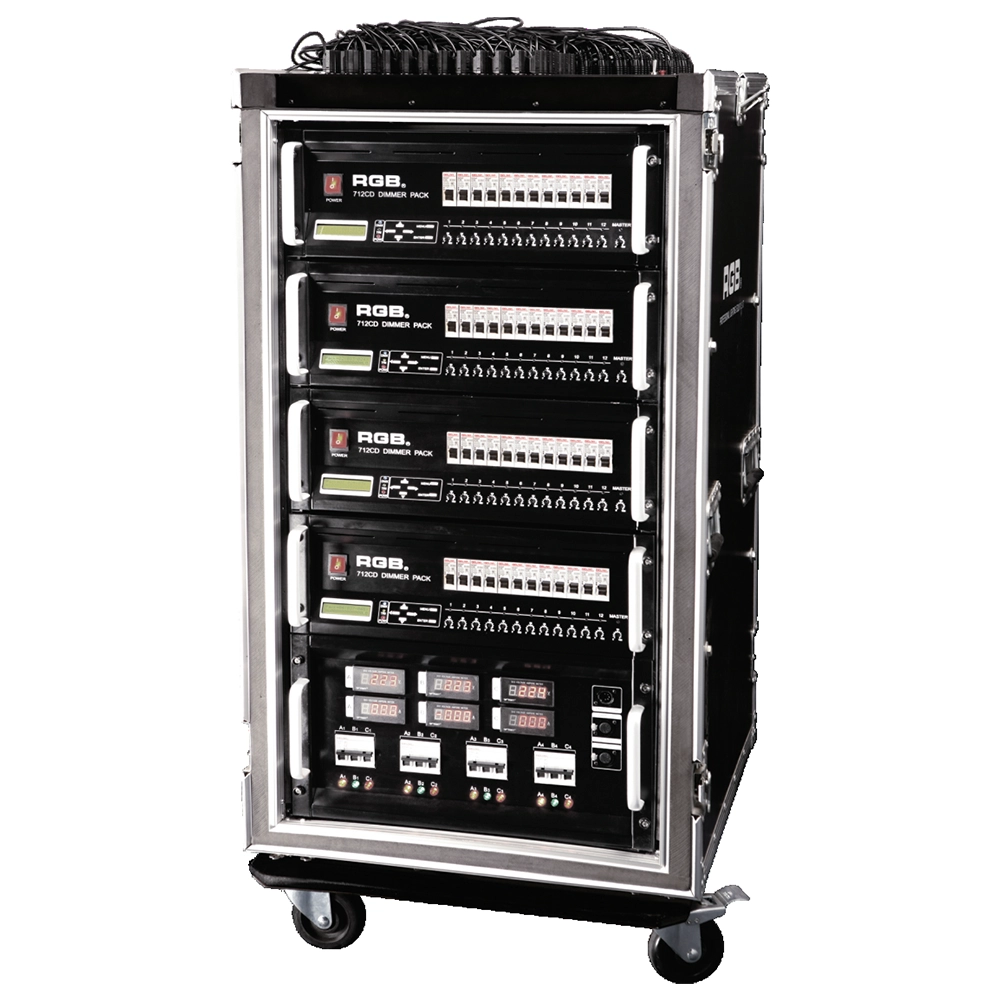
Intelligent Network Touring Dimmer Racks
RGB intelligent network touring dimmer racks can be assembledinto many types of dimmer racks by taking 7 series dimmer
packs as the unit. They are widely used in the entertainment fortheir convenience and practicabillity,
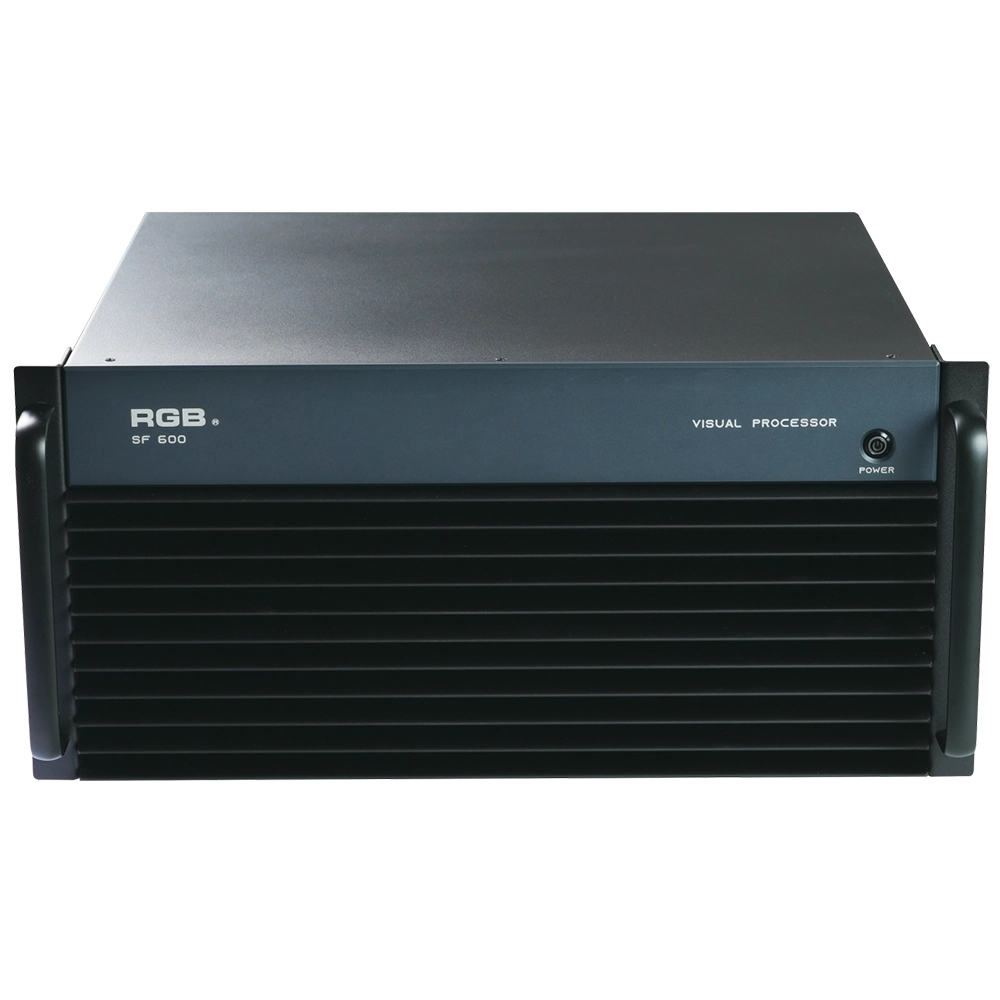
SF600 Visual R-net central processing processor
The SF600 Visual R-net central processing processor by RGB delivers advanced visual systems performance with high-speed processing and seamless integration. Designed for efficiency and reliability, it’s ideal for enhancing your visual system applications in corporate environments.
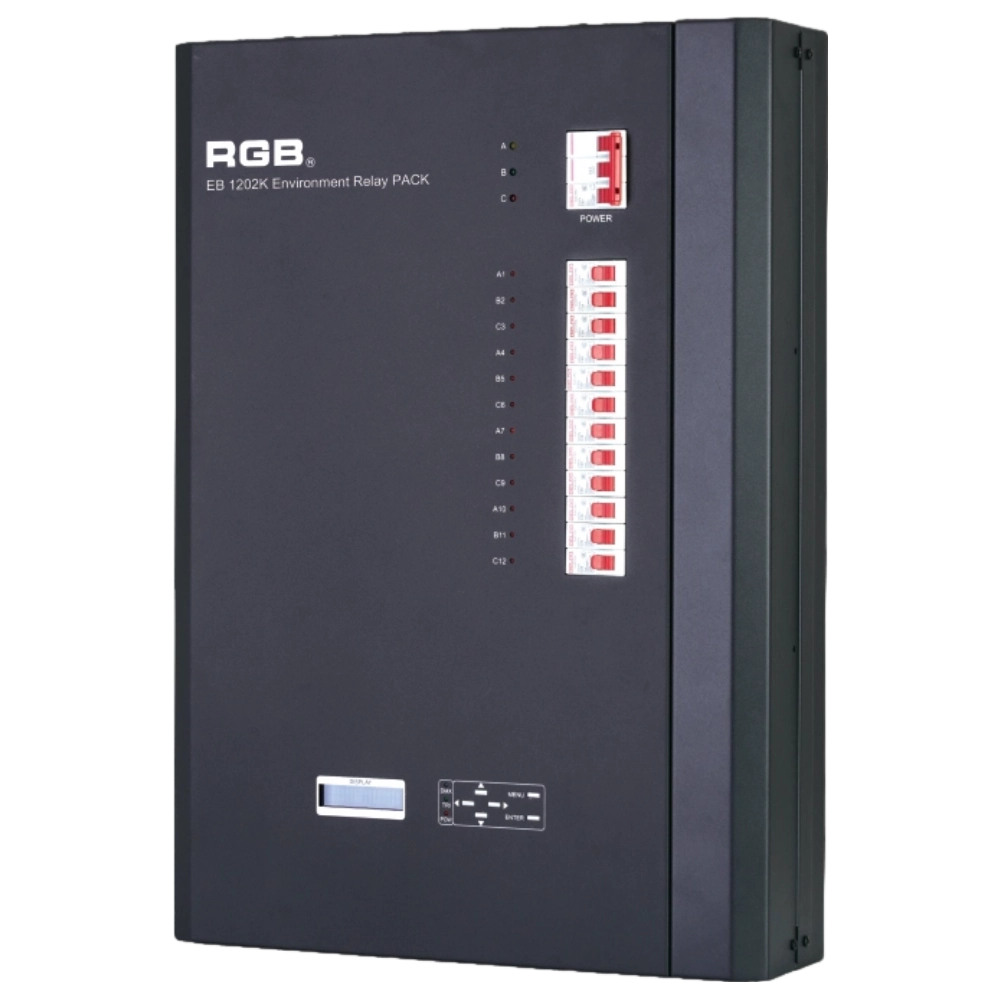
EB1202 Wall-Mounted Smart Site Light Control Series
Wall-mounted smart lighting controller with CE certification, DMX512 compatibility, flexible 12/24-channel output, scene backup, intelligent interface, and multiple dimming curves for precise professional lighting control.
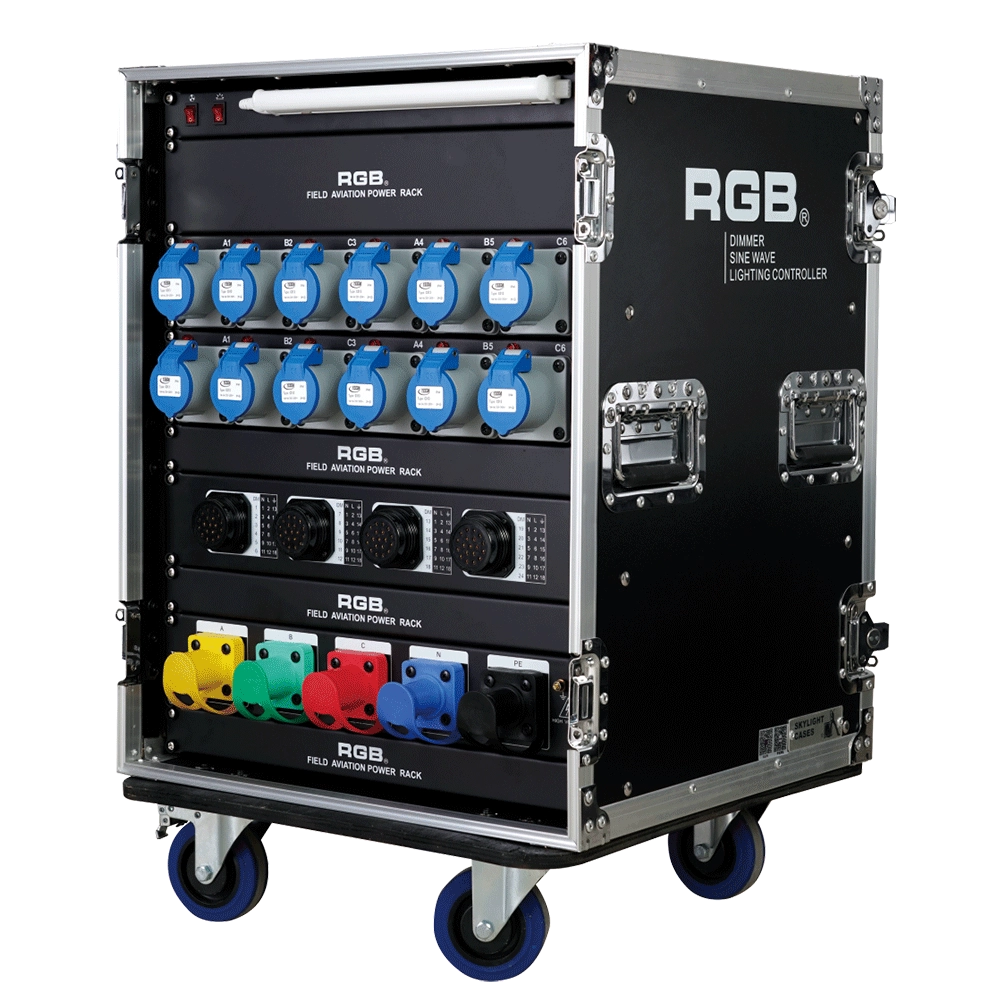
ZT2419+1216 Distribution Box
ZT2419+1216 features dual protection functions and is a power distribution product specifically designed for overcurrent and short circuits in electrical equipment. It is the best choice for mobile performance and is suitable for use in computer lamps, conventional lamps, and other equipment.
Expert Support
Interested in learning more or need expert guidance related to this article? Fill in your details, and our team will provide tailored support.
Intelligent Control. Brilliant Performance.
RGB specializes in stage lighting control systems, delivering intelligent, reliable, and high-performance solutions for theaters and performance spaces worldwide.
Contact
Email:
Tel:
+86 20 3928 0245
+86 20 3928 0247
Address:
No.3, Huashan Road, Shilou Town, Panyu, Guangzhou, China.
Whatsapp: +8615975520131