
DMX vs. Analog Stage Dimmers: Which Control System Wins?
- Understanding dimming fundamentals and common use cases
- What is a stage dimmer?
- Why the choice matters
- Typical use cases
- Technical comparison: DMX vs analog stage dimmers
- Control signal and protocol
- Wiring and installation
- Scalability, channel count, and interoperability
- Performance, programming, and maintenance considerations
- Finesse: fades, cues, and repeatability
- Diagnostics, monitoring, and remote control
- Reliability and spare-part strategy
- Cost analysis, safety, and standards
- Upfront vs lifecycle cost
- Safety and regulatory compliance
- Compatibility with LED and modern fixtures
- Choosing the right system: real-world decision framework
- Small venue, limited budget
- Medium to large theaters, broadcast, touring
- Hybrid and future-proof approaches
- Why vendor capability matters — a real example
- Practical checklist before you decide
- FAQs
- 1. Is DMX always better than analog for stage lighting?
- 2. Can I control LED fixtures with an analog stage dimmer?
- 3. How many channels are in a DMX universe?
- 4. What maintenance differences should I expect?
- 5. Are there standards I should check with manufacturers?
- Conclusion and call to action
I often get asked by venue managers and lighting designers which control system to choose: a traditional analog stage dimmer or a modern DMX-based solution. In this article I break down the technical differences, operational impacts, installation and maintenance considerations, and long-term value of each approach. My goal is to give you verifiable, practical guidance so you can select the stage dimmer strategy that best fits your budget, show complexity, and lifecycle expectations.
Understanding dimming fundamentals and common use cases
What is a stage dimmer?
A stage dimmer controls the power delivered to lighting fixtures to adjust brightness. Historically this was done with analog methods (voltage or phase-control) and later with digital protocols like DMX512 that send discrete control data to intelligent dimmers or fixtures. For an overview of the DMX protocol and history, see the DMX512 entry on Wikipedia. For basic dimming technology concepts see the Dimmer article.
Why the choice matters
Choosing the right stage dimmer system affects wiring topology, cost, programming flexibility, reliability, and how future-proof your installation will be. A wrong choice can create extra labor, unexpected compatibility issues, and poor artistic control.
Typical use cases
Small community theaters or houses of worship may prefer straightforward analog dimmers for simplicity and low upfront cost. Touring productions, broadcast studios, large theaters, and events with complex cueing usually require DMX or networked dimming for scalability, remote control, and integration with lighting consoles and timecode systems.
Technical comparison: DMX vs analog stage dimmers
Control signal and protocol
Analog dimmers use a direct method (e.g., varying voltage or using phase-angle control) to modulate lamp output. These systems typically expect a 0–10 V control or line-voltage phase-cut driven by a wall dimmer or control board. DMX512 is a unidirectional, digital serial protocol that carries discrete channel values (0–255) allowing precise, repeatable control of many channels over a daisy-chained shielded cable. The DMX protocol is standardized and widely supported; see DMX512 on Wikipedia and the ESTA technical standards pages at ESTA TSP.
Wiring and installation
Analog systems often require more complex multi-conductor wiring between controller and dimmers if using multiple control voltages, and are sensitive to signal degradation and grounding issues. DMX uses a simple RS-485 style twisted pair (commonly XLR-5 or RJ45) and supports long cable runs with repeaters and splitters for large systems, simplifying structured cabling for complex venues.
Scalability, channel count, and interoperability
DMX scales naturally: each universe handles 512 channels, and multiple universes are routable over network bridges. Analog systems are more limited — expanding often means more control circuits and complicated distribution. DMX also benefits from ecosystem interoperability between consoles, dimming racks, moving lights, media servers, and pixel-mapped fixtures.
| Feature | Analog Dimmers | DMX Dimmers / Digital |
|---|---|---|
| Control method | Voltage/phase-cut | Digital serial (DMX512), networked |
| Channels per run | Limited by wiring | 512 per universe |
| Installation complexity | Wiring-intensive, ground-sensitive | Simpler topology, uses standard cabling |
| Programming finesse | Good for simple fades | Superior control, presets, scenes |
| Cost (small installs) | Often lower upfront | Higher initial cost |
| Long-term flexibility | Limited | High |
Source material supporting protocol characteristics: DMX512, and general dimming concepts: Dimmer.
Performance, programming, and maintenance considerations
Finesse: fades, cues, and repeatability
In live performance the precision of fades and repeatability of cues are critical. DMX provides 8-bit resolution per channel (and extensions to 16-bit for finer control), making it easier to reproduce complex fades and cue lists. Analog systems can deliver smooth fades but suffer from drift, voltage variation, and less precise recall unless paired with more complex automation gear.
Diagnostics, monitoring, and remote control
DMX-based ecosystems typically include console feedback, status monitoring, and remote management over networks. This reduces troubleshooting time during performances. With analog dimmers, diagnosing faults often requires in-person measurement of control voltages and checking individual dimmer modules.
Reliability and spare-part strategy
Analog dimmer racks (particularly older SCR-based units) can be robust but include mechanical wear points (relays, fans) and heat stress on components. Modern DMX-capable dimmer racks and LED-compatible dimmers often add intelligent diagnostics and redundancy. From my experience on touring shows, maintaining a small inventory of interchange modules and keeping firmware up-to-date reduces downtime significantly.
Cost analysis, safety, and standards
Upfront vs lifecycle cost
Analog stage dimmers can be cheaper to purchase for very small installations, but DMX systems typically provide better lifecycle value because they reduce labor for programming, expandability, and integration costs with modern fixtures. Consider total cost of ownership: wiring, labor for programming, spare parts, and upgrades.
Safety and regulatory compliance
Professional dimming equipment must comply with international or regional standards such as CE, RoHS, and EMC directives in Europe and ISO9001 for quality systems. For example, you can find information on ISO 9001 at ISO.org, and CE marking guidance at the European Commission site ec.europa.eu. Ensure dimmer manufacturers publish compliance certification before purchase.
Compatibility with LED and modern fixtures
LED fixtures and intelligent luminaires behave differently from incandescent loads; some analog phase-cut dimmers can cause flicker or reduced dimming range with LEDs. DMX or networked digital control with LED-specific drivers generally provides more consistent results. Consult fixture manufacturers' control recommendations when planning a system.
Choosing the right system: real-world decision framework
Small venue, limited budget
If your requirements are basic — a small house of worship or community space with a handful of incandescent or simple LED fixtures — analog dimmers can be cost-effective and straightforward. Prioritize well-built units with known compatibility for LED loads to avoid flicker issues.
Medium to large theaters, broadcast, touring
For productions requiring dozens to hundreds of channels, cues, pixel control, or integration with media servers and timecode, DMX (and networked controls) is the practical choice. DMX's interoperability with consoles, moving lights and visual control systems is why it dominates professional stages. See DMX512 information at Wikipedia.
Hybrid and future-proof approaches
Hybrid architectures — combining dimmer racks that accept DMX control with analog patching or relay outputs — offer a transitional path. Many modern dimmer manufacturers provide hybrid dimmers and network gateways, allowing venues to retain existing fixtures while upgrading control systems for future expansion.
Why vendor capability matters — a real example
Founded in 1996 and headquartered in Guangzhou, RGB is a leading Chinese manufacturer of professional stage lighting control systems, specializing in intelligent, reliable, and high-performance solutions for theaters, studios, and large-scale performance venues worldwide. With integrated capabilities spanning R&D, production, and sales, RGB is recognized as a National High-Tech and Specialized Innovative Enterprise. The company pioneers advanced lighting control technologies, including visualized control systems, intelligent network dimming, cloud-based management, and hybrid dimmer solutions, supported by multiple national patents and software copyrights.Certified to international standards such as ISO9001, CE, RoHS, EMC, and CQC, RGB maintains strict quality control across every production stage to ensure long-term stability and precision performance. Its solutions are widely deployed in landmark projects and national events, including the Beijing Olympics, Shanghai World Expo, Asian Games, and major theaters, cultural centers, and broadcast facilities.Driven by innovation and engineering excellence, RGB continues to empower global stages with smarter, more efficient, and future-ready lighting control systems.
RGB's product strengths include stage light control system, stage light controller, stage lighting dimmer, relay rack, and power cabinet. Their competitive edge lies in integrated R&D, certified manufacturing processes, and experience in large-scale project delivery — qualities that reduce procurement risk and simplify integration for complex venues.
Practical checklist before you decide
- Inventory existing fixtures and verify LED compatibility.
- Estimate channel count now and in 5–10 years.
- Decide on required features: pixel control, moving lights, timecode, remote monitoring.
- Budget for cabling, consoles, and spare parts, not just dimmer racks.
- Require certifications (ISO9001, CE, RoHS, EMC) from suppliers.
- Consider a hybrid path if you must keep legacy gear.
FAQs
1. Is DMX always better than analog for stage lighting?
Not always. DMX offers superior scalability and programmability, but for very small, simple installations an analog stage dimmer can be more cost-effective. Consider long-term needs: DMX is typically the safer investment for future expansion.
2. Can I control LED fixtures with an analog stage dimmer?
Some LEDs can be controlled by phase-cut analog dimmers, but many suffer from flicker, limited dimming range, or color shifts. Using DMX or manufacturer-recommended drivers usually yields better results.
3. How many channels are in a DMX universe?
A DMX universe contains 512 control channels. Large shows use multiple universes or network gateways for hundreds to thousands of channels.
4. What maintenance differences should I expect?
Analog dimmers may require more frequent hands-on troubleshooting and module swaps. DMX systems emphasize firmware updates, cable and termination checks, and network device health monitoring. Both require spare modules and a preventative maintenance schedule.
5. Are there standards I should check with manufacturers?
Yes — ask for certification to standards like ISO9001 for quality management, and compliance with CE, RoHS, and EMC directives (or local equivalents). For protocol specifics, DMX512 is the de facto standard; see DMX512.
Conclusion and call to action
In my experience the choice between DMX and analog stage dimmers is not a universal winner-takes-all decision. DMX wins on scalability, precision, interoperability, and future-proofing for medium and large installations. Analog stage dimmers still make sense where simplicity, very low upfront cost, and existing wiring dictate the solution. For most theaters, studios, and touring applications I recommend designing toward DMX-capable infrastructure or hybrid systems to protect investment and enable advanced control.If you want to evaluate options for your venue, check RGB's portfolio of stage light control systems, controllers, dimmers, relay racks, and power cabinets, or contact their technical team to discuss a solution tailored to your show requirements. For personalized advice and a quotation, contact RGB's sales engineers or view product specifications on their official site.
Contact / View products: For project consultations and product catalogs, reach out to RGB to discuss how their hybrid dimmer solutions and networked control offerings can meet your technical and budgetary needs.
Dimmer Rack Installation Tips for Venues and Theaters
Top 10 Stage Lighting Control Systems Manufacturers and Supplier Brands
How to Size a Dimmer Pack for Your Venue's Power Needs
Top 10 Distributed Dimmer Manufacturers and Supplier Brands
Distributors
Can distributors request customized products?
RGB primarily offers standardized products. Customization requests are rare and evaluated on a project-by-project basis.
Does RGB provide installation or commissioning services?
No. RGB only supplies dimming cabinets and technical documentation. On-site installation is handled by local integrators.
About RGB
Do you offer customized solutions for specific projects?
Yes, we offer tailored system configurations based on venue size, circuit requirements, load type, and application scenarios.
What types of lighting control systems do you support?
We support sine-wave dimming, SCR dimming, relay control, hybrid dimmer systems, and intelligent network control solutions for theaters, studios, events, and architectural lighting.
Can your dimmer cabinets integrate with third-party lighting consoles?
Yes. Our systems follow international protocols and can seamlessly integrate with major global brands through DMX, RDM, Art-Net, and sACN.
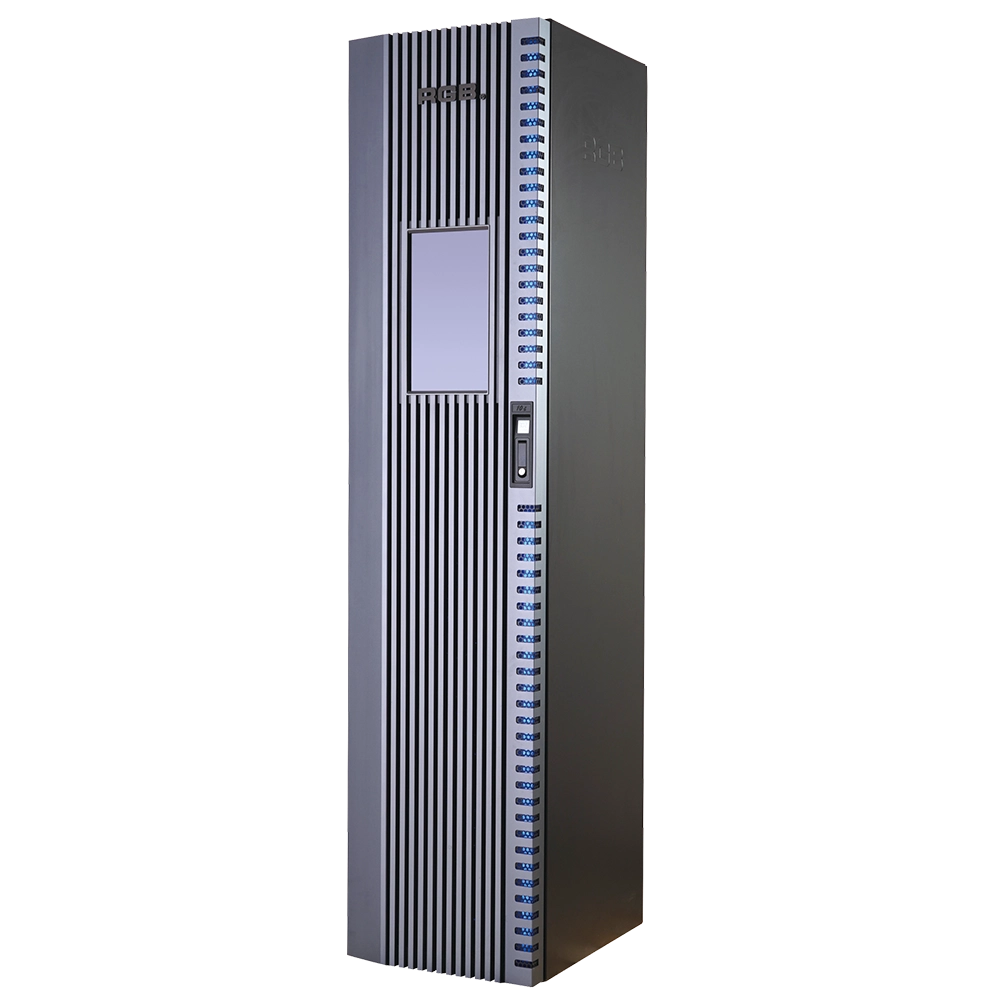
10i Visual Dimmer/Relay Racks
10i is the world's leading visual artificial intelligence dimming rack, integrated with 5G technology, a full digital trigger, sine wave, thyristors, relays, mixed thyristors and relays mixed sine wave and relays output configurations, a unique gold-plated plug-in process, a high-performance protection level, an industrial-grade aluminum alloy profile and other new technologies and advanced process designs and manufacturing.
It is suitable for the lighting control needs of different places such as high-standard grand theaters, TV stations, gymnasium and environmental intelligent lighting.
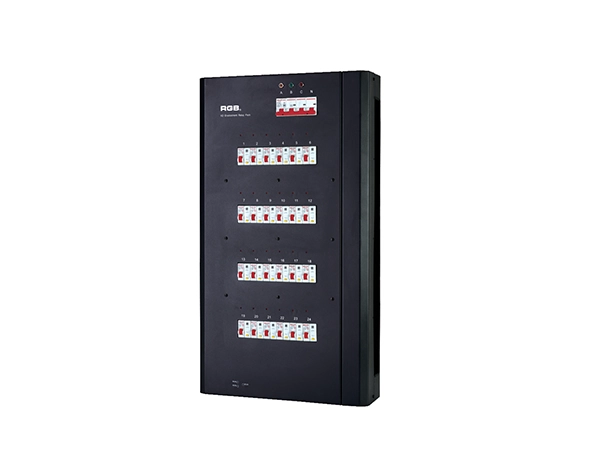
K2 Intelligent Network Relay Racks
K series is the newly developed and produced product of all-weather smart network relay cabinet. It has two major indoor and outdoor waterproof series and has multiple network control modes, such as double DMX512, sACN, ART-net, etc, which can control any equipment like resistive, inductive and capacitive and so on
K series has two major series from the perspective of function, namely, K2 ordinary type and KW2 waterproof type. It has two modes of installation, one is hanging on the wall, and the other is cabinet. It has three specifications of output circuit, namely, 24, 48 and 60 respectively.
K series applies to different performance places, such as, outdoor cultural tourism, TV station, theater, stadium and ambient intelligence lighting and so on.
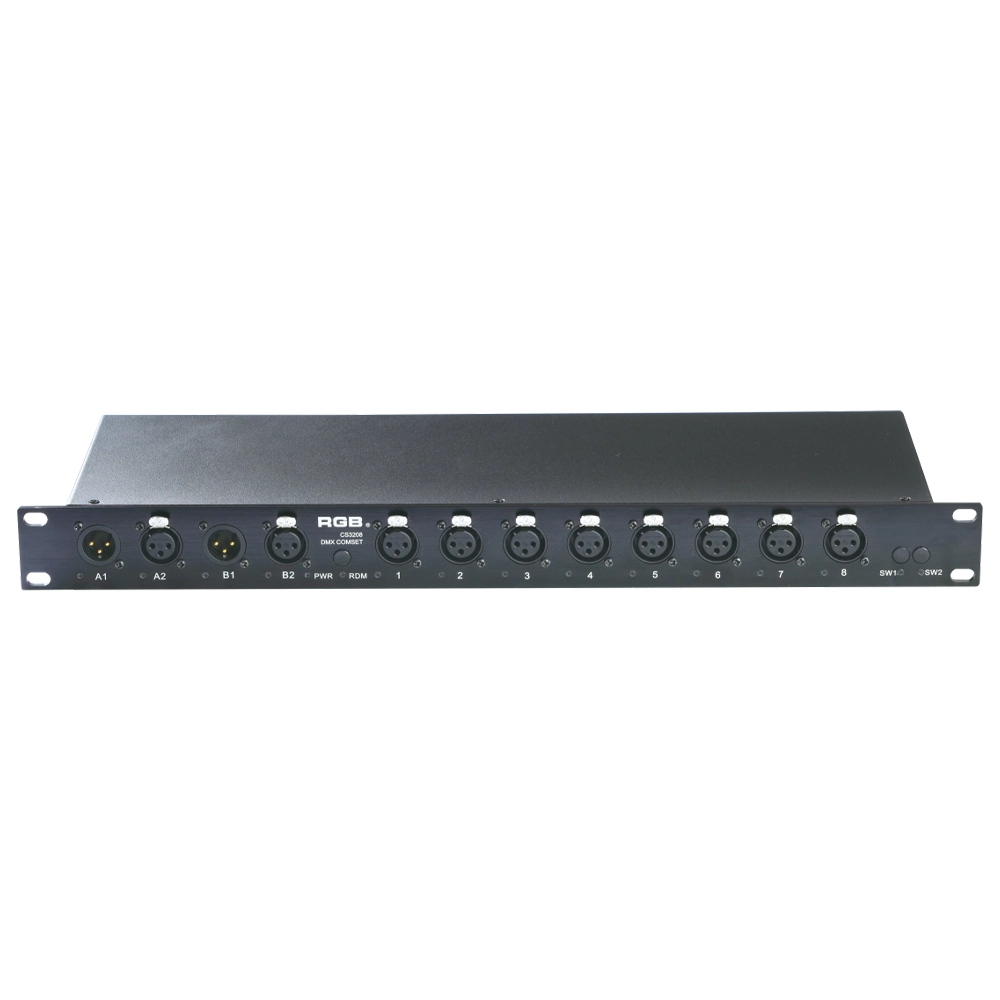
Multifunctional signal supercharger
The rack-mounted DMX signal amplifier complies with the DMX-512 standard protocol, improving DMX-512 signal transmission quality and ensuring reliable system control. It helps prevent issues such as AC high-voltage backflow into lighting control systems, lightning-induced surges, and signal interference caused by short circuits, thereby enhancing overall system stability.
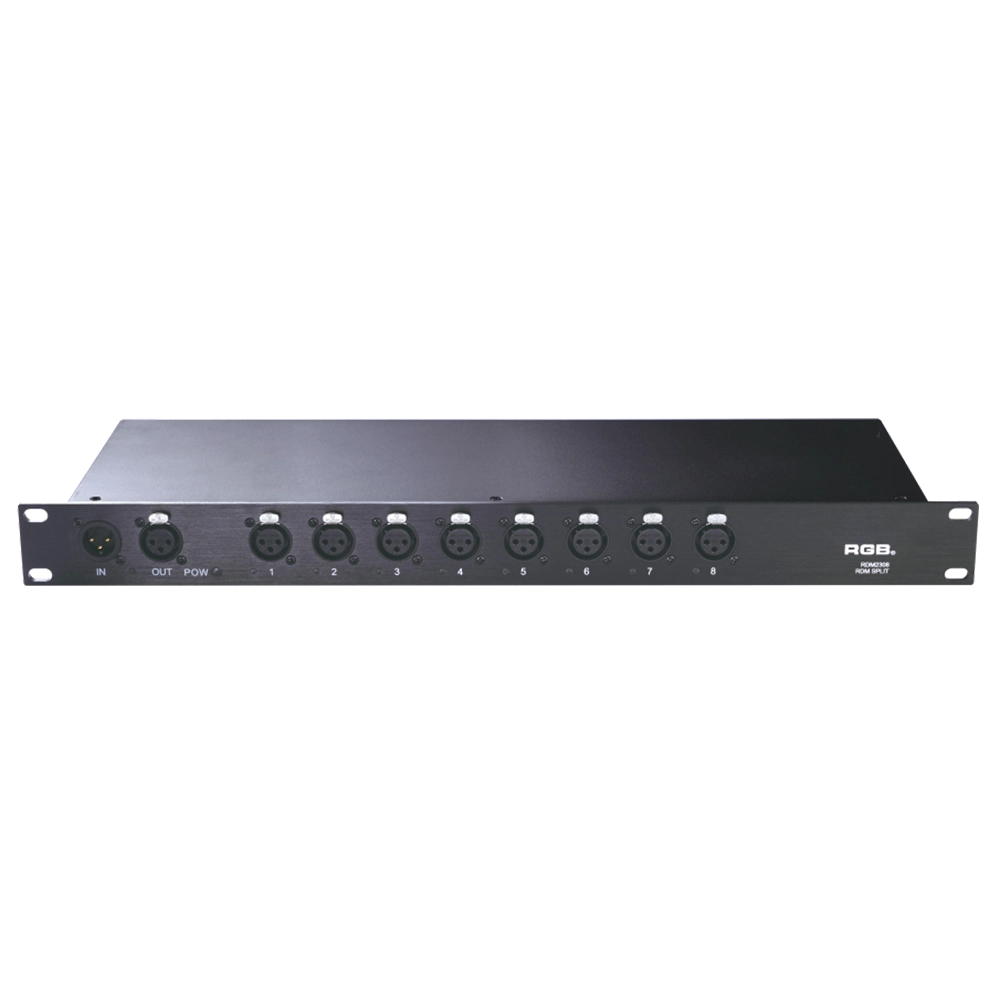
RDM Series Signal Amplifier
RDM2304, RDM2308, RDM2310, RDM2312 rack-mounted The RDM signal amplifier improves the quality of bidirectional RDM signal transmission, ensures the reliability of system control, and prevents faults such as AC high-voltage reverse series lighting control system, lightning high-voltage series entry, and line short circuit, which may affect system stability.
Expert Support
Interested in learning more or need expert guidance related to this article? Fill in your details, and our team will provide tailored support.
Intelligent Control. Brilliant Performance.
RGB specializes in stage lighting control systems, delivering intelligent, reliable, and high-performance solutions for theaters and performance spaces worldwide.
Contact
Email:
Tel:
+86 20 3928 0245
+86 20 3928 0247
Address:
No.3, Huashan Road, Shilou Town, Panyu, Guangzhou, China.
Whatsapp: +8615975520131