
The Master Guide to DMX Nodes (2026 Edition): Everything from Hardware to High-Speed Control
- What Is a DMX Node and Why Is It Critical for Modern Lighting?
- Quick Summary: Key Takeaways for Lighting Pros
- The Shift from Standard DMX to DMX-Over-Ethernet
- Protocols Explained: Art-Net vs. sACN in 2026
- Hardware Breakdown: Choosing the Right DMX Node
- Step-by-Step Guide: Configuring Your First DMX Node
- DMX Node vs. Splitter: What is the Difference?
- Expert Tips: Common Mistakes and How to Avoid Them
- Case Study: High-Density Control with Guangzhou RGB Lighting
- Conclusion & Call to Action
What Is a DMX Node and Why Is It Critical for Modern Lighting?
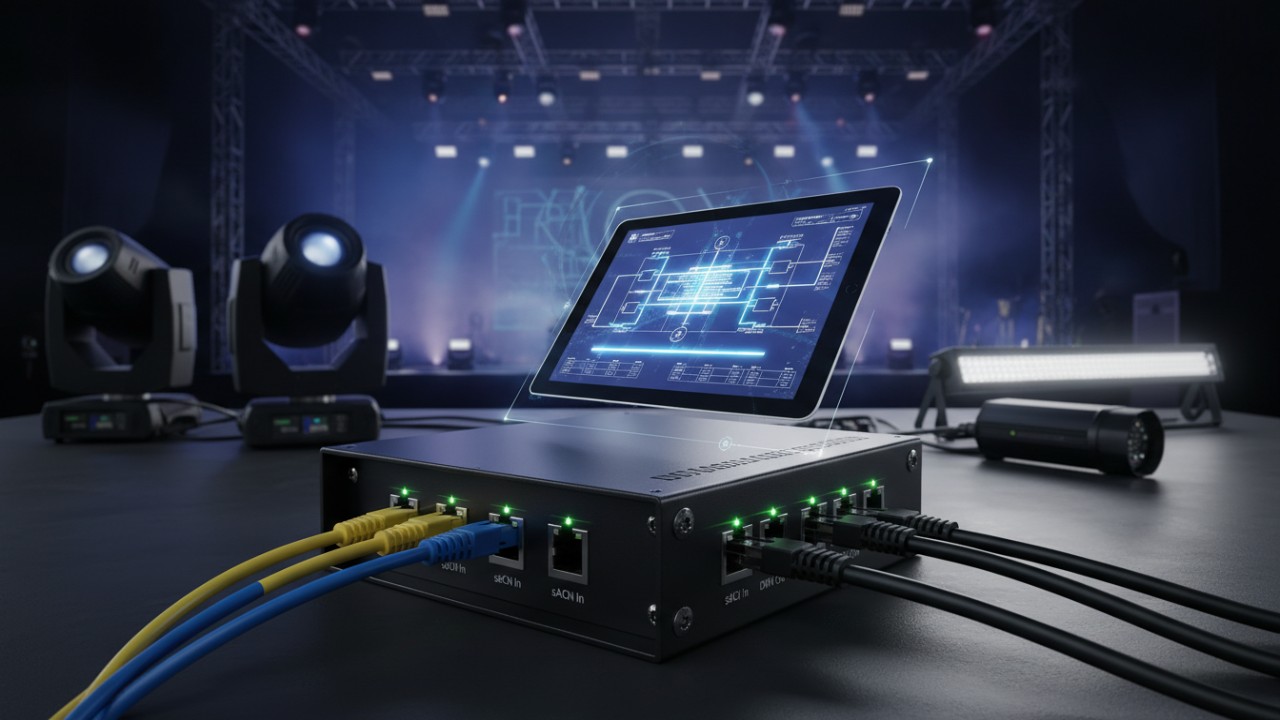
A DMX node, often called an Ethernet-to-DMX gateway, is a hardware device that converts digital network protocols like Art-Net or sACN into physical DMX512 signals for lighting fixtures. Think of it as a specialized translator that takes high-speed traffic from your lighting console and breaks it down into individual lanes for your lights.
In the past, lighting rigs were limited by the physical constraints of DMX cables. Today, an Ethernet DMX converter allows you to expand your lighting universes beyond the local ports on your console. By leveraging Ethernet infrastructure, you can transmit data over vast distances without signal degradation, allowing for virtually unlimited scalability in complex stage environments.
- Scalability: Effortlessly add more universes without upgrading your console hardware.
- Flexibility: Place nodes exactly where you need them (on trusses, walls, or racks).
- Efficiency: Reduce cable clutter by running a single Cat6 cable instead of multiple copper DMX snakes.
Quick Summary: Key Takeaways for Lighting Pros
DMX nodes are the essential bridge between modern control software and physical lighting fixtures, replacing bulky copper infrastructure with lightweight Ethernet cabling. They are the backbone of any professional rig, enabling advanced features like remote device management and high-density control.
If you are upgrading your system in 2026, keep these core points in mind:
- Infrastructure: Nodes allow you to use standard network switches and cables, which are cheaper and more robust than DMX cable runs.
- Protocols: They are required to utilize scan lighting control and Art-Net, the industry standards for multi-universe data.
- Bidirectional: Modern nodes are RDM-compliant nodes, meaning they can send feedback (like lamp hours or errors) from the light back to the console.
- Selection: Your choice of node depends heavily on your mounting needs (truss vs. rack) and universe count.
The Shift from Standard DMX to DMX-Over-Ethernet
The transition to DMX-over-Ethernet is driven by the need to overcome the 512-channel limit of traditional DMX cables and the signal degradation issues associated with long copper runs. A standard DMX cable can only carry one universe, whereas a single Ethernet cable can carry hundreds.
Traditional "daisy-chain" topologies are fragile; if one cable fails, the entire line goes down. By switching to a "star topology" using network switches and Art-Net to DMX gateway devices, you create a fail-safe system. If one node fails, the rest of the rig continues to operate without interruption. Furthermore, Ethernet supports reliable data transmission up to 100 meters (328 ft) without the need for active boosters.
- Capacity: Move from 1 universe per cable to thousands per network line.
- Reliability: Network switches actively manage data traffic, reducing collisions and lag.
- Future-Proofing: Ethernet infrastructure is ready for next-gen protocols like IPv6 and RDMnet.
Protocols Explained: Art-Net vs. sACN in 2026
Art-Net is a user-friendly, broadcast-based protocol ideal for quick setups, while sACN (Streaming ACN) is the professional standard optimized for managing large-scale networks via multicast. Choosing the right protocol is critical for ensuring your network remains stable under heavy data loads.
According to Artistic Licence, the creators of Art-Net, the protocol is designed for simplicity but can flood a network with data if not managed correctly. In contrast, sACN lighting control (defined by the ESTA E1.31 standard) is preferred for mission-critical environments because it supports "Priority," allowing a backup console to instantly take over if the main console fails.
- Art-Net: Best for pixel mapping, smaller gigs, and simple configuration. Beware of broadcast storms on large networks.
- sACN (E1.31): Best for touring, large venues, and setups requiring redundancy. It uses multicast to send data only where it is needed.
- RDMnet (E1.33): The emerging standard for 2026, allowing for scalable remote device management over IP, solving the discovery limitations of older protocols.
Hardware Breakdown: Choosing the Right DMX Node
Selecting the correct hardware involves balancing form factor, port density, and electrical protection to ensure your rig can withstand the rigors of live performance. Not all nodes are created equal; the difference between a budget "dongle" and a professional rack unit often comes down to isolation and reliability.
When specifying a DMX over IP setup, consider where the node will live. A touring production might need rugged truss-mount units with safety cable points, while a theater install benefits from high-density DIN-rail or rack-mount solutions.
- Form Factors: Wall-mount for architecture, truss-mount for touring, DIN-rail for permanent installs.
- Port Count: Options range from 1-port dongles to 16-port rack beasts.
- Isolation: Optical isolation is mandatory to protect your console from electrical surges traveling down the DMX line.
- PoE (Power over Ethernet): Look for nodes that accept PoE, eliminating the need for messy power bricks at the truss level.
Step-by-Step Guide: Configuring Your First DMX Node
Configuring a DMX node requires setting a valid IP address and mapping network universes to physical output ports to ensure the right data reaches the right lights. This process transforms your generic network data into specific instructions for your fixtures.
Follow this straightforward workflow to get your system running:
- Physical Connection: Connect your node to a Gigabit switch using high-quality CAT6 cable. Ensure the port has PoE if your device requires it.
- IP Addressing: Set your IP scheme. Art-Net typically uses
2.x.x.xa range. For sACN, standard private IP ranges work well. Avoid DHCP for critical show hardware; static IPs are safer. - Universe Mapping: Assign "Universe 1" coming from the console to "Port A" on the node. Repeat for subsequent ports.
- Output Verification: Use a DMX tester or the node’s status LEDs to confirm data is flowing. Most RDM-compliant nodes will blink to indicate active traffic.
DMX Node vs. Splitter: What is the Difference?
A DMX splitter simply copies an incoming DMX signal to multiple outputs, whereas a node generates completely new DMX signals based on network data. This is a fundamental distinction: a splitter extends a physical line, while a node creates new lines from the Ethernet backbone.
In a professional hybrid rig, you use both. The Ethernet DMX converter sits at the distribution point (like a dimmer rack or truss header) to decode the network stream. From there, a splitter helps fan that signal out to nearby fixtures without using up valuable node ports.
- Splitter (Opto-Splitter): 1 Input -> Many Outputs. Same Universe. No protocol conversion.
- Node (Gateway): Ethernet Input -> DMX Outputs. Different universes per port. Protocol conversion active.
Expert Tips: Common Mistakes and How to Avoid Them
The most common cause of network failure in lighting systems is improper network switch configuration, specifically the lack of IGMP Snooping when using sACN. Without this feature, multicast data acts like broadcast data, flooding every port and crashing WiFi access points or non-lighting devices.
To ensure a bulletproof DMX over IP setup, avoid these pitfalls:
- The Multicast Storm: Always use managed switches with IGMP Snooping enabled for sACN workflows.
- IP Conflicts: Duplicate IP addresses cause intermittent flickering that is hard to diagnose. Keep a spreadsheet of your IPs.
- Refresh Rates: Some older LED fixtures cannot handle the high refresh rates (40Hz+) output by modern nodes. Lower the output rate on the node if you see strobing.
- Cable Quality: Never use CCA (Copper Clad Aluminum) network cables. Use pure copper, shielded CAT5e or CAT6, for touring.
Case Study: High-Density Control with Guangzhou RGB Lighting
Large-scale installations require hardware that can handle massive data throughput without latency, which is why major venues turn to trusted manufacturers like Guangzhou RGB Lighting Equipment Co., Ltd. In high-stakes environments like the Beijing Olympics and Shanghai World Expo, reliability is non-negotiable.
At Guangzhou RGB Lighting Equipment Co., Ltd. (RGB), we specialize in high-performance stage lighting control systems. Our nodes are engineered to handle 50+ universes of high-speed traffic, ensuring seamless synchronization for complex light shows. By integrating advanced optical isolation and supporting all major protocols (Art-Net 4, sACN E1.31), our hardware bridges the gap between your console and the stage.
- Durability: Built for the road with robust chassis designs.
- Compatibility: Seamless integration with MA, Hog, Avolites, and Onyx consoles.
- Innovation: Features like cloud-based management and visualized control systems set our solutions apart.
Conclusion & Call to Action
DMX nodes are the critical infrastructure that empowers lighting designers to break free from channel limits and build massive, flexible, and reliable lighting networks. Whether you are touring the world or outfitting a local theater, investing in high-quality Art-Net and sACN gateways is the best way to future-proof your rig for 2026 and beyond.
Contact Guangzhou RGB Lighting Equipment Co., Ltd. today to discuss your specific needs and elevate your lighting control system.
How to Install a 48-Channel Dimmer Rack in Your Venue
LED Fixtures and Stage Dimmers: Compatibility and Best Practices
Top 10 Distributed Dimmer Manufacturers and Supplier Brands
How Dimmer Racks Work: Definition and Key Features
About RGB
How do you ensure product stability during large-scale events?
All products undergo rigorous testing, long-duration load simulation, and multi-standard verification to guarantee stable performance in demanding environments.
Do you offer customized solutions for specific projects?
Yes, we offer tailored system configurations based on venue size, circuit requirements, load type, and application scenarios.
What after-sales support do you provide?
We offer technical guidance, remote diagnostics, installation assistance, system upgrades, and global support services.
Can your dimmer cabinets integrate with third-party lighting consoles?
Yes. Our systems follow international protocols and can seamlessly integrate with major global brands through DMX, RDM, Art-Net, and sACN.
Distributors
Can distributors request customized products?
RGB primarily offers standardized products. Customization requests are rare and evaluated on a project-by-project basis.
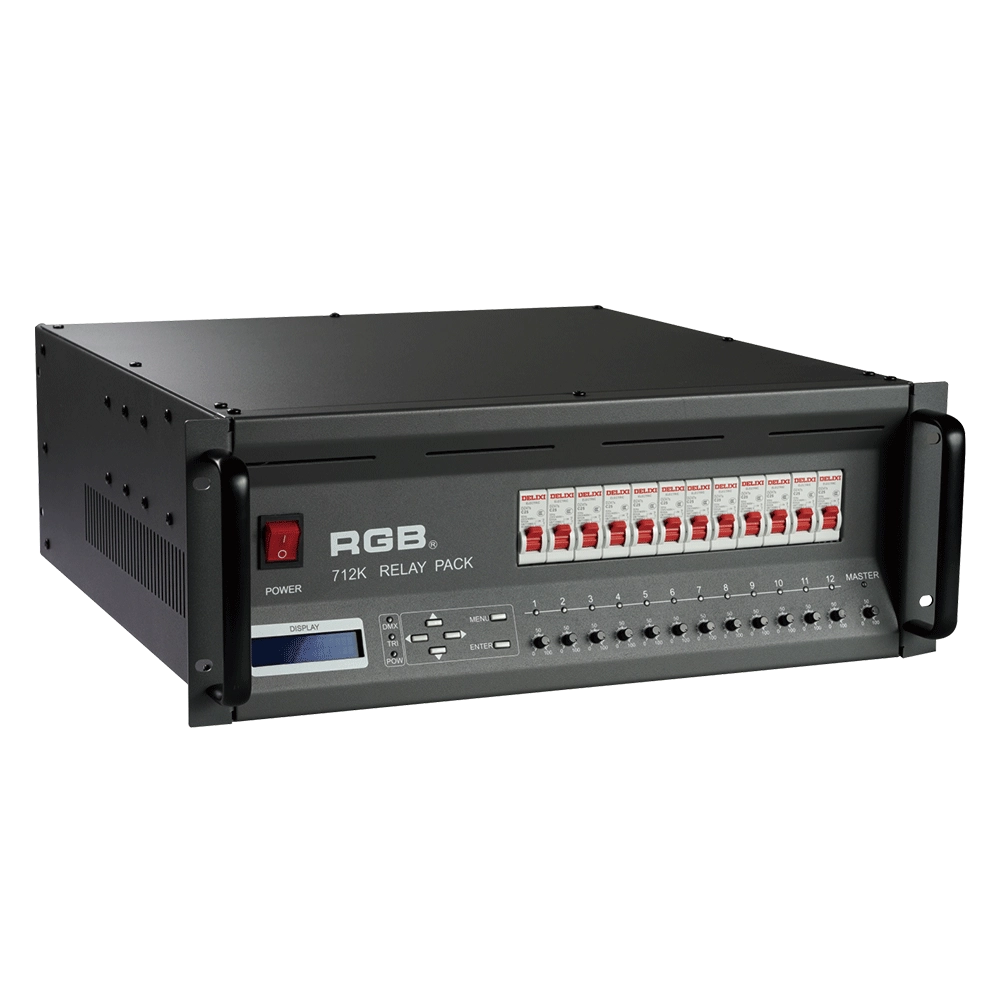
Alloy Relay Packs
High-performance DMX512 relay dimming unit with 512 addressable circuits, phase-loss protection, dual-signal amplification, 20A output per channel, and robust design for reliable stage and mobile lighting applications.
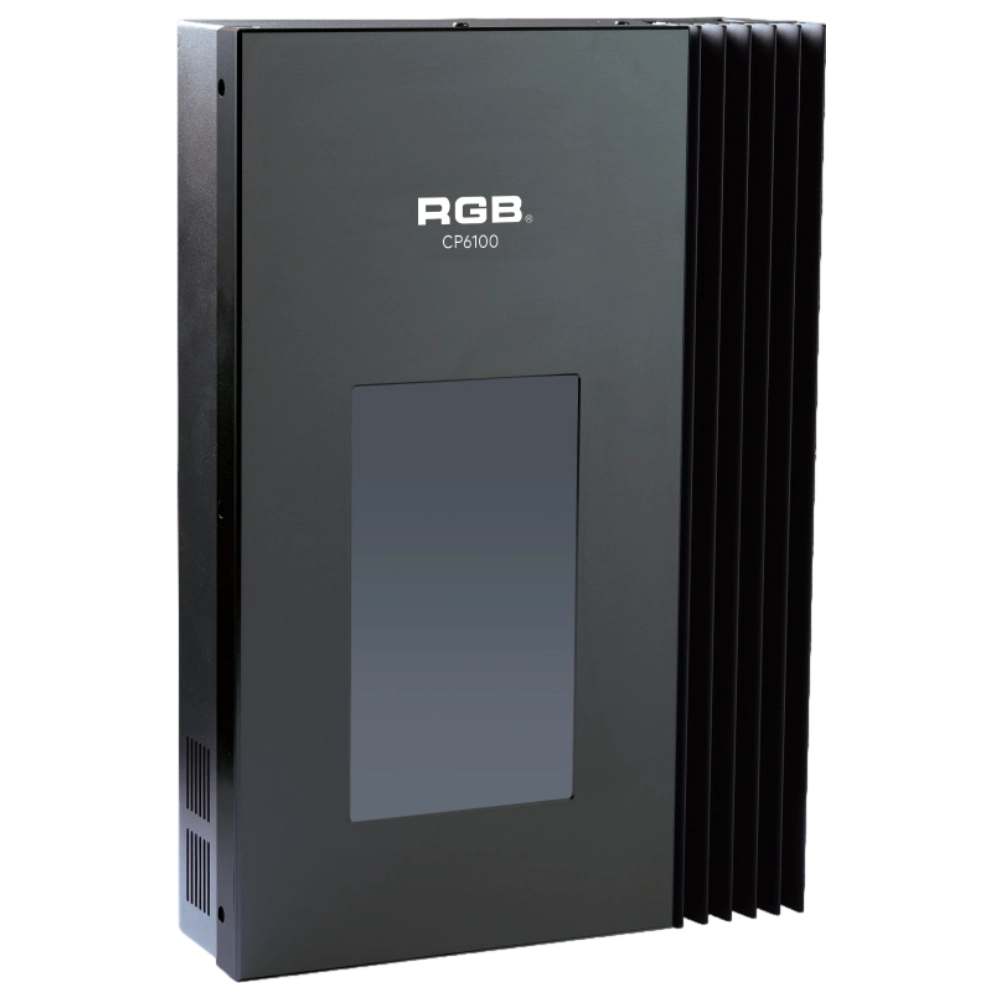
CP6100 Light Control System
The lighting control host is the main control device for theater stage lights, work lights, environmental lighting, commercial art lighting, sports venue lighting, and other places. By connecting the dedicated lighting control panels CP6104 and CP6108, it realizes the central control of the lighting system, supports a visual lighting control system, and intuitively displays the online and offline status of CP6100. Realize remote monitoring, editing, and setting of corresponding parameters.
It is widely applicable to theaters, cinemas, auditoriums, stadiums, museums, exhibition halls, cultural tourism performances, commercial art lighting, and other places.
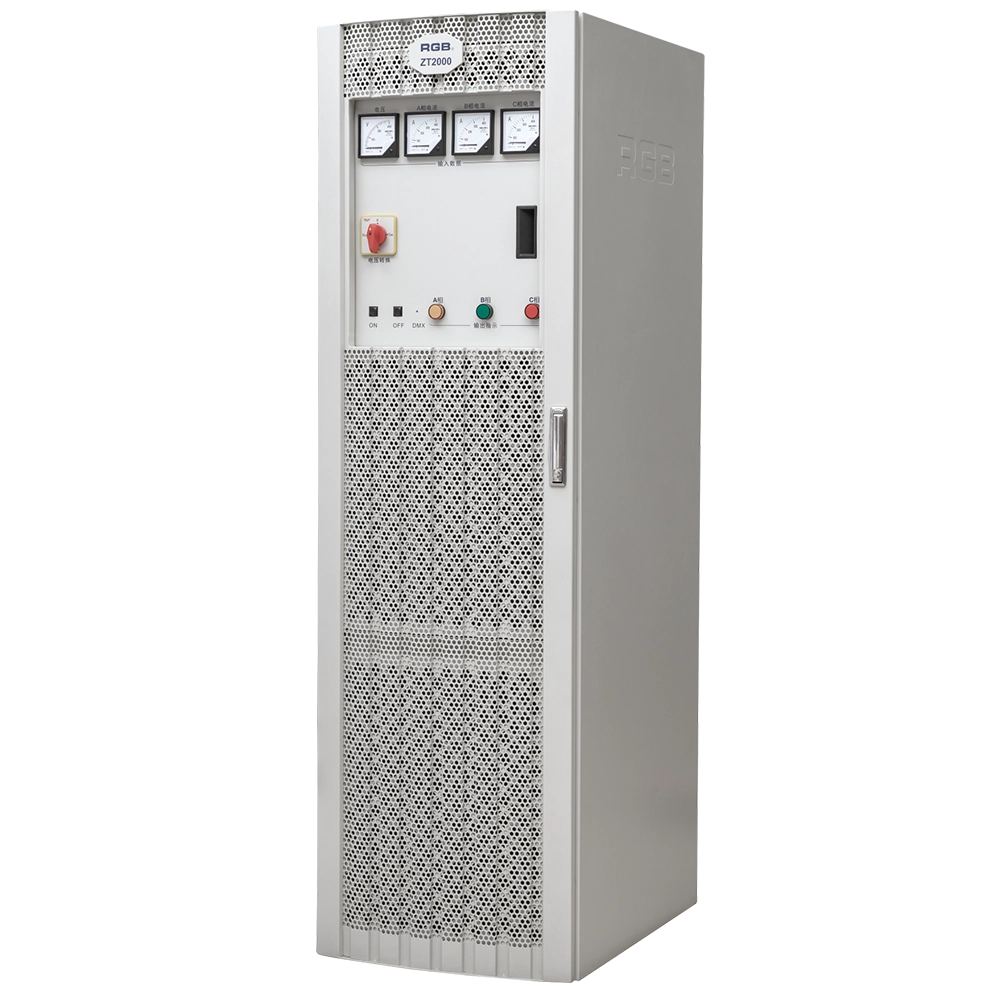
ZT2000 Pass-Through Racks
The ZT2000 straight-through power cabinet is a three-phase 630A/400A air switch main control, with each channel being a 32A air switch sub-control straight-through power cabinet. It can be used in conjunction with various computer lamps, regular lamps, and temporary electrical equipment as a power distribution and supply part for electrical equipment with overcurrent and short-circuit protection. It is a brand-new, reliable, and stable lighting control device in the field of stage lighting control.
It is widely applied in theaters, concert halls, multi-functional halls, cultural and tourism performances, TV stations, gymnasiums, auditoriums, commercial art lighting, and other performance and cultural venues.
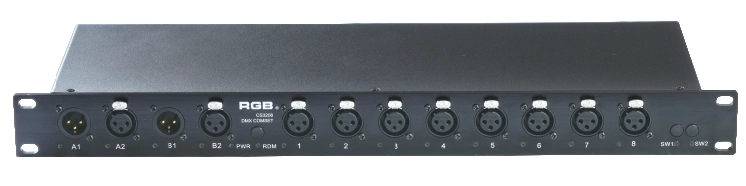
DMX&RDM Signal Mergers Amplifiers
The rack-mounted DMX signal amplifier complies with the DMX-512 standard protocol, improving the transmission quality of DMX-512 signals, ensuring the reliability of system control, and preventing faults such as reverse connection of AC high voltage in the lighting control system, high voltage intrusion due to lightning strikes, and line short circuits, which may affect the stability of the system.
Expert Support
Interested in learning more or need expert guidance related to this article? Fill in your details, and our team will provide tailored support.
Intelligent Control. Brilliant Performance.
RGB specializes in stage lighting control systems, delivering intelligent, reliable, and high-performance solutions for theaters and performance spaces worldwide.
Contact
Email:
Tel:
+86 20 3928 0245
+86 20 3928 0247
Address:
No.3, Huashan Road, Shilou Town, Panyu, Guangzhou, China.
Whatsapp: +8615975520131