
The Ultimate Guide to DMX Network Nodes: Master Your Lighting Infrastructure for 2026
- What is a DMX Network Node?
- Quick Summary & Key Takeaways
- Core Protocols Explained: Art-Net, sACN, and DMX512
- Why Upgrade Your Lighting Infrastructure for 2026?
- Expert Tips and Common Mistakes in DMX Networking
- Industry-Leading Solutions: Inside RGB's Advanced Control Ecosystem
- Conclusion
- FAQs About dmx network node
- What is the difference between Art-Net and sACN?
- How many universes can a DMX network node handle?
- Do I need PoE (Power over Ethernet) for my DMX node?
- Can I use standard Ethernet switches for DMX networking?
- What is DMX merging and how does it work?
- How do I configure an IP address for a DMX network node?
- Does a network node support RDM (Remote Device Management)?
- Why are optically isolated ports important for DMX nodes?
What is a DMX Network Node?
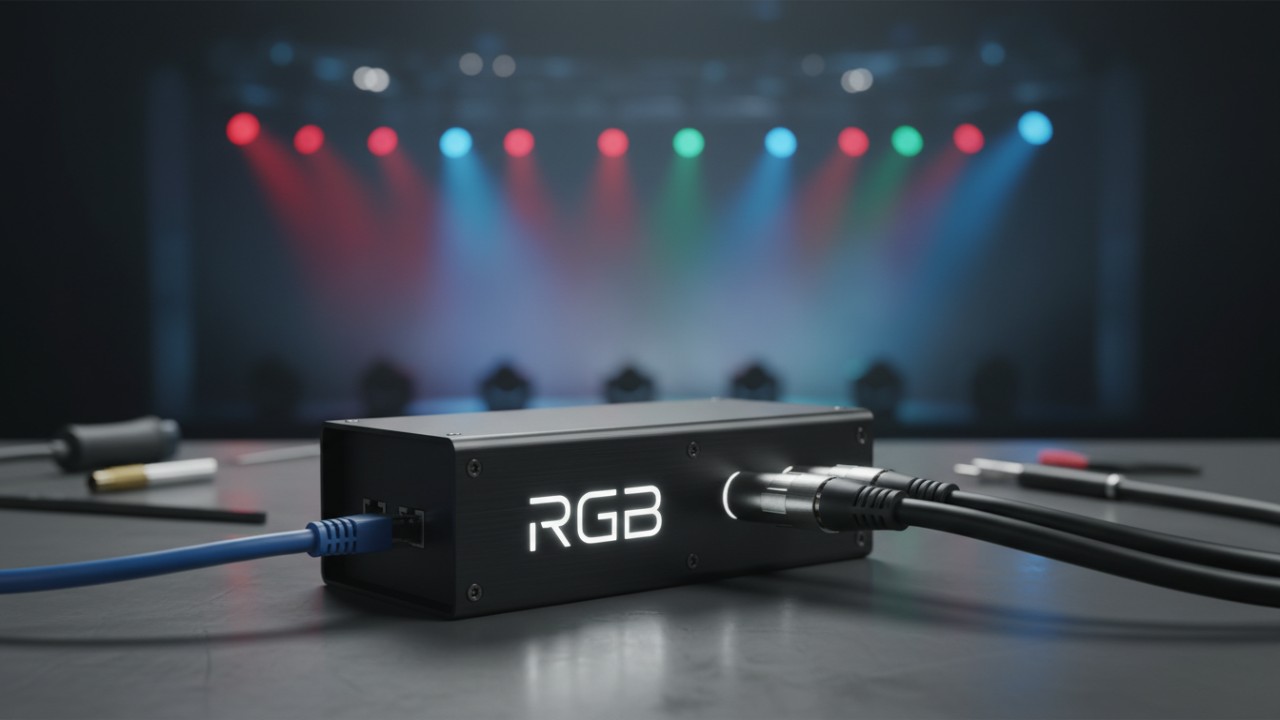
A dmx network node is a critical hardware device that serves as an Ethernet to DMX converter, translating high-speed network protocols into standard DMX512 signals for stage lighting. This bridge allows lighting technicians to route thousands of parameters across standard IT infrastructure instead of relying on heavy, multi-core DMX cables.
To understand how and why this technology has revolutionized modern production, we must look at the limitations of legacy systems. Traditional DMX512 wiring requires a dedicated, physical daisy-chain for every 512 channels of lighting data. When programming advanced moving lights and complex media servers, 512 channels are quickly consumed. By adopting modern DMX512 networking, a single Cat5e or Cat6 Ethernet cable can transmit tens of thousands of channels simultaneously.
This dramatic increase in bandwidth completely changes how lighting networks are designed. Instead of running dozens of thick copper cables from the front-of-house console to the dimmer beach, technicians can run a single lightweight fiber or copper network line into a specialized node. The node then processes the IP packets, unpacks the data, and distributes it via physical 5-pin XLR outputs to the lighting fixtures. Furthermore, this modern IP-based infrastructure enables crucial advanced features like RDM over network (Remote Device Management). With RDM, technicians no longer have to climb a truss to change a fixture's DMX address or check its temperature; all bidirectional communication flows back through the node directly to the lighting console.
Quick Summary & Key Takeaways
Our quick summary highlights that transitioning to a networked control system expands your capabilities from a strict 512-channel limit to tens of thousands of channels, ensuring your stage is ready for the massive universe demands of 2026. This transition relies on robust hardware and modern protocols to guarantee flawless execution.
The transition from traditional physical wiring to a deeply integrated IP-based lighting architecture involves several critical paradigm shifts. Managing a large-scale rig successfully requires understanding the most important takeaways from modern network engineering:
- Protocol Supremacy: Multicast-driven Art-Net and sACN protocols are overtaking legacy standards. Because sACN utilizes multicast traffic management, it prevents network flooding and naturally supports multi-console setups.
- Hardware Essentials: Not all nodes are created equal. Professional-grade hardware must include essential features like full optical isolation to prevent voltage spikes, Power over Ethernet (PoE) for streamlined truss mounting, and ruggedized DIN-rail or rack-mount enclosures for touring stability.
- Future Integration Requirements: By 2026, standalone lighting networks will be obsolete. Successful deployments require nodes that can natively integrate with cloud-based management systems, over-the-air firmware updates, and real-time visualized control software.
- Cost and Labor Efficiency: Running network cable is significantly cheaper and faster than deploying massive bundles of analog DMX cables. Nodes effectively decentralize your rig, reducing labor costs and simplifying troubleshooting.
Core Protocols Explained: Art-Net, sACN, and DMX512
The core protocols driving modern stage lighting are DMX512 for physical fixture control, Art-Net for transmitting lighting data over UDP/IP, and sACN for highly efficient, multicast network routing. Choosing the right standard dictates the speed, reliability, and scale of your entire lighting rig.
When engineering a robust network, understanding the language your hardware speaks is paramount. These three protocols form the foundation of global stage lighting, each serving a distinct and critical purpose:
- DMX512: This is the legacy digital communication standard used to control dimmers, automated fixtures, and stage effects. While robust and universally accepted, it suffers from a hard limit of 512 channels (one universe) per cable and lacks native bidirectional network capabilities.
- Art-Net: Created to bypass the limitations of single-cable DMX, Art-Net is a widely adopted, royalty-free protocol developed by Artistic Licence that transmits DMX512-A and RDM data over UDP/IP, as reported by Wikipedia. It effectively encapsulates traditional lighting data into standard network packets.
- sACN (Streaming ACN): Formally known as ANSI E1.31, sACN is the architecture for control networks that utilizes multicast routing to significantly reduce network traffic, as reported by Wikipedia. It offers superior multi-console merging capabilities and minimizes bandwidth saturation on large-scale installations.
| Feature | DMX512 | Art-Net (v3/v4) | sACN (E1.31) |
|---|---|---|---|
| Transmission Medium | 5-Pin XLR (RS-485) | Ethernet (Cat5e/Cat6) | Ethernet (Cat5e/Cat6) |
| Network Routing Method | Daisy-chain | Broadcast / Unicast | Multicast |
| Maximum Universe Limit | 1 (512 Channels) | 32,768+ | 63,999 |
| Priority Merging Support | None | Limited / Non-Native | Native (Per-universe) |
| Best Application Use Case | Final fixture connections | Legacy networks | Multi-console modern rigs |
Why Upgrade Your Lighting Infrastructure for 2026?
Upgrading your lighting infrastructure for 2026 is necessary because high-density pixel mapping, advanced LED video elements, and complex stage designs require massive universe counts that legacy wiring simply cannot support. Modern stage lighting control systems demand high-speed processing, zero latency, and robust network stability.
As we move closer to 2026, the entertainment industry is experiencing a massive convergence between lighting and video. Lighting fixtures are no longer just simple wash lights; they are high-definition pixel arrays.
- The Shift Towards Universe-Hungry Fixtures: A single LED batten or pixel-mapped matrix can consume several entire DMX universes. Operating hundreds of these fixtures simultaneously requires network nodes that can process enormous amounts of data without dropping packets.
- Visualized Control Systems: Modern stage designs are pre-programmed and run alongside real-time, 3D visual feedback platforms. Your hardware must perfectly sync physical node outputs with these virtual environments to ensure flawless cue execution.
- Cloud-Based Management and Diagnostics: In 2026, technicians will no longer rely solely on localized troubleshooting. Future-proof nodes will increasingly rely on remote diagnostics, OTA (Over-The-Air) firmware updates, and cloud monitoring to maintain system health across global touring schedules.
- Hybrid Infrastructure Integration: The convergence of advanced LED controls with traditional power management requires high-speed processing. Nodes must flawlessly interoperate with intelligent network dimming solutions, such as high-performance Digital Field Dimmer Packs, ensuring seamless hybrid rig operation.
Expert Tips and Common Mistakes in DMX Networking
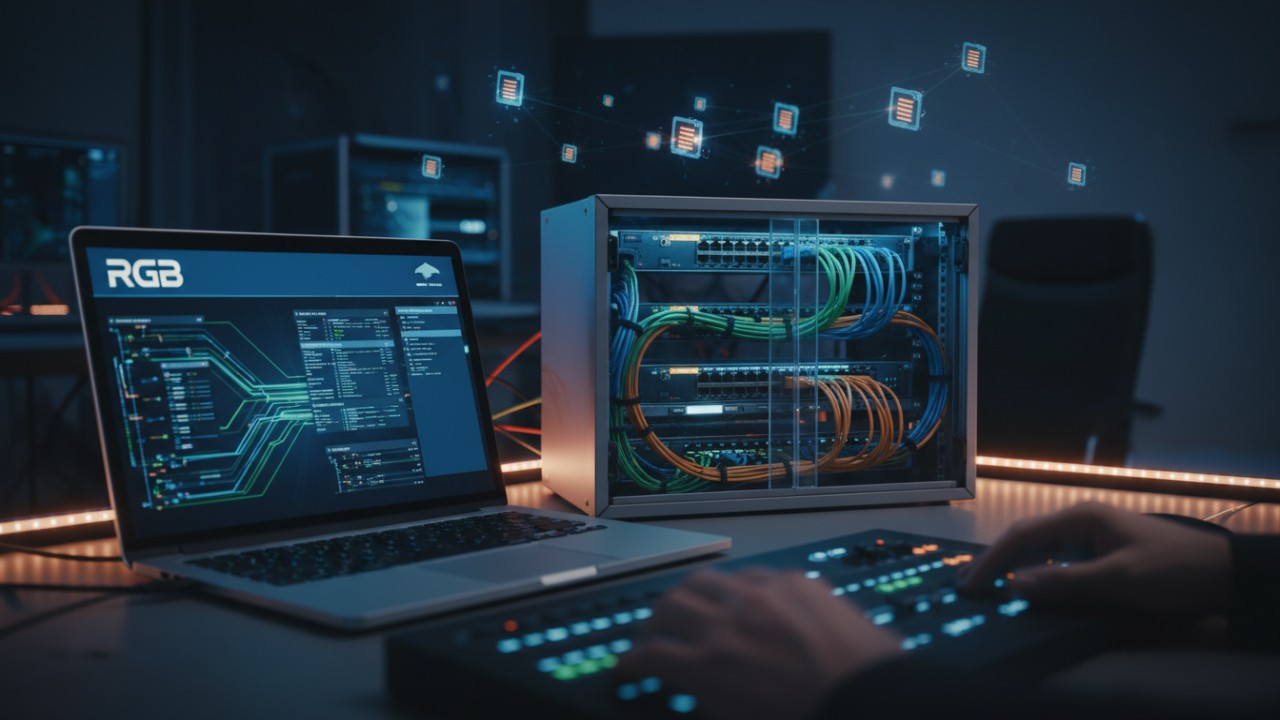
Expert networking requires strict adherence to IT best practices, such as using managed switches with IGMP snooping, implementing fully optically isolated ports, and configuring static IP addresses to prevent catastrophic show failures. Avoiding basic network configuration errors guarantees smooth data transmission.
A poorly configured IP network can ruin an entire production. Because lighting data is continuous and highly sensitive to latency, standard home or office networking rules do not always apply.
- Mistake: Using Unmanaged Switches. Attempting to run large sACN networks through cheap, unmanaged switches often leads to broadcast storms and severe lag. Tip: Always use enterprise-grade managed switches with IGMP snooping enabled. This ensures multicast traffic is only routed to the ports that actually request it.
- Mistake: Overlooking Optical Isolation. Running long lines of copper cable exposes your rig to electrical faults. Tip: Ensure your nodes feature fully optically isolated ports. If a fixture suffers a catastrophic power failure and sends a 120V or 240V spike back down the DMX line, optical isolation absorbs the hit, preventing the surge from destroying your control network and console.
- Tip: Utilize Static IP Addressing. Never rely on DHCP (Dynamic Host Configuration Protocol) for show-critical infrastructure. Always configure your DMX nodes with static IP addresses (traditionally in the 2.x.x.x or 10.x.x.x range with a 255.0.0.0 subnet mask). This ensures persistent routing and prevents IP conflicts if the network switch reboots mid-show.
- Tip: Plan for Redundancy with Merging. Always design your network with fail-safes. Implement primary and secondary lighting consoles utilizing sACN priority merging. If the primary console crashes or the network cable is severed, the node will instantly, seamlessly failover to the backup console stream.
Industry-Leading Solutions: Inside RGB's Advanced Control Ecosystem
Guangzhou RGB Lighting Equipment Co.,Ltd. provides industry-leading control solutions, utilizing intelligent network nodes, visualized control software, and hybrid dimmer technologies to deliver unparalleled stability for theaters, studios, and large-scale global performance venues. Partnering with a proven manufacturer ensures your infrastructure is securely 2026-ready.
Building a world-class network requires hardware you can implicitly trust. Founded in 1996 and recognized as a National High-Tech Enterprise, RGB has spent decades pioneering professional solutions for the entertainment technology sector.
- Proven Global Experience: RGB's network processors and dimming solutions have been rigorously battle-tested at the highest levels of global production, including the Beijing Olympics, the Shanghai World Expo, and the Asian Games. These landmark projects demand zero margin for error.
- Strict Quality Certification: Every component within the RGB系统 is manufactured under stringent international quality controls. Certified to ISO9001, CE, RoHS, EMC, and CQC standards, RGB guarantees long-term stability and precision performance in the harshest touring environments.
- Continuous Technological Innovation: RGB continues to push the boundaries of lighting control. The company pioneers advanced technologies, including patented visualized control systems and cloud-based management platforms, giving engineers unprecedented oversight of their network nodes.
- Comprehensive Ecosystem: By offering integrated capabilities spanning R&D, production, and sales, RGB ensures perfectly matched ecosystems. Their intelligent network nodes pair flawlessly with their power cabinets, stage lighting dimmers, and relay racks, empowering global stages with smarter, more efficient control networks.
Conclusion
Upgrading to advanced network nodes capable of handling highly efficient protocols like Art-Net and sACN is a strict requirement for executing the ambitious, universe-heavy stage productions of 2026. Mastering this infrastructure today ensures reliable, flawless performances, whether in local theaters or massive broadcast facilities.
Transitioning from legacy wiring to a highly optimized, multicast IP infrastructure resolves the massive channel limitations of the past. As stage designs continue to incorporate complex pixel mapping, heavy LED matrices, and immersive visual effects, standard DMX is no longer sufficient. By carefully selecting managed switches, implementing optical isolation, and choosing high-performance hardware, lighting professionals can eliminate latency and protect their rigs from catastrophic electrical failures. Ultimately, selecting equipment from an experienced, certified manufacturer guarantees that your show will run exactly as programmed, night after night.
Contact Guangzhou RGB Lighting Equipment Co.,Ltd. today to optimize your dmx network node strategy.
FAQs About dmx network node
What is the difference between Art-Net and sACN?
Art-Net primarily uses broadcast or unicast routing, which can be bandwidth-heavy on large networks. sACN uses multicast routing to efficiently distribute data and natively supports priority merging, making it the preferred choice for modern multi-console setups.
How many universes can a DMX network node handle?
The physical output is limited by the number of ports (e.g., 4, 8, or 16 universes). Internally, professional nodes can often process and route hundreds of universes across the network before converting specific streams to physical DMX.
Do I need PoE (Power over Ethernet) for my DMX node?
While not strictly necessary, PoE is highly recommended for portable or truss-mounted nodes. It eliminates the need for separate power cables, allowing you to power the device and transmit data over a single Cat5e/Cat6 cable.
Can I use standard Ethernet switches for DMX networking?
For small Art-Net setups, standard unmanaged gigabit switches may work. For professional sACN networks, you must use managed switches that support IGMP snooping to prevent network flooding and latency.
What is DMX merging and how does it work?
DMX merging allows two or more consoles to send data to the same node simultaneously. The node uses algorithms like HTP (Highest Takes Precedence), LTP (Latest Takes Precedence), or sACN priorities to determine which data stream is sent to the lighting fixture.
How do I configure an IP address for a DMX network node?
Most modern nodes offer configuration via a built-in web server interface, OLED screen menus, or dedicated management software. It is standard practice to use a static IP address in the 2.x.x.x or 10.x.x.x range with a 255.0.0.0 subnet mask for Art-Net compatibility.
Does a network node support RDM (Remote Device Management)?
Most professional, modern DMX network nodes support RDM via Art-RDM or specialized network tunneling. This allows lighting technicians to remotely address fixtures, monitor temperatures, and check lamp hours directly from the console.
Why are optically isolated ports important for DMX nodes?
Optical isolation physically separates the electrical circuitry of each DMX port. If a lighting fixture malfunctions and sends a high-voltage spike back down the DMX cable, isolation prevents that spike from destroying the node and your entire control network.
3 Phase Dimmer Rack vs Single Phase: Which to Buy?
Choosing the Right Dimmer Rack Size for Your Venue
How to Choose the Right Rack Dimmer for DMX Lighting Systems
Top Safety Standards and Compliance for Dimmer Racks
Distributors
Does RGB provide installation or commissioning services?
No. RGB only supplies dimming cabinets and technical documentation. On-site installation is handled by local integrators.
What is the minimum order quantity for cooperation?
Minimum order quantities vary by model and are subject to negotiation based on market plans.
About RGB
Do you offer customized solutions for specific projects?
Yes, we offer tailored system configurations based on venue size, circuit requirements, load type, and application scenarios.
What types of lighting control systems do you support?
We support sine-wave dimming, SCR dimming, relay control, hybrid dimmer systems, and intelligent network control solutions for theaters, studios, events, and architectural lighting.
What after-sales support do you provide?
We offer technical guidance, remote diagnostics, installation assistance, system upgrades, and global support services.
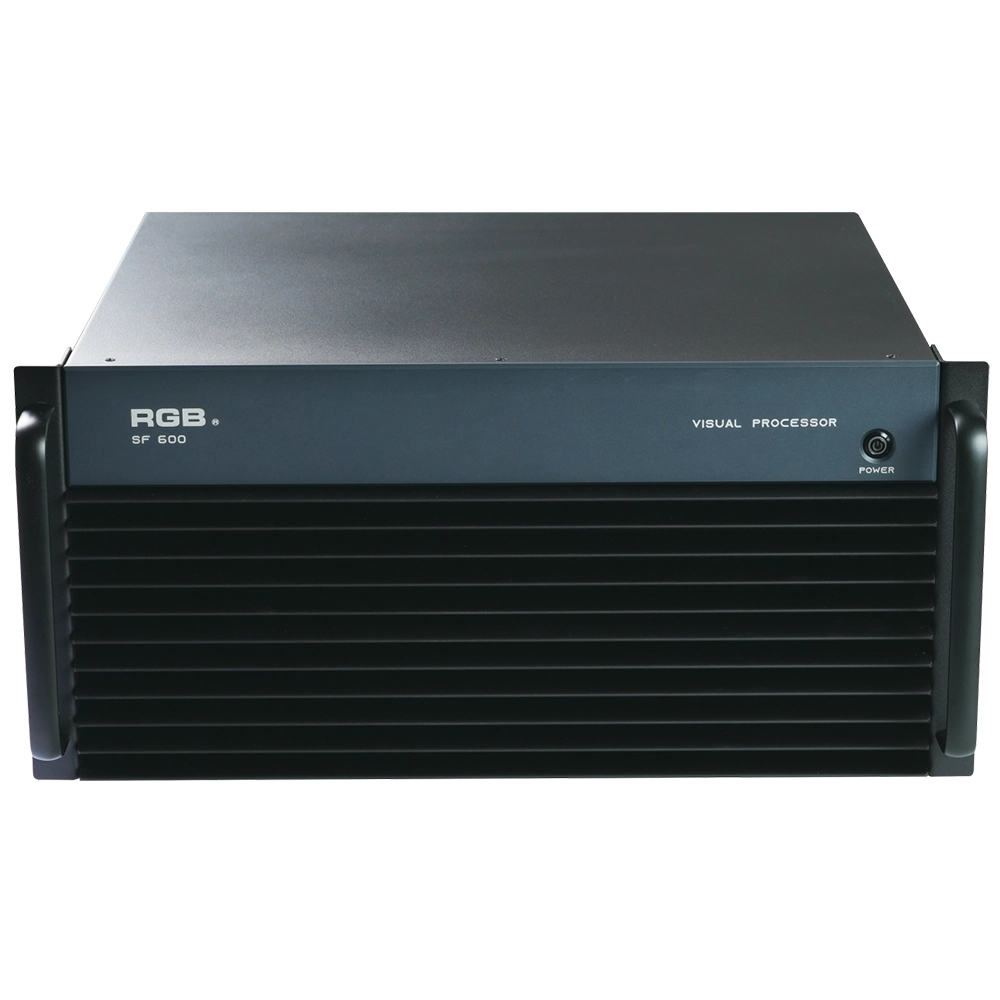
SF600 Visual R-net central processing processor
The SF600 Visual R-net central processing processor by RGB delivers advanced visual systems performance with high-speed processing and seamless integration. Designed for efficiency and reliability, it’s ideal for enhancing your visual system applications in corporate environments.
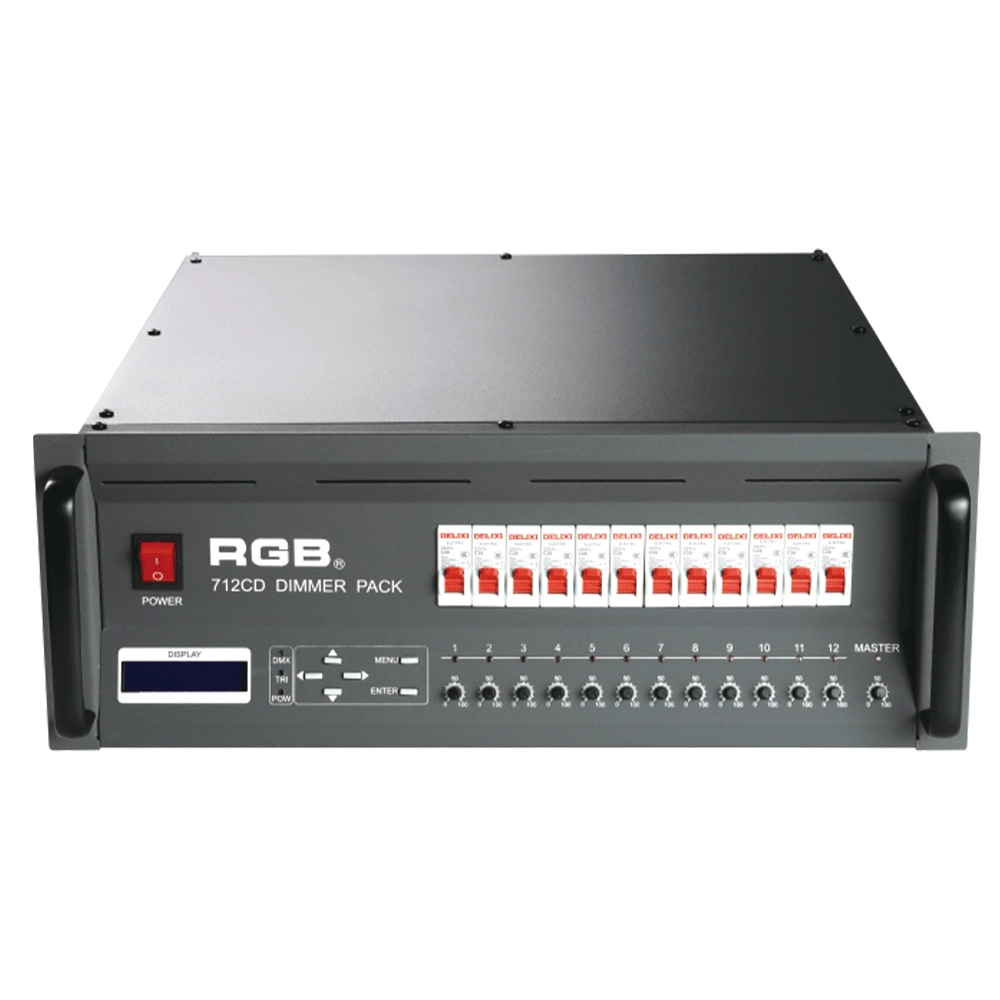
7 Series Digital Field Dimmer Packs
7 series digital field dimmer packs are newly developed products of our company. With DMX512 digital control signal input, they are compatible with other domestic and overseas digital lighting consoles. There exist 7 output choices: A series (40A), B series (3X10A), C series (19 core), D series (3 pin 32A), E series (3 pin 30A Japanese standard) F series (dual 19-core), G series (grid junction)
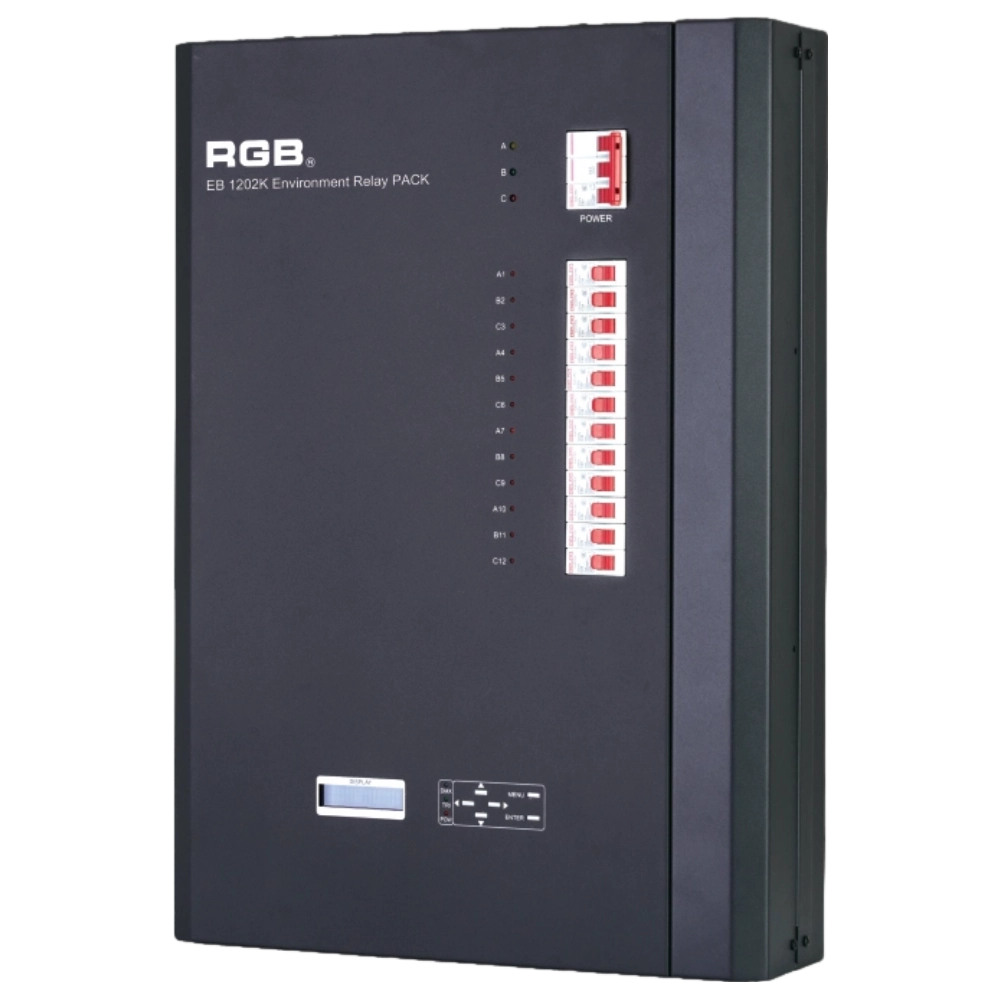
EB1202 Wall-Mounted Smart Site Light Control Series
Wall-mounted smart lighting controller with CE certification, DMX512 compatibility, flexible 12/24-channel output, scene backup, intelligent interface, and multiple dimming curves for precise professional lighting control.
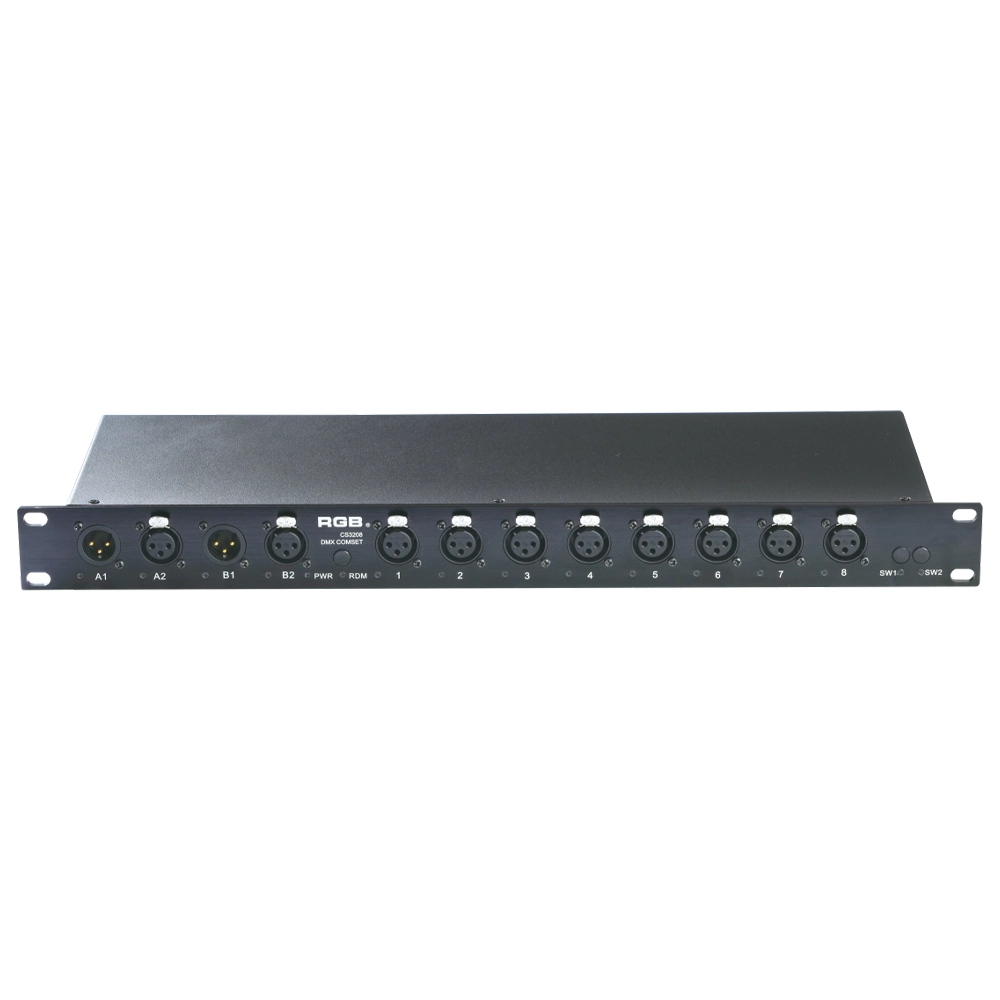
Multifunctional signal supercharger
The rack-mounted DMX signal amplifier complies with the DMX-512 standard protocol, improving DMX-512 signal transmission quality and ensuring reliable system control. It helps prevent issues such as AC high-voltage backflow into lighting control systems, lightning-induced surges, and signal interference caused by short circuits, thereby enhancing overall system stability.
Expert Support
Interested in learning more or need expert guidance related to this article? Fill in your details, and our team will provide tailored support.
Intelligent Control. Brilliant Performance.
RGB specializes in stage lighting control systems, delivering intelligent, reliable, and high-performance solutions for theaters and performance spaces worldwide.
Contact
Email:
Tel:
+86 20 3928 0245
+86 20 3928 0247
Address:
No.3, Huashan Road, Shilou Town, Panyu, Guangzhou, China.
Whatsapp: +8615975520131