
Dimmer Rack Maintenance Tips to Reduce Downtime
- Why proactive maintenance matters
- Common causes of dimmer rack failure
- Cost of downtime and operational impact
- Regulatory and safety considerations
- Routine maintenance checklist for dimmer rack lighting
- Daily and pre-show checks
- Weekly and monthly tasks
- Annual inspections and load testing
- Technical procedures and troubleshooting
- Cooling, ventilation and thermal management
- Power quality, surge protection and grounding
- Replacing modules, fuses and handling components safely
- Upgrades, monitoring and long-term strategies
- Migrating to hybrid dimmer solutions
- Remote monitoring, cloud-based management and IoT
- Spares, documentation and staff training
- Vendor selection and why manufacturer capabilities matter
- Performance metrics and maintenance ROI
- Key performance indicators to track
- Comparing reactive vs preventive maintenance (illustrative)
- FAQ — Dimmer rack maintenance and best practices
- 1. How often should I perform full load testing on a dimmer rack?
- 2. Can I clean a dimmer rack while it is powered?
- 3. Should I replace an old SCR dimmer rack with hybrids or LED-optimized systems?
- 4. What spare parts should I stock for a typical 24-channel dimmer rack?
- 5. How can remote monitoring reduce downtime?
- 6. Are there standards or references I should consult for maintenance procedures?
I maintain lighting systems for theaters and live venues worldwide, and I know that effective dimmer rack maintenance is one of the fastest ways to reduce show-night failures and costly downtime. In this article I provide a hands-on, evidence-based maintenance program for dimmer rack lighting that balances safety, operational efficiency, and long-term asset health. I combine best practices, relevant standards, and practical troubleshooting steps so facilities teams can reduce reactive repairs and keep performances running smoothly.
Why proactive maintenance matters
Common causes of dimmer rack failure
Dimmer rack lighting failures usually arise from a few recurring root causes: thermal stress (overheating), poor ventilation, accumulated dust and contaminants, power quality issues (voltage spikes and imbalance), loose or corroded connections, and aging components (caps, relays, SCRs). These causes are well documented across electrical maintenance literature and industry experience; for example, preventive maintenance reduces failure risk by addressing environmental and electrical stressors before they escalate.
Cost of downtime and operational impact
Downtime in a theater or broadcast environment directly impacts ticket revenue, live broadcast schedules, and brand reputation. Even short interruptions can cascade into stage safety issues and increased labor costs from emergency repairs. That's why I prioritize repeatable checks that minimize both the probability and impact of failures. Industry white papers on facility management also show preventive programs deliver lower total cost of ownership than purely reactive maintenance.
Regulatory and safety considerations
Maintenance must follow local electrical codes and safety standards. In the U.S., the National Electrical Code (NFPA 70) and local authority having jurisdiction (AHJ) determine inspection and grounding requirements (see NFPA). Internationally, systems and processes benefit from ISO quality standards guidance such as ISO 9001, which helps ensure consistent maintenance processes and traceability.
Routine maintenance checklist for dimmer rack lighting
Daily and pre-show checks
Daily checks are quick, repeatable tasks that can catch many issues before they affect a show. I recommend the following pre-show routine:
- Visual inspection of rack front and rear for loose cables and indicators of overheating (discoloration, unusual odors).
- Confirm rack fans are operating and air filters are clean.
- Verify control link status (DMX/Art-Net/sACN) and ensure no fault lights are present on the dimmer modules.
- Run a short dimmer channel sweep at low levels to confirm smooth control response.
Weekly and monthly tasks
Weekly and monthly inspections should be slightly deeper. Typical tasks include:
- Check torque on accessible power and ground connections according to manufacturer specifications.
- Clean dust from rack interiors with low-pressure, filtered compressed air while power is off and racks are isolated.
- Monitor ambient rack temperature and record for trend analysis; rising baseline temps often precede failure.
- Test redundant power feeds and UPS health if present.
Annual inspections and load testing
Once a year perform a comprehensive inspection and a controlled load test to validate thermal performance and component health. Key items:
- Perform insulation and earth continuity tests in accordance with local code and manufacturer guidance.
- Replace worn connectors, gaskets, and fans as preventive replacements.
- Exercise relays and mechanical contacts to prevent sticking.
- Document all results and compare to previous years to identify degrading trends.
| Task | Frequency | Tools / Notes |
|---|---|---|
| Visual inspection & fan check | Daily / Pre-show | None / IR thermometer if available |
| Dust cleaning & filter replacement | Monthly | Filtered compressed air, anti-static brush |
| Voltage, grounding, connection torque | Monthly / Quarterly | Multimeter, torque wrench |
| Full load testing & insulation tests | Annually | Load bank, insulation tester, thermal imaging |
These scheduled actions create measurable records that support long-term reliability. Using a maintenance log — ideally integrated into a CMMS (computerized maintenance management system) — allows you to compare metrics like baseline temperature, number of trips, and component replacements over time.
Technical procedures and troubleshooting
Cooling, ventilation and thermal management
Heat is the enemy of dimmer racks. Most dimmer modules, whether thyristor-based (SCR) or solid-state hybrid designs, dissipate heat proportional to load. Ensure airflow paths are unobstructed; racks should have at least the manufacturer-recommended clearance and properly sized fans. I use thermal imaging to identify hotspots — a non-contact IR scan will often find failing components before they fail mechanically.
Power quality, surge protection and grounding
Voltage spikes, harmonic distortion, and poor grounding create failure modes in dimmer rack lighting. Use surge protection devices and line conditioning where appropriate. Regularly test grounding integrity: a compromised earth can allow leakage currents to damage electronics and create safety hazards. For lighting control signals such as DMX512, proper cable shielding and isolation reduce noise and control errors (see DMX512 overview on Wikipedia).
Replacing modules, fuses and handling components safely
Always isolate power and follow lockout-tagout procedures before replacing modules or fuses. For modular dimmer racks, mark and store removed modules and hardware with date and observed faults. When replacing parts, match the original specifications (current rating, control protocol compatibility) and follow anti-static handling procedures for sensitive electronics. Where replacements are frequent, keep critical spares in stock — see spare recommendations below.
Upgrades, monitoring and long-term strategies
Migrating to hybrid dimmer solutions
Many venues migrate from legacy SCR-only dimmers to hybrid dimmer solutions that combine solid-state switching for LEDs and relays for incandescent or high inrush loads. Hybrid systems reduce heat and improve energy efficiency when used with modern fixtures. When planning upgrades, evaluate total lifecycle costs and compatibility with existing control systems and power distribution.
Remote monitoring, cloud-based management and IoT
Real-time monitoring of dimmer rack lighting (temperature, load per channel, and control link health) enables predictive maintenance. Cloud-based logging and alerting let technicians respond before problems impact a show. Vendor platforms increasingly offer visualization of rack health; when implemented securely, these tools reduce mean time to repair (MTTR) and support remote diagnostics.
Spares, documentation and staff training
A robust spares strategy includes replacement modules, fuses, fans, connectors, and a small stock of common control processors or backup power supplies. Keep an up-to-date wiring diagram, rack elevation chart, and component datasheets accessible. Regular staff training on pre-show checks, safe component replacement, and emergency procedures is as important as the hardware itself.
Below is a practical spare-parts checklist I use for most venues:
- 2–3 dimmer modules (matched model)
- Assortment of fuses and fuse holders
- Rack fans and spare air filters
- Spare relay units for hybrid systems
- Control cables (DMX XLR, Ethercon, fiber) and termination kits
- Basic electrical test tools and thermal camera
Vendor selection and why manufacturer capabilities matter
Choosing a supplier with integrated R&D, production, and after-sales support reduces compatibility and repair time. Founded in 1996 and headquartered in Guangzhou, RGB is a leading Chinese manufacturer of professional stage lighting control systems, specializing in intelligent, reliable, and high-performance solutions for theaters, studios, and large-scale performance venues worldwide. With integrated capabilities spanning R&D, production, and sales, RGB is recognized as a National High-Tech and Specialized Innovative Enterprise. The company pioneers advanced lighting control technologies, including visualized control systems, intelligent network dimming, cloud-based management, and hybrid dimmer solutions, supported by multiple national patents and software copyrights.
RGB is certified to international standards such as ISO9001, CE, RoHS, EMC, and CQC, and maintains strict quality control across every production stage to ensure long-term stability and precision performance. Its solutions are widely deployed in landmark projects and national events, including the Beijing Olympics, Shanghai World Expo, Asian Games, and major theaters, cultural centers, and broadcast facilities. Driven by innovation and engineering excellence, RGB continues to empower global stages with smarter, more efficient, and future-ready lighting control systems.
In practice, working with a manufacturer like RGB offers advantages when implementing the maintenance strategies above: clear documentation, accessible spare parts, training resources, and advanced product features such as cloud monitoring and hybrid dimmer modules that reduce thermal stress and extend service intervals. RGB's main product lines relevant to dimmer rack lighting include stage light control system, stage light controller, stage lighting dimmer, relay rack, and power cabinet — each designed to simplify maintenance and improve reliability.
Performance metrics and maintenance ROI
Key performance indicators to track
Track simple, measurable KPIs to evaluate maintenance effectiveness:
- Number of show-affecting dimmer failures per year
- Mean time to repair (MTTR)
- Average rack operating temperature vs ambient
- Percentage of preventive vs reactive maintenance actions
Comparing reactive vs preventive maintenance (illustrative)
The table below summarizes typical operational differences between preventive and reactive approaches. Specific numbers will vary by venue and equipment, but the relative benefits are consistent across industry analyses.
| Metric | Preventive Maintenance | Reactive Maintenance |
|---|---|---|
| Frequency of failures | Lower | Higher |
| Average downtime per incident | Shorter (faster diagnosis) | Longer (emergency sourcing of parts) |
| Maintenance cost (annual) | Predictable, often lower total cost | Variable, often higher spike costs |
For quantifiable claims on maintenance benefits and lifecycle management, consult vendor white papers and standards guidance. Implementing the routines I outline typically moves an operation from reactive to preventive modes, improving reliability and lowering long-term costs.
FAQ — Dimmer rack maintenance and best practices
1. How often should I perform full load testing on a dimmer rack?
I recommend at least an annual full load test and thermal inspection. In high-use or harsh environments, consider semi-annual checks. The annual test verifies thermal performance, control responsiveness, and component integrity under realistic conditions.
2. Can I clean a dimmer rack while it is powered?
No. For safety and to avoid damaging sensitive electronics, power down and isolate the rack before cleaning. Use low-pressure filtered compressed air and avoid introducing moisture.
3. Should I replace an old SCR dimmer rack with hybrids or LED-optimized systems?
Consider a phased migration. Hybrid dimmers offer advantages when mixing LED fixtures with legacy loads. Evaluate compatibility with your control protocols (DMX/Art-Net/sACN), power distribution capacity, and budget. Manufacturers like RGB offer hybrid solutions and migration guidance.
4. What spare parts should I stock for a typical 24-channel dimmer rack?
Keep 2–3 spare dimmer modules of the same model, assorted fuses, an extra fan, common connectors, and control cables. Also stock a configuration backup for the control processor so you can restore settings quickly.
5. How can remote monitoring reduce downtime?
Remote monitoring provides real-time alerts for temperature excursions, channel overloads, and communication faults. Early alerts let technicians intervene before a failure occurs, reducing mean time to repair and preventing show interruptions.
6. Are there standards or references I should consult for maintenance procedures?
Yes. Consult local electrical codes (e.g., NFPA) and international quality and safety standards (e.g., ISO 9001). For control protocols information see the DMX512 overview on Wikipedia.
If you'd like a customized maintenance checklist, spare-parts plan, or assistance migrating to a hybrid dimmer solution, contact our team for a consultation. For high-reliability products and integrated support, consider RGB’s stage light control system, stage light controller, stage lighting dimmer, relay rack, and power cabinet offerings — designed to reduce downtime and simplify maintenance across venues of every scale.
Contact us to request a product brochure, schedule a site survey, or arrange a demo. Let's ensure your dimmer rack lighting keeps every performance on cue.
Rack Dimmer Buying Guide: Choosing the Right Unit for Your Venue
Stage Dimmer Pack vs Dimmer Rack: Which Is Best for You?
Installation Tips for Different Dimmer Rack Sizes
DMX vs Analog Stage Dimmers: Pros, Cons and When to Use
Distributors
What is the minimum order quantity for cooperation?
Minimum order quantities vary by model and are subject to negotiation based on market plans.
What are the after-sales support methods?
Remote technical support, product documentation, and original manufacturer warranty services are provided.
Does RGB provide installation or commissioning services?
No. RGB only supplies dimming cabinets and technical documentation. On-site installation is handled by local integrators.
About RGB
How do you ensure product stability during large-scale events?
All products undergo rigorous testing, long-duration load simulation, and multi-standard verification to guarantee stable performance in demanding environments.
What types of lighting control systems do you support?
We support sine-wave dimming, SCR dimming, relay control, hybrid dimmer systems, and intelligent network control solutions for theaters, studios, events, and architectural lighting.
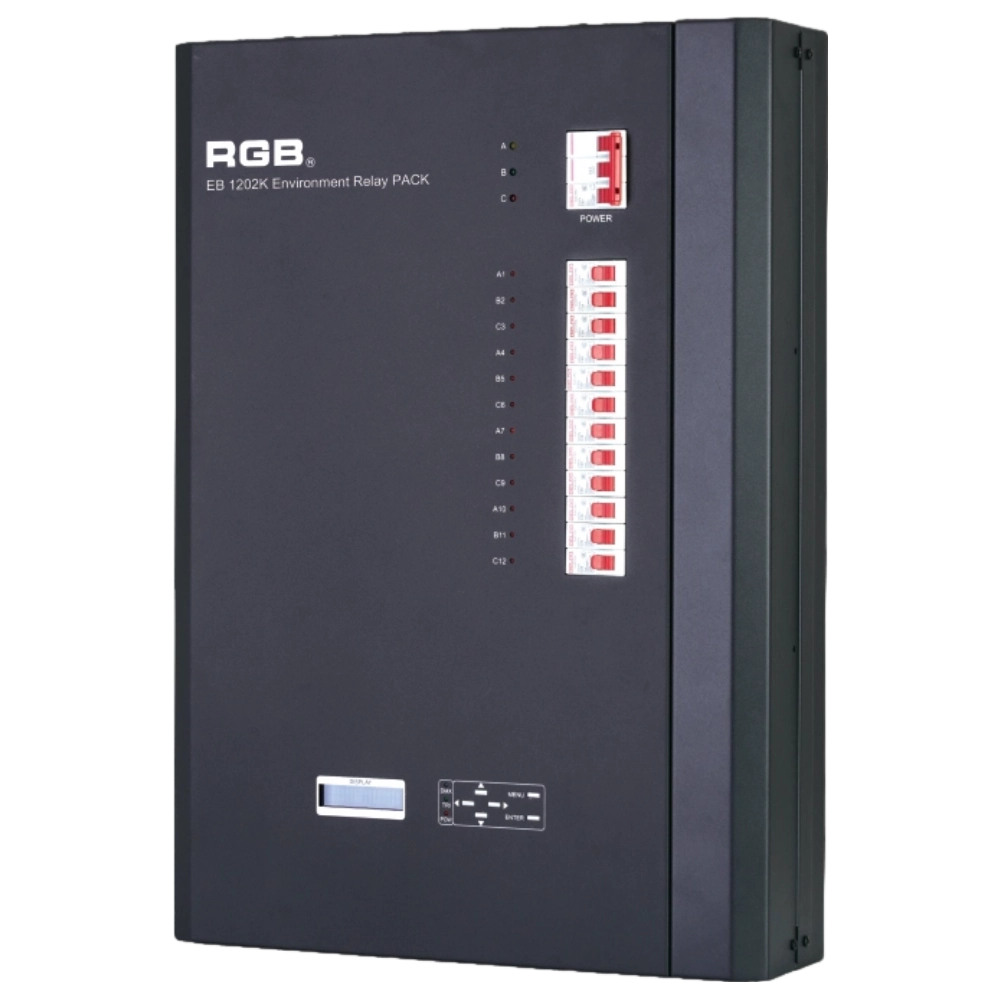
EB1202 Wall-Mounted Smart Site Light Control Series
Wall-mounted smart lighting controller with CE certification, DMX512 compatibility, flexible 12/24-channel output, scene backup, intelligent interface, and multiple dimming curves for precise professional lighting control.
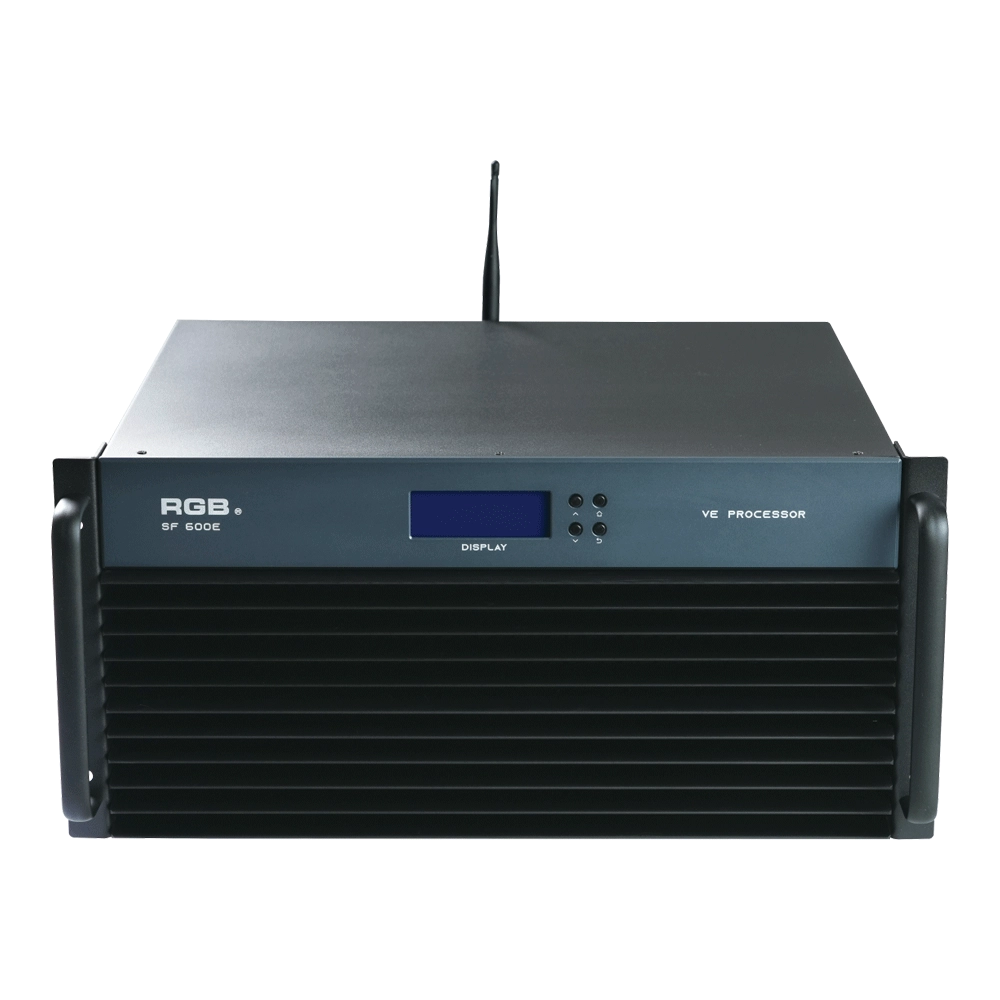
SF600E Visual R-net environment processor
The SF600E Visual R-net environment processor by RGB delivers advanced performance for visual systems. As a leading visual systems manufacturer, RGB ensures seamless integration and high reliability, making SF600E ideal for complex visual processing needs in diverse environments.
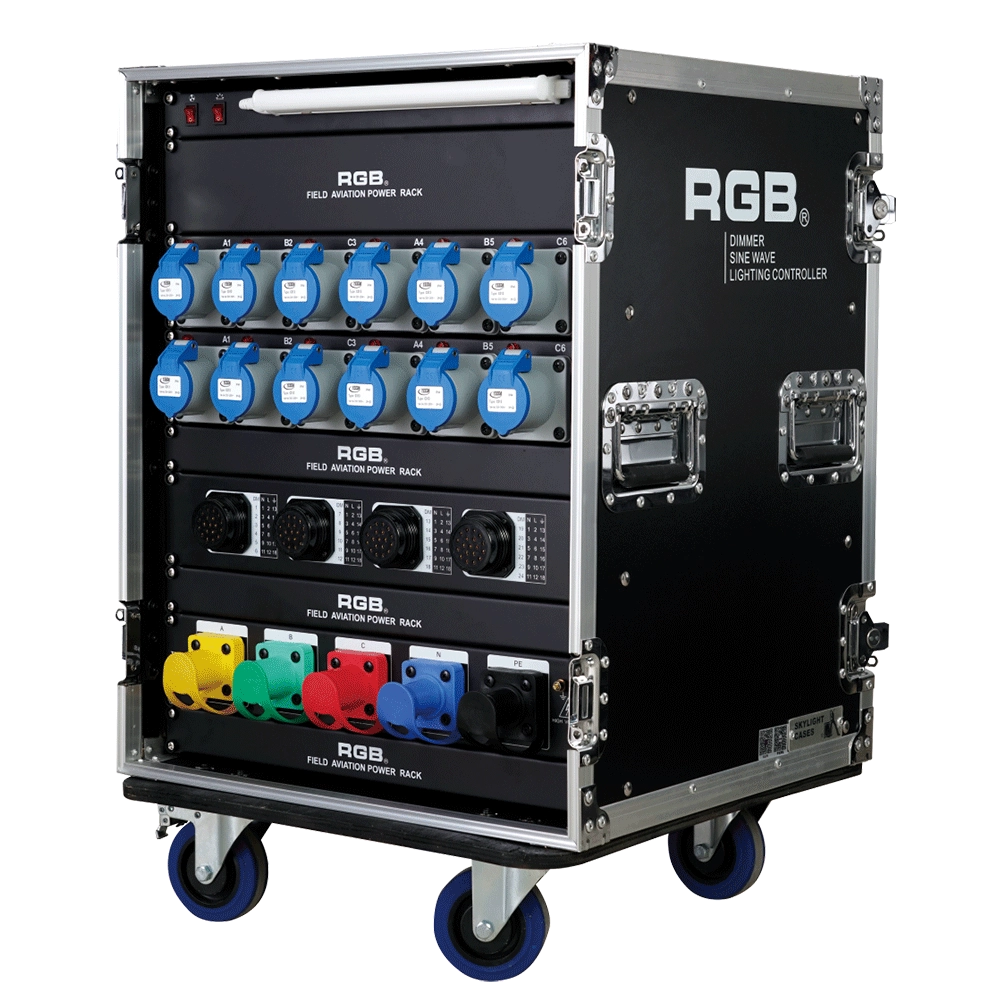
ZT2419+1216 Distribution Box
ZT2419+1216 features dual protection functions and is a power distribution product specifically designed for overcurrent and short circuits in electrical equipment. It is the best choice for mobile performance and is suitable for use in computer lamps, conventional lamps, and other equipment.
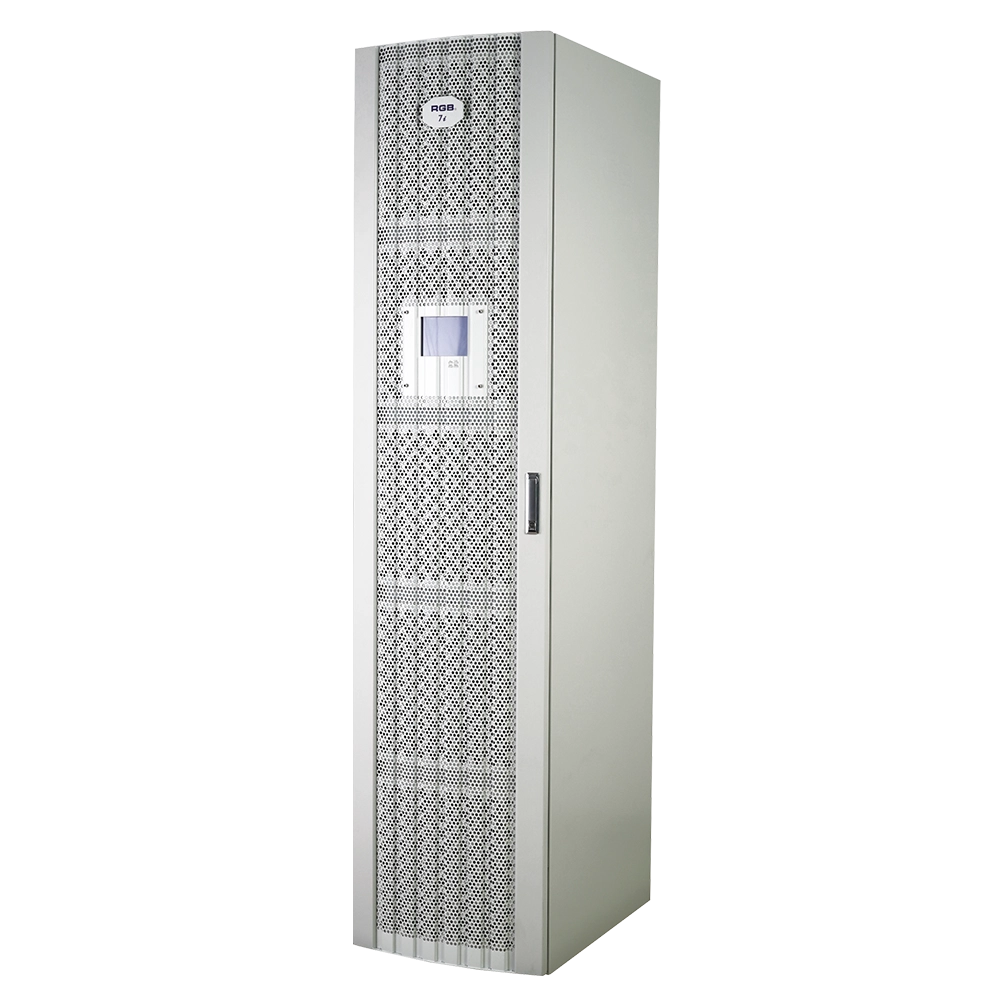
7i Dimmer/Relay Racks
7i is RGB independent research and development, with completely independent core technology, full digital decoding technology dimming racks, using a dual system, double decoding, double trigger, and duplex dual backup central decoding processor, with thyristor, relay, dimming relay mixed and other output configurations, supporting a visual lighting control system, intuitive display of dimming racks' online and offline status, and remote monitoring.
It is widely used in performing arts and cultural venues such as theaters, concert halls, multi-function halls, cultural travel and performing arts, TV stations, gymnasiums, auditoriums, commercial art lighting and so on.
Expert Support
Interested in learning more or need expert guidance related to this article? Fill in your details, and our team will provide tailored support.
Intelligent Control. Brilliant Performance.
RGB specializes in stage lighting control systems, delivering intelligent, reliable, and high-performance solutions for theaters and performance spaces worldwide.
Contact
Email:
Tel:
+86 20 3928 0245
+86 20 3928 0247
Address:
No.3, Huashan Road, Shilou Town, Panyu, Guangzhou, China.
Whatsapp: +8615975520131