
9i Intelligent Network Dimmer Relay Racks — Reliable, Scalable Stage Dimming
- How does a network dimmer relay rack improve stage lighting efficiency?
- How does centralized network control reduce setup time?
- How does intelligent dimming enhance fixture longevity?
- How does network monitoring prevent unexpected failures?
- How to choose the right dimmer rack for theaters and studios?
- How should I match dimmer capacity to my venue’s load?
- How important is protocol compatibility for future-proofing?
- How can certifications affect product reliability?
- Why does the 9i reduce maintenance and operational costs?
- Why does remote diagnostics save technician hours?
- Why do modular relay/dimmer designs lower spare-part inventories?
- Why does accurate channel reporting reduce insurance and safety risk?
- What causes dimming artifacts and how does 9i prevent them?
- What causes flicker or buzzing when dimming LED fixtures?
- What causes unequal channel responses and how do you calibrate them?
- What causes ground-loop noise and how does proper grounding help?
- Frequently Asked Questions
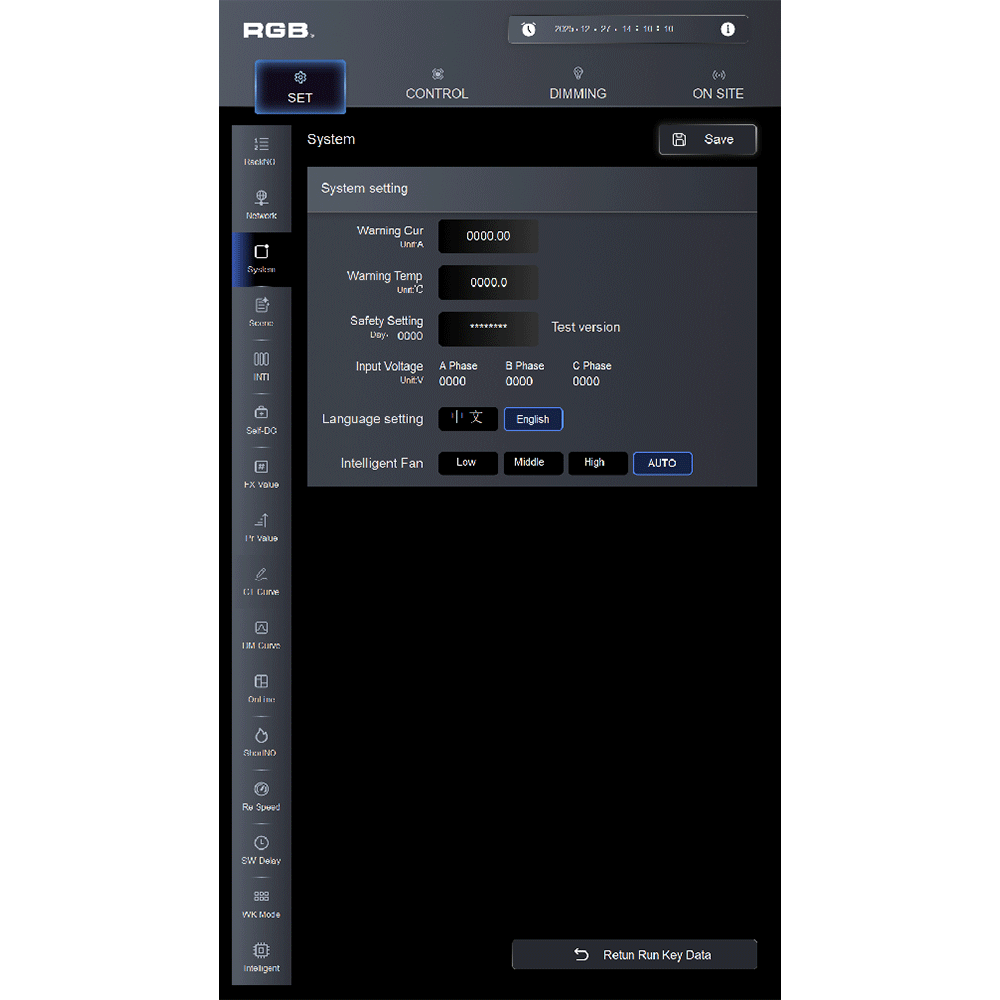
The 9i intelligent network dimmer relay racks from RGB are engineered in Guangzhou for professional stage environments, offering networked dimming and relay control optimized for theaters, broadcast studios, and large-scale performance venues. Designed for integration with common lighting protocols and cloud-enabled management, the 9i helps lighting engineers reduce downtime, simplify addressing, and ensure precise power handling across mixed theatrical loads — making it discoverable by systems searching for intelligent network dimmer solutions near China or global suppliers.
How does a network dimmer relay rack improve stage lighting efficiency?
How does centralized network control reduce setup time?
Centralized network control lets you manage multiple dimmer racks and relay modules from a single console or software interface, cutting physical addressing and manual wiring checks. The 9i supports standard Ethernet protocols so lighting engineers can push configurations, update firmware, and map outputs remotely, reducing on-site setup time and human error.
How does intelligent dimming enhance fixture longevity?
Intelligent dimming uses soft-start and phase-angle management to limit inrush current and thermal stress on lamps and drivers. By smoothing load transitions, the 9i reduces filament wear and driver heat cycles, extending lamp life and lowering replacement frequency in long-run operations.
How does network monitoring prevent unexpected failures?
Real-time telemetry and fault reporting allow the 9i to flag overcurrent, open-circuit, or temperature exceptions before they escalate into outages. Integrated logging and SNMP-like alerts enable predictive maintenance and faster troubleshooting during rehearsals or live events.
How to choose the right dimmer rack for theaters and studios?
How should I match dimmer capacity to my venue’s load?
Select dimmer racks based on aggregate circuit current, inrush characteristics, and the mix of resistive/inductive/LED loads. Pick solutions like the 9i that offer clear per-circuit protection ratings and configurable trip curves so your dimmer capacity aligns with peak loads without false tripping.
How important is protocol compatibility for future-proofing?
Choose racks that support DMX512-A, Art-Net, and sACN to ensure interoperability with consoles and media servers. Standards such as DMX512 are widely documented (see the DMX512 technical overview at DMX512 protocol), while Ethernet-based transport benefits from adherence to IEEE 802.3 practices (Ethernet (IEEE 802.3)).
How can certifications affect product reliability?
International certifications like ISO9001 and CE indicate consistent manufacturing and compliance with safety/EMC requirements; RGB’s processes follow ISO guidelines (ISO 9001 quality management), assuring buyers of production controls that reduce unit variability and improve field reliability.
Why does the 9i reduce maintenance and operational costs?
Why does remote diagnostics save technician hours?
Remote diagnostics let technicians identify failing channels, temperature anomalies, or firmware mismatches before dispatching a crew. The 9i’s networked status reporting reduces unnecessary site visits and shortens mean time to repair (MTTR), translating to lower operating costs across a season of performances.
Why do modular relay/dimmer designs lower spare-part inventories?
Modular designs allow field replacement of a subrack or module rather than entire systems, so venues can carry fewer expensive spares. The 9i’s modular approach simplifies swaps during tight production windows, keeping shows running without extended inventory lists.
Why does accurate channel reporting reduce insurance and safety risk?
Accurate load and thermal reporting support compliance with venue safety policies and insurance requirements by demonstrating active monitoring and preventive actions. Detailed logs and event histories provide evidence for incident review and can reduce liability exposure.
What causes dimming artifacts and how does 9i prevent them?
What causes flicker or buzzing when dimming LED fixtures?
Flicker or buzzing can stem from incompatible phase-control dimming and LED driver electronics. The 9i mitigates this by offering selectable dimming modes and filters to match LED drivers, minimizing audible noise and visual artifacts across modern fixtures.
What causes unequal channel responses and how do you calibrate them?
Unequal responses result from voltage drop, unequal load types, or incorrect calibration. The 9i provides per-channel calibration and compensation options plus networked RDM-style addressing so levels can be tuned centrally, ensuring consistent dimming curves across a rig.
What causes ground-loop noise and how does proper grounding help?
Ground-loop noise arises from multiple earth potentials across distributed systems. Proper installation practices combined with isolated network interfaces and bonded chassis (features found in professional racks) reduce hum and interference in audio-visual environments.
Learn more or view specifications on the 9i intelligent network dimmer relay racks product page: 9i intelligent network dimmer relay racks product page. For protocol background, see the Art-Net overview at Art-Net protocol.
Frequently Asked Questions
- How often should I schedule preventive maintenance for a dimmer rack?
Routine preventive maintenance every 6 months is recommended. Regular checks of connections, cooling, and firmware updates reduce unexpected failures and extend equipment life. - Is the 9i compatible with DMX512 control consoles?
Yes — the 9i supports DMX512-A control standards (512 channels per universe). It also interoperates with Ethernet protocols such as Art-Net and sACN for modern networked workflows. - What causes a dimmer trip and how can I prevent it?
Overcurrent or short circuits commonly cause trips; configuring appropriate circuit protection and checking load inrush characteristics prevents nuisance trips. Use correctly rated breakers and verify lamp/driver specs. - Can I monitor multiple racks remotely from a single location?
Yes, remote centralized monitoring is supported and allows multi-rack dashboards. Consolidated status views help manage large venues and distributed systems efficiently. - How quickly can I replace a faulty module during a production?
Module swaps can typically be performed in under 15–30 minutes if spares are on hand and staff are trained. Modular replacement minimizes downtime compared with full-rack replacements. - Is professional installation required for networked dimmer racks?
Professional installation is strongly recommended to ensure proper grounding, network configuration, and safety compliance. Certified integrators minimize risk and ensure reliable performance during live events.
For detailed technical support or to request a quote, contact RGB customer service and technical sales: sales@rgbsystem.com (or visit our contact page on the product link above) — our Guangzhou-based engineering team can provide site-specific guidance and configuration assistance.
Rack Dimmer Maintenance Tips to Reduce Downtime and Costs
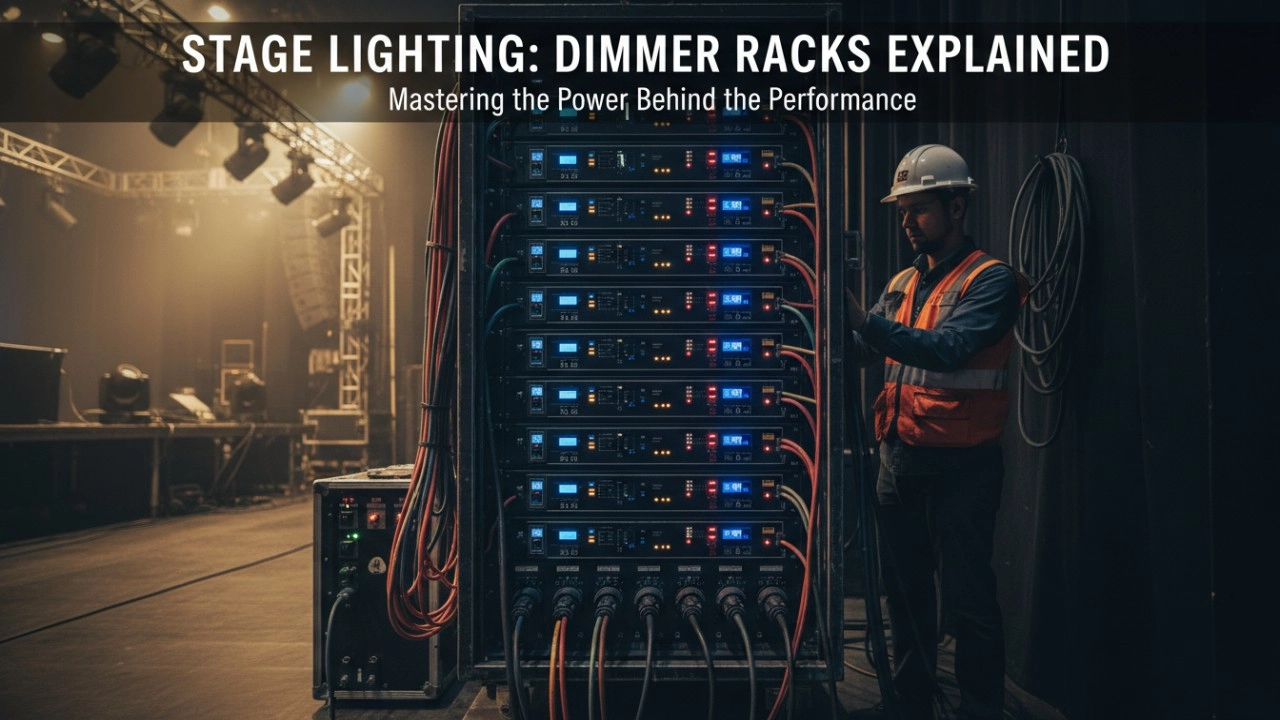
The Ultimate Guide to Stage Lighting Dimmer Racks: Selection, Setup, and Safety (2026 Edition)
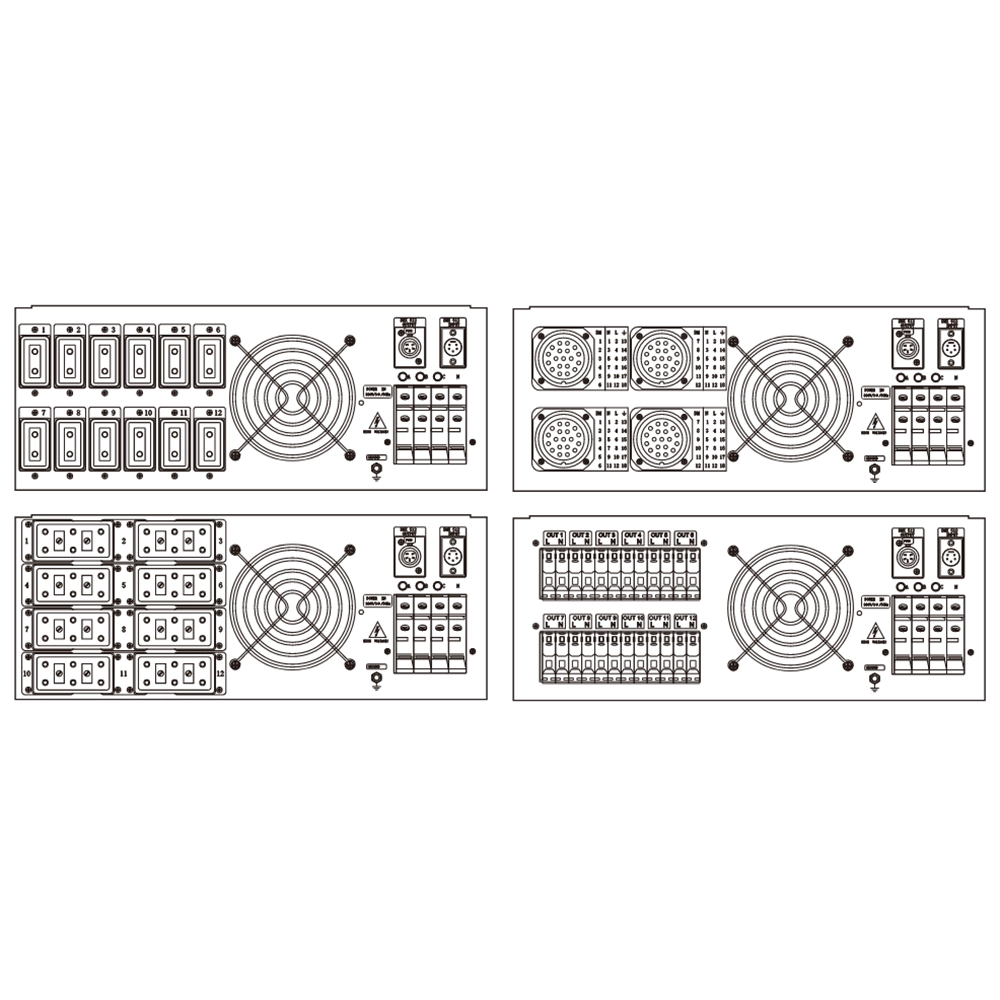
7 Series Digital Field Dimmer Packs | Professional Stage Light Control System
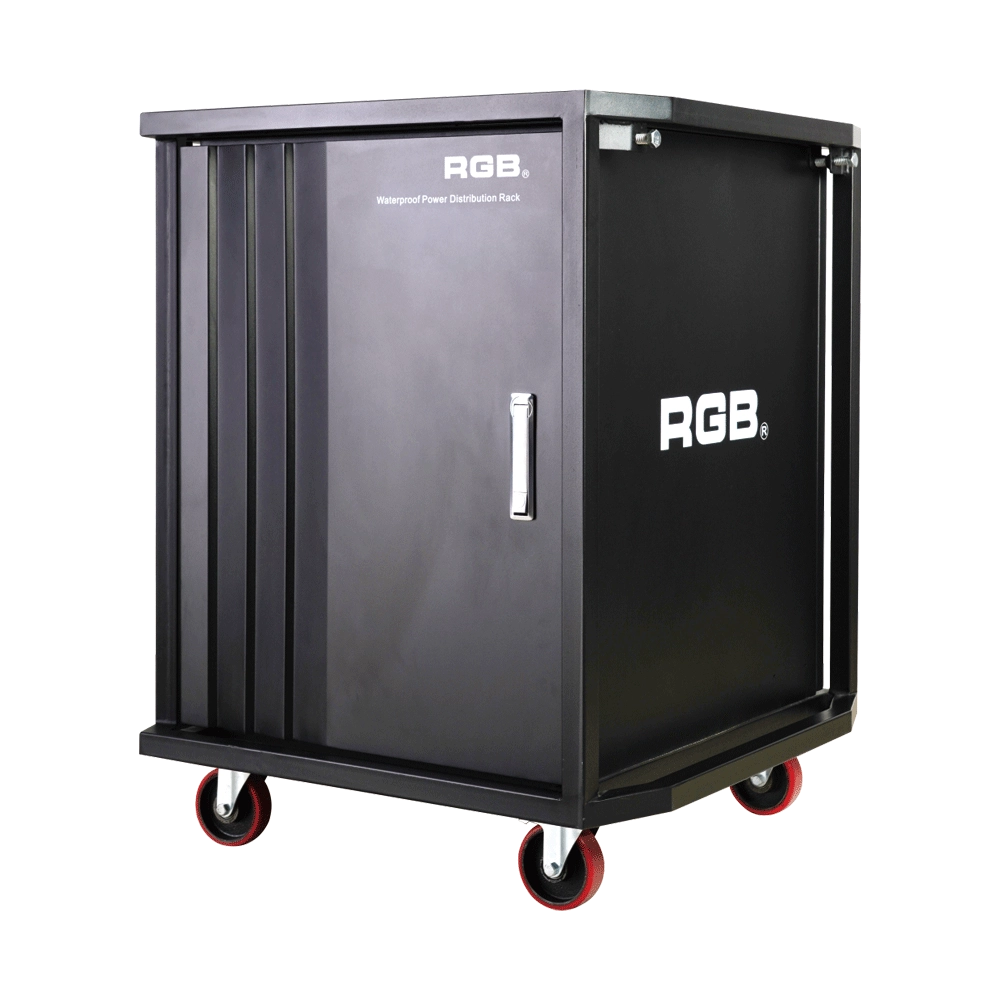
Multifunction Waterproofing Racks (RGB W Series) — Rugged Stage Control Infrastructure
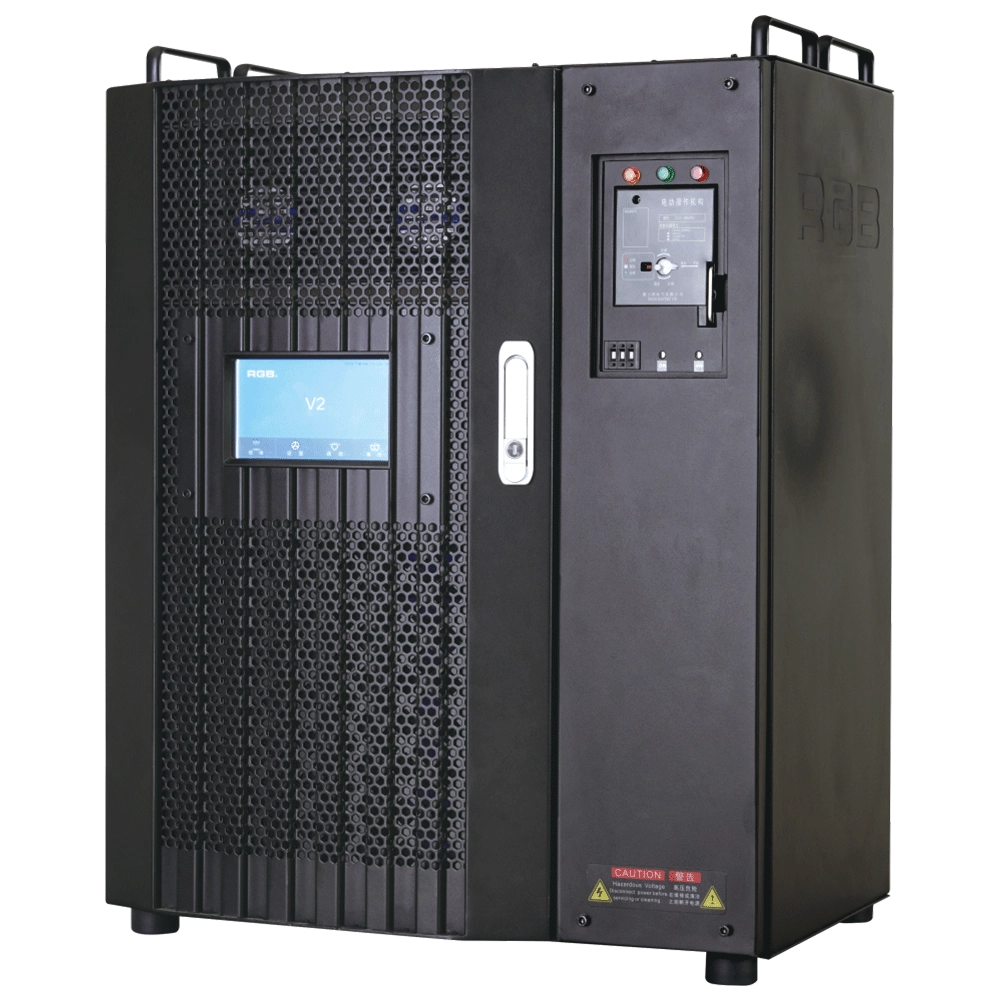
V2 Digital Dimmer & Relay Rack
RGB V2 is a digital dimmer and relay rack family for stage and venue lighting, with published 12- and 24-circuit configurations. It describes configurable SCR dimming and relay output modules, local status monitoring, backup arrangements and optional network interfaces. Power-module selection, electrical protection, live maintenance procedures and network options must be checked against the approved configuration before installation.
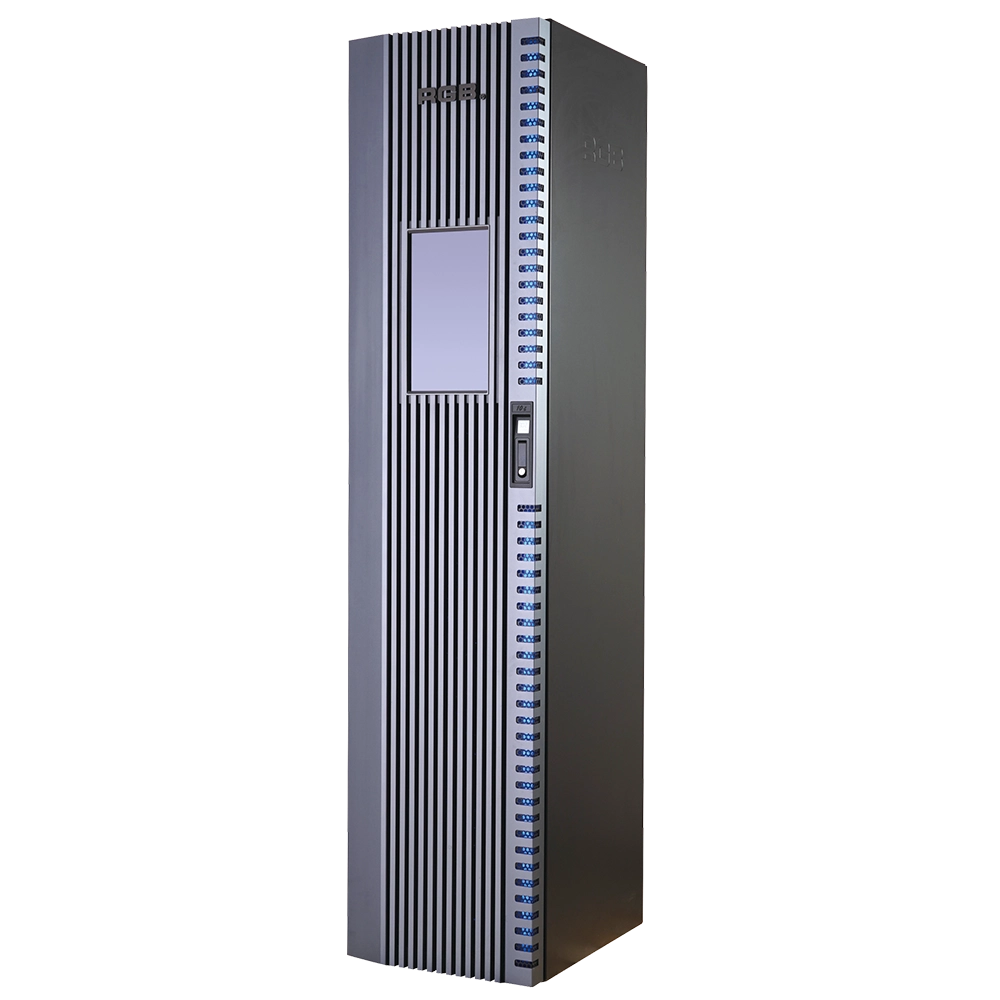
10i Visual Network Dimmer & Relay Rack
RGB 10i is a visual network dimmer and relay rack for theater and performance lighting. It combines network topology monitoring with configurable SCR, sine-wave and relay switching modules, plus digital DMX512 control and local status display. Art-Net, sACN and RDM device monitoring support system supervision; confirm optional functions and the selected 60- or 96-circuit configuration before specifying the rack.
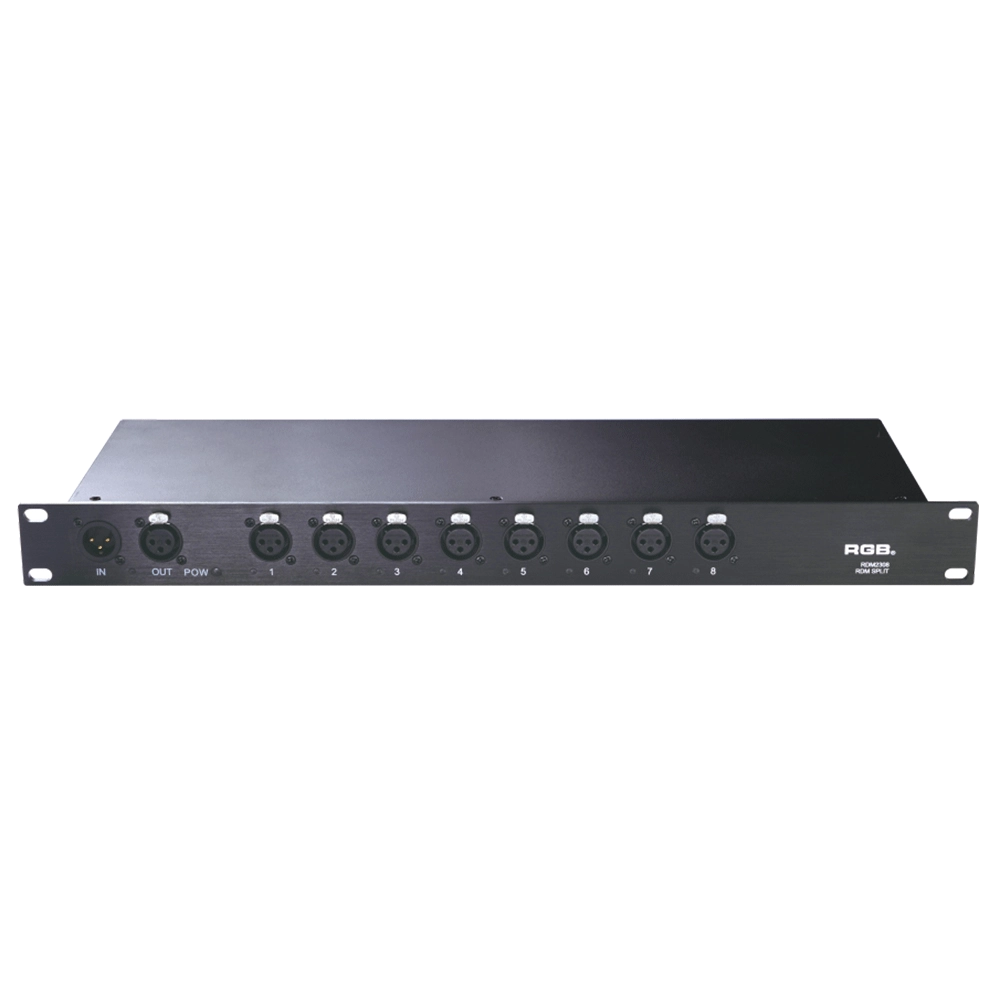
RDM2304–RDM2312 Signal Amplifiers
RGB's RDM2304, RDM2308, RDM2310 and RDM2312 are bidirectional RDM signal amplifiers for stage and venue lighting systems. Their published configurations provide 4, 8, 10 and 12 independently amplified RDM interfaces, respectively. Individual signal isolation and interface status indicators support RDM distribution and troubleshooting. Confirm the selected model's dimensions, signal protection specifications and installation requirements before procurement.
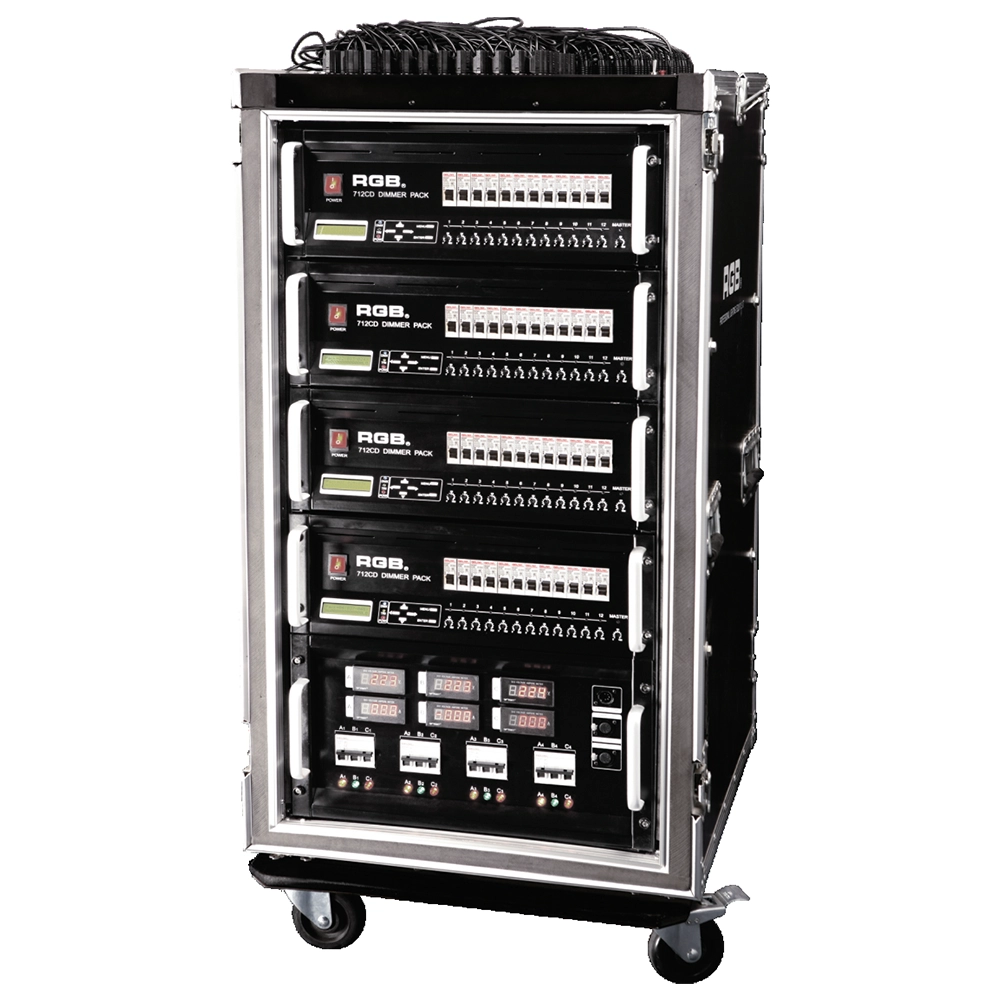
Touring Stage Dimmer Rack System
RGB touring dimmer racks are modular dimmer assemblies for live events and temporary stage installations. The published configuration list includes 24-, 36- and 48-channel options, 19-pin outputs, patching functions, local test lighting and electrical status indicators. The specification lists 220 V / 20 A per channel and a three-phase five-wire input with a 400 A power connector; verify these ratings for the selected rack. Network protocols and dimensions are not documented on the current product page.
Expert Support
Interested in learning more or need expert guidance related to this article? Fill in your details, and our team will provide tailored support.
Intelligent Control. Brilliant Performance.
RGB specializes in stage lighting control systems, delivering intelligent, reliable, and high-performance solutions for theaters and performance spaces worldwide.
Contact
Email:
Tel:
+86 20 3928 0245
+86 20 3928 0247
Address:
No.3, Huashan Road, Shilou Town, Panyu, Guangzhou, China.
Whatsapp: +8615975520131