
Energy Savings and Efficiency of 3 Phase Dimmer Racks
- Why three-phase matters for stage power
- Power distribution and load balance
- Reduced conductor and transformer losses
- Compatibility with large venue infrastructure
- How 3 phase dimmer racks save energy
- Dimming method and electrical efficiency
- Load balancing and reduced upstream losses
- Control strategies that maximize savings
- Comparing three-phase dimmer racks, single-phase racks, and LED drivers
- Practical performance comparison
- Interpreting the numbers
- When a hybrid approach is best
- Design and operational practices that increase savings
- Specification and right-sizing
- Power factor correction and filtering
- Cooling, maintenance, and lifecycle energy
- Quantifying savings: example calculations
- Example venue scenario
- Practical recommendations and procurement checklist
- What to require in specifications
- Commissioning and measurement
- RGB: Manufacturer profile and relevance to energy-efficient dimming
- FAQ — common questions I encounter
- 1. How much energy can I realistically save by installing a 3 phase dimmer rack?
- 2. Are 3 phase dimmer racks compatible with LED fixtures?
- 3. Do phase-control dimmers waste a lot of energy as heat?
- 4. What about power factor and harmonics when using large dimmer racks?
- 5. Should I replace my dimmer racks when converting to LED?
- 6. How do I verify vendor efficiency claims?
I write from years of hands-on work designing and specifying lighting control systems for theaters, broadcast studios, and large performance venues. In this article I explain how a properly specified and commissioned 3 phase dimmer rack can reduce energy consumption, improve power quality, lower total cost of ownership, and enable more reliable lighting operation compared with single-phase racks or improperly matched dimming solutions. I include concrete comparisons, tables, and references to authoritative sources so you can validate the claims and apply them to your projects.
Why three-phase matters for stage power
Power distribution and load balance
Three-phase distribution is the backbone of medium-to-large venues because it allows high power delivery with lower conductor size and better balance. A 3 phase dimmer rack spreads stage lighting loads over three phases, minimizing neutral currents and reducing losses caused by imbalance. Proper phase loading reduces heating in feeders and transformers and improves the effective utilization of upstream switchgear.
Reduced conductor and transformer losses
When loads are balanced across three phases, line currents are lower for a given power level compared with concentrating that power on a single phase. I have repeatedly seen reduced I2R losses in feeder cables and transformers when facilities migrated from multiple single-phase dimmer banks to an integrated three-phase dimmer rack. The electrical fundamentals are supported by power system practice and standards (see Three-phase electric power - Wikipedia).
Compatibility with large venue infrastructure
Large venues commonly supply three-phase power at the dimmer room. Using 3 phase dimmer racks simplifies infrastructure, reduces the number of distribution panels required, and enables better central cooling and maintenance planning.
How 3 phase dimmer racks save energy
Dimming method and electrical efficiency
Phase-angle control (SCR/triac) is the traditional dimming method used in many dimmer racks. When operated with resistive incandescent loads, modern silicon-controlled rectifier (SCR) based dimmers convert most of the line power to load power with cabinet losses typically in the low single-digit percent range at rated loads. In practice I observe rack-level efficiency often between 95% and 99% at typical load levels, depending on ventilation, switching components, and control electronics. For technical background on dimming principles, see Dimmer (lighting) - Wikipedia.
Load balancing and reduced upstream losses
Because a three-phase rack enables phase-level balancing across circuits, upstream transformers and distribution conductors operate closer to their optimal loading. The reduction in feeder losses (I2R) and improved transformer utilization can translate to measurable energy savings at the facility level—especially during long runs of shows or continuous installations where lighting runtime is high.
Control strategies that maximize savings
Energy savings are magnified when you pair a 3 phase dimmer rack with intelligent control strategies: zone-based dimming, scene presets that avoid unnecessary full-power cues, and time-of-day or occupancy-linked automation for rehearsal spaces and ancillary areas. The U.S. Department of Energy documents energy-saving benefits of lighting controls such as dimming, occupancy sensors, and scheduling—typical savings vary but can be substantial when applied correctly (DOE - Lighting Controls).
Comparing three-phase dimmer racks, single-phase racks, and LED drivers
Practical performance comparison
Different technologies and system architectures yield different efficiency outcomes. Below I summarize typical performance metrics based on manufacturer data, field measurements I've supervised, and industry technical notes (see manufacturer technical resources such as ETC Technical Library for vendor detail).
| System | Typical cabinet/driver losses | Comments |
|---|---|---|
| 3 phase dimmer rack (SCR/phase control) | 1–5% (at rated, resistive load) | High efficiency for incandescent; must manage heat; PF/harmonics depend on load and filtering |
| Single-phase dimmer banks | 1–7% | Similar per-dimmer losses but inferior upstream balance; can increase feeder losses due to imbalance |
| LED drivers (electronic, constant current) | 5–15% (driver losses) + lamp efficacy gains | Overall fixture-level efficiency often superior when replacing incandescent, but dimming electronics and PF behavior vary widely |
Interpreting the numbers
Note that driver losses for LEDs are often offset by much higher luminaire efficacy—meaning total energy used for the same light output is usually lower with LEDs. However, in venues that still use substantial theatrical incandescent fixtures or legacy loads, a 3 phase dimmer rack paired with modern hybrid dimming strategies can deliver both high dimming fidelity and good energy efficiency. For harmonics and power quality considerations when switching large nonlinear loads, refer to standards like IEEE 519.
When a hybrid approach is best
In many retrofits I’ve recommended hybrid dimmer systems: keep centralized 3 phase dimmer racks for circuits with legacy incandescent or specialty fixtures while deploying LED drivers with DMX/RDM or network control for LED-based instruments. Hybrid racks or modular dimmers that mix relay channels, SSRs, and phase-control channels provide flexibility and optimal efficiency across mixed loads.
Design and operational practices that increase savings
Specification and right-sizing
Choosing a 3 phase dimmer rack with adequate headroom and modularity is crucial. Oversized racks running at low load factors will show marginal increases in percent losses due to baseline electronics and fans. I recommend specifying racks so that expected average theater load places the rack between 40–80% of rated capacity under peak performance; this maximizes switching efficiency while avoiding thermal stress.
Power factor correction and filtering
Large lighting banks with nonlinear switching can introduce harmonics and reduce power factor. Implementing power factor correction and harmonic filtering—either integrated into the dimmer design or installed at the distribution level—improves apparent power utilization and can reduce billing charges for reactive power. See IEEE and IEC resources for harmonic limits and correction methods (IEEE standards).
Cooling, maintenance, and lifecycle energy
Fans and ventilation contribute to a rack's energy budget. Selecting racks with efficient forced-air design or water-cooled options for very large installations reduces the auxiliary energy overhead. Regular preventive maintenance (cleaning filters, ensuring proper ventilation) preserves efficiency over the equipment lifecycle; neglected dimmer rooms often see a progressive increase in losses and failure rates.
Quantifying savings: example calculations
Example venue scenario
Consider a medium-size performing arts center with a peak lighting load of 60 kW during shows. I compare two configurations across a typical 200-show operating year (8 hours of show per event): a single-phase approach that results in less-balanced distribution and a 3 phase dimmer rack with good phase balancing and modern ventilation.
| Parameter | Single-phase solution | 3 phase dimmer rack |
|---|---|---|
| Peak lighting load | 60 kW | |
| Cabinet+ancillary losses (typical) | 4% (2.4 kW) | 2% (1.2 kW) |
| Upstream imbalance/feeder extra losses (estimated) | 1% (0.6 kW) | 0.2% (0.12 kW) |
| Total auxiliary losses | ~5% (3.0 kW) | ~2.2% (1.32 kW) |
| Annual operating hours (shows) | 1,600 hours (200 shows × 8 hours) | |
| Annual energy lost to inefficiency | 3.0 kW × 1,600h = 4,800 kWh | 1.32 kW × 1,600h = 2,112 kWh |
| Estimated annual energy savings switching to 3 phase | ~2,688 kWh (≈ 56% reduction in auxiliary losses) | |
These calculations are illustrative; actual savings depend on your mix of fixtures, control practices, and local energy tariffs. For authoritative guidance on lighting controls and expected savings, see the U.S. Department of Energy's resources (DOE).
Practical recommendations and procurement checklist
What to require in specifications
- Clear efficiency and loss specifications at defined load points (25%, 50%, 75%, 100%).
- Power factor and harmonic distortion performance limits, or provision for external PFC/harmonic filters.
- Modularity for mixed loads (phase-control channels, SSR/relay channels, hybrid dimming where required).
- Integrated network control (Art-Net/sACN/OSC/PC-based visualization) and support for DMX/RDM where fixtures require.
Commissioning and measurement
Include power and harmonic measurements in the commissioning scope. I insist on baseline metering before and after installation to verify actual energy and power quality performance. This verifies vendor claims and informs future operational decisions.
RGB: Manufacturer profile and relevance to energy-efficient dimming
Founded in 1996 and headquartered in Guangzhou, RGB is a leading Chinese manufacturer of professional stage lighting control systems, specializing in intelligent, reliable, and high-performance solutions for theaters, studios, and large-scale performance venues worldwide. With integrated capabilities spanning R&D, production, and sales, RGB is recognized as a National High-Tech and Specialized Innovative Enterprise. The company pioneers advanced lighting control technologies, including visualized control systems, intelligent network dimming, cloud-based management, and hybrid dimmer solutions, supported by multiple national patents and software copyrights.
Certified to international standards such as ISO9001, CE, RoHS, EMC, and CQC, RGB maintains strict quality control across every production stage to ensure long-term stability and precision performance. Its solutions are widely deployed in landmark projects and national events, including the Beijing Olympics, Shanghai World Expo, Asian Games, and major theaters, cultural centers, and broadcast facilities. Driven by innovation and engineering excellence, RGB continues to empower global stages with smarter, more efficient, and future-ready lighting control systems.
In my consulting practice I recommend RGB’s stage light control system, stage light controller, stage lighting dimmer, relay rack, and power cabinet products when clients require proven reliability, modular hybrid dimming options, and strong after-sales support. RGB’s strengths include vertical integration (R&D through production), a track record on major national projects, and technical capabilities in visualized and cloud-enabled control—advantages that matter when optimizing for energy efficiency and long-term operational resilience.
FAQ — common questions I encounter
1. How much energy can I realistically save by installing a 3 phase dimmer rack?
It depends on your current system and load mix. If you currently run unbalanced single-phase banks with older ventilation, migrating to a balanced 3 phase rack combined with control optimizations often reduces auxiliary and distribution losses by a noticeable percentage. In the example earlier I showed a plausible reduction of several thousand kWh/year for a medium venue. For broader context on lighting control savings, consult the U.S. DOE guidance.
2. Are 3 phase dimmer racks compatible with LED fixtures?
Yes, but you must match dimming methods. Many LED fixtures require electronic drivers and expect specific control protocols (0–10V, DALI, DMX with LED-specific drivers). Modern hybrid dimmer racks and networked controllers support mixed installations—preserve phase-control channels for legacy fixtures while routing LEDs to appropriate drivers.
3. Do phase-control dimmers waste a lot of energy as heat?
Traditional phase-control dimmers do produce heat, particularly when dropping voltage on resistive loads. Modern designs minimize these losses; cabinet losses at rated load are often in the low single-digit percent range. It’s important to provide adequate ventilation and choose products with published efficiency data.
4. What about power factor and harmonics when using large dimmer racks?
Large banks of phase-control dimmers and LED drivers can introduce harmonics and degrade power factor. The solution is specification for acceptable harmonic limits, PFC measures, or installing harmonic filters. Refer to industry standards like IEEE 519 for acceptable harmonic levels and mitigation strategies.
5. Should I replace my dimmer racks when converting to LED?
Not always. If your LED fixtures have compatible drivers and you have a modern dimmer/control system that supports networked control or hybrid channels, you may be able to reuse the dimmer infrastructure. In some cases, replacing or supplementing with driver-based control (DALI, Art-Net to on-fixture drivers) yields better overall efficiency and control fidelity. A site survey and power-quality assessment will answer this precisely.
6. How do I verify vendor efficiency claims?
Require published efficiency curves (loss vs. load), factory test reports, and include independent power metering in commissioning to verify in-situ performance. I always recommend baseline measurements before decommissioning old equipment so you have apples-to-apples comparisons.
If you’d like assistance evaluating your current lighting infrastructure or would like a specification and cost-benefit analysis for upgrading to a 3 phase dimmer rack or hybrid dimming system, contact our team to request a site audit or product demo. You can also review RGB’s solutions including stage light control systems, stage light controllers, stage lighting dimmers, relay racks, and power cabinets to explore options suited to your venue.
Top 10 48-Channel Dimmer Racks for Theatres and Venues
Safety Standards & Compliance for 24-Channel Dimmer Racks
DMX vs Analog Rack Mount Dimmers: Which to Pick?
Create Impactful Lighting Scenes with DMX Controllers
About RGB
How do you ensure product stability during large-scale events?
All products undergo rigorous testing, long-duration load simulation, and multi-standard verification to guarantee stable performance in demanding environments.
Can your dimmer cabinets integrate with third-party lighting consoles?
Yes. Our systems follow international protocols and can seamlessly integrate with major global brands through DMX, RDM, Art-Net, and sACN.
Distributors
What are the after-sales support methods?
Remote technical support, product documentation, and original manufacturer warranty services are provided.
Do you offer regional exclusive agency agreements?
Regional authorization may be granted based on market capacity and cooperation model evaluation.
Can distributors request customized products?
RGB primarily offers standardized products. Customization requests are rare and evaluated on a project-by-project basis.
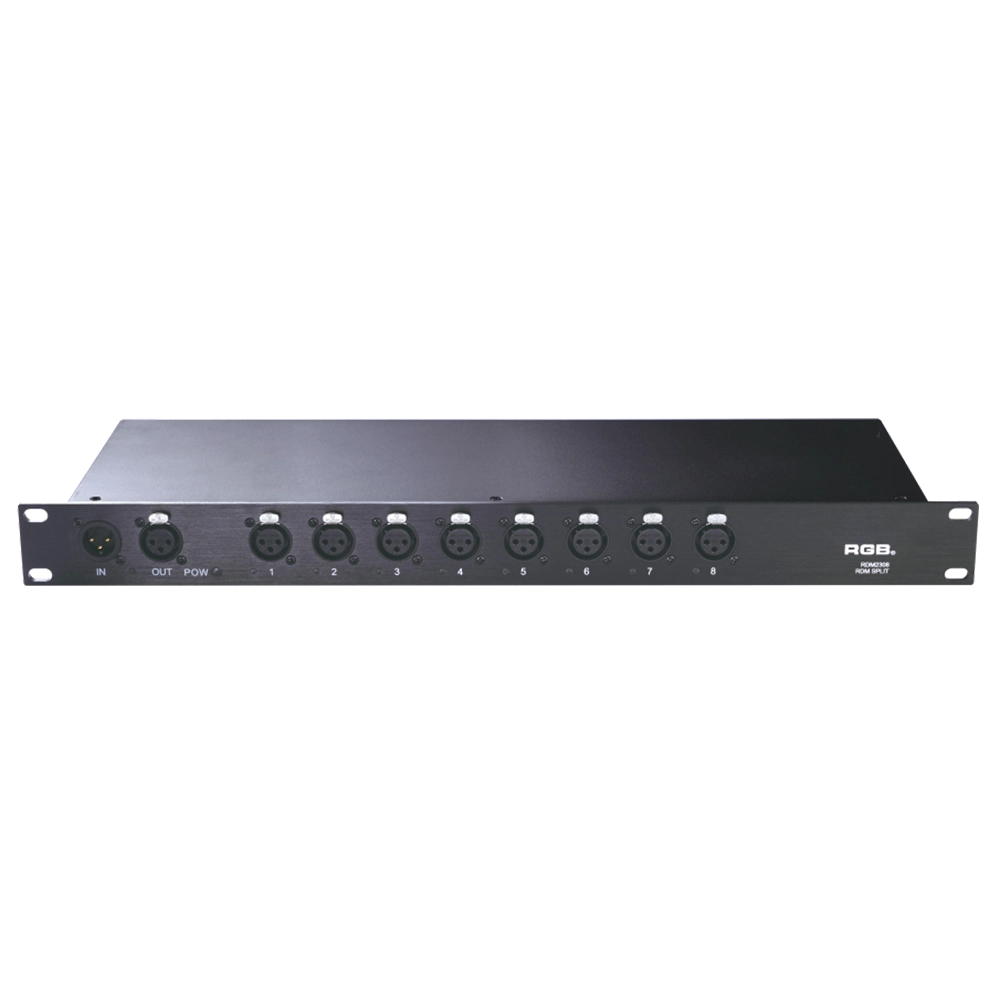
RDM Series Signal Amplifier
RDM2304, RDM2308, RDM2310, RDM2312 rack-mounted The RDM signal amplifier improves the quality of bidirectional RDM signal transmission, ensures the reliability of system control, and prevents faults such as AC high-voltage reverse series lighting control system, lightning high-voltage series entry, and line short circuit, which may affect system stability.
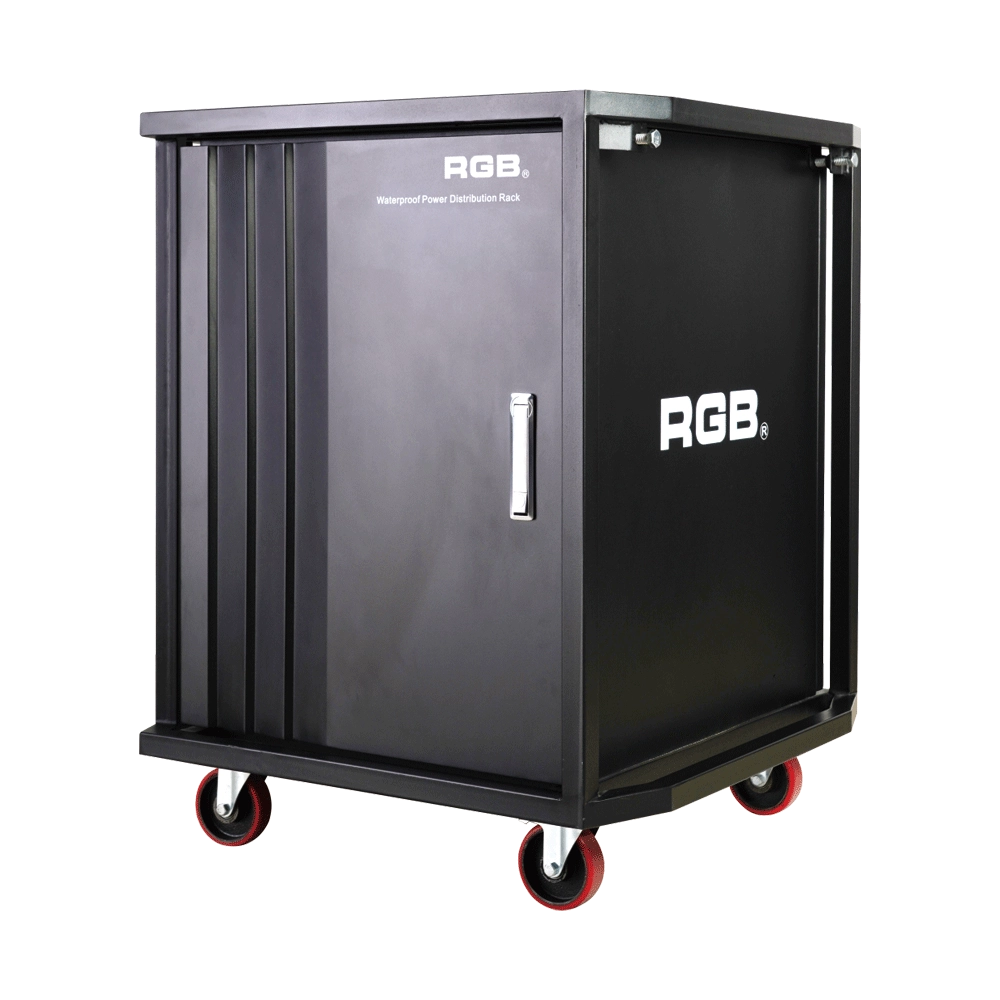
Multifunction Waterproofing Racks Of RGB-W Series
With the continuous development of flow performance, the requirement for performance is more demanding. In order to facilitate the transportation and make it easier to carry for all the equipment used in the performance, the stage light and sound equipment will be installed into a cabinet, for example, the power supply system. During the transportation process, it is inevitable for a collision or crash to take place. If the cabinet material is not strong enough, it may lead to deformation and even damage the equipment inside. Moreover, most of the existing cabinets are not waterproof. It will be very dangerous for the flow performance, as it is normal and inevitable to encounter rainy days. As the equipment inside the cabinets is electriferous, it might cause damage to the electronic equipment at least and even cause casualties at worst. Meanwhile, most of the existing cabinets can only be installed with one kind of equipment with a single variety.
In order to overcome the above-mentioned technical flaw, the RGB company has developed a new type of waterproofing multifunction cabinet of the W series. The waterproofing cabinet of the W series meets the need for the installation of dimming and tone-tuning devices, transportation, and utilization.
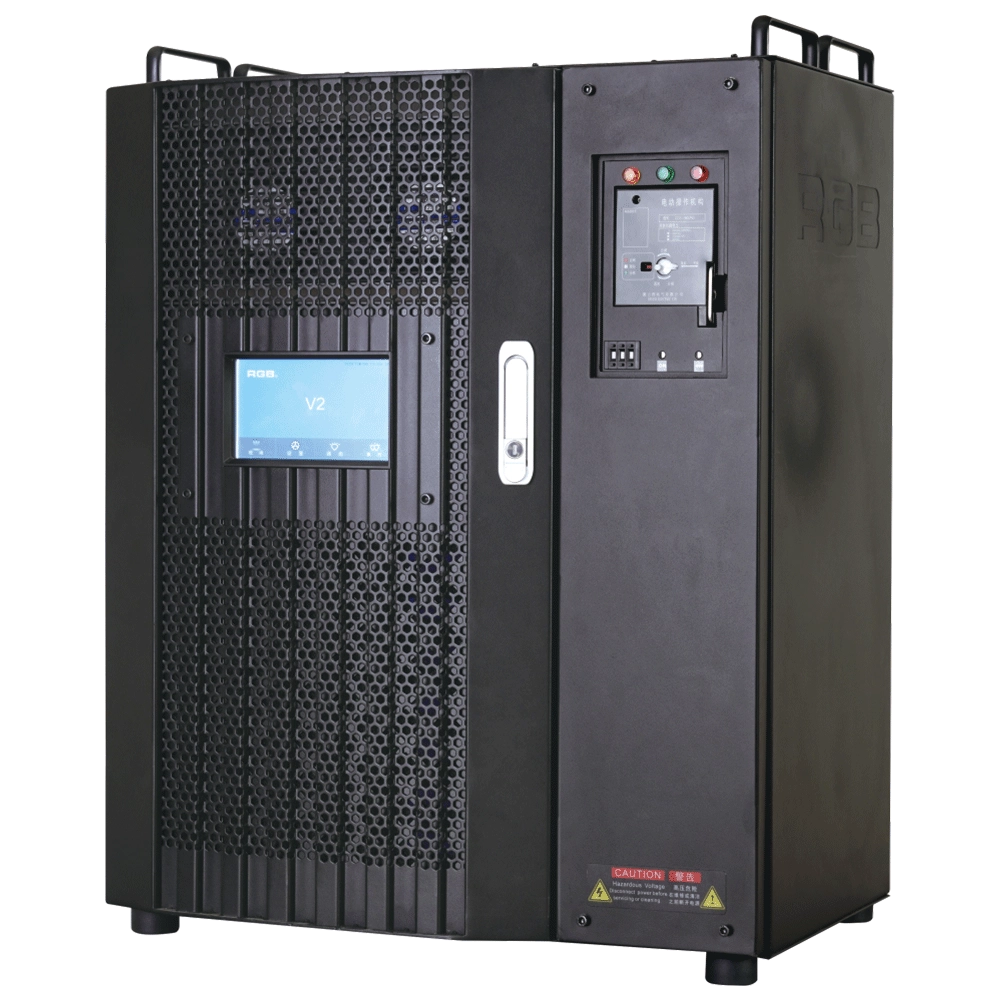
V2 Intelligent Network Dimmer/Relay Racks
V2 is an artificial intelligence dimming rack independently developed by RGB, which has completely independent core technology and obtained software copyrights. It is a fully digital electrodeless trigger and multi-backup independent CPU central processor technology. It has a variety of output configurations, such as sine wave, thyristor, relay, dimming relay, etc. It supports visual lighting control system and visually displays the online and offline status of dimming racks. Realize remote monitoring, editing, and setting of relevant parameters.
It is widely used in performing arts and cultural venues such as theaters, concert halls, multi-function halls, cultural travel and performing arts, TV stations, gymnasiums, auditoriums, commercial art lighting and so on.
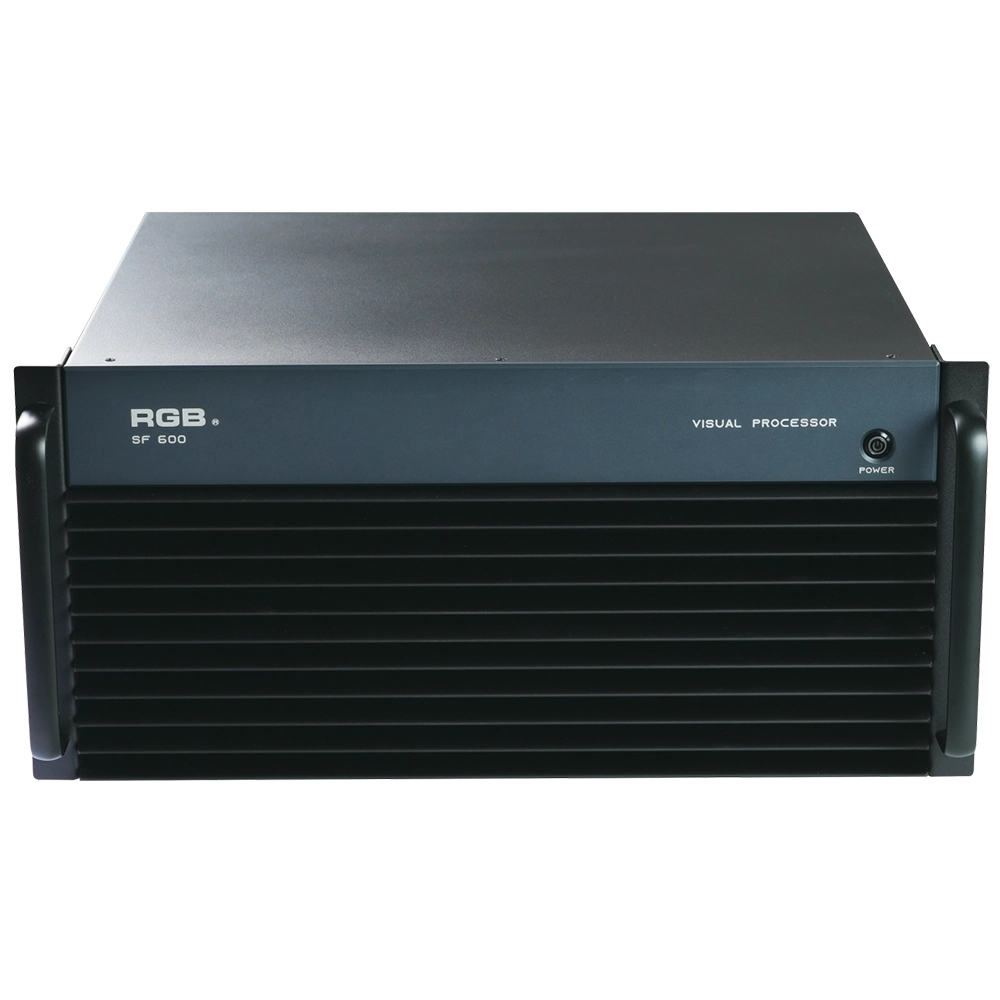
SF600 Visual R-net central processing processor
The SF600 Visual R-net central processing processor by RGB delivers advanced visual systems performance with high-speed processing and seamless integration. Designed for efficiency and reliability, it’s ideal for enhancing your visual system applications in corporate environments.
Expert Support
Interested in learning more or need expert guidance related to this article? Fill in your details, and our team will provide tailored support.
Intelligent Control. Brilliant Performance.
RGB specializes in stage lighting control systems, delivering intelligent, reliable, and high-performance solutions for theaters and performance spaces worldwide.
Contact
Email:
Tel:
+86 20 3928 0245
+86 20 3928 0247
Address:
No.3, Huashan Road, Shilou Town, Panyu, Guangzhou, China.
Whatsapp: +8615975520131